
Превращайте аналитические выводы ИИ в реальные действия

В тренде
Categories
How to Become an Air Taxi Pilot
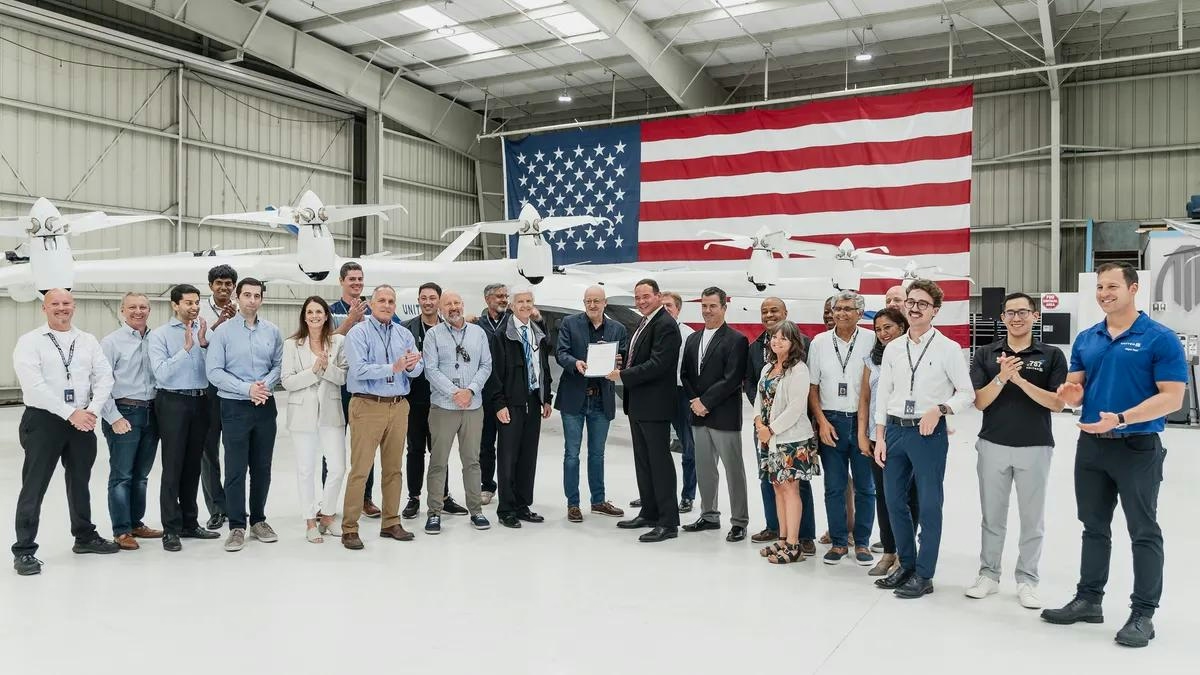
How to Become an Air Taxi Pilot
Transitioning from Traditional Aviation to eVTOL Operations
Aspiring air taxi pilots are not entering the field as novices. According to Daniyar Uteulin, Head of Investor Relations at Alatau Advance Air Group Ltd., the emerging air taxi industry is primarily retraining already certified aviation professionals to operate electric vertical takeoff and landing (eVTOL) aircraft. Each air taxi manufacturer has developed its own training system, which includes simulators and instructor pilots tailored to specific eVTOL models. Licensed airplane or helicopter pilots undergo additional manufacturer-specific training to qualify for these new aircraft, rather than receiving a universal eVTOL license.
Prospective pilots must first obtain a conventional commercial pilot license before enrolling in conversion courses designed for particular eVTOL types. This approach reflects the current state of the industry, where certification remains model-specific rather than standardized across all eVTOL platforms.
Human Pilots and Regulatory Challenges
Despite the advanced automation integrated into many next-generation air taxis, Kazakhstan’s initial commercial operations will rely exclusively on human pilots. Uteulin emphasized that passenger flights will be conducted only with piloted aircraft, noting that the unmanned vehicle recently demonstrated in Astana served solely for demonstration purposes and to satisfy aviation safety requirements.
The transition to air taxi piloting is not without its difficulties. Simulator training has revealed high failure rates as pilots adjust to the unique flight dynamics and technologies of eVTOL aircraft. Additionally, regulatory approval processes remain complex. Kazakhstan is actively developing secondary regulations necessary for advanced air mobility, with the legal framework expected to be finalized ahead of the planned commercial launch of air taxi services by late 2028 or early 2029.
Infrastructure and Market Dynamics
The development of infrastructure is critical to the success of air taxi operations. The establishment of vertiports, charging stations, and maintenance facilities is essential to ensure safe and efficient service. Safety certification for both aircraft and pilots is under rigorous scrutiny, as authorities and manufacturers collaborate to build public trust in this novel mode of transportation.
Market responses to these challenges vary. Some investors and companies, such as Archer Aviation, are expanding their focus beyond air taxis to address regulatory and operational complexities. Meanwhile, competitors are advancing technologically and forming strategic partnerships. For instance, Florida’s collaboration with Eve Air Mobility aims to test electric air taxis and develop the necessary infrastructure, exemplifying broader industry efforts to overcome barriers to commercial deployment.
Kazakhstan marked a significant milestone when Astana hosted its first demonstration flight of an electric air taxi, signaling the country’s commitment to advancing its air mobility ambitions. As the sector continues to evolve, becoming an air taxi pilot will demand not only traditional aviation expertise but also adaptability to emerging technologies and regulatory frameworks.

Hong Kong's Five-Year Plan Includes Andrew Fan's Aircraft Parts Processing Hub Proposal

ACIA Aero Leasing Delivers ATR72-600 to Air Nostrum

RTX Appoints Jill Albertelli as Head of Pratt & Whitney

TAT Technologies Joins Beyond Aero Hydrogen Aircraft Program

AURAK Study Highlights Barriers to Air Taxi Adoption in Emerging Economies

Xiamen Air Selects Altitude for 787 Maintenance at Heathrow

Etihad and Swissport Extend Global Partnership

Sepehran Airlines B737 Returns to Mashhad After Tyre and Engine Issues

Etihad Deploys Widebody Fleet to Meet Strong Demand

Korean Air Finalizes $36.2 Billion Deal with Boeing
