
Превращайте аналитические выводы ИИ в реальные действия

В тренде
Categories
Japan Airlines Begins Autonomous Drone Inspections

Japan Airlines Introduces Autonomous Drone Inspections for Aircraft Maintenance
Japan Airlines (JAL) has embarked on a pioneering initiative by integrating fully autonomous drones into its aircraft maintenance procedures, marking a first in Japan’s aviation industry. In collaboration with French drone manufacturer Donecle, JAL has deployed the Iris GVI drones, which are officially approved in aircraft manufacturers’ maintenance manuals, to conduct exterior inspections within its maintenance hangars. This technological advancement aims to enhance both the safety and efficiency of routine aircraft inspections.
Enhancing Maintenance Efficiency and Safety
The Iris GVI drones operate autonomously to capture high-resolution images of aircraft exteriors, enabling maintenance personnel to conduct thorough visual assessments without the need for manual inspections at elevated heights. This innovation is expected to significantly reduce the time required for inspections, allowing maintenance teams to allocate more resources toward predictive maintenance activities. By facilitating detailed and precise defect mapping through integrated image-analysis tools, the drones assist in identifying and measuring potential issues with greater accuracy, thereby contributing to improved aircraft quality and operational reliability.
Since late June 2026, JAL has been rigorously evaluating the performance of drone-assisted inspections by comparing their results with those obtained through traditional visual checks. The drones are equipped with advanced obstacle-detection technology, ensuring safe and contactless navigation around aircraft regardless of the operator’s skill level. This capability underscores the potential for autonomous systems to maintain high safety standards while streamlining maintenance workflows.
Challenges and Industry Implications
Despite the promising benefits, the adoption of autonomous drone inspections introduces several challenges. Regulatory compliance remains a critical concern as aviation authorities deliberate on integrating autonomous technologies within existing safety frameworks. Furthermore, public perception and acceptance of drone use in aircraft maintenance could influence the rate at which such innovations are embraced across the industry.
JAL’s initiative is likely to stimulate interest among competitors, prompting other airlines and maintenance providers to accelerate their own drone inspection programs or consider counter-drone strategies. With the global drone-services market projected to expand rapidly, the balance between innovation and safety will become a defining factor in the sector’s evolution.
By adopting autonomous drone technology, Japan Airlines not only positions itself at the forefront of maintenance innovation within Japan but also exemplifies the broader transformation of aircraft servicing. Automation and data-driven processes are increasingly central to the future of aviation maintenance, signaling a shift toward more efficient and technologically advanced operations.
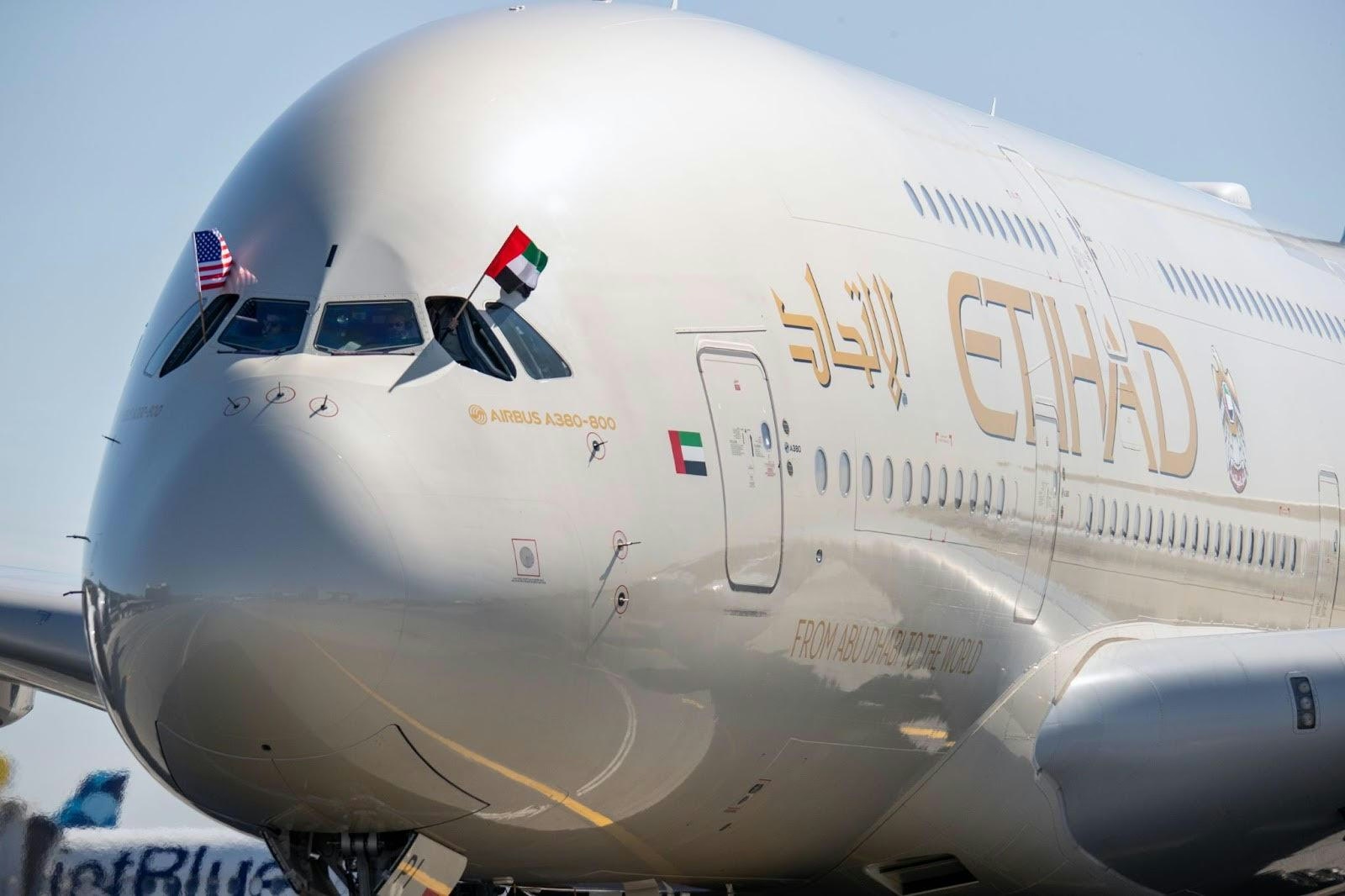
Etihad Airways Suspends Airbus A380 Flights on Key Route

Aditya Birla Group Seeks Approval for Aircraft Leasing in GIFT City

Qatar Airways Highlights Innovation and Connectivity at Arabian Travel Market 2026
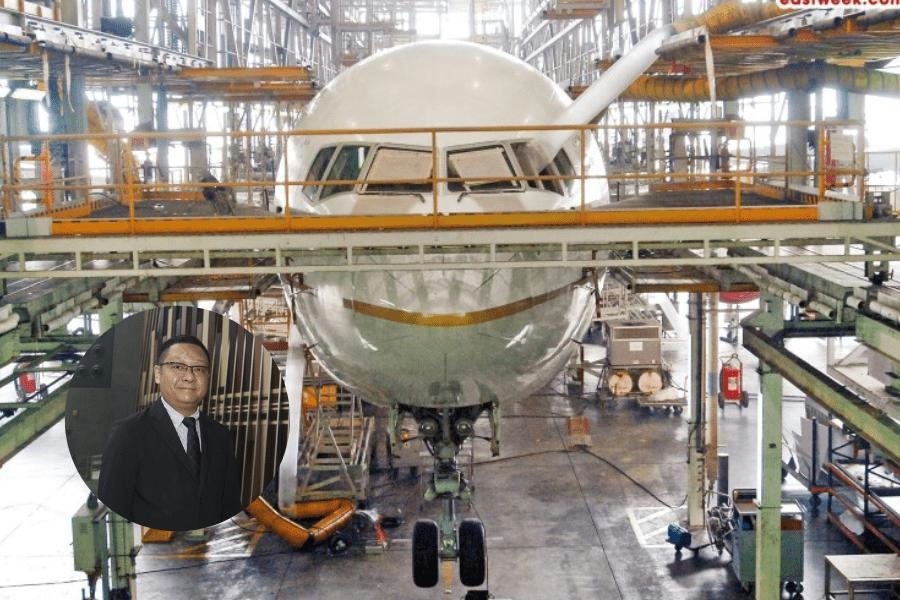
Hong Kong's Five-Year Plan Includes Andrew Fan's Aircraft Parts Processing Hub Proposal
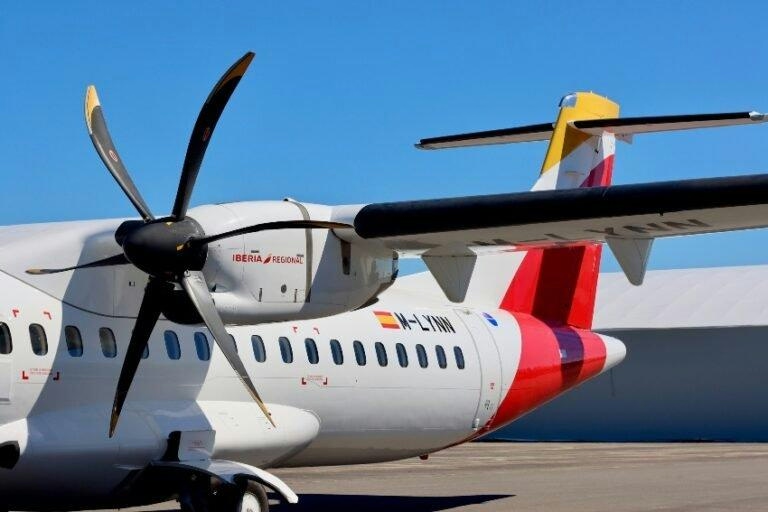
ACIA Aero Leasing Delivers ATR72-600 to Air Nostrum
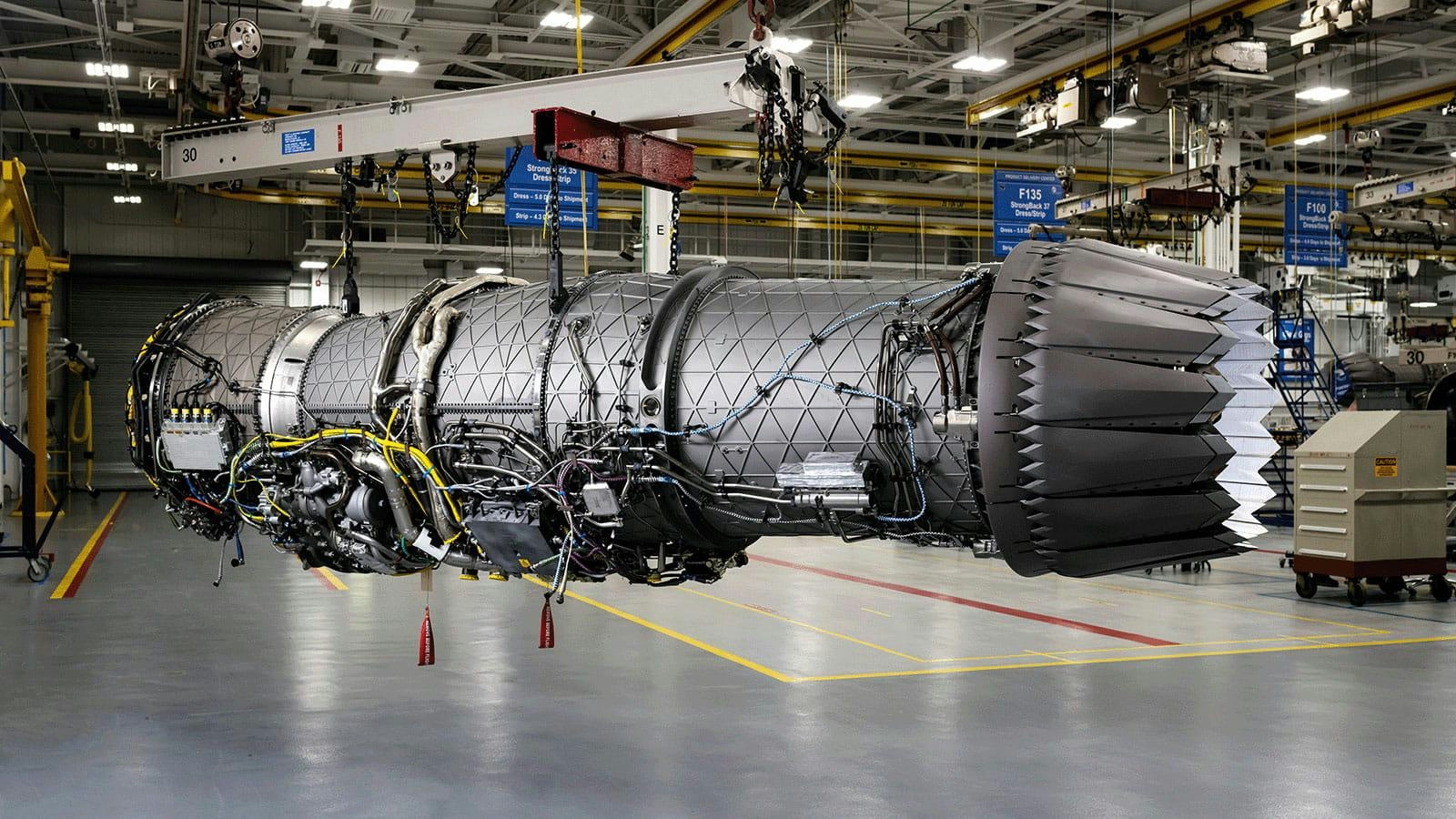
RTX Appoints Jill Albertelli as Head of Pratt & Whitney
TAT Technologies Joins Beyond Aero Hydrogen Aircraft Program
AURAK Study Highlights Barriers to Air Taxi Adoption in Emerging Economies
Xiamen Air Selects Altitude for 787 Maintenance at Heathrow
Etihad and Swissport Extend Global Partnership
