
Превращайте аналитические выводы ИИ в реальные действия

В тренде
Categories
Kissimmee Gateway Airport: Where Advanced Air Mobility Lands

Kissimmee Gateway Airport: A Hub for Advanced Air Mobility Innovation
Kissimmee Gateway Airport is rapidly establishing itself as a central player in the advancement of electric vertical takeoff and landing (eVTOL) technology and next-generation transportation in Central Florida. By integrating innovation, aviation, and economic development, the airport is spearheading efforts to transform electric air mobility, positioning the region for a future defined by sustainable aviation and enhanced regional connectivity.
Strategic Location and Infrastructure
Situated in the heart of Central Florida, Kissimmee Gateway Airport benefits from its proximity to major population centers, key visitor destinations, and innovation hubs such as NeoCity. This advantageous location situates the airport at the crossroads of aerospace, smart mobility, and technology-driven growth, making it an ideal site for the development and deployment of advanced air mobility solutions. As eVTOL aircraft approach commercial viability, the airport offers a conducive operational environment, with infrastructure and a regional ecosystem capable of supporting testing, deployment, maintenance, and training activities essential to the sector’s growth.
The airport’s commitment to fostering aerospace innovation aligns closely with the city’s broader economic objectives, which emphasize attracting high-value industries, enhancing mobility solutions, and building long-term economic resilience and competitiveness. Kissimmee Gateway Airport’s role in this emerging industry underscores its ambition to be a catalyst for regional economic development and technological progress.
Challenges and Competitive Landscape
Despite its promising prospects, Kissimmee Gateway Airport faces several challenges on the path to becoming a leading advanced air mobility hub. Regulatory frameworks for eVTOL operations are still evolving, and the airport must navigate potential hurdles as authorities establish new guidelines to govern this nascent sector. Additionally, competition is intensifying among regional airports, many of which are investing in their own advanced air mobility capabilities to attract similar business and innovation opportunities. This competitive environment may lead to a race to secure dominance in the emerging market.
Technological integration also presents significant challenges. The adoption of new systems and infrastructure must be carefully aligned with evolving industry standards and stringent safety requirements. Furthermore, there is a degree of skepticism within traditional aviation circles regarding the rapid introduction of these new technologies and their potential impact on established operations, which could influence market acceptance and regulatory decisions.
Commitment to Future Growth
In spite of these obstacles, Kissimmee Gateway Airport remains steadfast in its dedication to advancing smart mobility and aerospace innovation. By leveraging its strategic advantages and proactively addressing industry concerns, the airport aims to play a pivotal role in shaping the future of advanced air mobility not only in Central Florida but also on a broader scale. Its efforts reflect a commitment to fostering a sustainable, innovative aviation ecosystem that supports economic growth and technological leadership in the years ahead.

Etihad and Swissport Extend Global Partnership
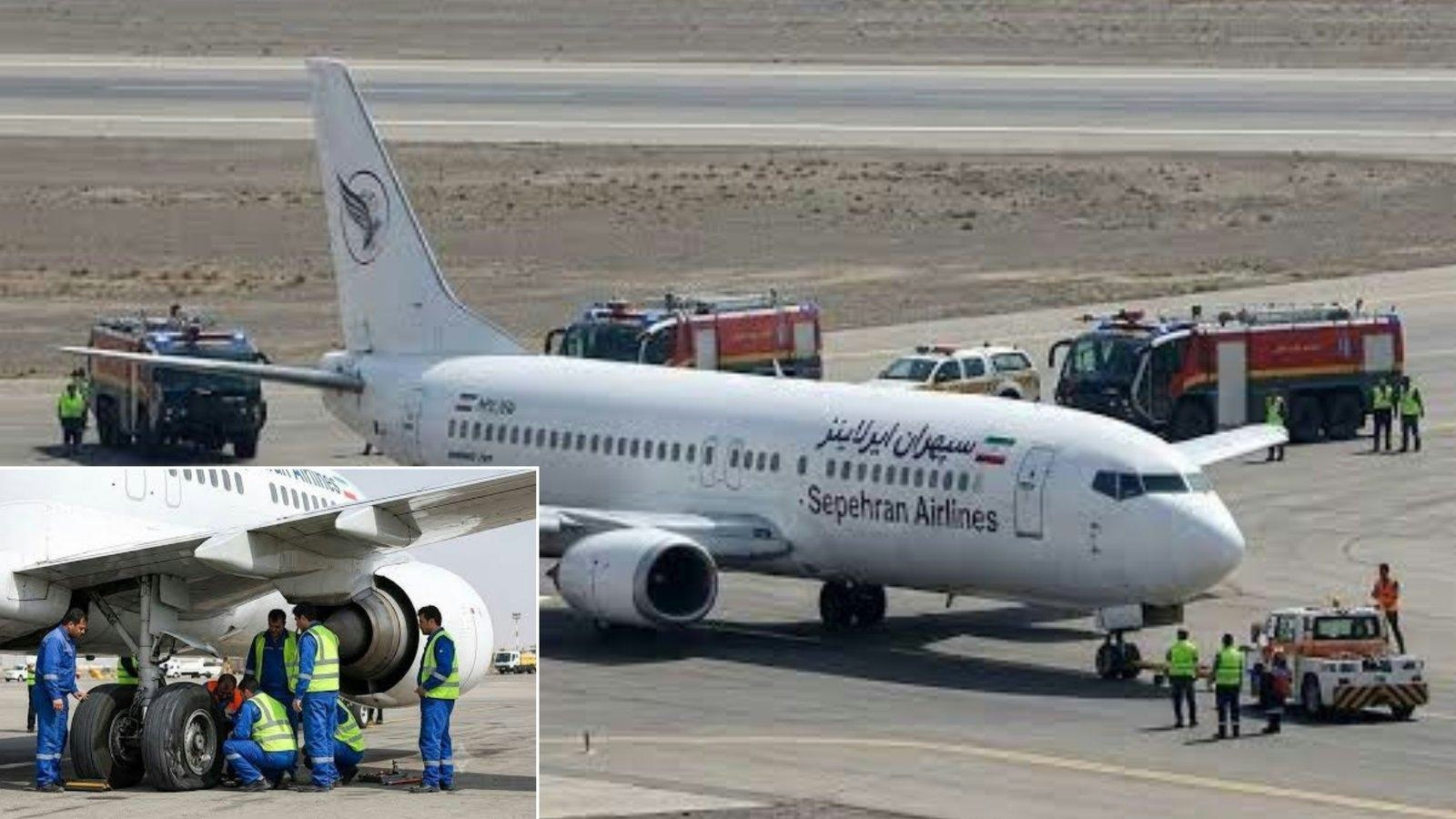
Sepehran Airlines B737 Returns to Mashhad After Tyre and Engine Issues

Etihad Deploys Widebody Fleet to Meet Strong Demand

Korean Air Finalizes $36.2 Billion Deal with Boeing
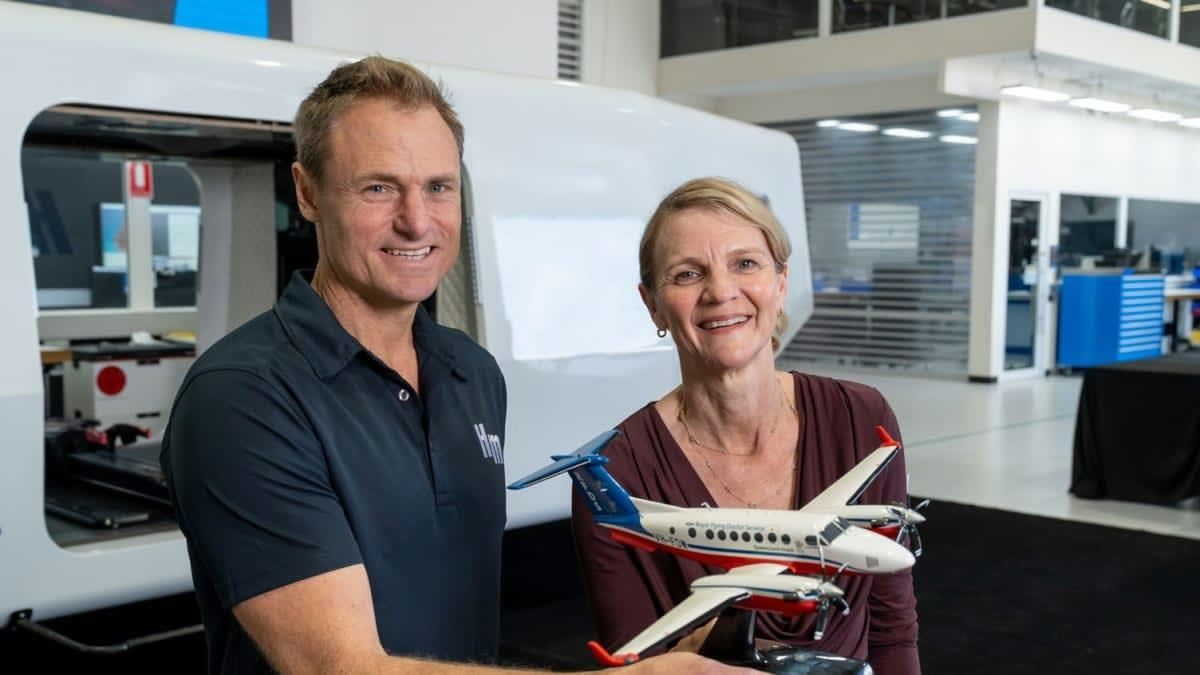
Australia’s RFDS Queensland Section Orders Six King Air 260Cs

Korean Air Finalizes Order for 103 Boeing Jets and Engines

Embraer E195-E2 Features Distinctive Engine Placement Among Regional Jets

What Passengers Can Expect on Boeing’s New 777X Jet

How Ethiopian Airlines Became Africa’s Leading Carrier Amid Gulf Competition

Joby Aviation Extends Autonomous Flight Capabilities with Cross-Country Tour
