
Превращайте аналитические выводы ИИ в реальные действия

В тренде
Categories
Local Suppliers Prevent Jet Fuel Shortage at Four Italian Airports
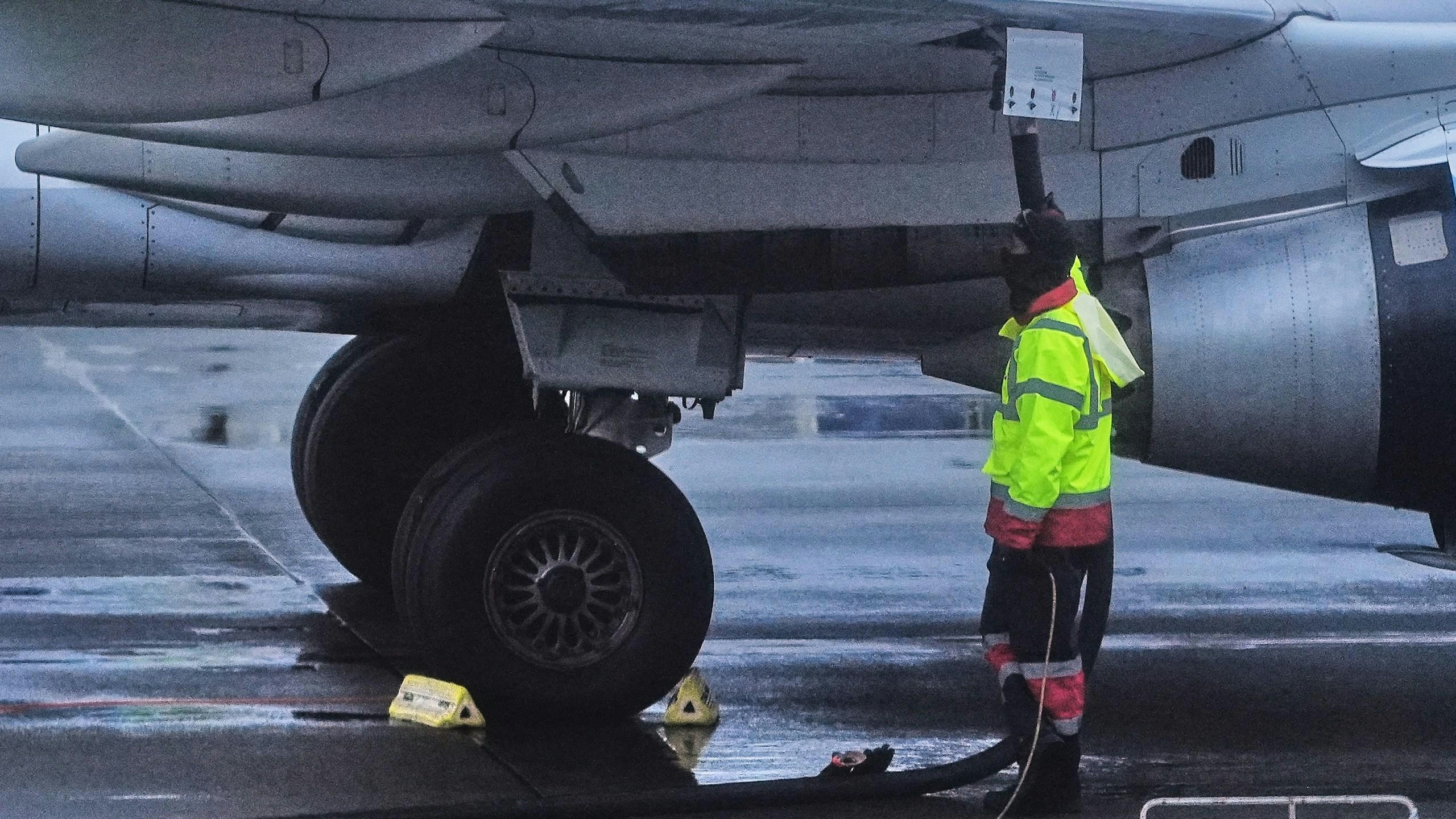
Local Suppliers Prevent Jet Fuel Shortage at Four Italian Airports
Local suppliers have successfully averted a jet fuel shortage at four major Italian airports, ensuring operational stability during the critical Easter holiday travel period. Bologna, Milan Linate, Treviso, and Venice airports faced significant challenges after Air BP Italia, the dominant regional supplier, imposed refueling caps through April 9, 2026. This restriction, introduced amid peak demand, raised immediate concerns among airlines and airport authorities about potential disruptions.
Initial Alarm and Broader Supply Chain Vulnerabilities
The announcement of “limited availability” of Jet A-1 fuel prioritized refueling for medical, government, and long-haul flights, while short-haul European routes were advised to seek alternative fueling options. This directive intensified pressure on already constrained fuel reserves and attracted international attention. Media coverage linked Italy’s jet fuel constraints to wider supply chain tensions driven by the ongoing Middle East conflict and rising global oil prices.
These challenges at Italian airports reflect deeper vulnerabilities within Europe’s aviation fuel supply network. The Middle East conflict has precipitated a continent-wide jet fuel crisis, prompting restrictions at multiple airports and leading to flight cancellations. The International Air Transport Association (IATA) has highlighted Europe’s heavy dependence on imported jet fuel as a critical risk factor. Analysts warn that continued geopolitical instability could extend disruptions to other regions, including the West Coast of the United States.
Simultaneously, Asia is experiencing its own jet fuel supply pressures, exacerbated by export restrictions from major suppliers such as China. These global dynamics have tightened inventories despite relatively stable headline reserves in Europe. Industry experts note that multinational suppliers often implement stricter allocation policies during periods of uncertainty, which can intensify local shortages even when overall stocks appear sufficient.
Local Suppliers Step In to Stabilize Operations
In response to these pressures, regional fuel providers operating alongside Air BP Italia played a pivotal role in stabilizing onsite fuel reserves. Although typically holding smaller market shares, these local companies rapidly increased deliveries and accelerated storage drawdowns to compensate for Air BP’s reduced allocations. Ground handling teams swiftly reassigned fueling contracts, reducing reliance on a single supplier and enabling aircraft to complete turnarounds without diversion.
Several airlines transitioned to alternative providers within the same airport facilities, underscoring the importance of a competitive supplier network. Additionally, carriers employed tankering strategies—carrying extra fuel from less-affected airports to rationed locations—to alleviate immediate supply constraints. This diversified approach prevented widespread cancellations and mass delays, allowing operations to continue with only schedule adjustments and extended ground handling times for certain flights.
Ripple Effects and Ongoing Risks
The fuel restrictions prompted increased traffic at secondary airports across Italy, as carriers sought alternative refueling points. While this redistribution helped mitigate shortages at the primary airports, it also rapidly depleted reserves at smaller facilities, some of which were compelled to implement their own allocation measures and update advisories. This situation highlights how concentrated holiday travel can exacerbate supply vulnerabilities throughout the network.
Although coordinated efforts among operators, suppliers, and airlines prevented severe disruptions in Italy, the episode underscores the aviation industry’s persistent exposure to global supply chain shocks and escalating fuel costs. Despite localized successes, broader challenges remain, leaving Europe’s—and the global—aviation networks vulnerable amid ongoing geopolitical and market pressures.

Etihad Airways Suspends Airbus A380 Flights on Key Route

Aditya Birla Group Seeks Approval for Aircraft Leasing in GIFT City

Qatar Airways Highlights Innovation and Connectivity at Arabian Travel Market 2026

Hong Kong's Five-Year Plan Includes Andrew Fan's Aircraft Parts Processing Hub Proposal

ACIA Aero Leasing Delivers ATR72-600 to Air Nostrum

RTX Appoints Jill Albertelli as Head of Pratt & Whitney

TAT Technologies Joins Beyond Aero Hydrogen Aircraft Program

AURAK Study Highlights Barriers to Air Taxi Adoption in Emerging Economies

Xiamen Air Selects Altitude for 787 Maintenance at Heathrow

Etihad and Swissport Extend Global Partnership
