
Превращайте аналитические выводы ИИ в реальные действия

В тренде
Categories
Malaysia Plane Aborts Takeoff After Engine Fire, Runway Closed for Hours
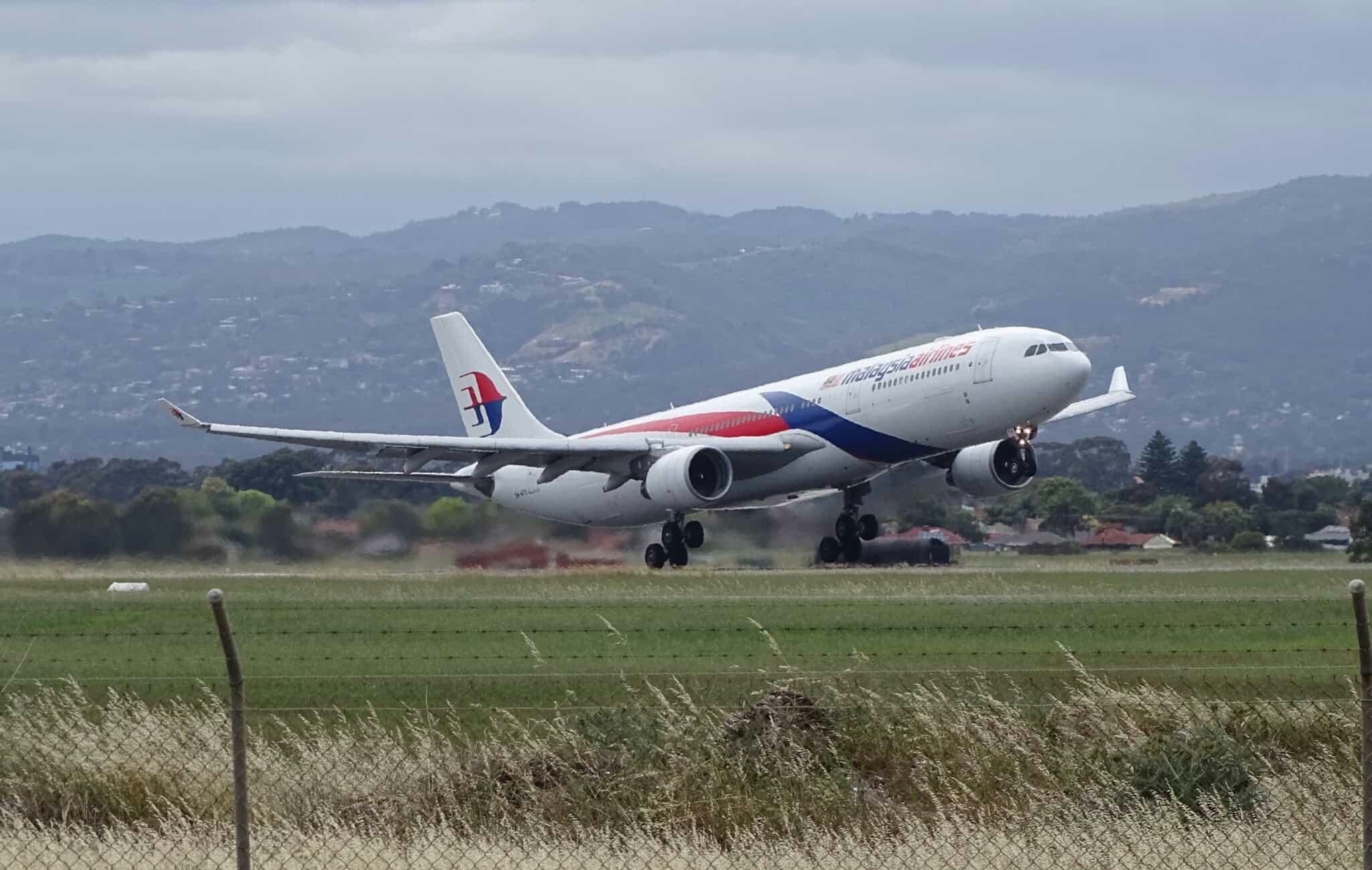
Malaysia Airlines Flight Aborts Takeoff Following Engine Fire at Tokyo Narita Airport
Malaysia Airlines flight MH89, bound for Kuala Lumpur, was compelled to abort its takeoff at Tokyo’s Narita International Airport on August 20 after a fire erupted in its left engine. The incident led to the closure of a major runway for over two hours, significantly disrupting airport operations.
Incident Details and Emergency Response
The Airbus A330-300, registered as 9M-MTK, was accelerating down runway 16R when the flight crew rejected takeoff at approximately 30 knots. Reports from the Aviation Herald indicate that the aircraft’s left Pratt & Whitney PW4168 engine emitted flames and smoke, accompanied by a loss of power. This thrust imbalance caused the plane to veer left; however, the pilots successfully maintained control, keeping the aircraft on the runway and returning it to the centerline. The plane remained stationary for about an hour before taxiing back to the apron.
At around 10:40 a.m. local time, black smoke was observed billowing from the rear of the engine, according to Japan’s transport ministry as reported by Kyodo News. Emergency services responded promptly, with at least six airport fire and rescue vehicles surrounding the aircraft. Narita’s Runway A was closed for safety inspections, resulting in a disruption lasting approximately two and a half hours.
Passenger Safety and Airline Response
None of the 160 passengers and crew aboard were injured during the incident. Malaysia Airlines issued a statement confirming the event, describing it as a “technical issue involving one of the engines” and announcing the cancellation of the flight. The airline confirmed that the aircraft is currently undergoing a comprehensive technical inspection. To date, neither Malaysia Airlines nor Japanese authorities have determined the cause of the engine failure.
Passengers affected by the disruption are being assisted with alternative travel arrangements, including rebooking on subsequent flights to Kuala Lumpur. The airline is providing meals, lounge access, and hotel accommodations where necessary, emphasizing that the safety and well-being of passengers and crew remain its highest priority.
Broader Context and Industry Implications
This incident occurs amid a challenging period for Malaysia Airlines, which has faced soaring fuel costs—more than doubling its fuel expenses this year due to ongoing conflicts in the Middle East. These financial pressures have tightened profit margins and increased operational difficulties for the carrier. The aborted takeoff and engine fire are expected to intensify scrutiny of Malaysia Airlines’ safety protocols and may contribute to heightened passenger concerns.
Industry analysts suggest that competing airlines may respond by reinforcing their own safety measures and launching public relations efforts to reassure travelers about their operational standards. As investigations into the engine failure continue, Malaysia Airlines has expressed regret for the disruption and reaffirmed its commitment to passenger safety during a turbulent time for the aviation sector.

Etihad and Swissport Extend Global Partnership
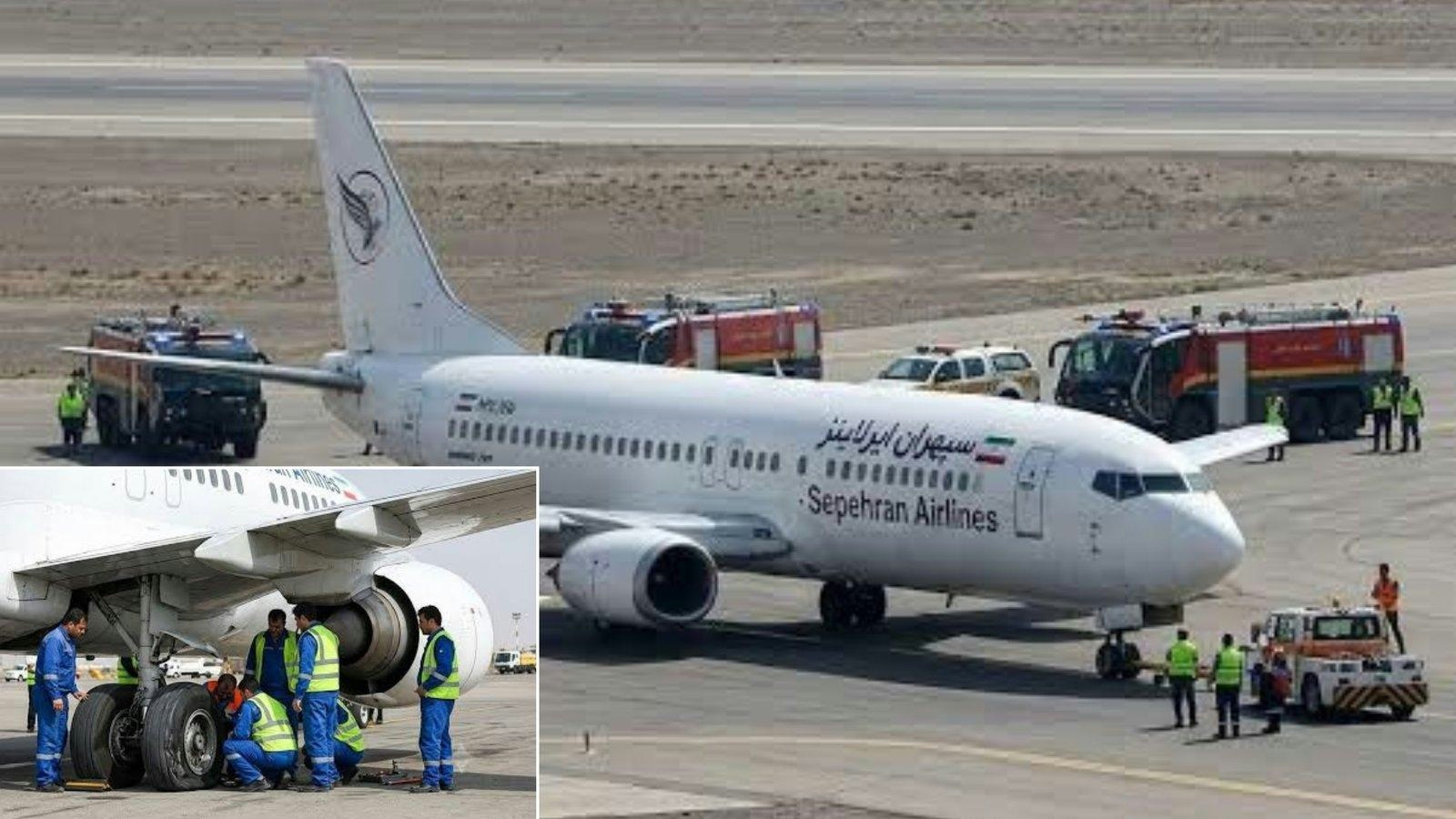
Sepehran Airlines B737 Returns to Mashhad After Tyre and Engine Issues

Etihad Deploys Widebody Fleet to Meet Strong Demand
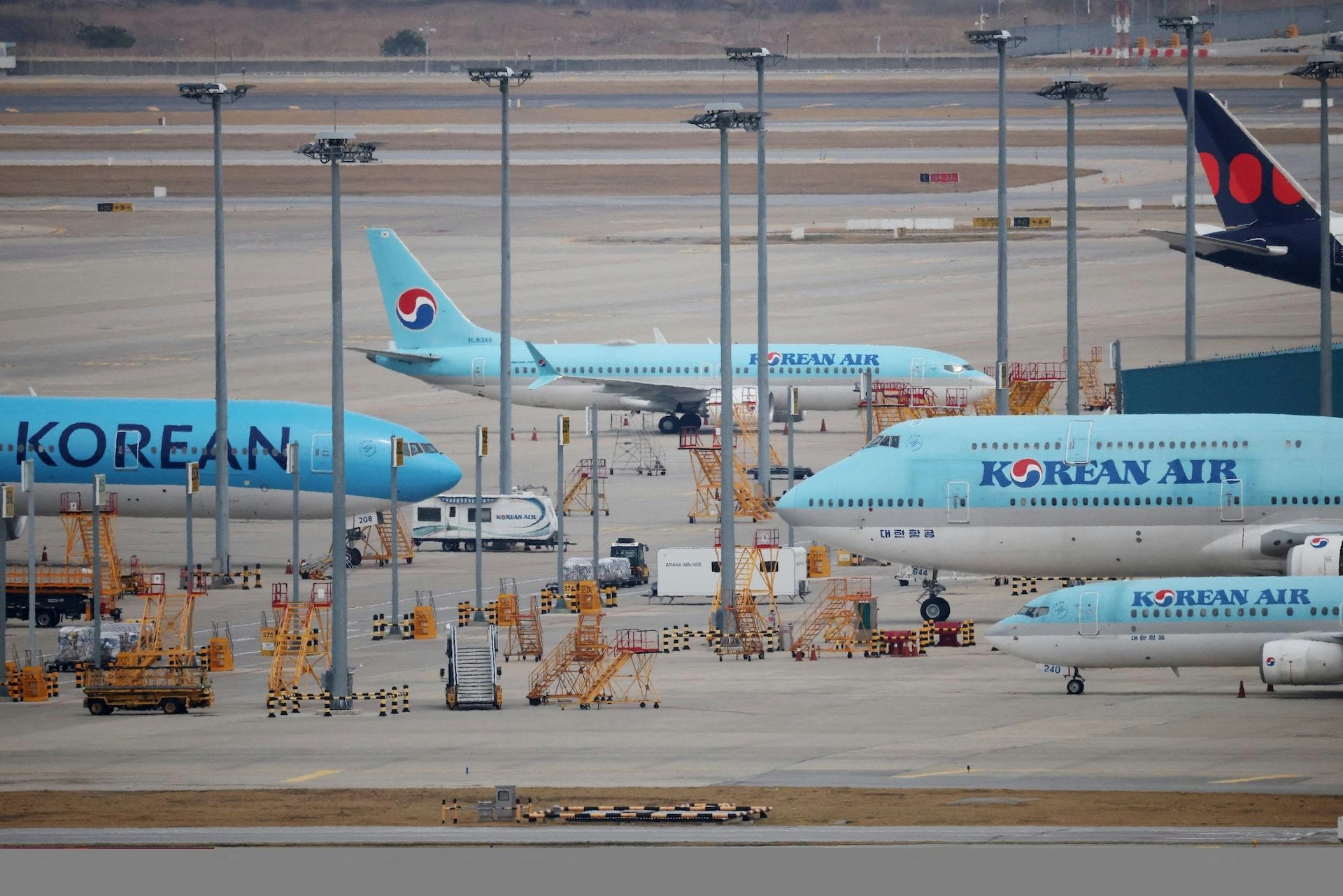
Korean Air Finalizes $36.2 Billion Deal with Boeing

Australia’s RFDS Queensland Section Orders Six King Air 260Cs

Korean Air Finalizes Order for 103 Boeing Jets and Engines
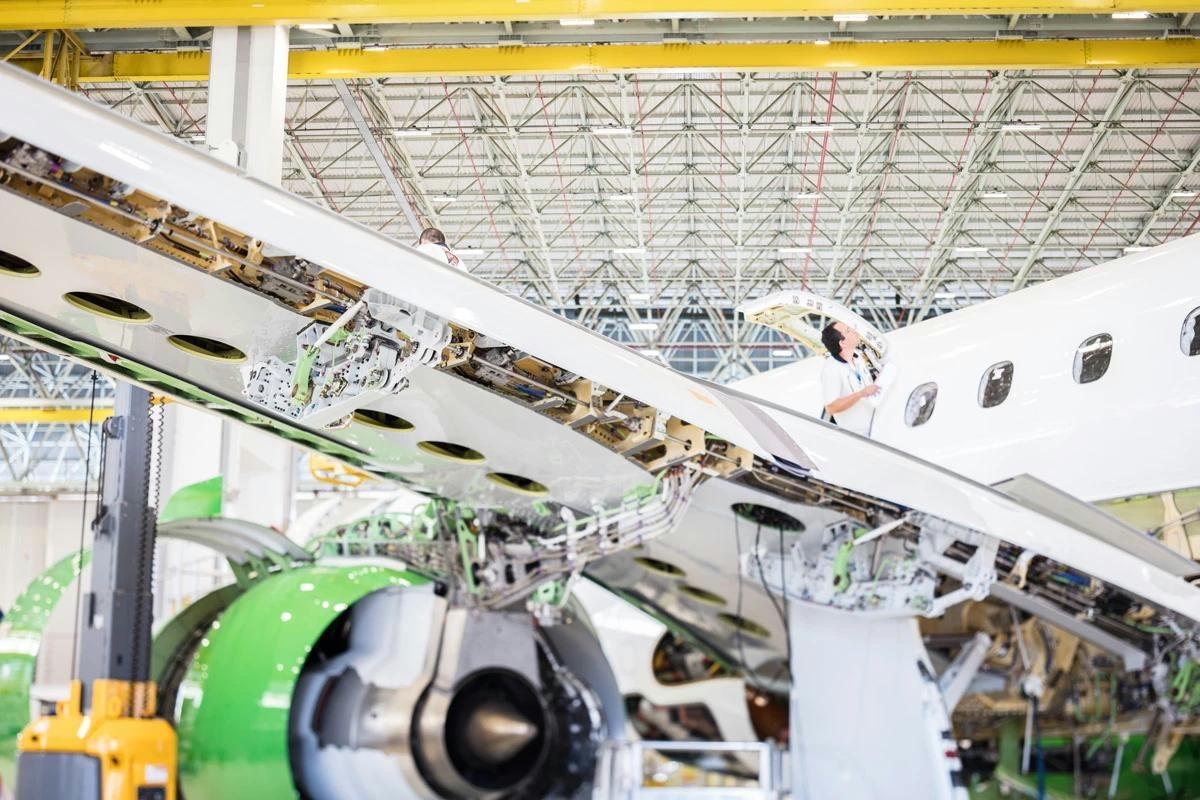
Embraer E195-E2 Features Distinctive Engine Placement Among Regional Jets

What Passengers Can Expect on Boeing’s New 777X Jet

How Ethiopian Airlines Became Africa’s Leading Carrier Amid Gulf Competition
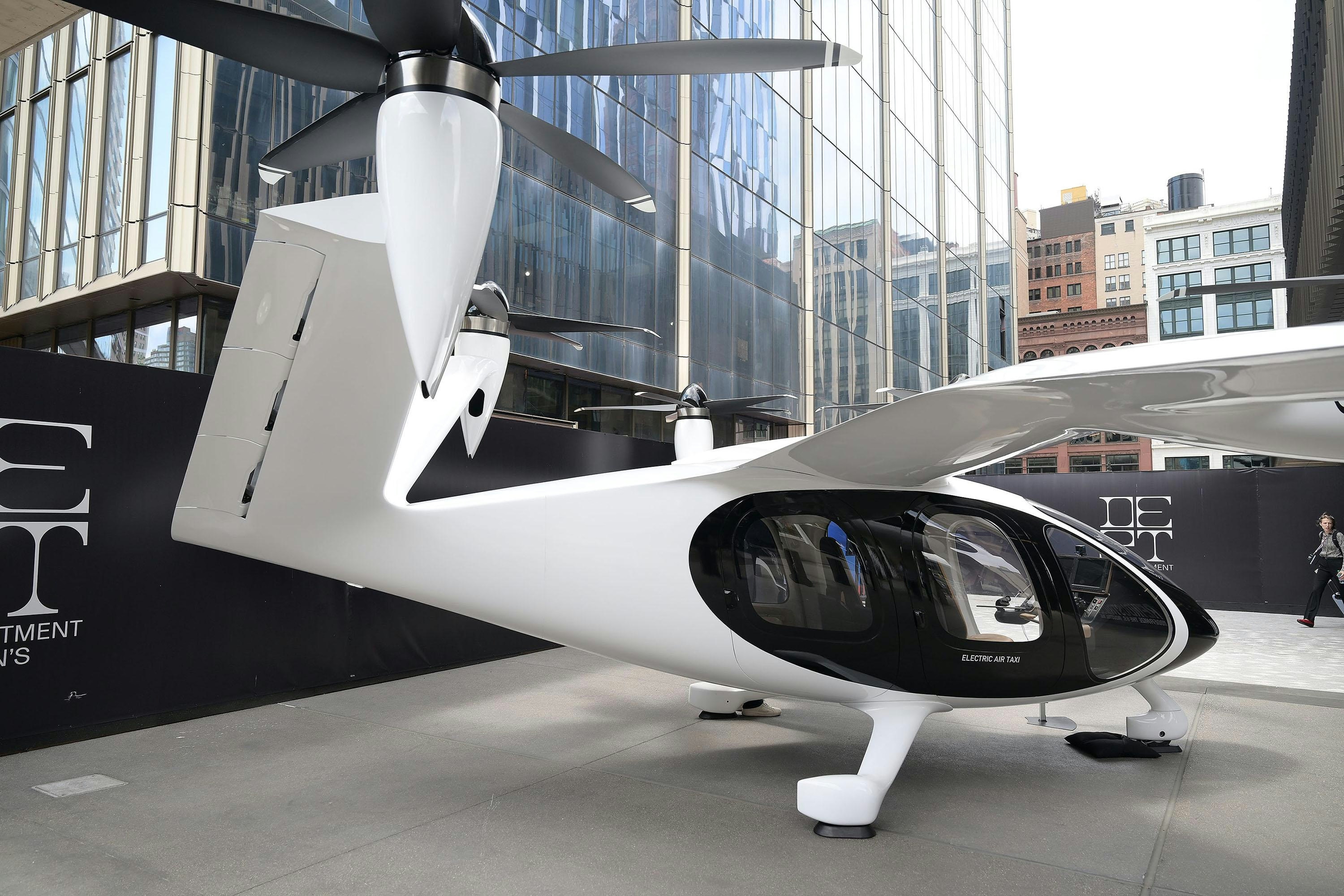
Joby Aviation Extends Autonomous Flight Capabilities with Cross-Country Tour
