
Превращайте аналитические выводы ИИ в реальные действия

В тренде
Categories
Malaysia Plans New Aviation Rules to Support Aerospace Growth, Says Loke
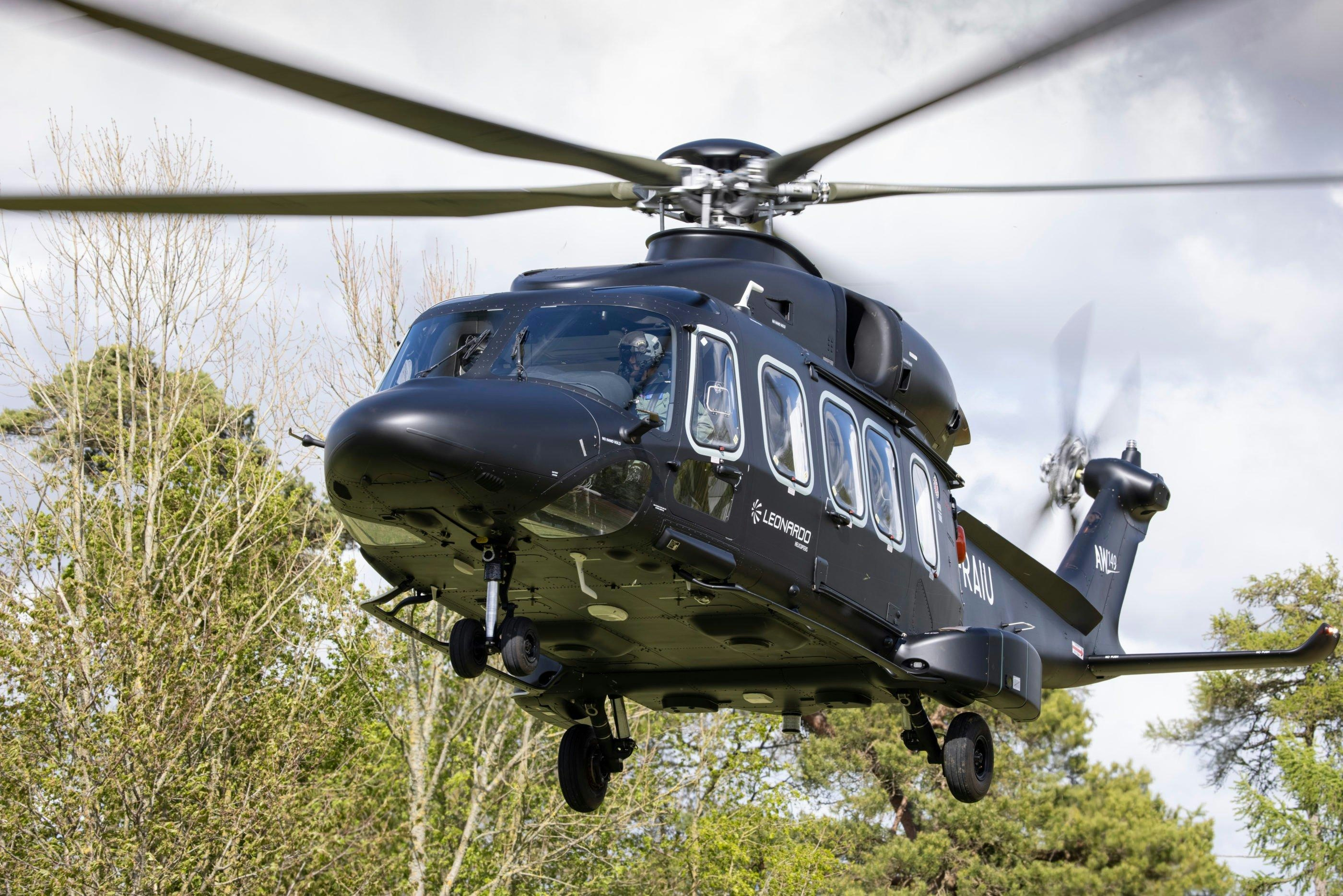
Malaysia to Introduce New Aviation Regulations to Propel Aerospace Industry
Regulatory Framework to Support Low-Altitude Economy
Malaysia is set to implement a new regulatory framework for the low-altitude economy by the end of this year, a move designed to accelerate the country’s ambitions of becoming a leading aerospace hub in the region. Transport Minister Anthony Loke announced the initiative during the groundbreaking ceremony for the Subang MRO Logistics Complex at Subang Aerotech Park. He revealed that the Civil Aviation Authority of Malaysia (CAAM) has been tasked with developing the framework following discussions at the recent Low Altitude Economy Forum.
Loke emphasized that the forthcoming regulations will complement the Malaysia Aerospace Industry Blueprint 2030, facilitating the growth of emerging aviation technologies and industries. He underscored the significant potential within Malaysia’s aerospace sector, particularly in maintenance, repair, and overhaul (MRO) services, which continue to experience strong demand across the Asia-Pacific region. “There is no need to put a limit or cap on our target. The potential of Malaysia’s aerospace industry, especially in the MRO segment, is huge,” Loke stated, noting that the country must now fully leverage its strategic advantages.
Expanding Aerospace Industry and Economic Impact
Currently, Malaysia’s aerospace industry generates approximately RM32.5 billion in annual revenue and supports over 35,000 highly skilled jobs. The Asia-Pacific MRO market is projected to surpass US$60 billion by 2030, with Malaysia already ranked third in the region and fourth globally for business aviation MRO activities. Despite these achievements, Loke highlighted the necessity for ongoing investment in infrastructure, talent development, and technology to sustain and enhance the country’s competitive position.
The new regulatory framework is expected to stimulate increased business for key industry players such as ExecuJet and Collins Aerospace, as demand for maintenance services grows. However, the sector faces challenges including the need for substantial investment in workforce training and infrastructure. Additionally, regional competitors are likely to respond by upgrading their own aviation facilities, intensifying competition within the industry.
Loke also pointed to the rising importance of aviation to Malaysia’s broader economy, noting that the value of the country’s air trade reached RM644.08 billion in the first five months of 2026, surpassing sea freight, which stood at RM618.02 billion during the same period.
International Collaboration and Sustainability Focus
Sustainability remains a critical consideration as Malaysia seeks to align its aerospace growth with global decarbonization goals. Balancing industry expansion with environmental commitments presents ongoing challenges that will require careful management.
On the international front, Loke expressed gratitude to the Japanese Embassy and Japanese corporations for their continued confidence in Malaysia’s aviation and logistics sectors. He highlighted the expanding collaboration with Japan’s Mitsui Fudosan Group, which now extends beyond the Subang MRO Logistics Complex to include the transformation of the Lalaport development into a transport-oriented city hub. “We have been working very closely with Japan, and I sincerely hope we can further strengthen this cooperation through projects like these to promote greater investment and growth in the aerospace sector,” Loke remarked.
The Subang MRO Logistics Complex, a joint venture between Malaysia Airports and Mitsui Fudosan Group, is anticipated to enhance Malaysia’s aerospace ecosystem by improving logistics infrastructure, facilitating technology transfer, and expanding regional MRO capacity.

Etihad and Swissport Extend Global Partnership
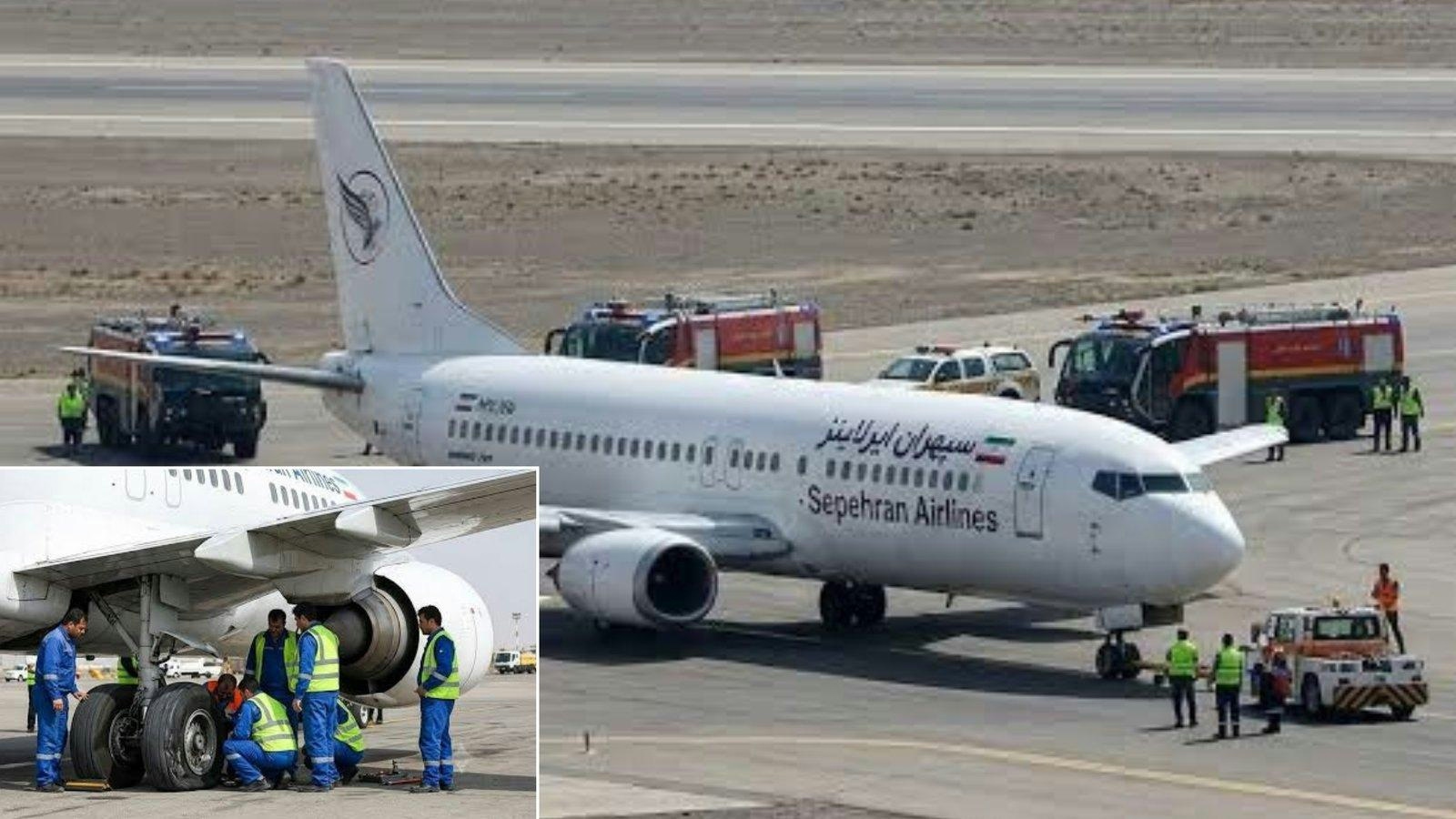
Sepehran Airlines B737 Returns to Mashhad After Tyre and Engine Issues

Etihad Deploys Widebody Fleet to Meet Strong Demand
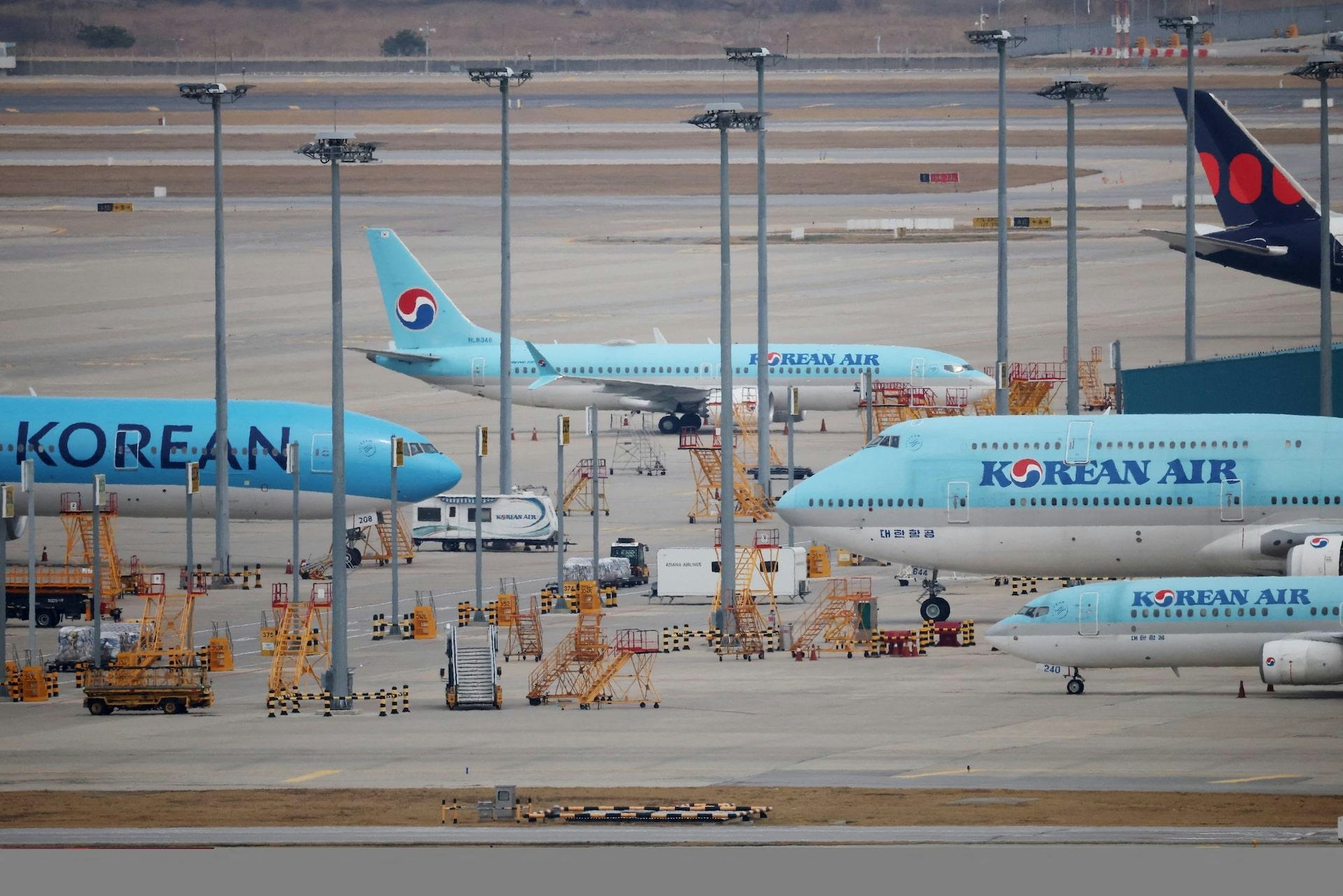
Korean Air Finalizes $36.2 Billion Deal with Boeing
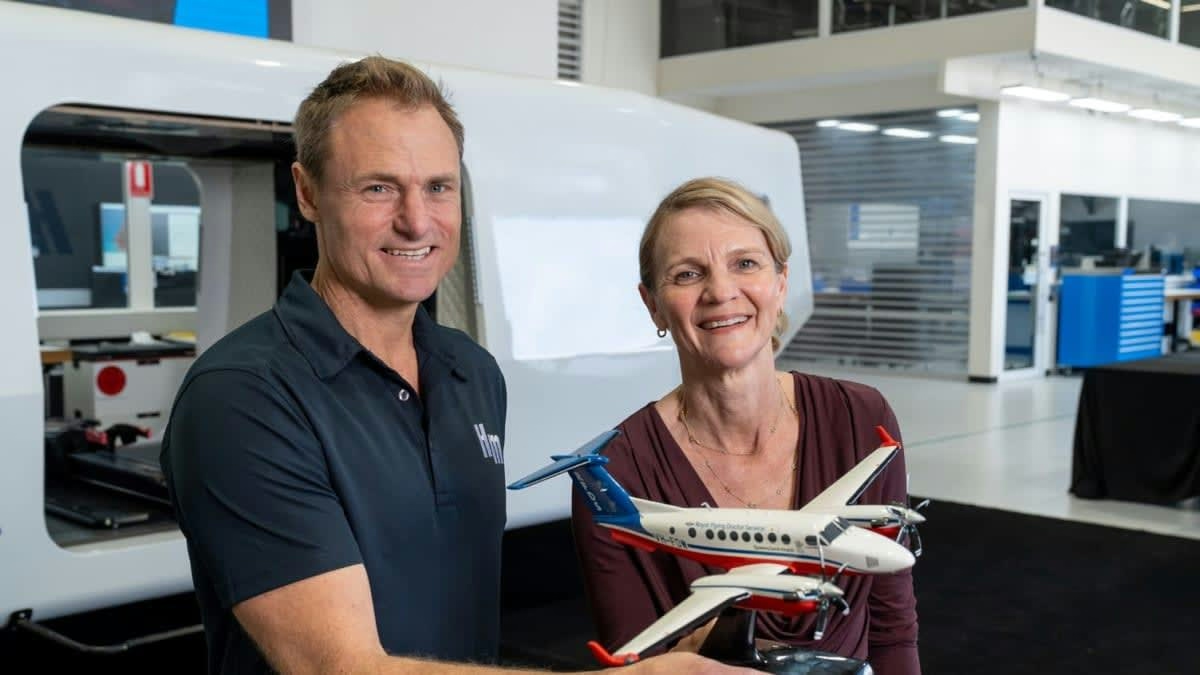
Australia’s RFDS Queensland Section Orders Six King Air 260Cs

Korean Air Finalizes Order for 103 Boeing Jets and Engines
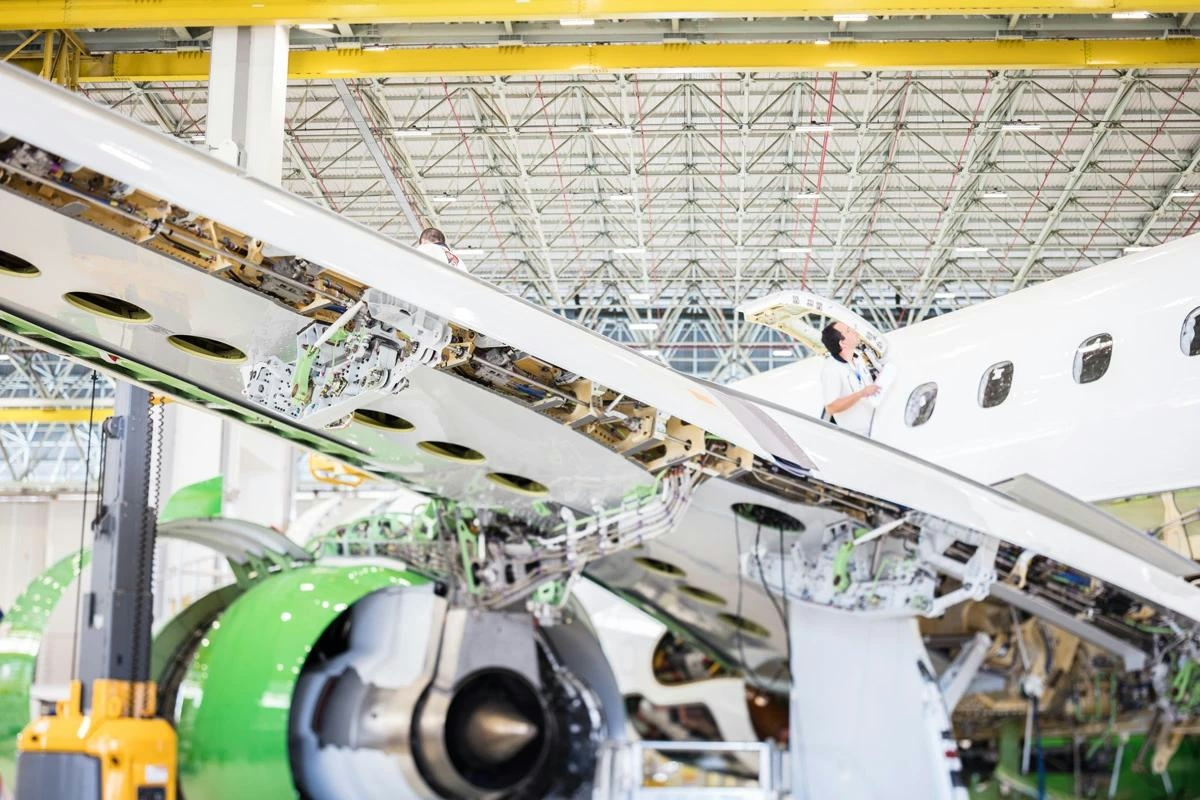
Embraer E195-E2 Features Distinctive Engine Placement Among Regional Jets
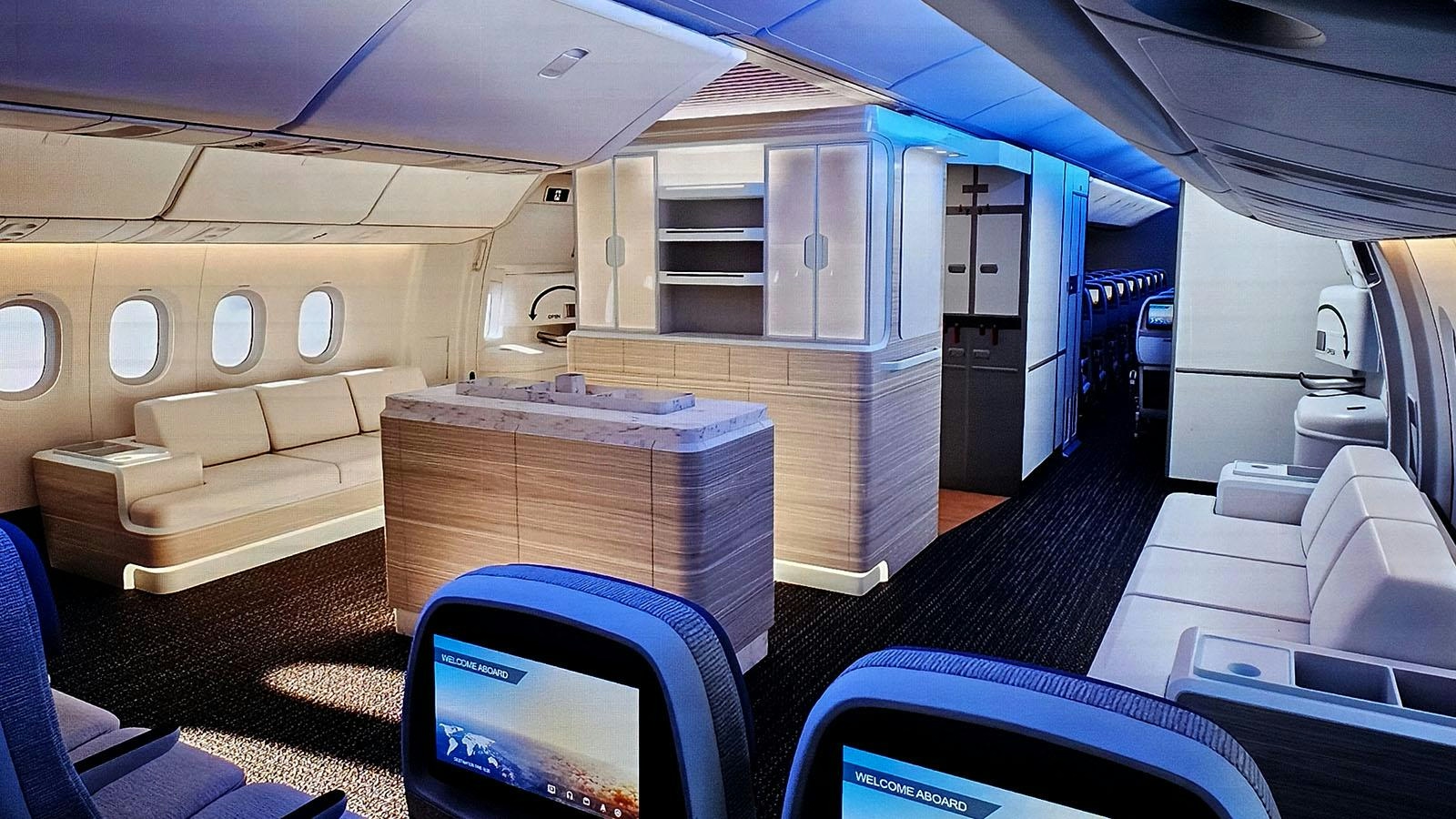
What Passengers Can Expect on Boeing’s New 777X Jet

How Ethiopian Airlines Became Africa’s Leading Carrier Amid Gulf Competition
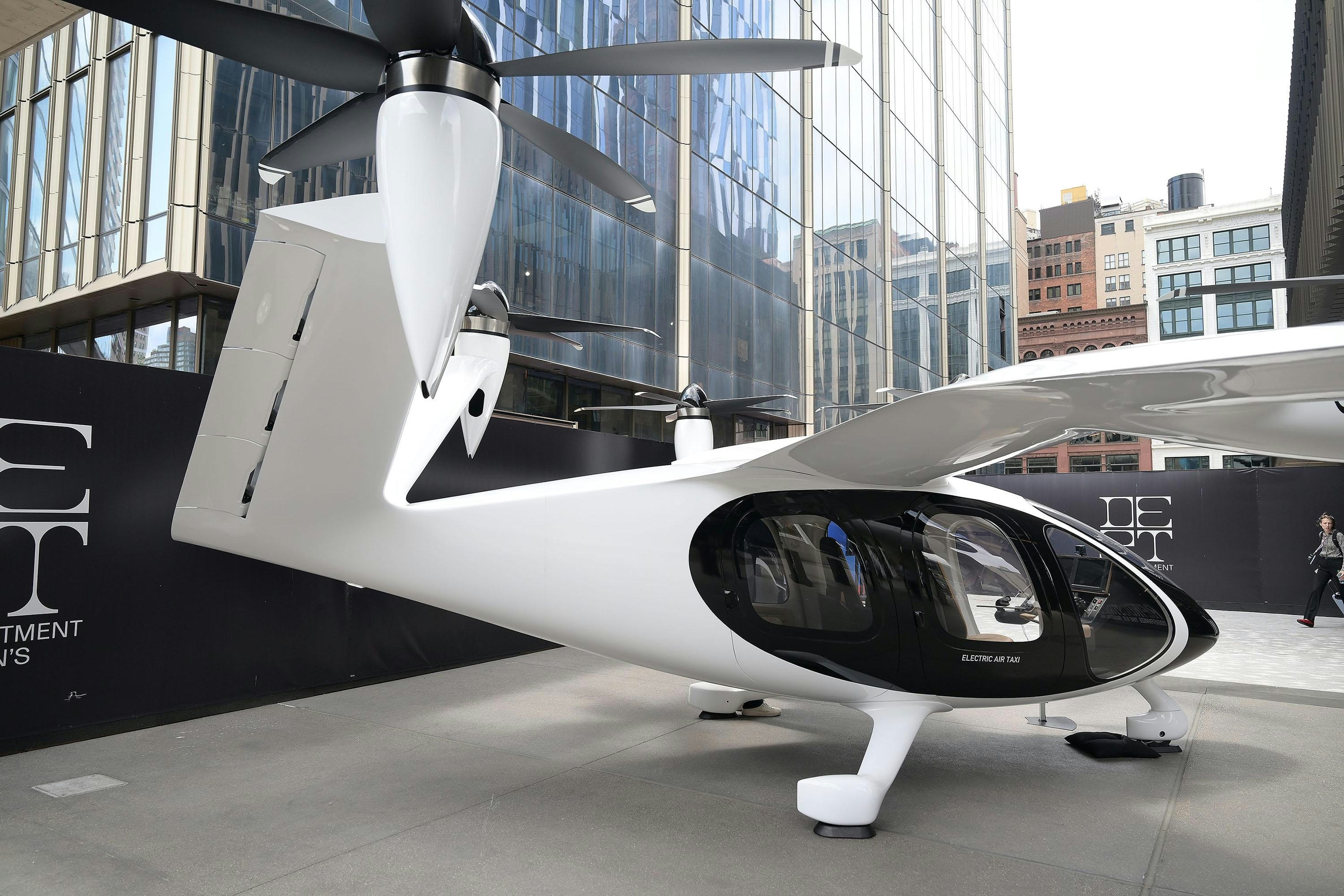
Joby Aviation Extends Autonomous Flight Capabilities with Cross-Country Tour
