
Превращайте аналитические выводы ИИ в реальные действия

В тренде
Categories
Pam Frampton on Airlines, Artificial Intelligence, and Fair Competition
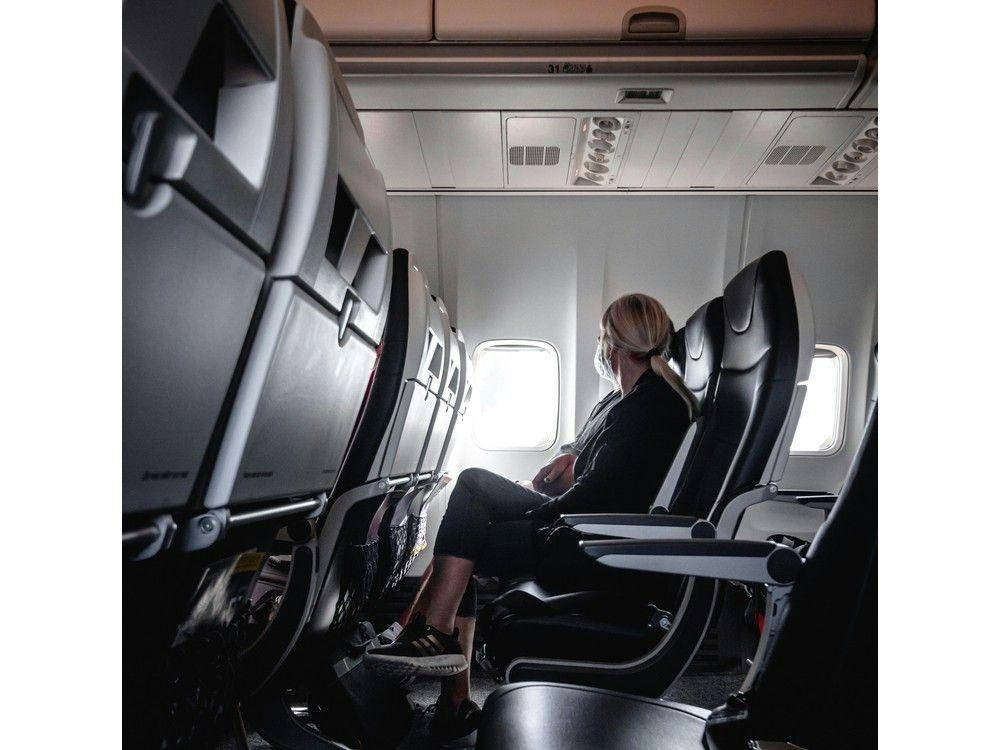
Pam Frampton on Airlines, Artificial Intelligence, and Fair Competition
Dynamic Pricing and the Airline Industry
WestJet’s upgrade portal exemplifies the evolving customer experience in the airline sector through its innovative pricing model. Travelers are offered the option to bid between $250 and $650 per person for an upgrade on the first leg of their journey, with a response time of up to 72 hours. Alternatively, passengers can opt for an immediate upgrade by paying an additional $1,440, subject to seat availability. This dual approach highlights the broader industry trend toward dynamic pricing and the integration of digital platforms to enhance revenue management and customer choice.
Economic Uncertainty and Market Volatility
Looking ahead to 2026, airlines are expected to confront a challenging economic environment characterized by increased market volatility. Divergent signals from the Federal Reserve and inconsistent economic data are likely to undermine investor confidence and affect stock market performance, thereby introducing uncertainty into the sector. These economic pressures coincide with a significant wave of initial public offerings (IPOs) in the technology industry, particularly in the field of artificial intelligence. High-profile companies such as SpaceX, Anthropic, and OpenAI are anticipated to raise upwards of $20 billion each, a development that may intensify competition and attract heightened regulatory attention.
The Impact of Artificial Intelligence on Competition
The rise of artificial intelligence presents a complex array of opportunities and challenges for airlines and other industries. In response to the influx of capital and innovation driven by AI-focused IPOs, competitors may seek to invest strategically in AI technologies to preserve or improve their market positions. However, the rapid advancement of AI also raises significant concerns regarding fair competition. Established technology giants like Amazon, Alphabet, and Nvidia have constructed formidable "AI moats"—barriers that could inhibit innovation and restrict market access for smaller firms.
The intersection of economic policy, technological progress, and market forces is poised to further complicate the competitive landscape. As airlines and other sectors adapt to these evolving conditions, the imperative for transparent business practices and robust regulatory oversight becomes increasingly critical. The dynamic relationship between airlines, artificial intelligence, and fair competition underscores the necessity for vigilance and adaptability in navigating an increasingly complex global market.

Etihad Airways Suspends Airbus A380 Flights on Key Route

Aditya Birla Group Seeks Approval for Aircraft Leasing in GIFT City

Qatar Airways Highlights Innovation and Connectivity at Arabian Travel Market 2026

Hong Kong's Five-Year Plan Includes Andrew Fan's Aircraft Parts Processing Hub Proposal

ACIA Aero Leasing Delivers ATR72-600 to Air Nostrum

RTX Appoints Jill Albertelli as Head of Pratt & Whitney

TAT Technologies Joins Beyond Aero Hydrogen Aircraft Program

AURAK Study Highlights Barriers to Air Taxi Adoption in Emerging Economies

Xiamen Air Selects Altitude for 787 Maintenance at Heathrow

Etihad and Swissport Extend Global Partnership
