
Превращайте аналитические выводы ИИ в реальные действия

В тренде
Categories
PD-8 Certificate Delayed Compared to Engine Progress
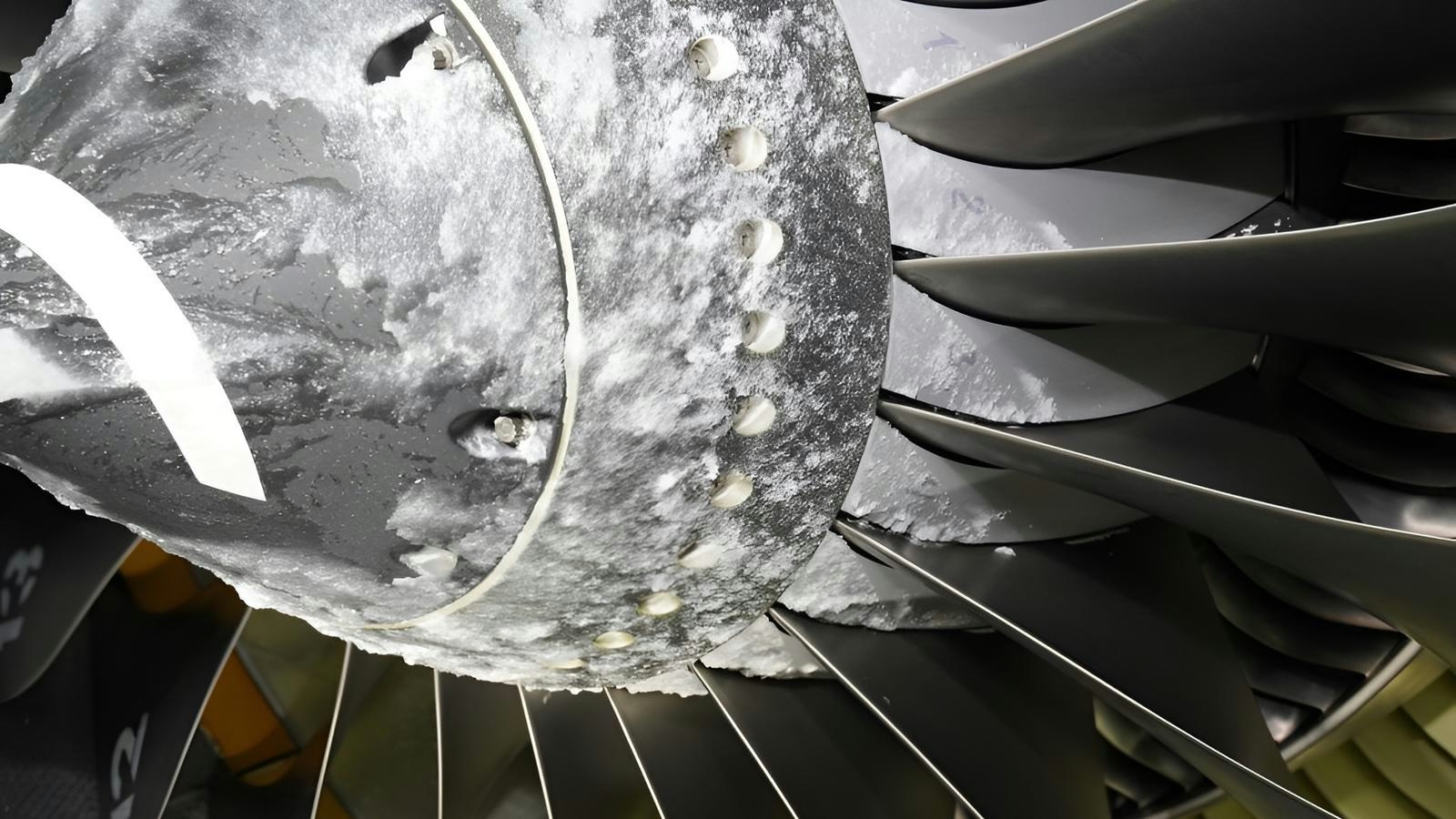
PD-8 Engine Certification Lags Behind Technical Progress, Raising Industry Concerns
The PD-8 aircraft engine has recently completed a series of tests indicating its potential to operate effectively in a wider range of conditions, particularly in low-temperature environments. Despite these promising results, the expanded operational capabilities have yet to be formally incorporated into the engine’s certification documents. Aviation expert Roman Gusarov, speaking to Pervy Tekhnichesky, emphasized that while the PD-8 has demonstrated performance beyond its initially certified parameters, official documentation confirming these advancements remains pending.
Gusarov explained that certification processes typically record only confirmed and guaranteed parameters during initial approval. Although subsequent testing can justify expanding these parameters, the formal update of certification documents often trails behind technical progress. This discrepancy underscores a common challenge in the aviation industry, where regulatory procedures must keep pace with rapid engineering developments.
Implications for the Aviation Sector and Market Dynamics
According to technical data released by Rostec, the PD-8 engine is designed to function within ambient temperatures ranging from -55°C to +50°C. Recent testing suggests that the engine’s actual operational range may surpass these specifications, particularly in supporting the operation of the SJ-100 aircraft under extreme conditions. However, the delay in updating the PD-8’s certification has significant ramifications. Aviation authorities require formal documentation before approving expanded operational use, and this lag could hinder the SJ-100 program, which depends on the PD-8 engine for its next deployment phase.
The uncertainty surrounding certification timelines has also generated concern among airlines reliant on the PD-8 engine. This ambiguity may disrupt operational planning and budgeting, potentially forcing carriers to postpone fleet upgrades or seek alternative interim solutions. In a competitive market, rival engine manufacturers could capitalize on these delays by offering certified alternatives, thereby gaining market share at the expense of United Engine.
Furthermore, the prolonged certification process poses reputational risks for United Engine, the PD-8’s manufacturer. Extended delays may erode confidence among customers and industry partners, affecting the company’s standing within the global aviation community. The situation highlights the broader challenge of synchronizing technological innovation with regulatory approval, a critical factor for maintaining competitiveness and trust in the aerospace sector.
Industry observers will be closely monitoring how swiftly United Engine can secure the necessary certification updates to align official documentation with the engine’s demonstrated capabilities.

Etihad Airways Suspends Airbus A380 Flights on Key Route

Aditya Birla Group Seeks Approval for Aircraft Leasing in GIFT City

Qatar Airways Highlights Innovation and Connectivity at Arabian Travel Market 2026

Hong Kong's Five-Year Plan Includes Andrew Fan's Aircraft Parts Processing Hub Proposal

ACIA Aero Leasing Delivers ATR72-600 to Air Nostrum

RTX Appoints Jill Albertelli as Head of Pratt & Whitney

TAT Technologies Joins Beyond Aero Hydrogen Aircraft Program

AURAK Study Highlights Barriers to Air Taxi Adoption in Emerging Economies

Xiamen Air Selects Altitude for 787 Maintenance at Heathrow

Etihad and Swissport Extend Global Partnership
