
Превращайте аналитические выводы ИИ в реальные действия

В тренде
Categories
Philippine Aviation Navigates Expansion and Costs Amid Fuel Price Volatility
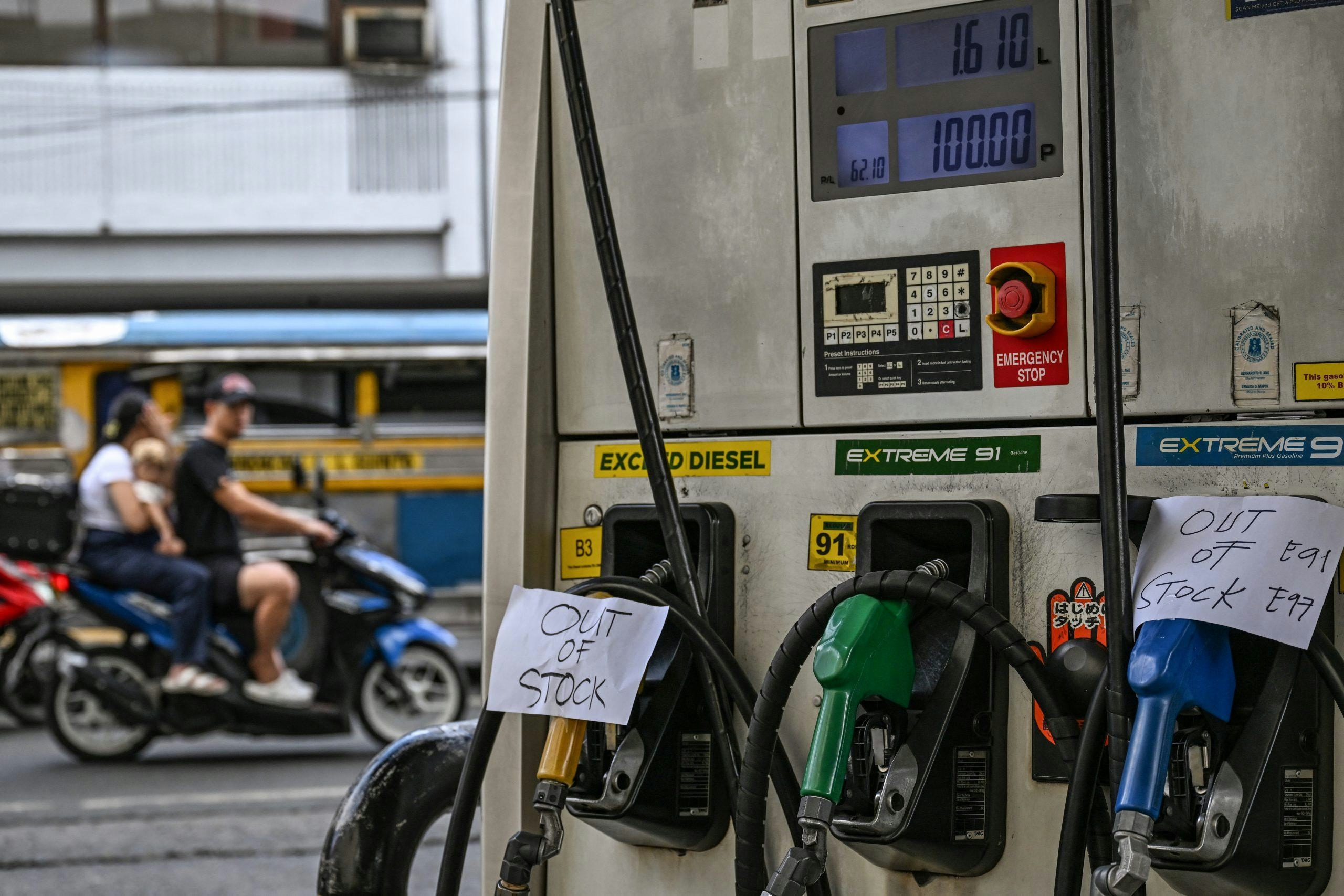
Philippine Aviation Navigates Expansion and Costs Amid Fuel Price Volatility
Industry Challenges Amid Geopolitical Tensions
The Philippine aviation sector is currently navigating a complex landscape marked by expansion ambitions tempered by stringent cost management. Volatile jet fuel prices, compounded by ongoing geopolitical disruptions, continue to exert significant pressure on airline margins, fare structures, and network strategies, even as passenger traffic shows signs of growth.
The recent conflict in the Middle East has underscored the aviation industry's susceptibility to external shocks. Elevated fuel costs, airspace restrictions, extended flight routes, and rising operating expenses have collectively strained airline profitability. Roderick M. Danao, Chairperson of PwC Philippines, emphasized that despite a recent easing of fuel prices from their peaks, these factors persistently challenge fare stability and profit margins.
For Philippine carriers, the primary challenge lies in sustaining demand and maintaining profitable capacity amid cost fluctuations largely beyond their control. Nigel Paul C. Villarete, senior adviser on public-private partnerships at Libra Konsult, Inc., noted the intrinsic link between fuel prices and transportation costs, highlighting that any significant change in fuel expenses directly impacts overall operating costs across land, sea, and air transport sectors.
Fuel Price Volatility and Operational Responses
Jet fuel constitutes approximately 25 to 30 percent of airline operating costs, according to the International Air Transport Association (IATA), making fuel price fluctuations a critical determinant of airline profitability. Although global jet fuel prices experienced a slight decline of 0.8 percent week-on-week as of July 31, they remain nearly 78.4 percent higher than the previous year. This persistent volatility influences key operational decisions, including route selection, flight frequency adjustments, fare pricing, and promotional activities.
Rene S. Santiago, former president of the Transportation Science Society of the Philippines, explained that airlines typically respond to such volatility by discontinuing unprofitable routes, reducing flight frequencies, and increasing fares on high-demand corridors to safeguard margins. He further observed that carriers with robust cash reserves may adopt a more balanced approach, combining defensive measures with targeted promotions, loyalty incentives, and network realignments to retain customer loyalty.
In line with these strategies, major Philippine airlines such as Philippine Airlines, Cebu Pacific, and AirAsia Philippines have initiated seat sales aimed at sustaining travel demand. Villarete underscored the importance of continuous adjustment, prioritization, and optimization, stressing that profitability remains the fundamental driver of transportation economics and service level maintenance.
The Civil Aeronautics Board recently implemented a Level 19 passenger fuel surcharge for the period of April 16 to 30, marking the highest surcharge since 2022 and approaching the maximum allowable rate. Despite these cost pressures, fuel supply has not emerged as an immediate concern. Data from the Department of Energy indicated that the country maintained sufficient jet fuel reserves to meet approximately 68 days of demand as of August 3.
Market Expansion Amid Competitive Dynamics
Simultaneously, the Philippine aviation sector is responding to evolving competitive dynamics and shifting market demands. Vietjet has announced plans to introduce three new routes connecting Vietnam and the Philippines, while airlines are increasing capacity on routes between Turkey and the Philippines, offering more seats in August 2026 compared to the previous year. These expansion initiatives occur against a backdrop of ongoing volatility in upstream crude oil markets and fluctuating gasoline demand, factors that continue to shape fuel pricing and operational strategies across the industry.
As Philippine airlines confront these multifaceted challenges, their strategic focus remains firmly on preserving profitability and maintaining competitiveness within an unpredictable global environment.
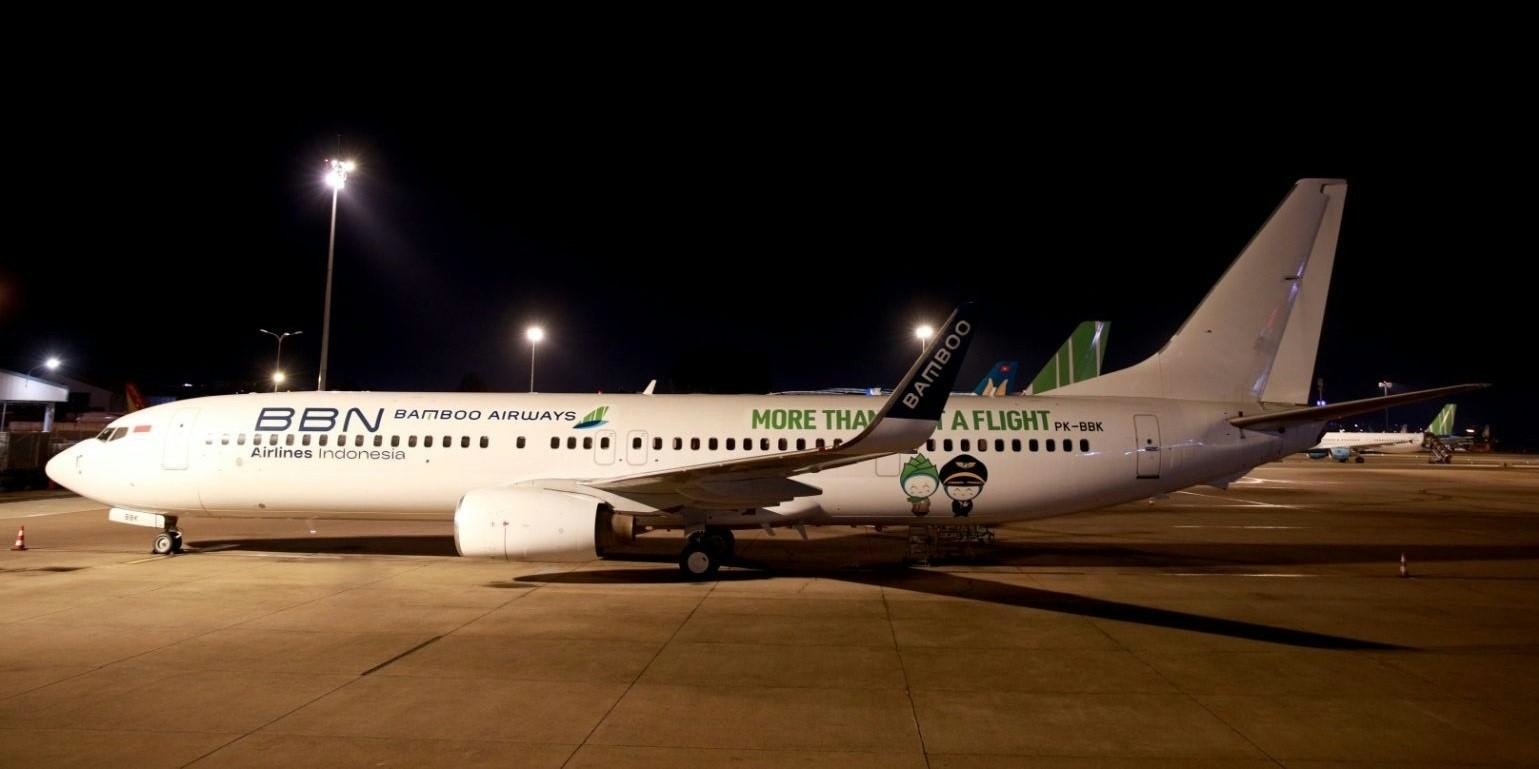
BBN Airlines Becomes IATA Member
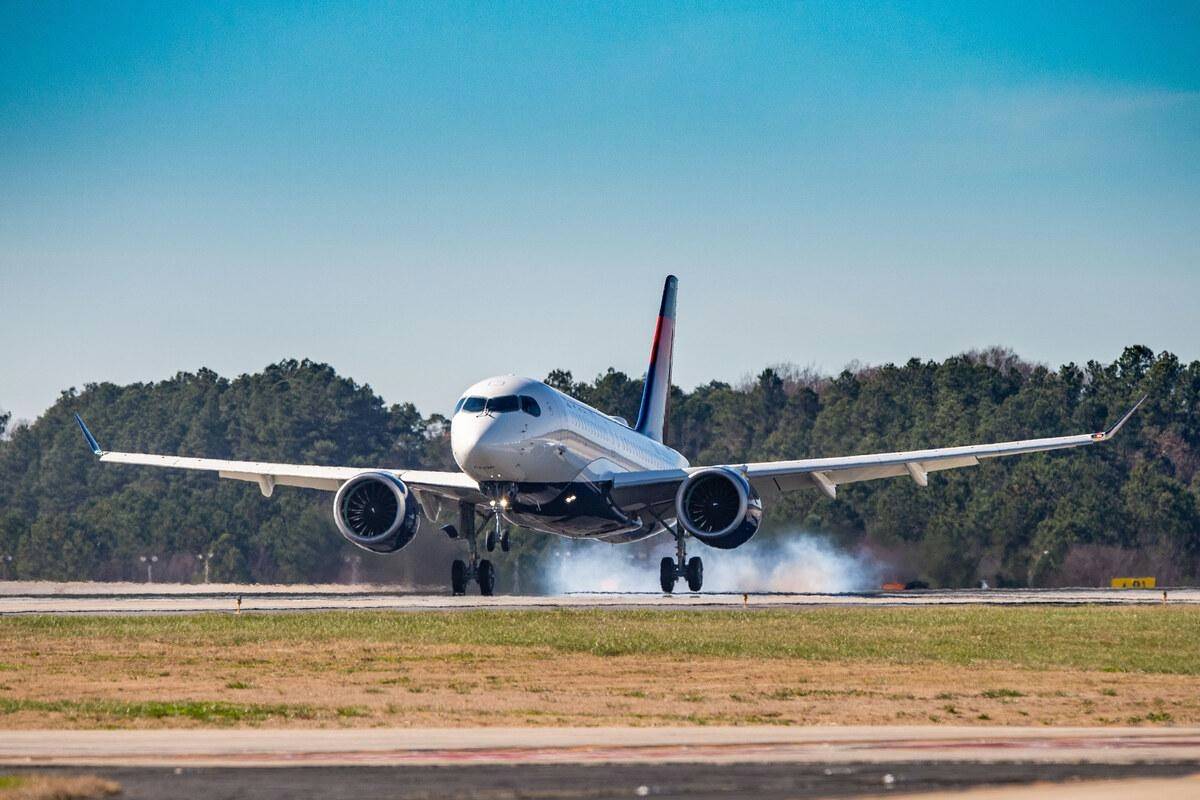
FAA Orders Breeze Airways and Delta to Inspect Airbus A220 Fuel Hoses
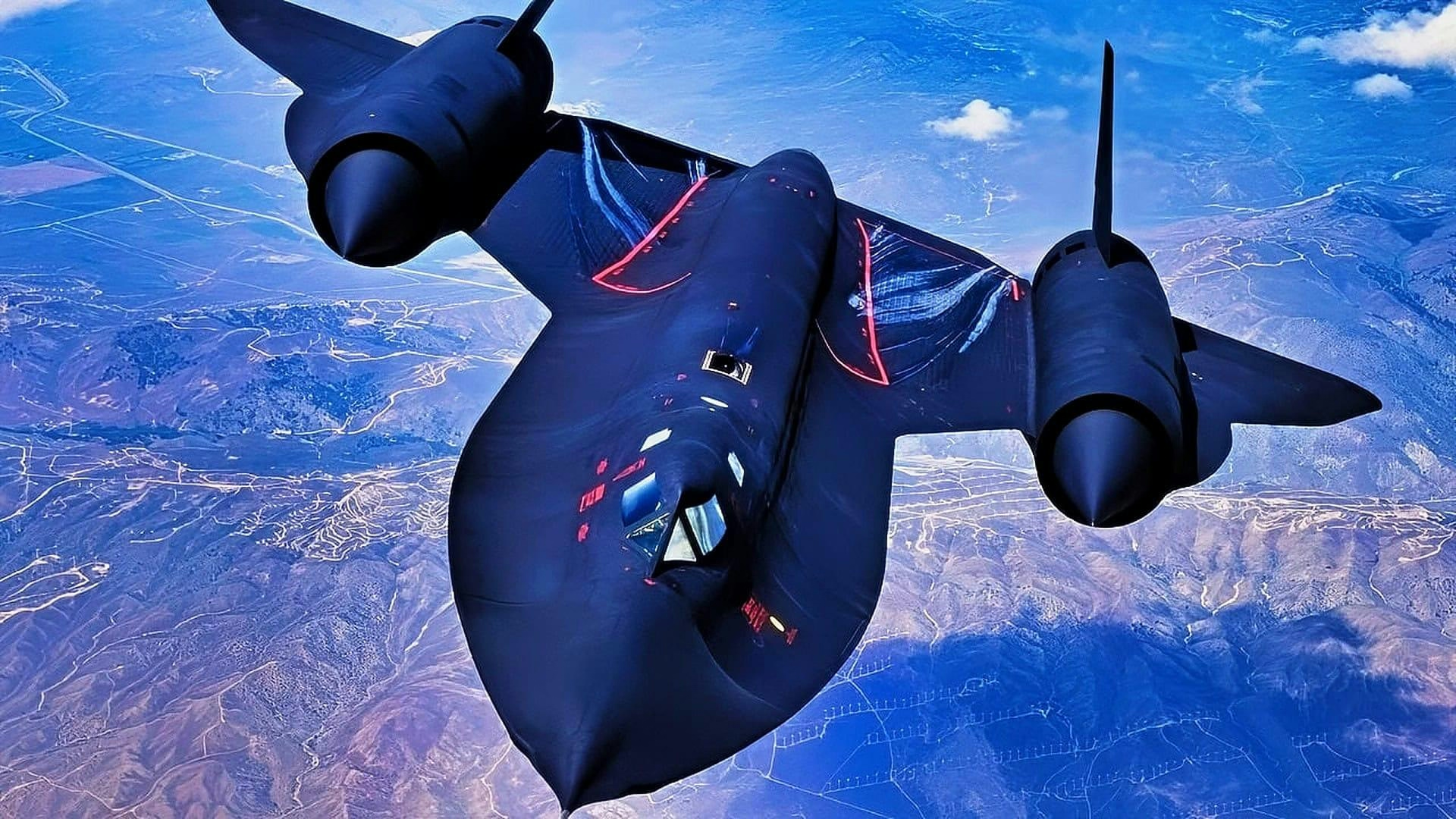
On April 26, 1971, an SR-71 Blackbird Flew Over 15,000 Miles in 10.5 Hours, Limited by Liquid Nitrogen Supply
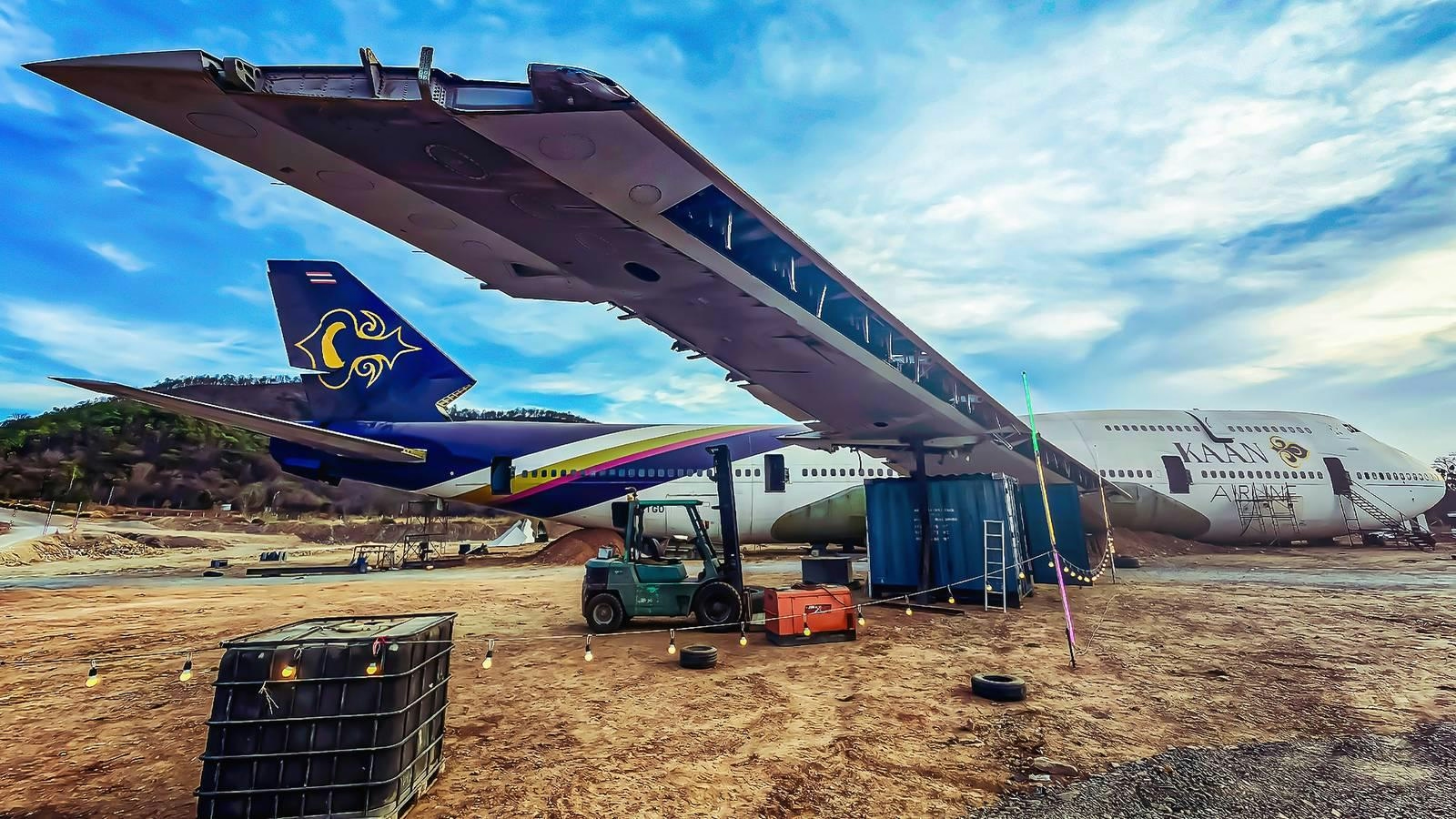
Boeing 747 Airframe Valued Less Than One Landing Gear Component

The Rear-Fan Engine Behind the Crash of the World's Fastest Airliner

Morphing Aircraft Skin Improves Safety and Fuel Efficiency

BRICS Nations Commit to Enhanced Cooperation on Sustainable Transport and Green Aviation
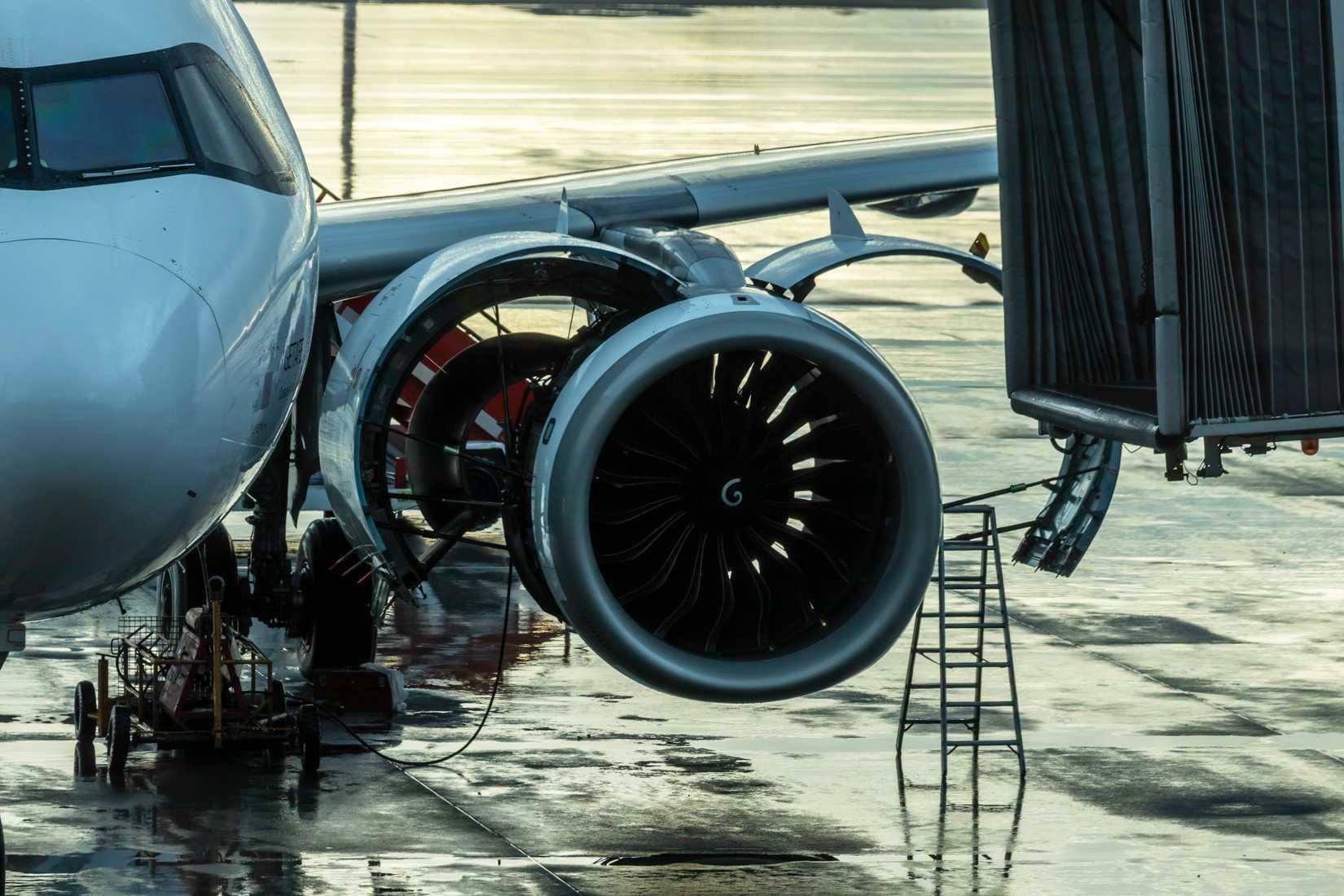
CFM Turbine Upgrade Doubles LEAP Engine Service Life in Harsh Conditions
CFM Upgrade Doubles LEAP Engine Lifespan in Harsh Climates

Sonoma County Board of Supervisors Revisits Controversial Government Office Deal
