
Превращайте аналитические выводы ИИ в реальные действия

В тренде
Categories
Pilot Salaries on the World's Longest Commercial Flights in 2026
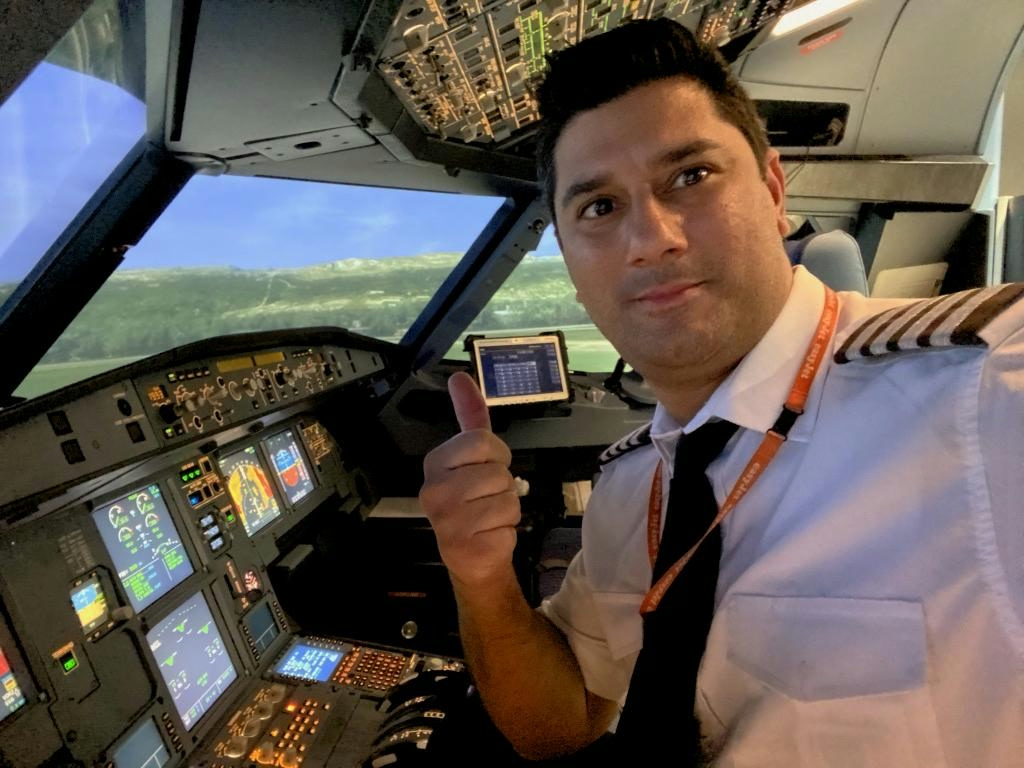
Pilot Salaries on the World’s Longest Commercial Flights in 2026
The Demands of Ultra-Long-Haul Operations
Singapore Airlines flight SQ22, which covers the 9,537-mile (15,348 km) route from Singapore Changi Airport to New York, exemplifies the challenges of ultra-long-haul commercial aviation. With a flight time approaching 19 hours, this journey ranks among the longest scheduled flights globally. Operating such extended routes, defined as flights exceeding 16 hours, requires not only exceptional physical endurance and rigorous fatigue management but also specialized training to address the unique operational and safety complexities inherent in prolonged time aloft.
Rising Compensation Amid Pilot Shortages
In 2026, pilot compensation for these marathon flights has reached unprecedented levels, driven by a global shortage of experienced crew members and strengthened union negotiations. Senior widebody captains and first officers now receive remuneration packages comparable to those of leading corporate executives. This surge in pay reflects the intricate responsibilities of their roles and the intense competition among airlines to attract and retain qualified personnel.
Unlike conventional salaried roles, commercial pilot pay is calculated based on block hours—the period from aircraft pushback to parking at the destination gate. Aviation regulations limit pilots to 1,000 flight hours annually, significantly less than the typical 2,000-hour work year, to mitigate fatigue risks. Given that a single ultra-long-haul leg can consume a substantial portion of a pilot’s monthly allowable hours, each hour flown carries considerable financial weight.
Crew Structure and Financial Implications
To ensure safety on flights exceeding 12 hours, airlines employ augmented or “heavy” crews, usually comprising four pilots: two captains and two first officers. These crews operate in shifts, with two pilots actively flying while the others rest in designated compartments. Importantly, all pilots receive full block-hour credit for the entire flight duration, including periods spent off-duty, which means their elevated hourly rates apply throughout the journey.
This arrangement significantly escalates the direct labor costs associated with ultra-long-haul flights. For instance, a single New York–Singapore leg requires airlines to cover the salaries of four senior widebody pilots, substantially increasing operational expenses. Consequently, pilots can accumulate their monthly target of 75 to 80 credited hours with only three or four international trips, allowing for extended rest periods between flights.
Industry-Wide Effects and Strategic Adjustments
The rising salaries and specialized training requirements for ultra-long-haul operations have broader implications for the aviation industry. Only a limited pool of pilots is qualified for these demanding routes, intensifying compensation demands. Airlines, confronted with higher labor costs, are revising ticket pricing strategies to preserve profitability. Simultaneously, competitors are launching their own ultra-long-haul services to maintain market relevance, triggering a competitive bidding environment for experienced pilots and further driving wage increases across the sector.
As the economics of ultra-long-haul flying continue to evolve, they are reshaping not only pilot compensation but also the operational strategies and cost structures that define the world’s longest commercial flights.

Etihad and Swissport Extend Global Partnership

Sepehran Airlines B737 Returns to Mashhad After Tyre and Engine Issues

Etihad Deploys Widebody Fleet to Meet Strong Demand

Korean Air Finalizes $36.2 Billion Deal with Boeing

Australia’s RFDS Queensland Section Orders Six King Air 260Cs

Korean Air Finalizes Order for 103 Boeing Jets and Engines

Embraer E195-E2 Features Distinctive Engine Placement Among Regional Jets

What Passengers Can Expect on Boeing’s New 777X Jet

How Ethiopian Airlines Became Africa’s Leading Carrier Amid Gulf Competition

Joby Aviation Extends Autonomous Flight Capabilities with Cross-Country Tour
