
Превращайте аналитические выводы ИИ в реальные действия

В тренде
Categories
Precision and Care Essential in Aerospace Coating Applications
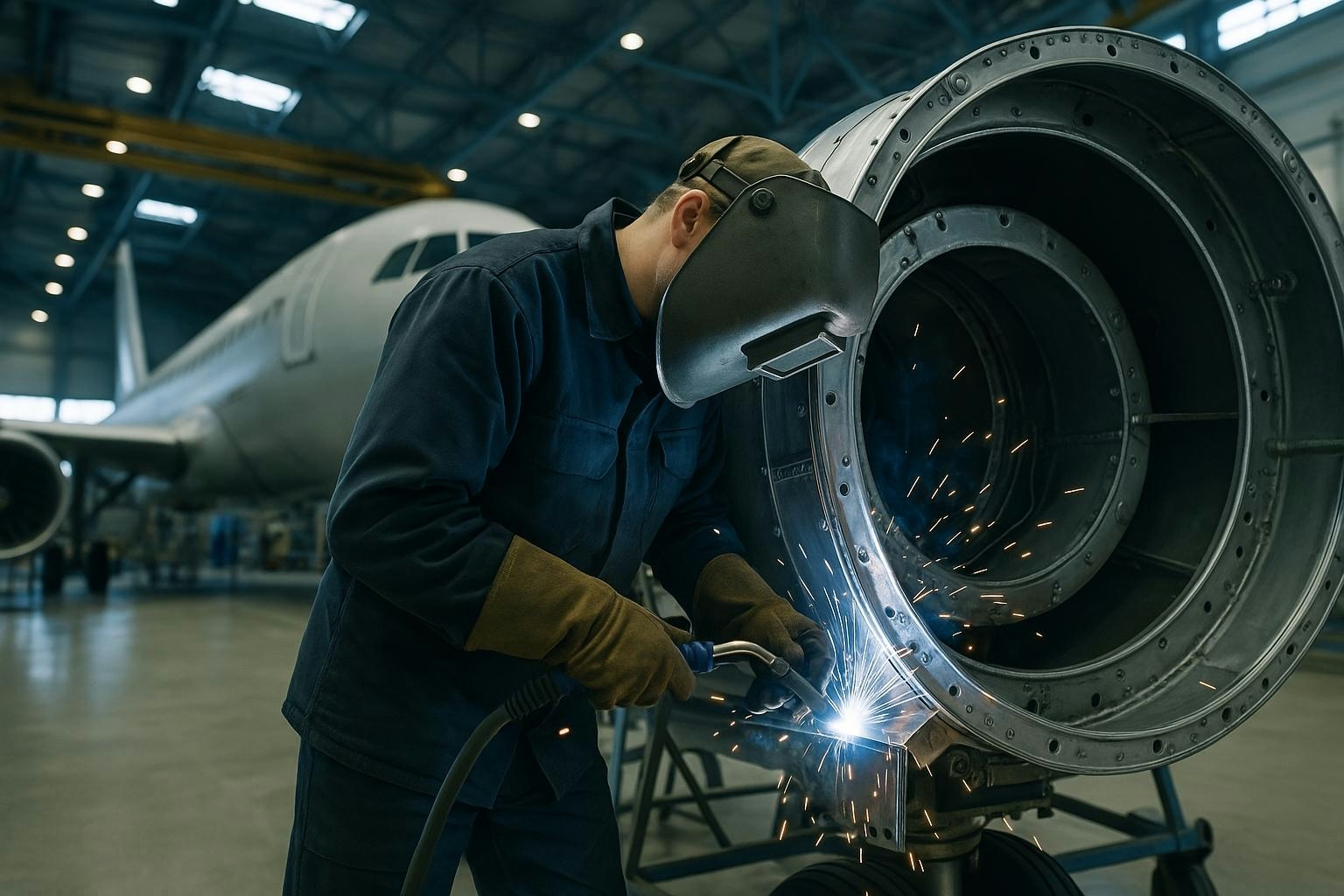
Precision and Care Essential in Aerospace Coating Applications
Meeting the exacting demands of aerospace coating applications necessitates a careful integration of precision, innovation, and reliability. Aurore Bournazel emphasizes that the challenge lies not in accepting compromises but in ensuring that multiple stringent requirements—such as weight reduction, accelerated application, consistent appearance, and long-term durability—are simultaneously fulfilled without sacrificing the rigorous standards of the aerospace industry.
Technical Challenges and Innovations
Every stage of the coating process, from the precise measurement of film thickness to each application step, requires meticulous control. Aerospace coatings must endure extreme conditions, including ultraviolet exposure, weathering, hydraulic fluids, cleaning agents, erosion, and repeated maintenance cycles. The technical objective is to validate that advanced coating systems can consistently deliver on weight efficiency, application speed, and performance under real-world operational stresses.
Recent technological advancements illustrate this approach. Akzo Nobel’s Aerobase UPD technology, for example, offers enhanced film build control and sag resistance, combined with a cross-coat application technique that achieves the necessary hiding power and finish quality with a single basecoat layer. Trials conducted on Airbus A320 aircraft demonstrated a coating weight reduction of 24 kilograms per aircraft, underscoring how optimized formulation and application processes can translate into significant operational benefits.
This focus on weight savings extends to special effect finishes, including mica and metallic colors, which are increasingly sought after for distinctive airline liveries. By refining color formulations for Aerobase special effects, Akzo Nobel has developed a direct-to-primer application capability for selected colors, eliminating the need for an additional base color layer. Testing on wide-body aircraft such as the Airbus A380 suggests that this direct-to-primer method could reduce coating weight by approximately 300 kilograms compared to conventional systems.
Market Dynamics and Sustainability Challenges
These technical developments occur amid intensifying market pressures. The aerospace and defense sectors are witnessing growing demand for lightweight, high-precision metal components, fueling expansion in the investment casting market, which is projected to grow at a compound annual growth rate (CAGR) of 5.60% from 2026 to 2035, reaching an estimated USD 32.27 billion by 2035. In response, industry competitors are investing in next-generation technologies, including self-healing coatings, which are expected to grow at a CAGR of 18.4% and reach USD 5.74 billion by 2035, as the sector seeks more durable and low-maintenance surface solutions.
Sustainability remains a pivotal concern. While the development of new coating technologies aimed at reducing environmental impact is critical, the aerospace industry’s stringent regulatory environment means that qualification and adoption of such innovations can span several years. Any new coating system must satisfy rigorous standards for safety, compliance, corrosion and chemical resistance, weatherability, adhesion, and service life. These criteria are essential, given the coatings’ vital role in protecting aircraft structures and ensuring long-term operational reliability.
Within these constraints, incremental improvements to existing, approved coatings are crucial. Technical teams are collaborating closely with airlines to reconsider livery design and application methods, leveraging established technologies to achieve lighter, more efficient finishes. The overarching objective is to reduce aircraft weight, fuel consumption, and associated emissions, thereby delivering both operational efficiencies and environmental benefits while upholding the highest standards of performance and safety.
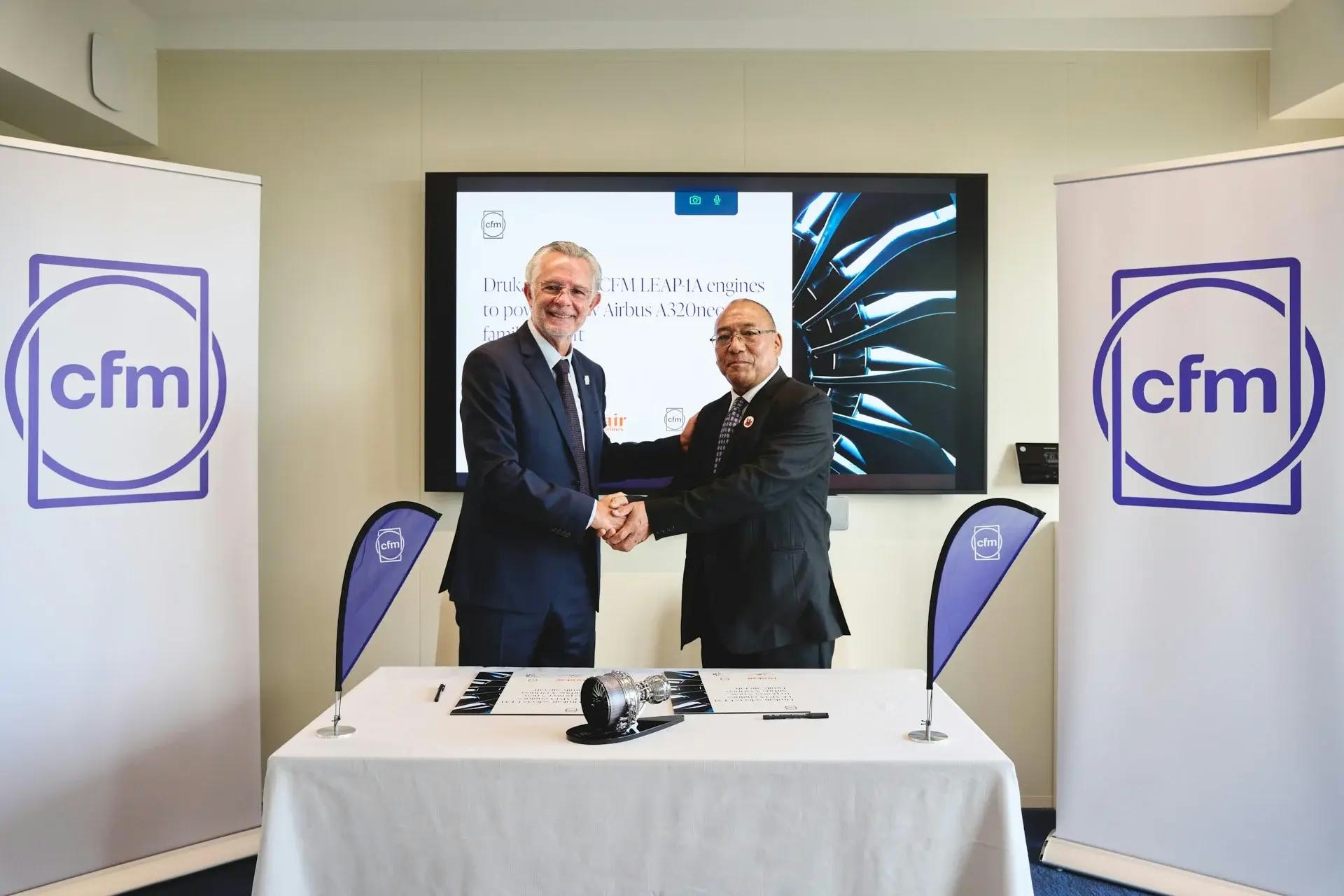
Drukair Chooses LEAP Engines for Five Airbus Aircraft
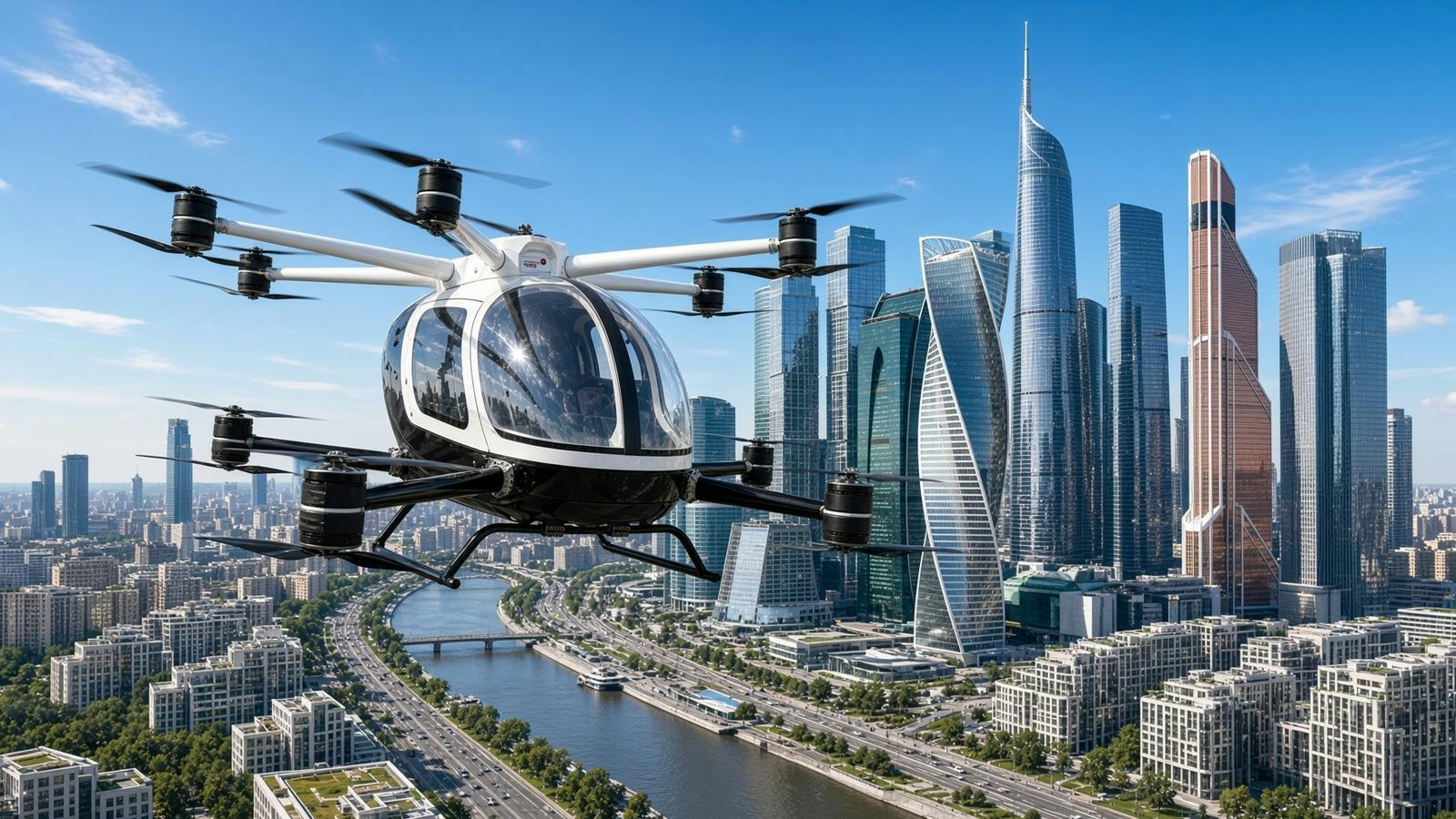
Russia Tests Air Taxis with Passenger Flights Possible in 2-3 Years
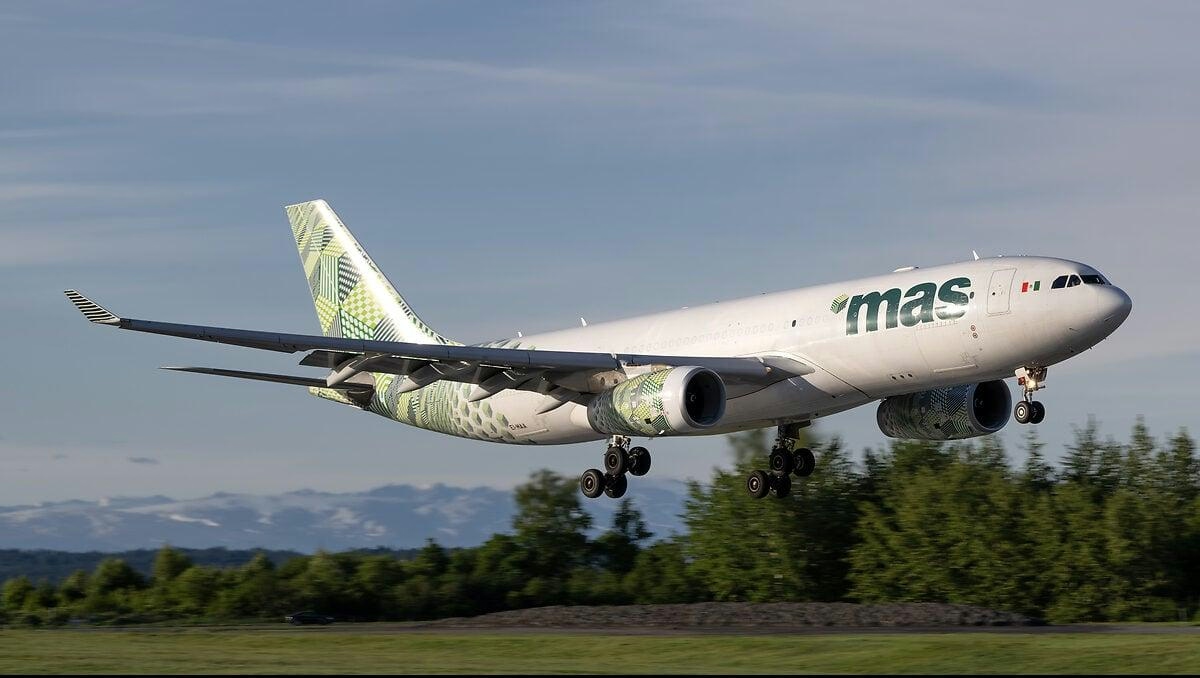
EPCOR and MAS Sign Five-Year A330 APU Support Agreement
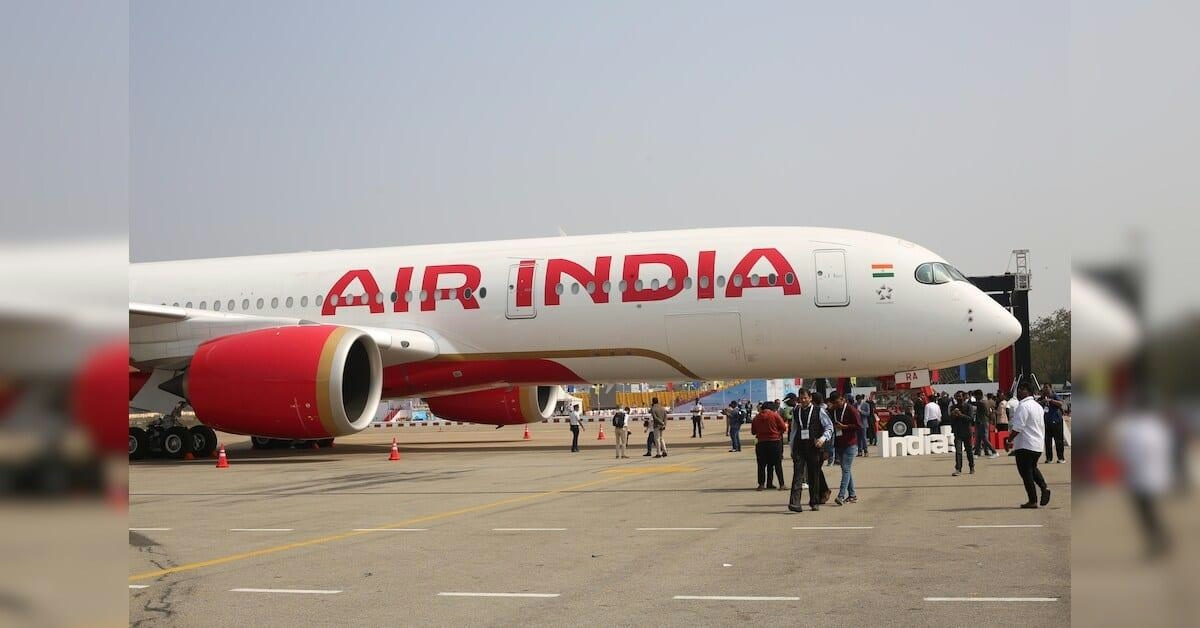
Air India Expands Use of Salesforce AI to Enhance Customer Service
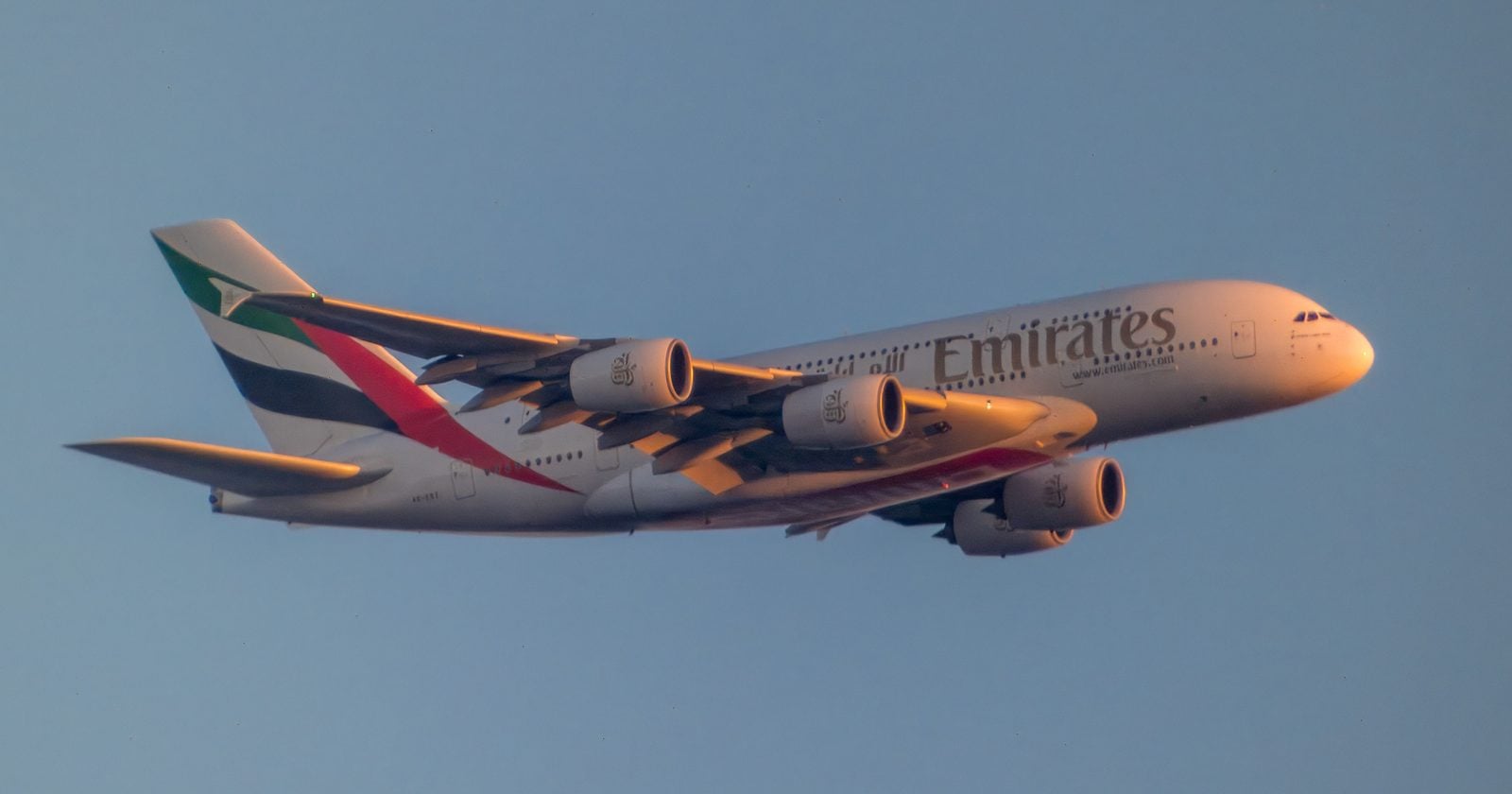
European Regulators Order Urgent Inspections After Cracks Found in Airbus A380 Wing Spars

GCAA Strengthens Drone Regulations Amid Growing Unmanned Aviation
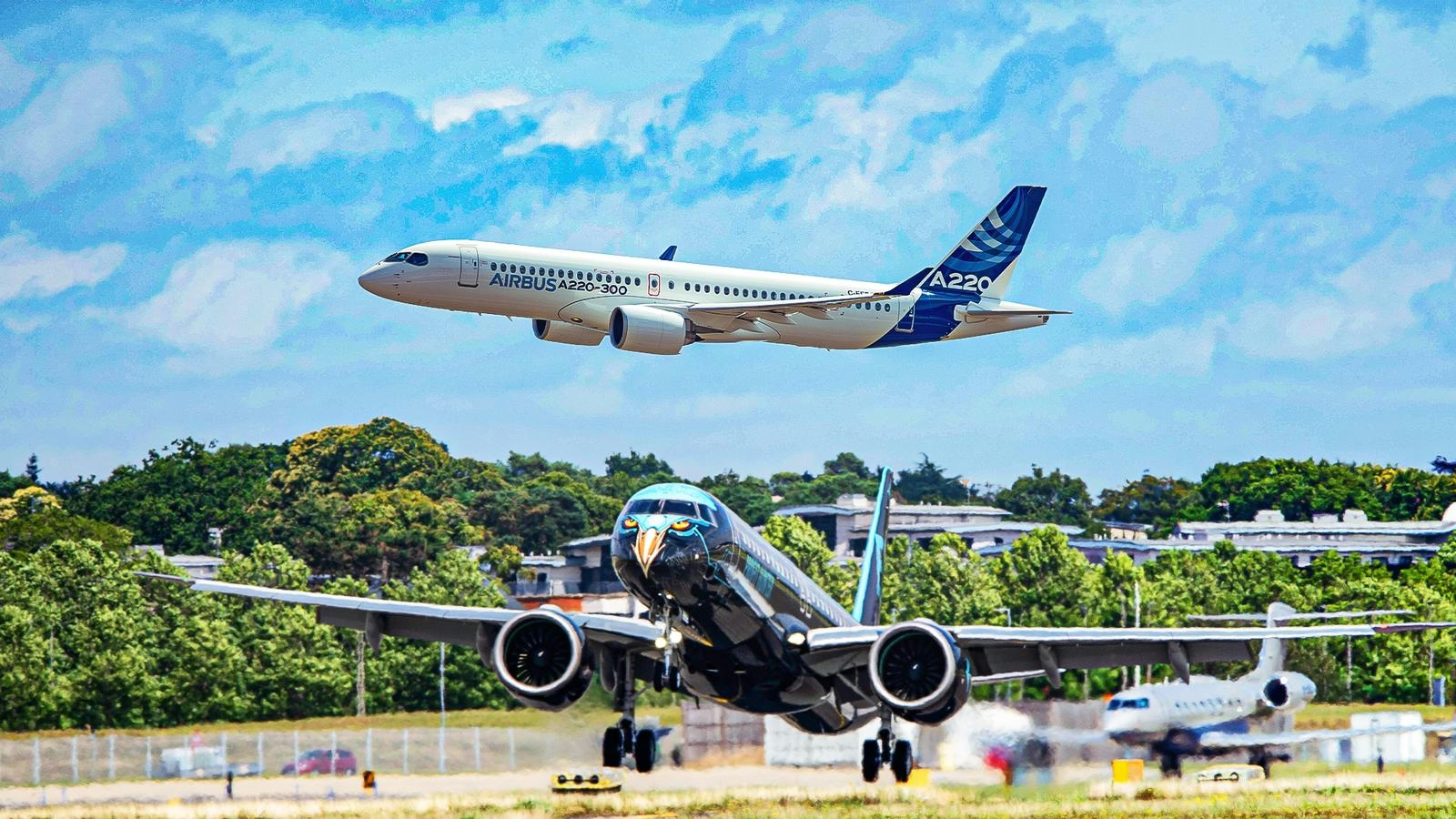
Embraer Delivers 2,000th E-Jet as Airbus A220 Seeks Market Share
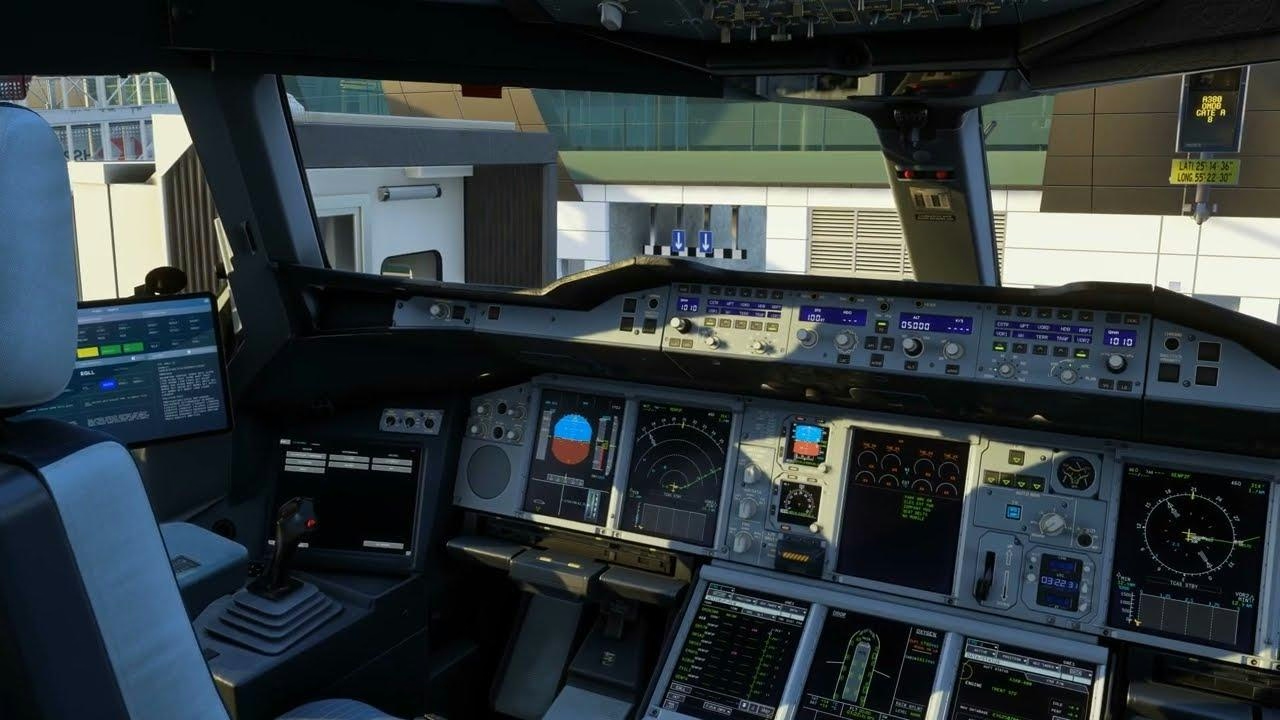
iniBuilds Releases Second In-Depth A380 Video
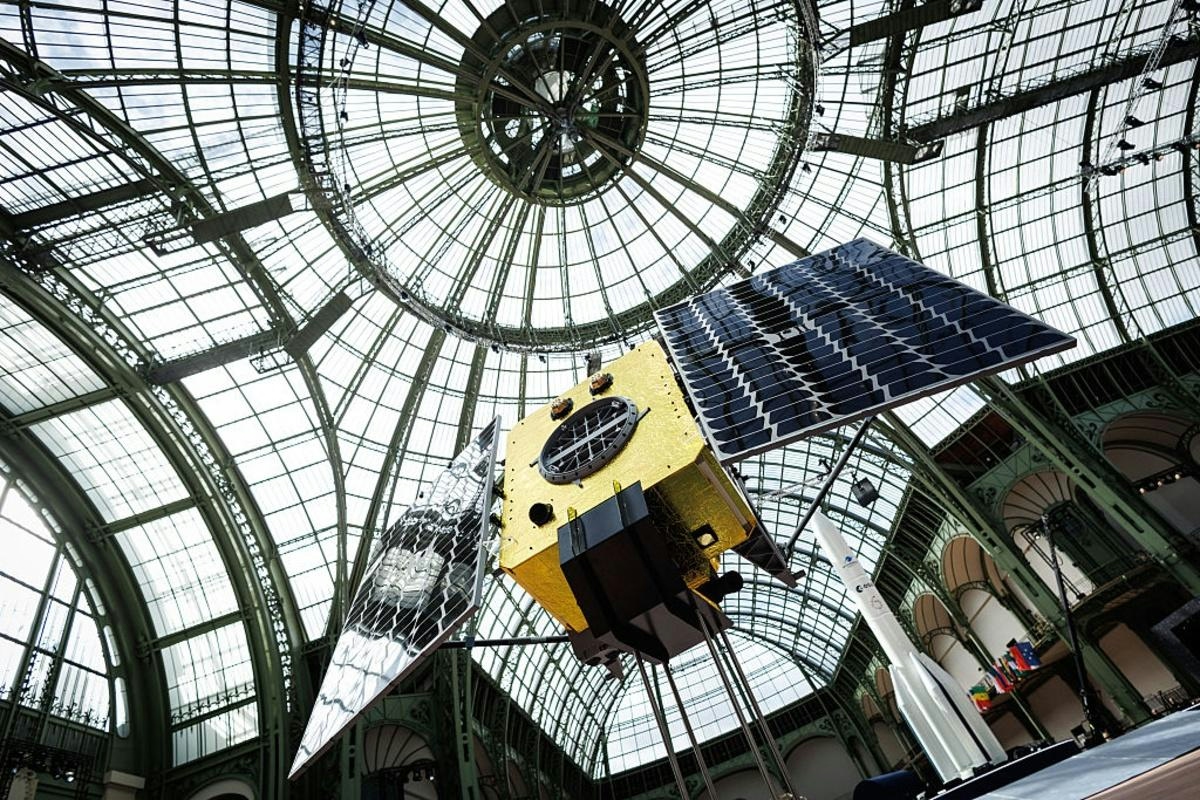
Sophia Space Secures $300 Million Lease to Finance First Orbital Computing Constellation
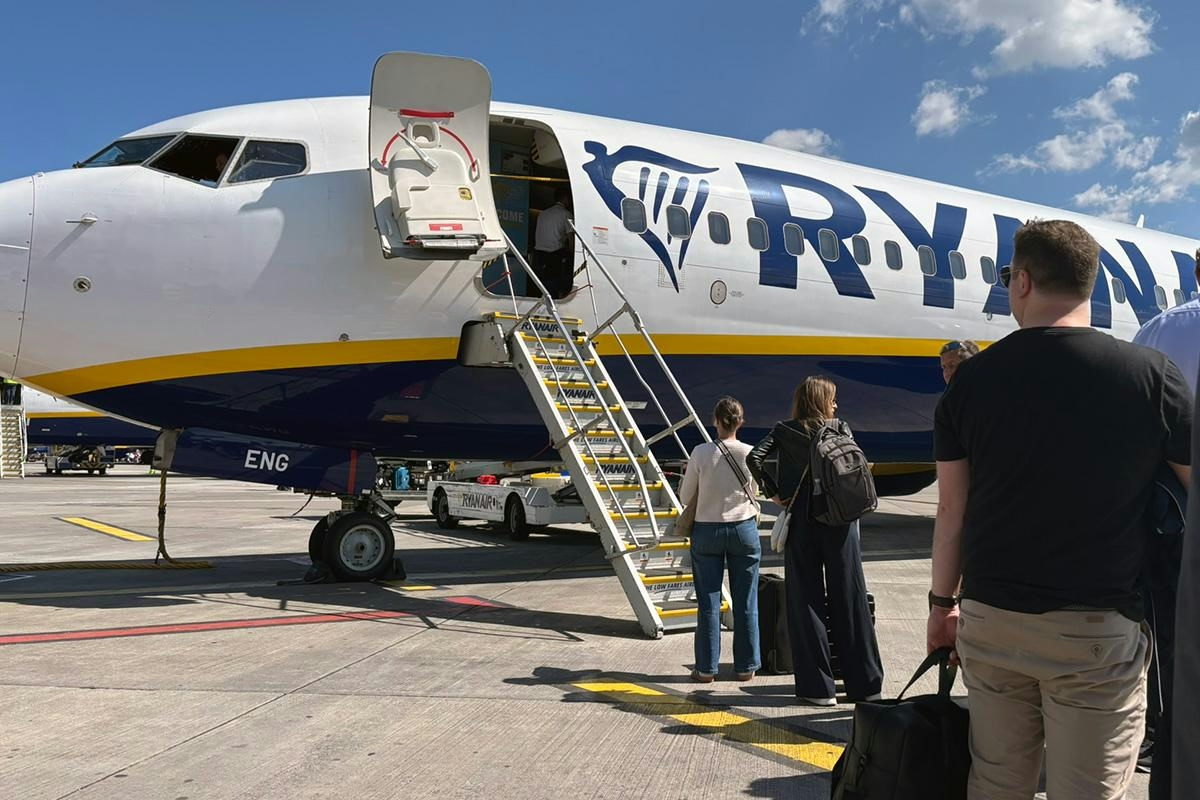
Ryanair and Alaska Airlines Apply AI to Operational Decision-Making
