
Превращайте аналитические выводы ИИ в реальные действия

В тренде
Categories
Regulations on Unmanned Aircraft Flights
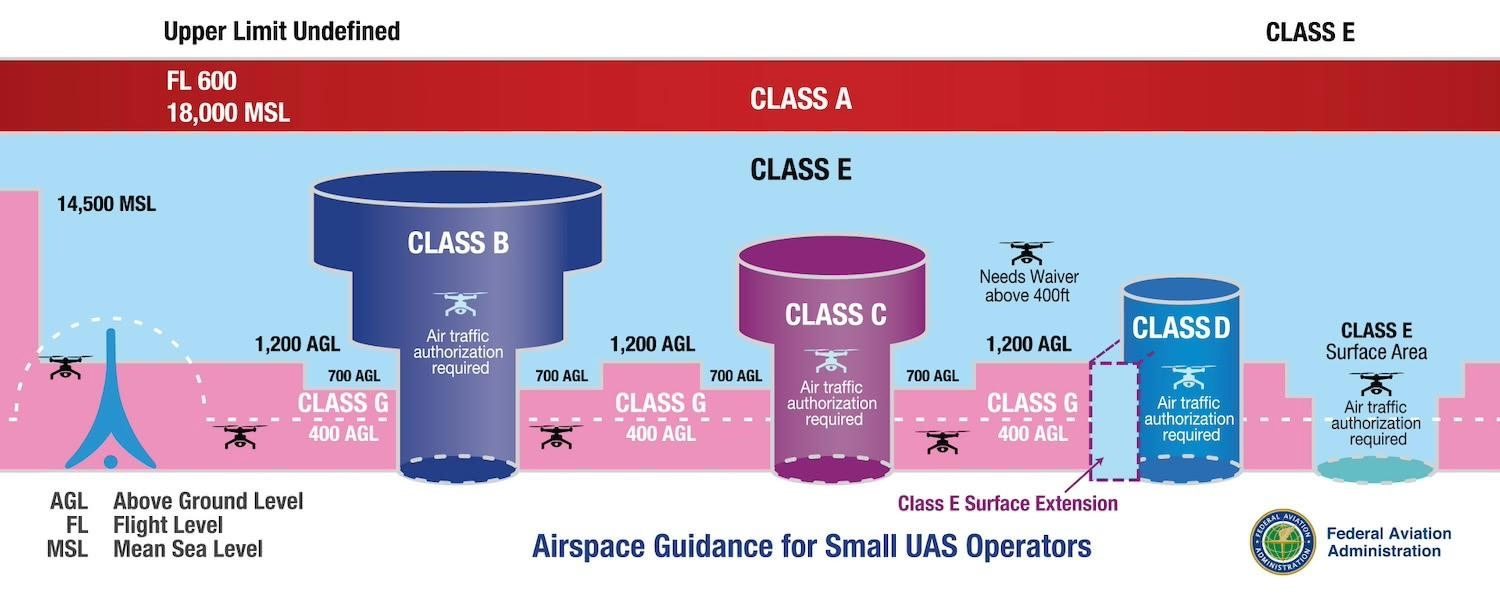
Regulations on Unmanned Aircraft Flights
The Federal Aviation Administration (FAA) has introduced a proposed rule titled “Designation—Restrict the Operation of Unmanned Aircraft in Close Proximity to a Fixed Site Facility,” aimed at updating the regulatory framework governing unmanned aircraft flight restrictions (UAFRs) near critical infrastructure and other fixed site facilities. This initiative seeks to strengthen the management of drone operations in sensitive areas, reflecting heightened concerns over security and public safety in the face of expanding drone usage.
Industry Response and Security Concerns
Joshua Levine, director for technology and statecraft at the Foundation for American Innovation, submitted a formal comment on the proposal, underscoring both the potential impact on the U.S. drone ecosystem and several unresolved issues within the current regulatory approach. Levine stressed the necessity of refining the rule to more effectively address emerging threats while supporting the continued advancement of drone technology in the United States.
The proposed regulations arrive amid growing challenges faced by public safety institutions due to the increasing accessibility and capabilities of unmanned aircraft. Drones have raised significant concerns regarding their potential misuse near critical infrastructure such as power plants, government buildings, and transportation hubs. Consequently, there is an urgent demand for advanced counter-drone technologies capable of detecting, identifying, and mitigating unauthorized drone activity.
Industry analysts anticipate that the new regulations will stimulate considerable market activity. Companies specializing in counter-drone solutions are expected to experience heightened demand as facility operators seek compliance with more stringent operational restrictions. This environment is likely to foster increased investment in research and development, alongside intensified competition among technology providers striving to capture a growing share of the counter-drone market. Innovations may include enhanced radar systems, radio frequency sensors, and artificial intelligence-driven analytics, all designed to bolster the protection of sensitive sites from drone-related threats.
Calls for Regulatory Refinement
Levine’s commentary, co-authored with colleague Blake, highlights four specific provisions within the FAA’s proposed rule that require further clarification. The response advocates for clearer definitions, improved coordination between federal and local authorities, and greater transparency in the designation of restricted areas. The Foundation for American Innovation argues that these adjustments are essential to ensure that regulations remain aligned with rapid technological advancements and evolving security challenges.
Future Implications
As the FAA reviews public feedback and contemplates revisions to the proposed rule, stakeholders across the drone and security sectors are closely observing the process. The final regulatory framework will not only influence the governance of unmanned aircraft operations but also shape the future trajectory of innovation and investment in counter-drone technologies. Striking a balance between enabling the beneficial uses of drones and safeguarding critical infrastructure remains a pivotal concern for policymakers navigating the complexities of modern unmanned aircraft operations.

Etihad and Swissport Extend Global Partnership
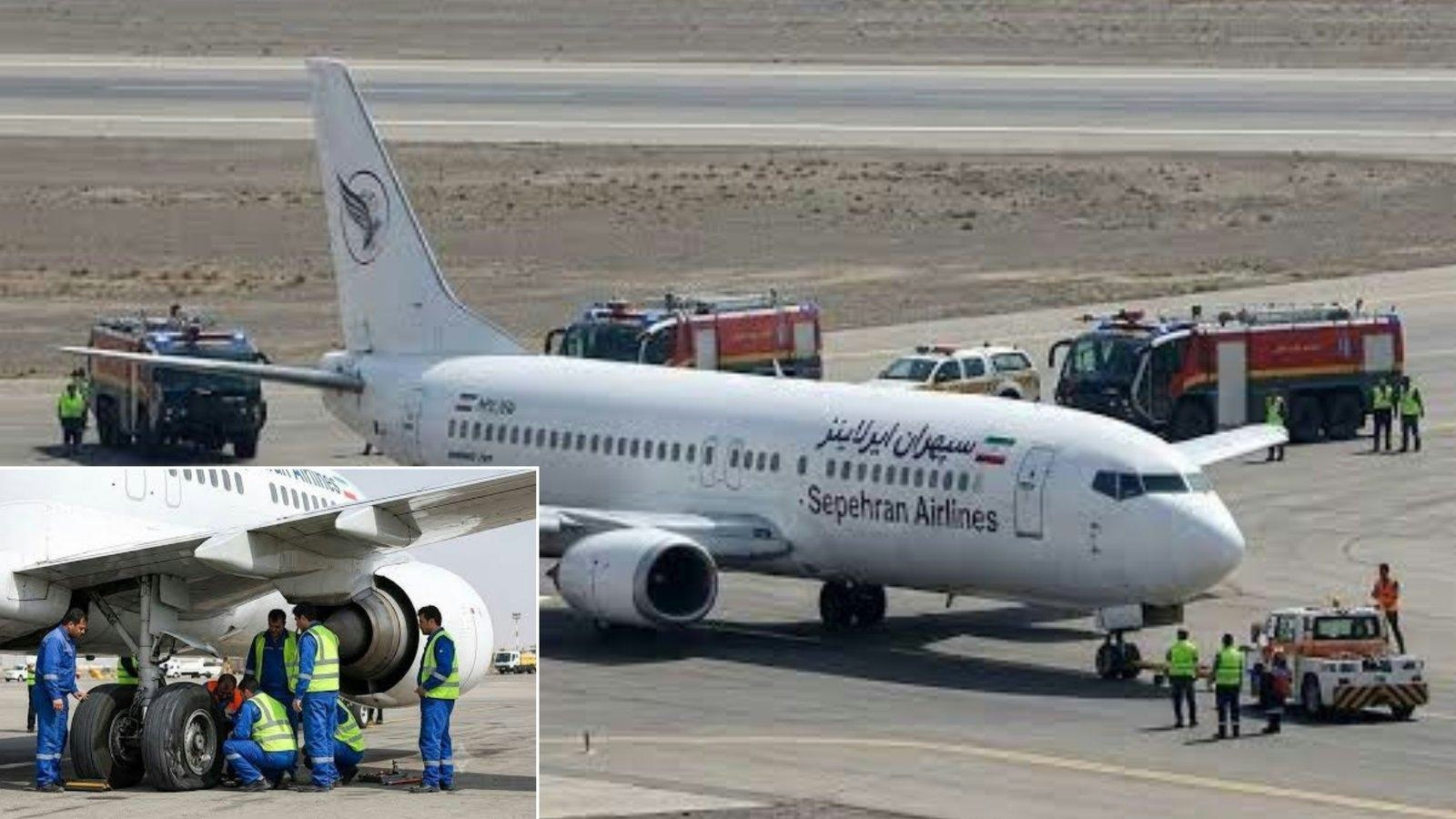
Sepehran Airlines B737 Returns to Mashhad After Tyre and Engine Issues

Etihad Deploys Widebody Fleet to Meet Strong Demand
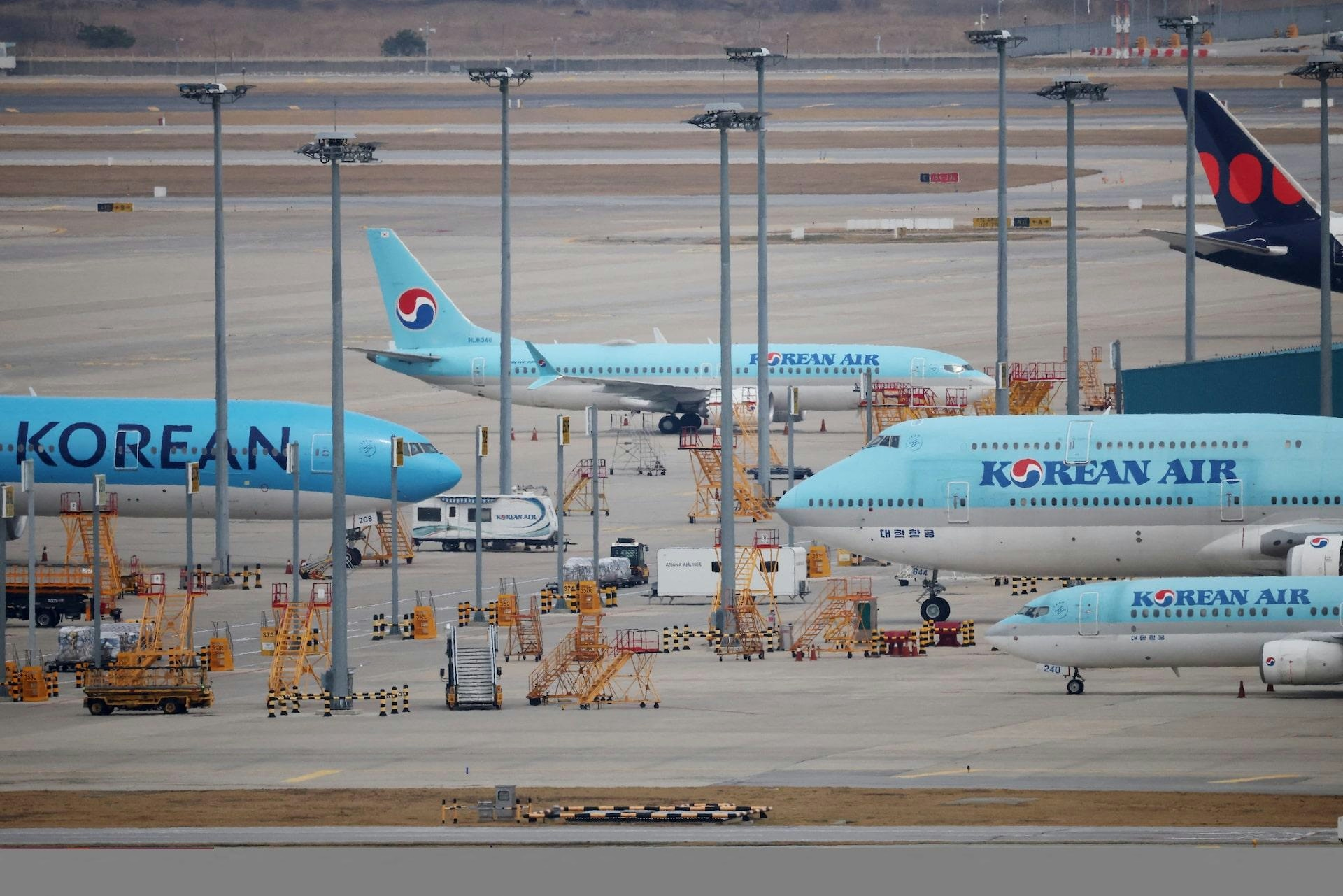
Korean Air Finalizes $36.2 Billion Deal with Boeing

Australia’s RFDS Queensland Section Orders Six King Air 260Cs
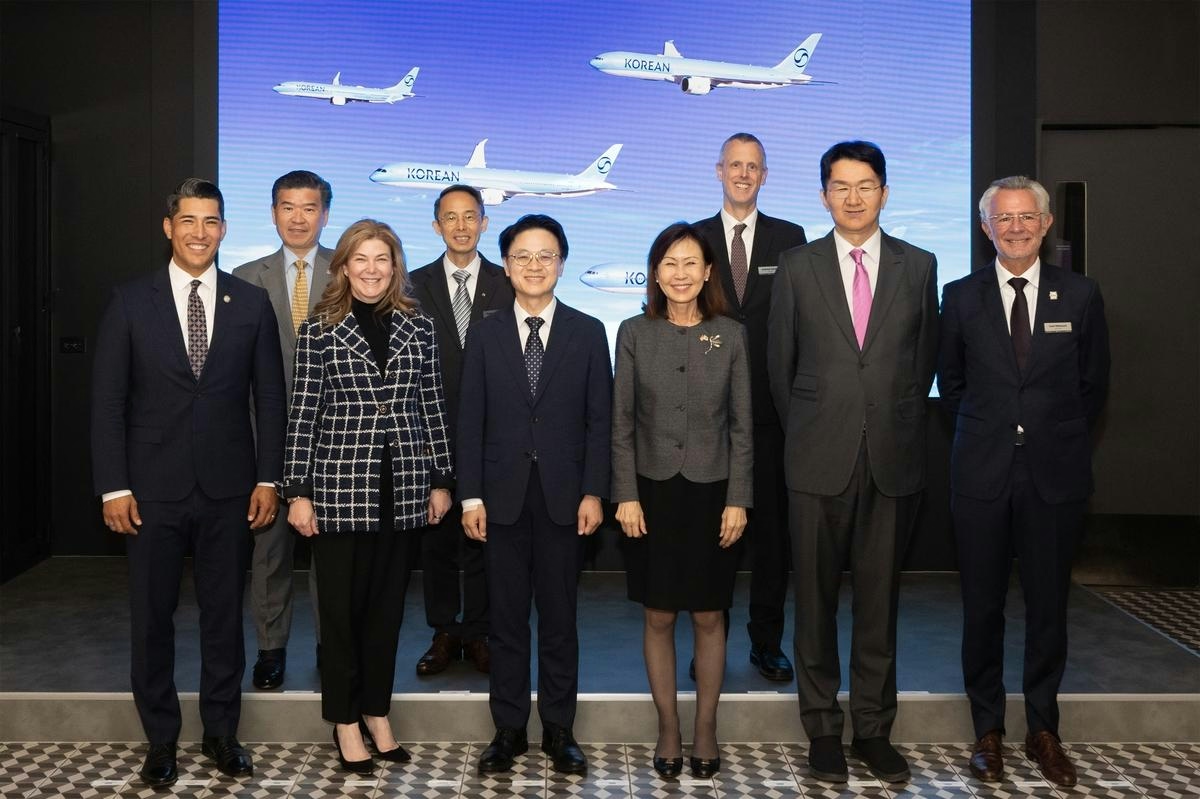
Korean Air Finalizes Order for 103 Boeing Jets and Engines

Embraer E195-E2 Features Distinctive Engine Placement Among Regional Jets

What Passengers Can Expect on Boeing’s New 777X Jet

How Ethiopian Airlines Became Africa’s Leading Carrier Amid Gulf Competition
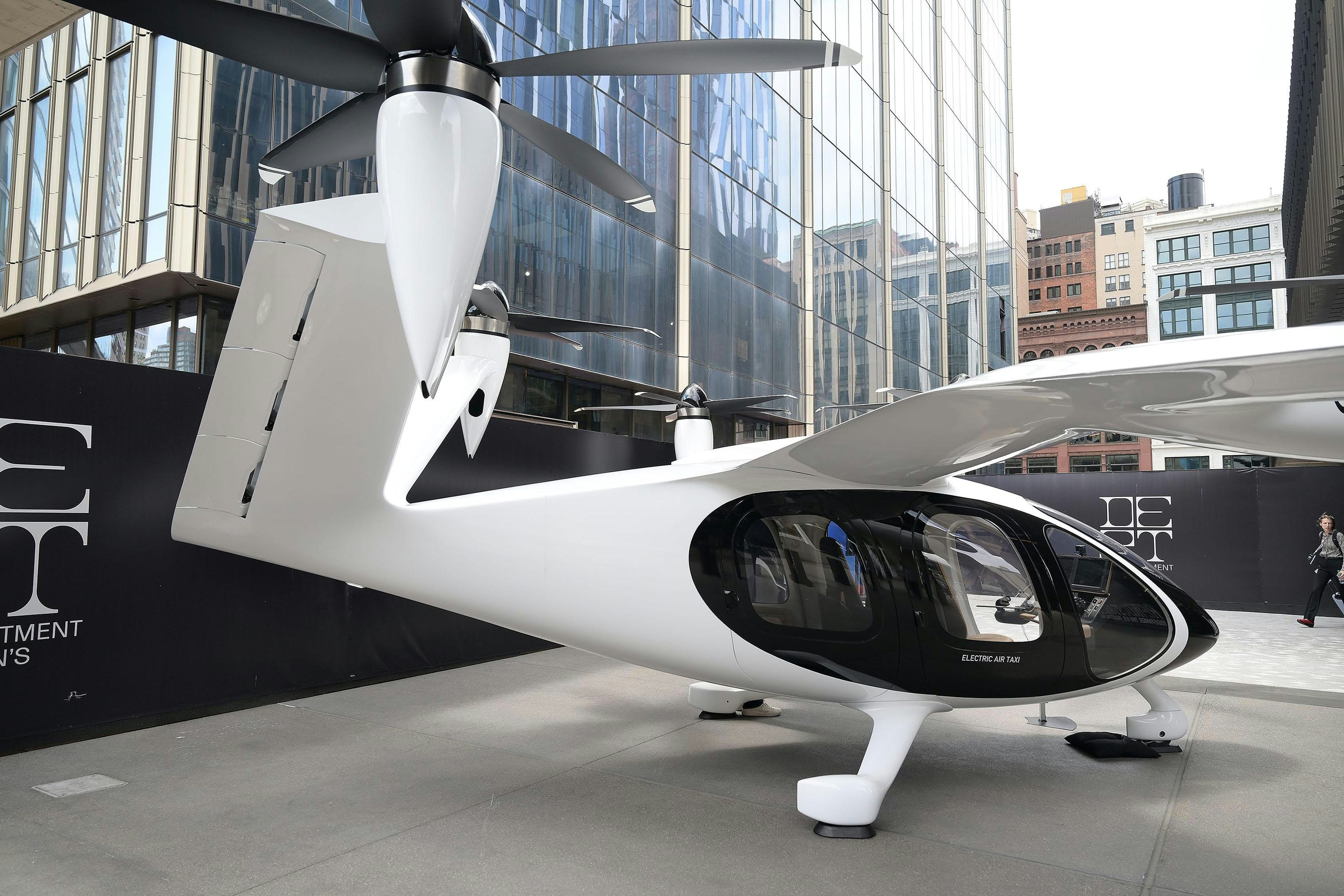
Joby Aviation Extends Autonomous Flight Capabilities with Cross-Country Tour
