
Превращайте аналитические выводы ИИ в реальные действия

В тренде
Categories
Shield AI Details VTOL Capabilities of X-BAT Autonomous Combat Aircraft on U.S. Navy Carriers
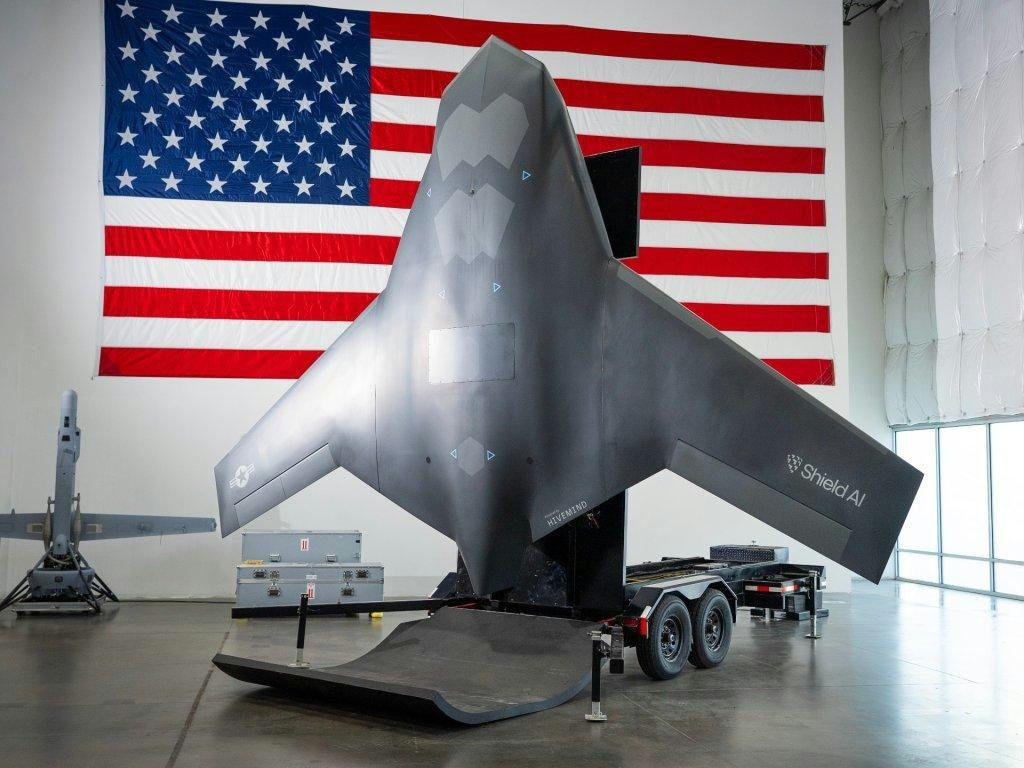
Shield AI Advances Autonomous VTOL Combat Aircraft for U.S. Navy Carriers
Shield AI has released new concept imagery illustrating the potential deployment of its X-BAT autonomous vertical takeoff and landing (VTOL) combat aircraft aboard U.S. Navy aircraft carriers. Unveiled on August 17, 2026, ahead of the Hook ’26 conference, the visuals depict the X-BAT operating alongside F-35C Lightning II fighters on the deck of the USS Abraham Lincoln (CVN-72). This presentation underscores a strategic vision for runway-independent air operations at sea, signaling a possible evolution in carrier-based airpower.
The X-BAT and the RIMES Initiative
The X-BAT is a cornerstone of the $50 million Runway Independent Maritime Expeditionary Strike (RIMES) program, a collaborative effort involving the Department of the Navy Rapid Capabilities Office, PAE Aviation, and the Defense Innovation Unit. The initiative seeks to develop combat aircraft capable of launching and recovering without reliance on traditional catapults, arresting gear, or runways. Shield AI positions the X-BAT as a versatile platform able to operate from ships, remote islands, and austere forward locations, boasting a maximum range exceeding 2,000 nautical miles. Its mission profiles include air-to-air combat, air-to-surface strikes, and electronic warfare, reflecting a broad operational scope.
The concept imagery serves not only as promotional material but also as a tangible representation of how autonomous VTOL aircraft might integrate into future carrier operations. Unlike conventional fixed-wing aircraft, the X-BAT’s vertical takeoff capability eliminates the need for catapult launches, enabling deployment from a wider array of platforms and environments. This flexibility could prove vital for dispersed combat operations in contested or infrastructure-limited theaters, where traditional runways may be compromised or unavailable.
Technical and Strategic Challenges
Despite its promising capabilities, integrating autonomous VTOL aircraft like the X-BAT into carrier operations presents significant technical challenges. The complexity of ensuring autonomous systems operate reliably and safely within the demanding and high-risk environment of a carrier deck necessitates rigorous testing and validation to meet the Navy’s stringent standards. From flight control systems to deck handling procedures, the technical hurdles remain substantial.
Market analysts are closely monitoring the cost-effectiveness and strategic benefits of deploying autonomous VTOL platforms. The potential for enhanced operational flexibility and reduced dependence on vulnerable infrastructure offers considerable appeal. However, the transition from concept to operational deployment will hinge on demonstrable reliability and mission effectiveness.
Industry Response and Future Outlook
The emergence of Shield AI’s X-BAT has prompted competitive responses within the defense and aerospace sectors. Companies such as Archer, following its acquisition of Insitu, are intensifying efforts in autonomous aviation and intelligence, surveillance, and reconnaissance (ISR) drone technologies to maintain a competitive edge. As the Navy and its industry partners continue to invest in next-generation capabilities, the race to field dependable autonomous VTOL combat aircraft is accelerating.
Backed by substantial Navy funding, Shield AI’s X-BAT program represents a significant advancement toward transforming carrier-based airpower. Ongoing development will focus on overcoming technical obstacles and validating the operational value of autonomous VTOL systems within the challenging maritime domain.

Etihad and Swissport Extend Global Partnership
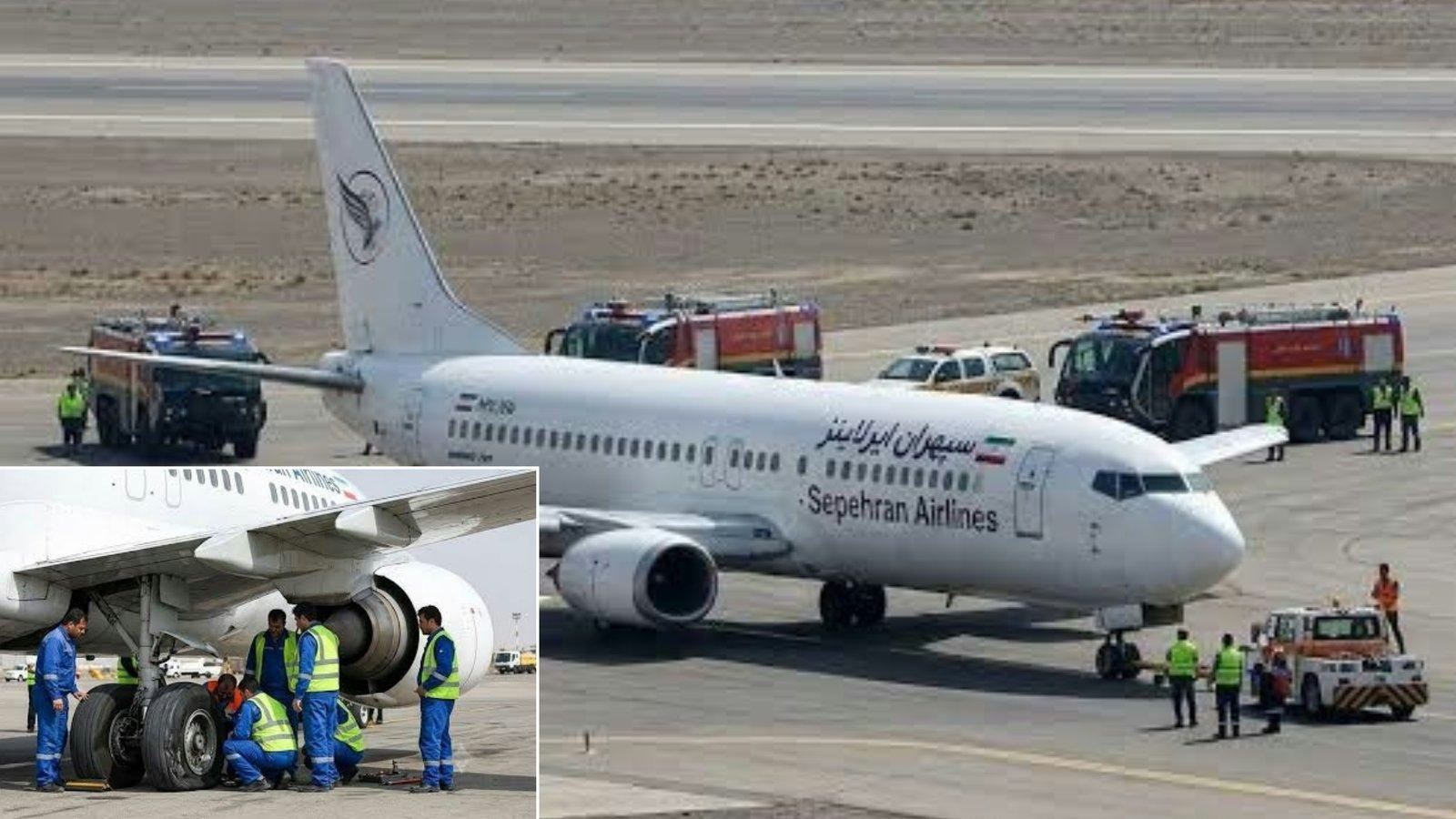
Sepehran Airlines B737 Returns to Mashhad After Tyre and Engine Issues

Etihad Deploys Widebody Fleet to Meet Strong Demand
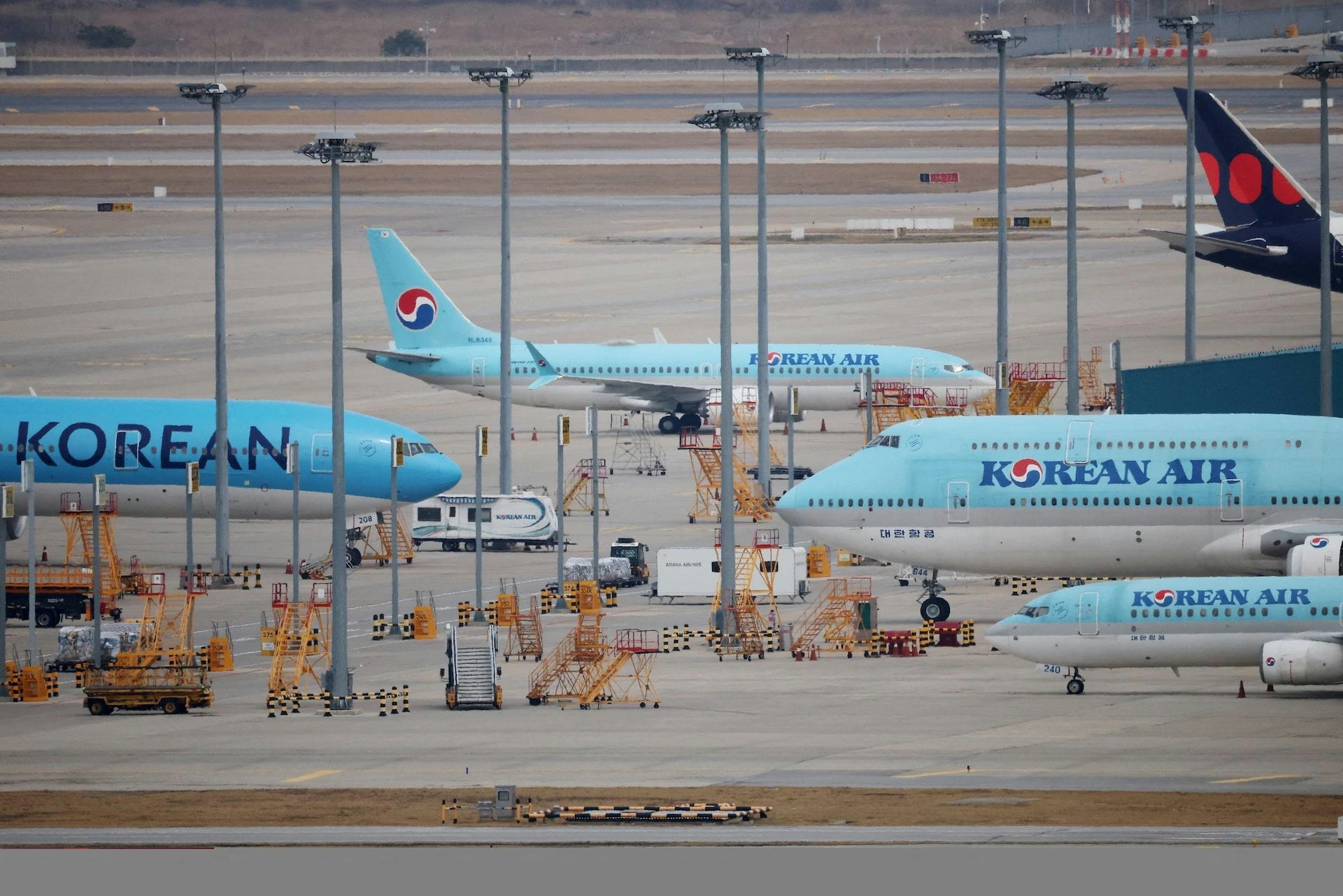
Korean Air Finalizes $36.2 Billion Deal with Boeing
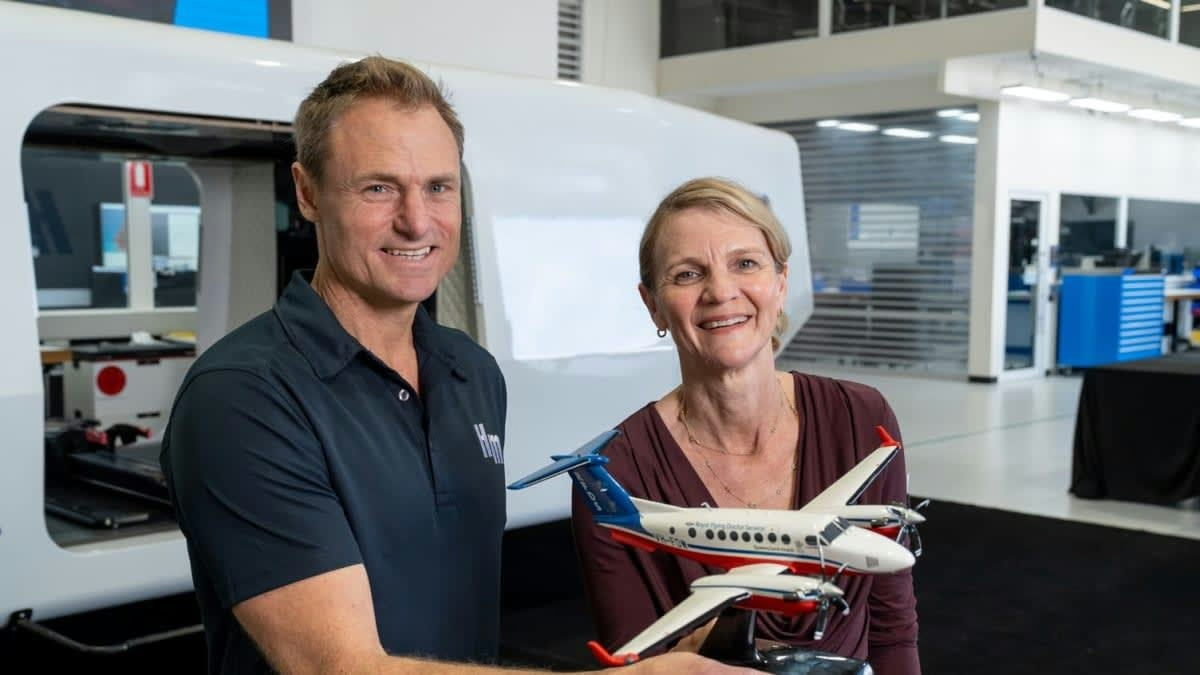
Australia’s RFDS Queensland Section Orders Six King Air 260Cs
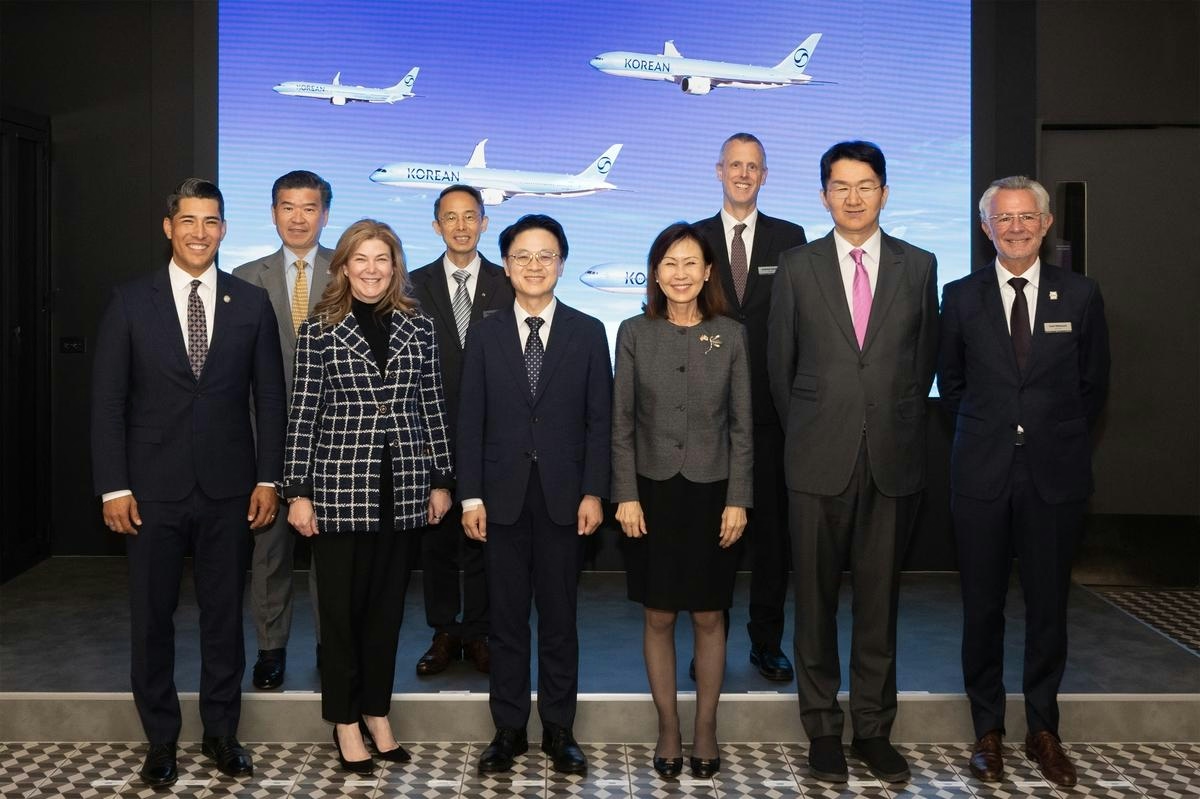
Korean Air Finalizes Order for 103 Boeing Jets and Engines
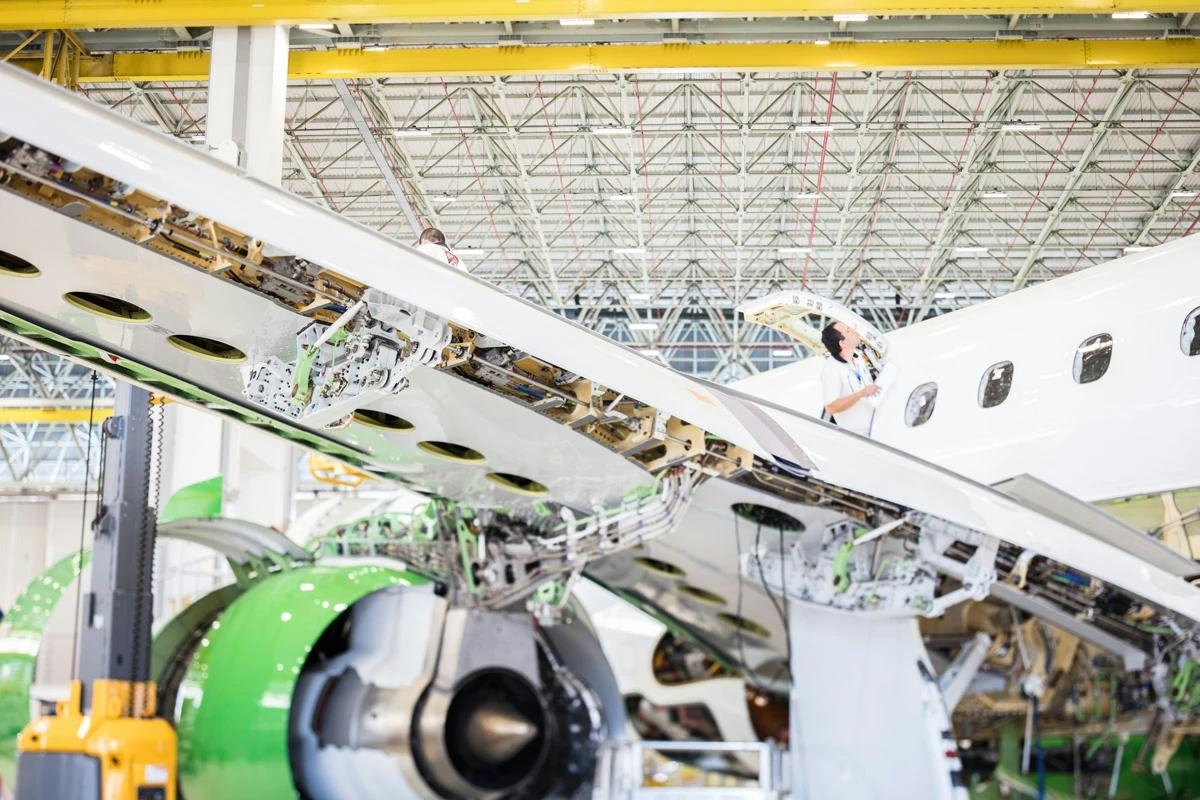
Embraer E195-E2 Features Distinctive Engine Placement Among Regional Jets
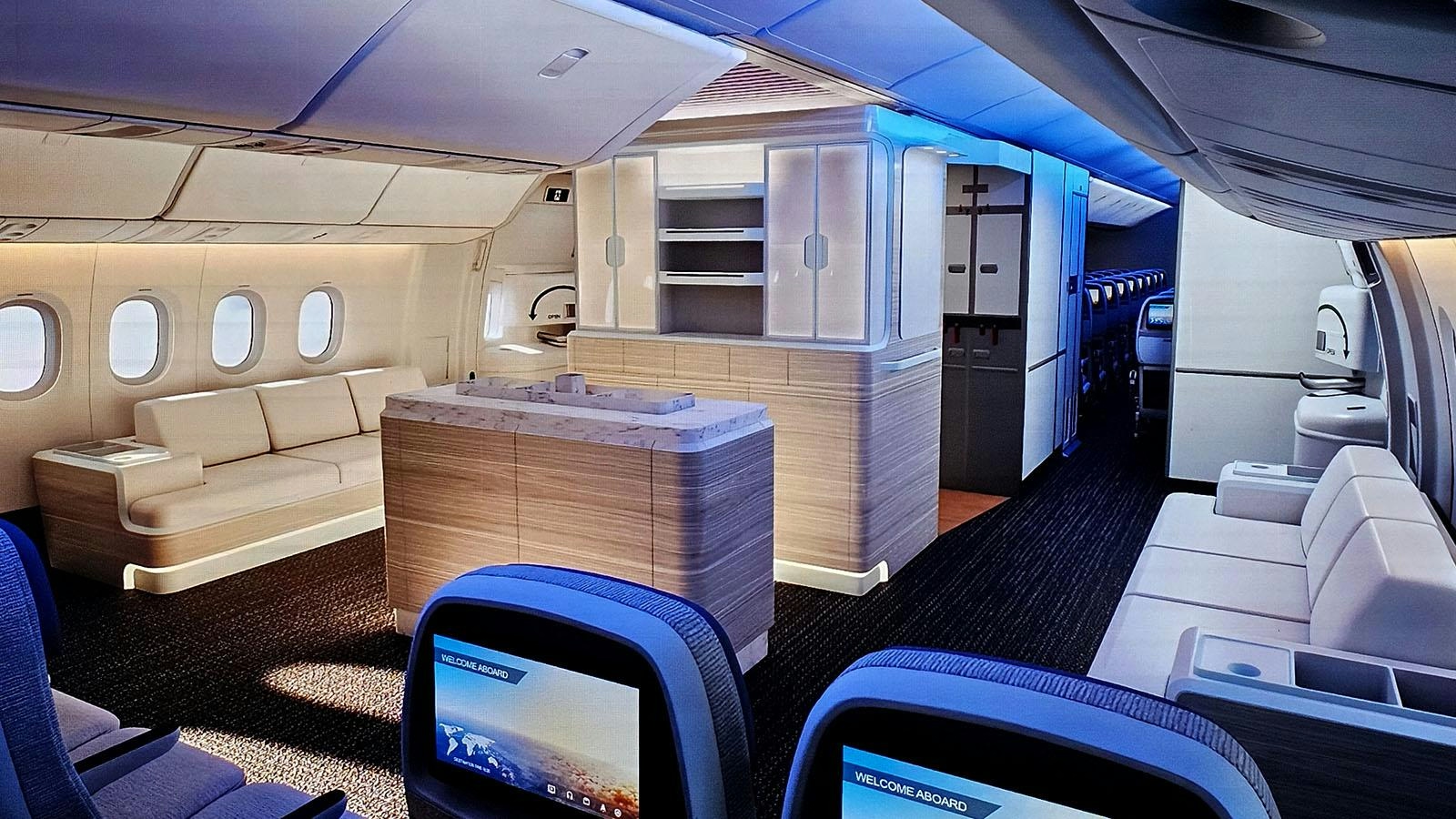
What Passengers Can Expect on Boeing’s New 777X Jet
How Ethiopian Airlines Became Africa’s Leading Carrier Amid Gulf Competition
Joby Aviation Extends Autonomous Flight Capabilities with Cross-Country Tour
