
Превращайте аналитические выводы ИИ в реальные действия

В тренде
Categories
Shipping Industry Developments in Cyprus
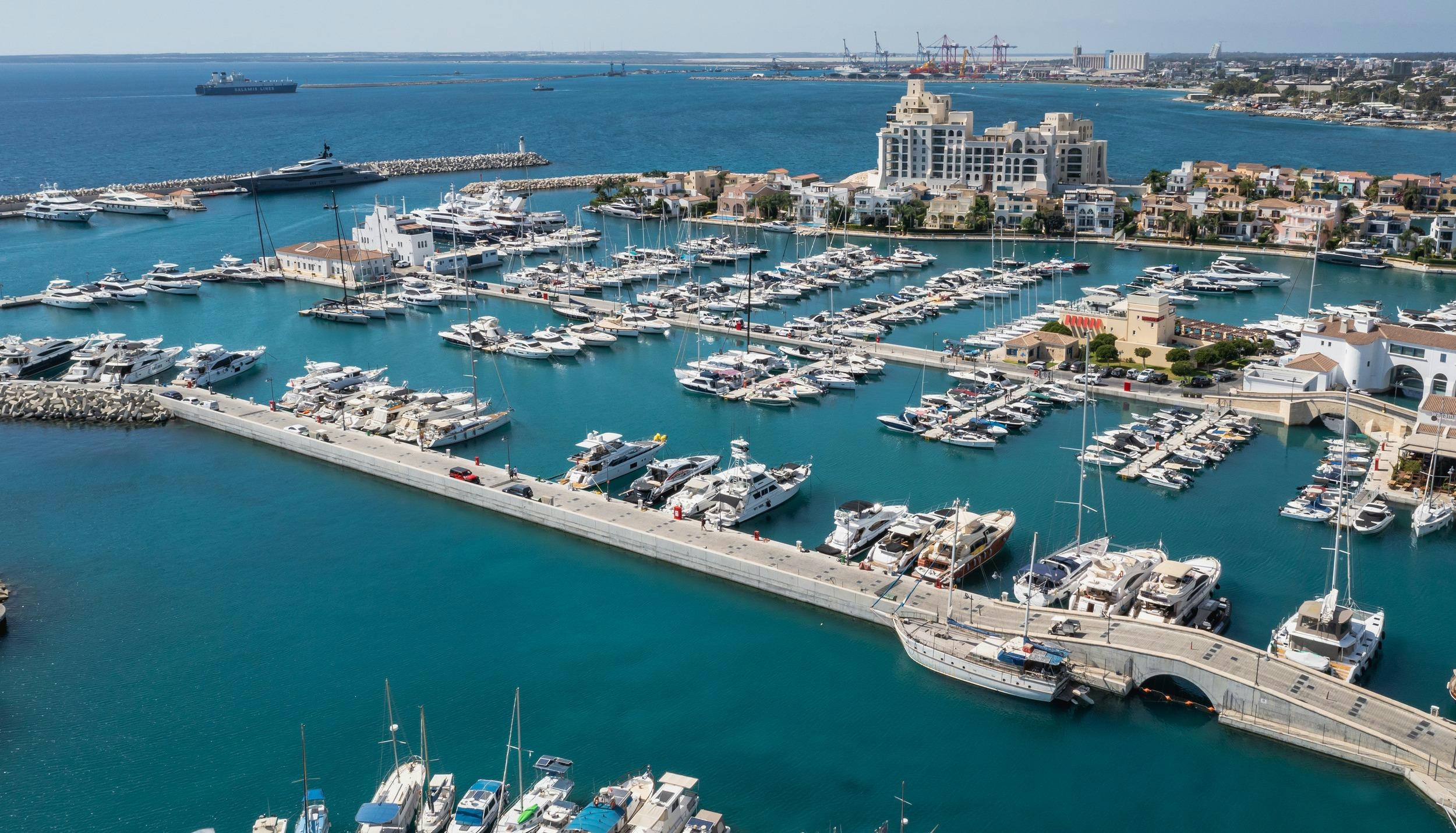
Shipping Industry Developments in Cyprus
Regional Advances in Fuel Supply and Infrastructure
Over the weekend, the Port of Riga marked a significant milestone with the arrival of the first Latvian-bound vessel carrying aviation fuel from the United States. The tanker DAS, escorted through icy waters by the icebreaker Varma, delivered 20,000 tons of aviation fuel—sufficient to meet Riga Airport’s requirements for approximately two winter months. This event coincided with the inauguration of SIA “NAFTIMPEKS”’s new fuel filling and discharging ramp, now the most advanced facility of its kind in the Baltic States. The ramp, capable of handling up to 200,000 tons of fuel monthly, will supply both Riga Airport and gas stations across Latvia.
Ivars Blumbergs, Board Chairman of SIA “NAFTIMPEKS,” described the development as a pivotal moment for the company. Historically focused on transit, the firm has adapted to shifting market realities through substantial investment and transformation. The new infrastructure, which cost over two million euros, is expected to manage about 10,000 tons of aviation fuel per month and will also accommodate diesel and other fuel types.
Latvia’s Minister of Economics, Viktors Valainis, underscored the broader implications of this advancement, emphasizing the diversification of the fuel market. He noted that just a few years ago, the prospect of supplying various fuel types from the United States seemed unlikely, but today it is a tangible reality. This diversification fosters competition and expands options for both entrepreneurs and consumers, while reinforcing Latvia’s transatlantic economic and energy ties. Parliamentary Secretary of the Ministry of Transport, Kristaps Zaļais, highlighted the positive impact on the national airline AirBaltic and Riga Airport, pointing to enhanced competitiveness and sustainability within the transport sector.
Emerging Trends and Challenges in Cyprus Shipping
While Latvia celebrates these developments, Cyprus’s shipping industry is navigating its own set of challenges amid a transforming global environment. The anticipated reduction in the sanctioned tanker fleet presents potential operational difficulties for local maritime businesses. Shifts in global oil flows—driven by increased Venezuelan production and declining Russian crude output—are expected to influence shipping demand and freight rates, creating a complex landscape for Cypriot operators.
In response to these evolving market conditions, competitors such as Sallaum Lines have relocated their headquarters to Limassol, Cyprus. This strategic move aims to leverage the island’s advantageous geographic position and favorable regulatory framework, positioning Cyprus as a competitive hub in the Mediterranean shipping sector.
Looking forward, the global maritime industry’s increasing emphasis on decarbonization and innovation, exemplified by forthcoming events like CMA Shipping 2026, presents both opportunities and challenges for Cypriot shipping companies. As the sector adapts to new sustainability standards and shifting market dynamics, Cyprus remains poised to maintain its role as a key player in the evolving maritime landscape, balancing regulatory adaptation with ambitions for growth and competitiveness.

Etihad Airways Suspends Airbus A380 Flights on Key Route

Aditya Birla Group Seeks Approval for Aircraft Leasing in GIFT City

Qatar Airways Highlights Innovation and Connectivity at Arabian Travel Market 2026

Hong Kong's Five-Year Plan Includes Andrew Fan's Aircraft Parts Processing Hub Proposal

ACIA Aero Leasing Delivers ATR72-600 to Air Nostrum

RTX Appoints Jill Albertelli as Head of Pratt & Whitney

TAT Technologies Joins Beyond Aero Hydrogen Aircraft Program

AURAK Study Highlights Barriers to Air Taxi Adoption in Emerging Economies

Xiamen Air Selects Altitude for 787 Maintenance at Heathrow

Etihad and Swissport Extend Global Partnership
