
Превращайте аналитические выводы ИИ в реальные действия

В тренде
Categories
South Africa and Several African Nations Face Jet Fuel Shortages and Rising Costs Amid Middle East Crisis
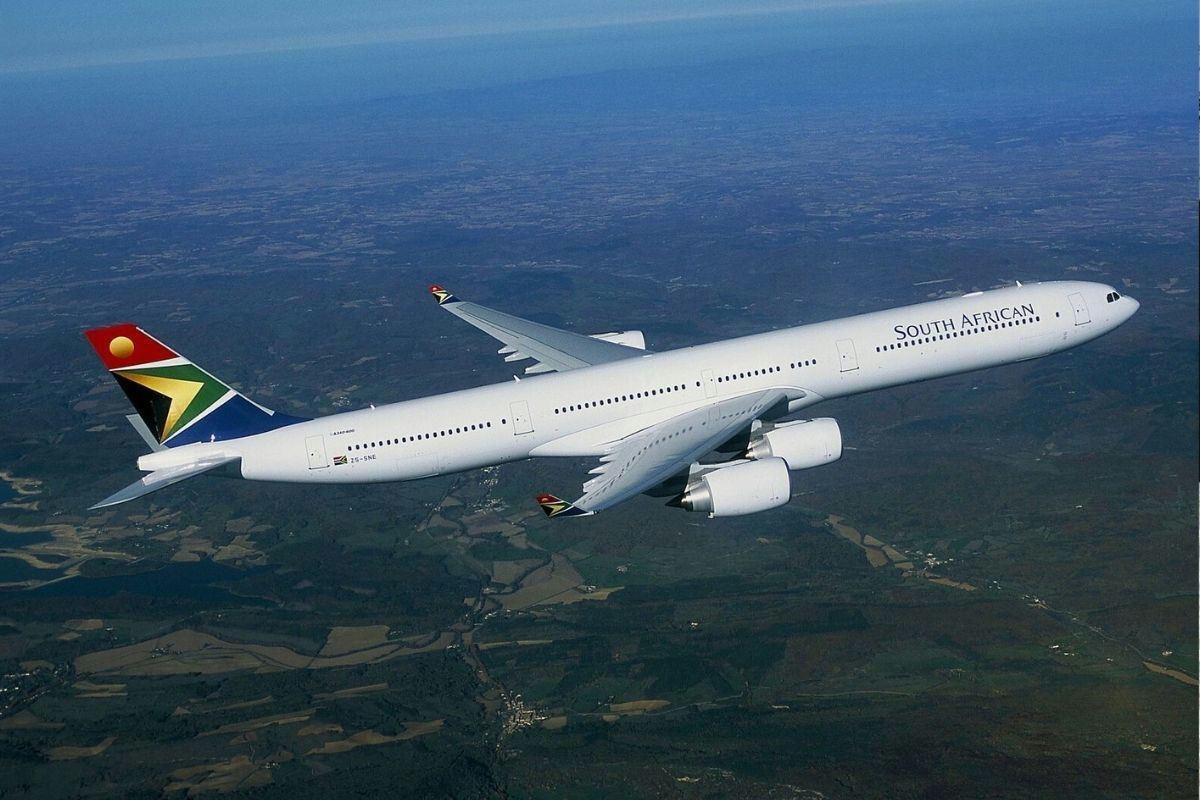
South Africa and African Nations Face Jet Fuel Shortages Amid Middle East Crisis
South Africa, along with several other African countries including Kenya, Zambia, Madagascar, Somalia, and Tanzania, is confronting severe jet fuel shortages and escalating costs as the ongoing conflict in the Middle East disrupts global energy markets. The intensification of hostilities involving the United States, Israel, and Iran has driven crude oil prices above $100 per barrel, creating a ripple effect that threatens the stability of Africa’s aviation sector and broader economic landscape.
Most African nations depend heavily on imported refined petroleum products, rendering them particularly vulnerable to disruptions in global supply chains. The current crisis has caused jet fuel prices to surge dramatically, placing immense financial strain on airlines across the continent. Fuel expenses now constitute more than half of operating costs for many carriers, compelling difficult decisions regarding ticket pricing, route viability, and flight scheduling.
Pressures on South Africa’s Aviation Industry
South Africa’s aviation sector is among the most affected by these developments. Domestic airlines, such as FlySafair, have reported operating cost increases exceeding 70% in certain regions due to the spike in jet fuel prices. This challenge is exacerbated by the country’s diminished refining capacity following the closure of several major refineries in recent years, increasing reliance on imports and exposing airlines to volatile international markets.
Despite these pressures, South African Airways has maintained that its jet fuel supply remains secure, supported by a combination of domestic refining capabilities and established import infrastructure. Nevertheless, the airline has announced fare increases effective March 13, attributing the adjustments to ongoing volatility in global operating conditions and sustained rises in fuel-related expenses.
The unpredictability of jet fuel prices has complicated fare-setting processes, with some ticket prices fluctuating between outbound and return legs of journeys as fuel costs vary. This volatility has introduced significant risks to route planning, prompting airlines to consider cancellations or schedule adjustments amid persistent supply uncertainties.
Continental Impact and Economic Implications
The jet fuel crisis extends beyond South Africa, affecting airlines throughout Kenya, Zambia, Madagascar, Somalia, Tanzania, and other African nations. Rising fuel costs are driving up ticket prices, disrupting flight schedules, and threatening the continent’s connectivity with global markets. Tourism and business travel sectors are particularly vulnerable, with the potential for prolonged disruptions should the Middle East conflict persist.
The broader economic consequences are becoming increasingly evident. Elevated fuel prices contribute to inflationary pressures across Africa, while exposed supply chain vulnerabilities underscore the urgent need for enhanced energy security and diversification strategies. The coming months will be critical as airlines, governments, and industry stakeholders collaborate to mitigate the crisis’s impact and safeguard the future of air travel across the continent.

Etihad Airways Suspends Airbus A380 Flights on Key Route

Aditya Birla Group Seeks Approval for Aircraft Leasing in GIFT City

Qatar Airways Highlights Innovation and Connectivity at Arabian Travel Market 2026

Hong Kong's Five-Year Plan Includes Andrew Fan's Aircraft Parts Processing Hub Proposal

ACIA Aero Leasing Delivers ATR72-600 to Air Nostrum

RTX Appoints Jill Albertelli as Head of Pratt & Whitney

TAT Technologies Joins Beyond Aero Hydrogen Aircraft Program

AURAK Study Highlights Barriers to Air Taxi Adoption in Emerging Economies

Xiamen Air Selects Altitude for 787 Maintenance at Heathrow

Etihad and Swissport Extend Global Partnership
