
Превращайте аналитические выводы ИИ в реальные действия

В тренде
Categories
Southwest Airlines to Integrate AWS and AI in Major Aviation Overhaul by 2028
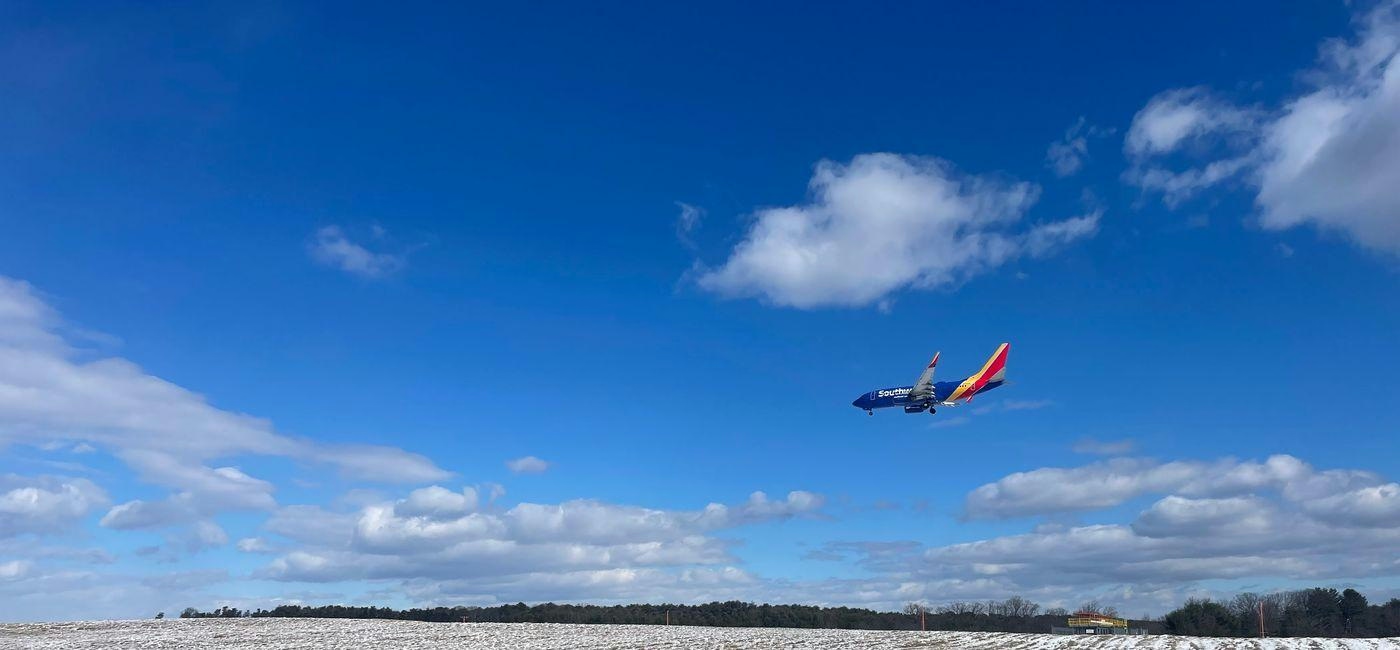
Southwest Airlines to Integrate AWS and AI in Major Aviation Overhaul by 2028
Southwest Airlines has announced an ambitious plan to modernize its technological infrastructure by migrating its core systems to Amazon Web Services (AWS) and embedding artificial intelligence (AI) across its operations by 2028. This comprehensive initiative seeks to replace traditional IT frameworks with scalable, cloud-based solutions, positioning the airline at the forefront of next-generation aviation technology.
The strategy focuses on leveraging AWS’s advanced cloud infrastructure to enhance processing speed, reliability, and operational resilience. By transitioning from legacy systems to adaptive, cloud-native platforms, Southwest aims to foster a more responsive and data-driven environment. This shift is expected to eliminate longstanding limitations and enable rapid innovation throughout the airline’s operations.
AI Integration to Transform Passenger Experience
Central to Southwest’s overhaul is the integration of AI technologies designed to revolutionize the passenger experience. Customer service platforms will be enhanced with AI-powered chatbots capable of delivering faster responses, personalized recommendations, and automated support for common travel inquiries. The airline will also deploy predictive analytics to optimize travel planning and operational forecasting, allowing it to anticipate and mitigate disruptions such as flight delays and maintenance issues before they affect passengers.
Within airports and onboard aircraft, AI-driven systems will streamline processes including boarding, baggage handling, and real-time service adjustments. These improvements aim to reduce friction points and elevate the overall travel experience, creating a more intelligent and adaptive aviation ecosystem where passenger satisfaction is prioritized through automation and data-driven decision-making.
Strengthening Operational Resilience with Cloud-AI Synergy
The integration of AWS and AI is also expected to significantly enhance Southwest’s operational resilience. Distributed cloud architectures will improve system redundancies and modernize disaster recovery protocols, safeguarding airline operations against outages. Real-time predictive maintenance systems will monitor aircraft health, enabling earlier detection of technical issues and optimizing maintenance schedules to maximize aircraft availability while maintaining rigorous safety standards.
Furthermore, AI-driven modeling will support network planning and fuel optimization efforts, reducing operational costs and improving route efficiency. This synergy between cloud computing and AI is anticipated to deliver substantial gains in reliability and efficiency across Southwest’s network.
Industry Impact and Competitive Response
Southwest’s digital transformation is poised to influence the broader aviation industry. The initiative may attract increased investor interest in technology-driven improvements and prompt competitors to accelerate their own technological investments. For instance, American Airlines has partnered with SpaceX’s Starlink to enhance in-flight Wi-Fi, reflecting a wider industry trend toward advanced digital solutions.
Nonetheless, Southwest faces challenges including regulatory compliance, complex technological integration, and potential resistance from competitors intent on preserving market share. As the airline advances its AWS and AI strategy, other carriers may be compelled to reassess and upgrade their digital capabilities to remain competitive in an evolving industry landscape.
By 2028, Southwest Airlines aims to redefine both the passenger experience and operational framework through its comprehensive adoption of cloud and AI technologies, setting a new standard for innovation in global aviation.

Hong Kong's Five-Year Plan Includes Andrew Fan's Aircraft Parts Processing Hub Proposal

ACIA Aero Leasing Delivers ATR72-600 to Air Nostrum

RTX Appoints Jill Albertelli as Head of Pratt & Whitney

TAT Technologies Joins Beyond Aero Hydrogen Aircraft Program

AURAK Study Highlights Barriers to Air Taxi Adoption in Emerging Economies

Xiamen Air Selects Altitude for 787 Maintenance at Heathrow

Etihad and Swissport Extend Global Partnership

Sepehran Airlines B737 Returns to Mashhad After Tyre and Engine Issues

Etihad Deploys Widebody Fleet to Meet Strong Demand

Korean Air Finalizes $36.2 Billion Deal with Boeing
