
KI-Erkenntnisse in konkrete Maßnahmen überführen

Trends
Categories
Benefits of Flying on Emirates’ Airbus A380
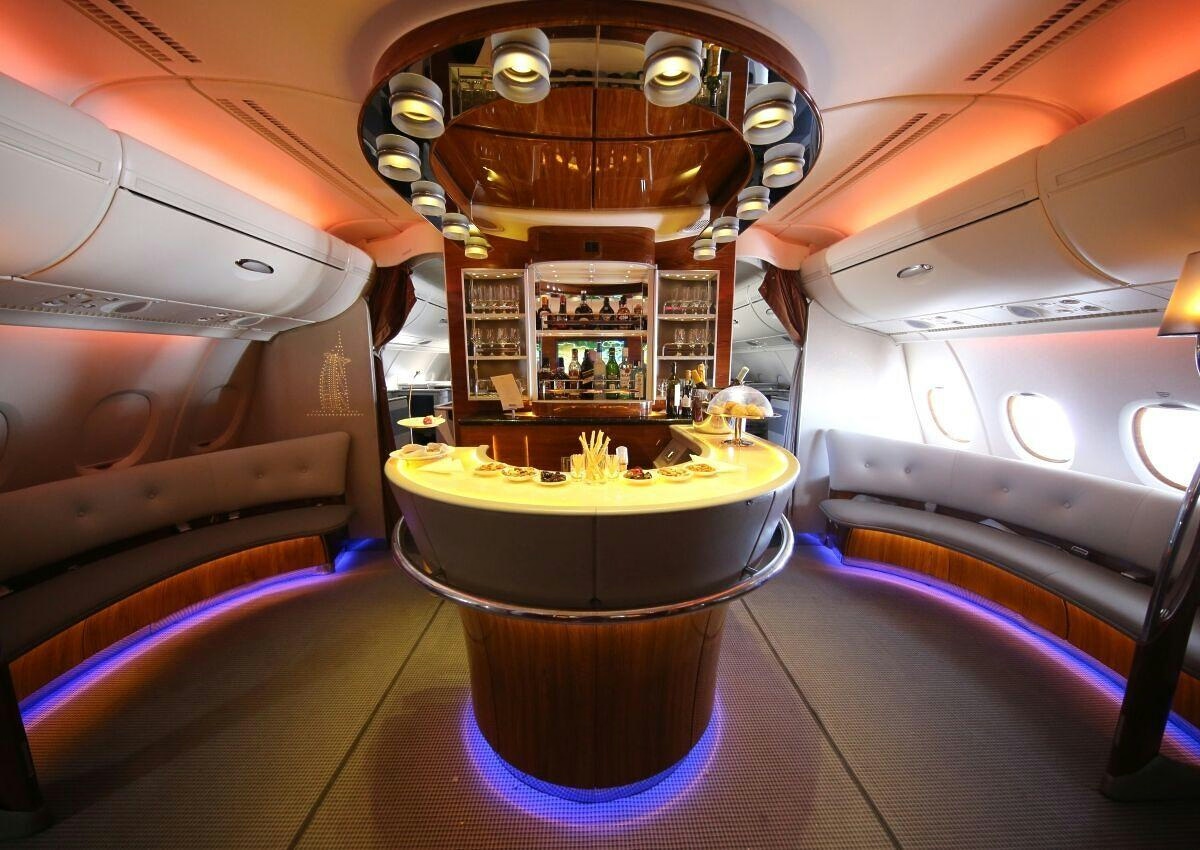
Benefits of Flying on Emirates’ Airbus A380
For many travelers, the Airbus A380 is more than just an aircraft; it symbolizes a new standard of comfort and innovation in long-haul air travel. While numerous airlines have phased out the superjumbo, Emirates continues to operate the world’s largest A380 fleet, making the aircraft a cornerstone of its brand and passenger experience. This enduring commitment prompts an examination of what distinguishes the Emirates A380 journey from others.
A Distinctive Experience in the Sky
The foremost advantage of flying on Emirates’ A380 lies in the noticeably calmer and more comfortable travel experience it provides compared to most other widebody aircraft. The aircraft’s impressive size is only part of the equation; its design offers more usable space per passenger, which significantly reduces noise, congestion, and the feeling of crowding. Passengers frequently comment on the aircraft’s quietness and smooth ride, qualities that are evident even before considering Emirates’ premium onboard services.
Emirates has capitalized on these inherent benefits by positioning the A380 as a flagship aircraft rather than merely a high-capacity transport. The airline’s cabin configurations, including the distinctive upper deck and a range of amenities, are meticulously designed to enhance comfort across all travel classes—economy, business, and first. This thoughtful approach ensures that even economy passengers experience a less tiring and more spacious environment compared to alternatives such as the Boeing 777.
Design and Operational Excellence
Several design and operational factors contribute to the unique appeal of Emirates’ A380. The aircraft’s wide fuselage allows for broader aisles, larger galleys, and more open seating arrangements, which ease congestion during boarding, meal service, and lavatory use. Its four-engine layout and substantial cabin volume also contribute to a quieter and more stable flight, minimizing vibrations and the impact of turbulence.
Emirates’ cabin configuration further enhances passenger comfort by prioritizing ease of movement over maximizing seat density. This design philosophy is evident throughout the travel experience, from efficient boarding procedures to the relaxed atmosphere maintained during long-haul flights.
Navigating Industry Challenges
Emirates’ ongoing investment in the A380 occurs amid significant challenges within the aviation industry. The airline is preparing to introduce its first Boeing 777X by June next year, signaling a continued modernization of its fleet. However, the sector faces persistent difficulties, including technical issues with the Rolls-Royce engines powering the competing Airbus A350-1000 and broader production delays affecting aircraft manufacturers worldwide.
Additionally, the ongoing conflict in the Middle East has led to a sharp reduction in available seat capacity, with regional carriers reporting nearly a 35% decline by May. This situation has compelled Emirates and its regional counterparts to make reactive adjustments to routes and schedules, testing their operational agility.
Despite these obstacles, Emirates remains confident in its fleet strategy. The airline’s steadfast commitment to the A380, alongside planned investments in next-generation aircraft, reflects its dedication to delivering a superior passenger experience even as the aviation landscape continues to evolve.
Conclusion
The Emirates A380 distinguishes itself not merely by its size but through a combination of thoughtful design and an operational philosophy centered on passenger comfort and refinement. As Emirates confronts industry challenges and prepares to expand its fleet, the A380 endures as a defining emblem of the airline’s approach to innovation and excellence in long-haul travel.

Etihad and Swissport Extend Global Partnership
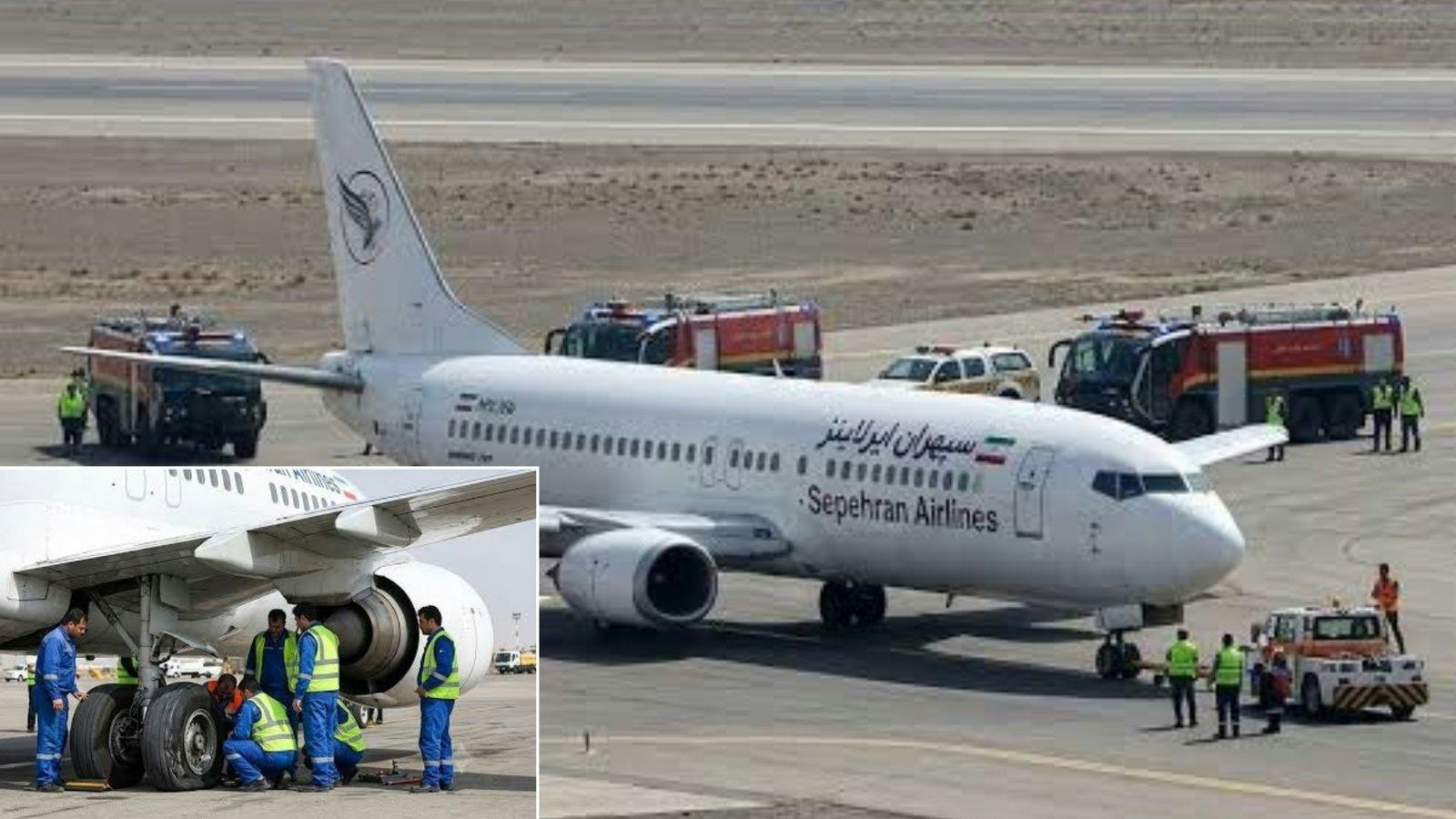
Sepehran Airlines B737 Returns to Mashhad After Tyre and Engine Issues

Etihad Deploys Widebody Fleet to Meet Strong Demand

Korean Air Finalizes $36.2 Billion Deal with Boeing
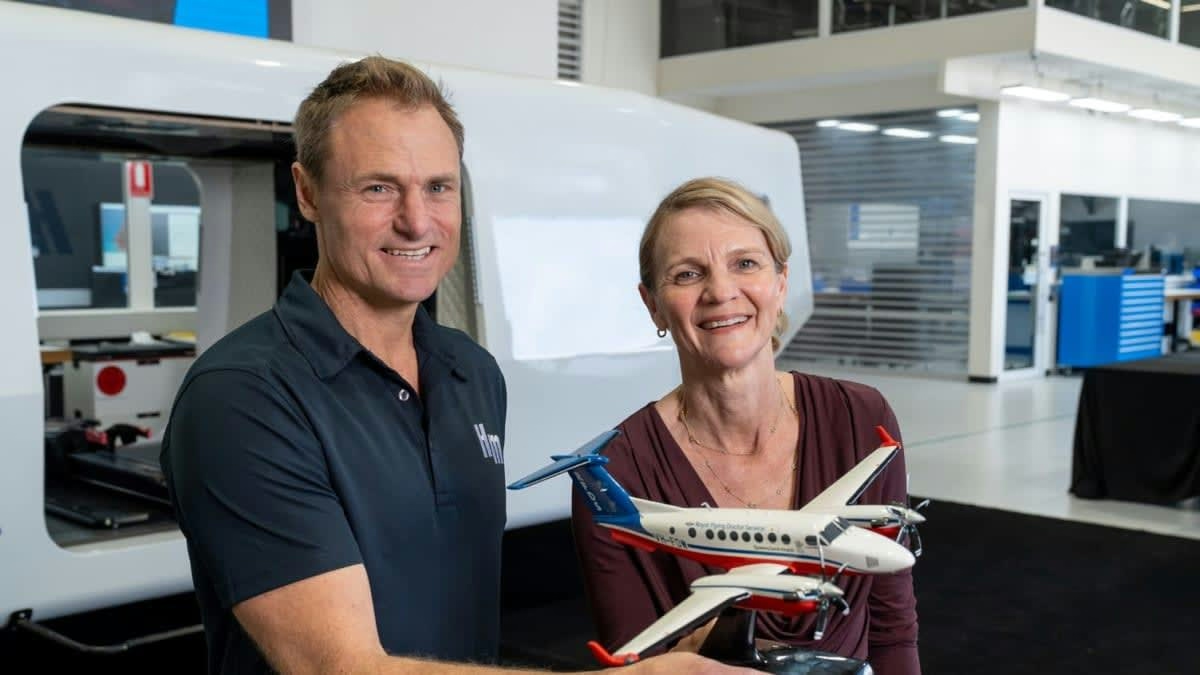
Australia’s RFDS Queensland Section Orders Six King Air 260Cs

Korean Air Finalizes Order for 103 Boeing Jets and Engines

Embraer E195-E2 Features Distinctive Engine Placement Among Regional Jets

What Passengers Can Expect on Boeing’s New 777X Jet
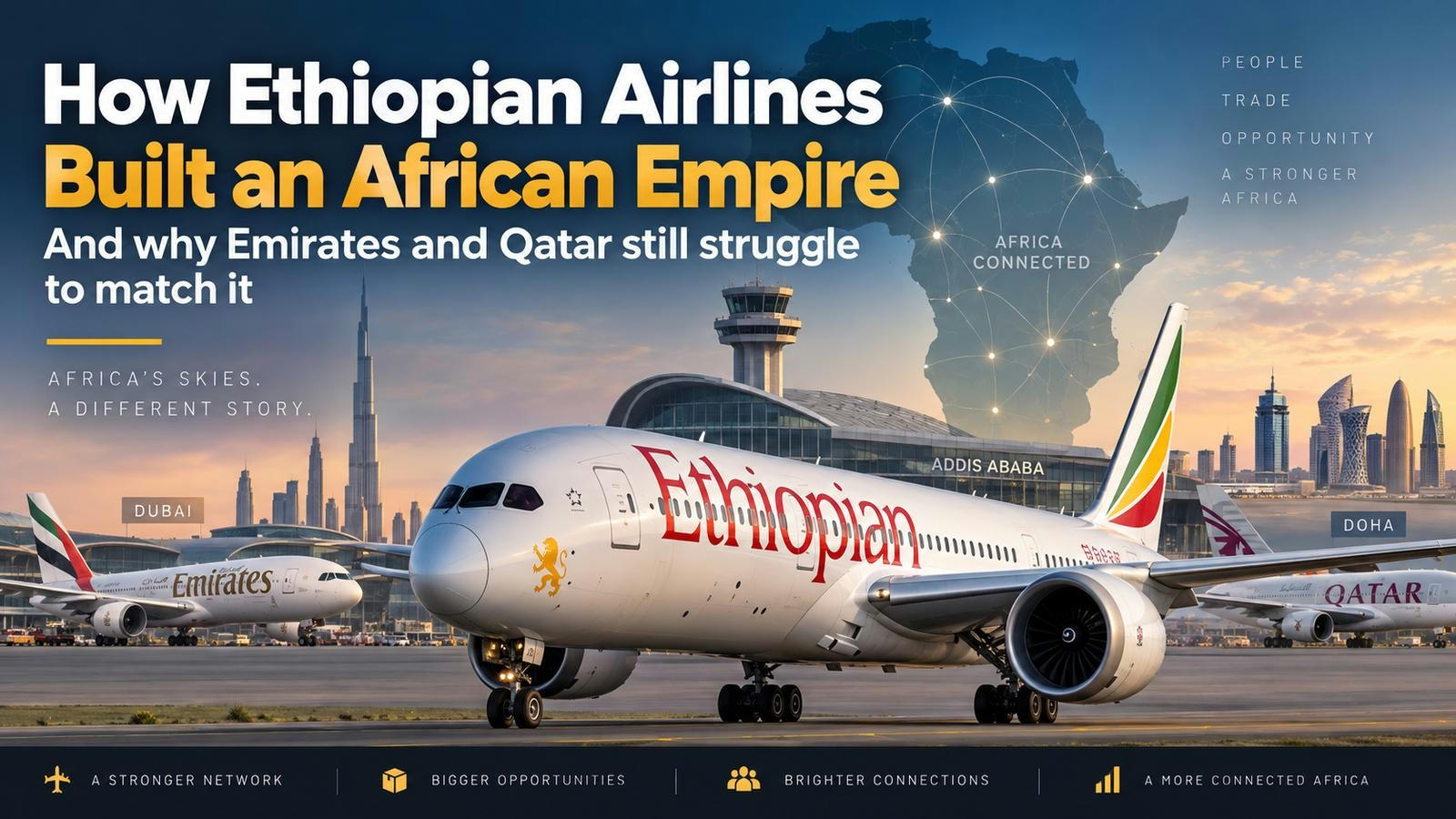
How Ethiopian Airlines Became Africa’s Leading Carrier Amid Gulf Competition

Joby Aviation Extends Autonomous Flight Capabilities with Cross-Country Tour
