
KI-Erkenntnisse in konkrete Maßnahmen überführen

Trends
Categories
EASA Orders Urgent Wing-Spar Crack Inspections on Airbus A380 Fleet
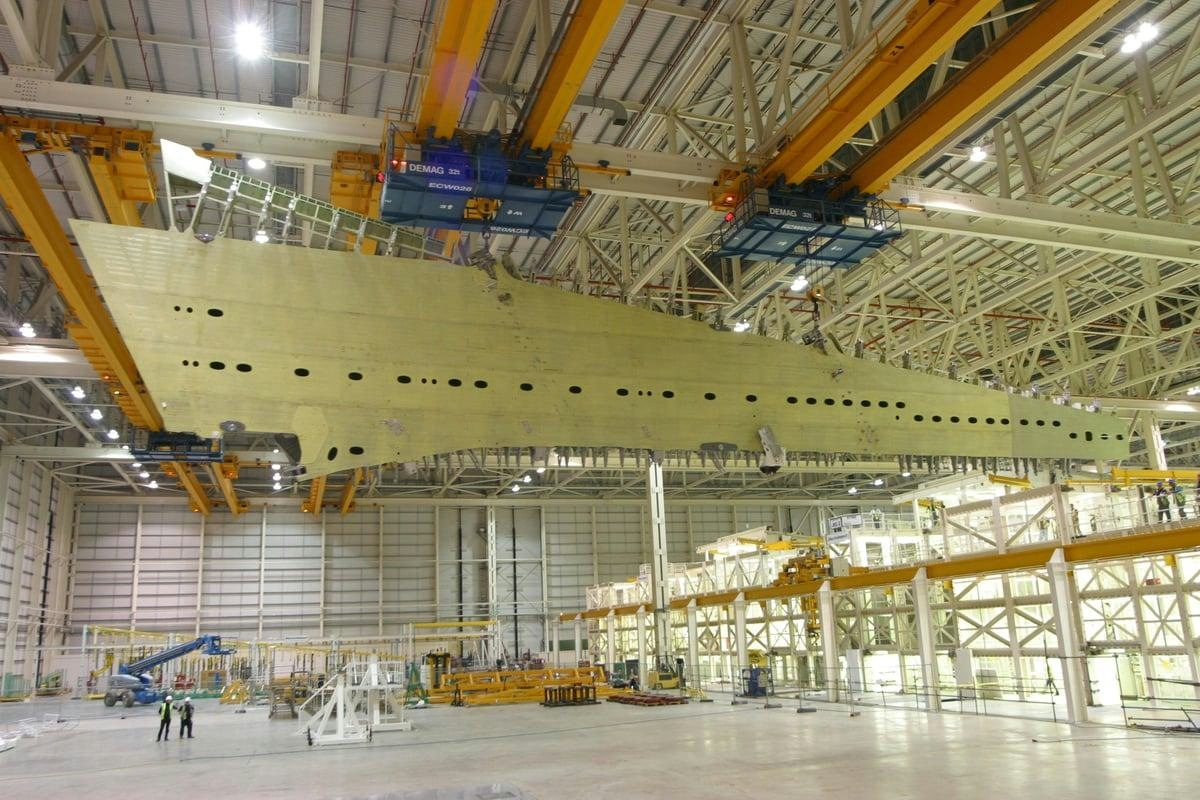
EASA Mandates Immediate Wing-Spar Crack Inspections on Airbus A380 Fleet
The European Union Aviation Safety Agency (EASA) has issued an urgent airworthiness directive requiring comprehensive inspections of the Airbus A380 fleet following the discovery of cracks in a critical wing component. This directive affects 16 aircraft currently in operation worldwide and places particular emphasis on Emirates, the largest operator of the superjumbo.
Discovery of Cracks in a Critical Wing Structure
The cracks were identified during routine maintenance checks in the wing spar, a principal structural beam that extends along the wing and bears significant aerodynamic loads during flight. EASA has indicated that the affected area lies within the outer wing section, a region subjected to considerable stress. Although the agency has not revealed the precise number of aircraft with confirmed cracks, the broad scope of the directive suggests a precautionary approach aimed at preventing a wider structural issue across the global fleet.
This directive follows a series of inspections conducted over the past two years, which uncovered cracks in both the rear and front spars of certain A380s. The urgency of the current mandate underscores the potential risk to the aircraft’s structural integrity if such damage remains undetected, compelling EASA to demand immediate inspections before further flights are permitted.
Operational Implications and Industry Challenges
The directive targets specific A380 airframes based on flight cycles and configuration, impacting major operators including Emirates, Singapore Airlines, British Airways, Qantas, Lufthansa, Qatar Airways, Korean Air, Etihad Airways, ANA, and Asiana Airlines. Emirates, which operates more than half of the active A380 fleet, faces significant operational challenges as the inspections may result in flight cancellations or the need to substitute aircraft in the short term.
Airlines are required to complete the inspections within a stringent timeframe established by EASA. Aircraft found to have cracks must undergo repairs before returning to service, while those passing the inspections may continue operating under standard maintenance protocols. The aviation maintenance sector is already contending with labor and material shortages, escalating costs, and geopolitical uncertainties, all of which could complicate timely repairs and further disrupt airline operations.
Inspection and Repair Procedures
Technicians will employ non-destructive testing methods such as ultrasonic scanning and eddy-current testing to examine the wing spar without dismantling major structures. These advanced techniques can detect cracks invisible to the naked eye and typically require several hours per aircraft. Airlines with large A380 fleets are expected to stagger inspections to mitigate operational disruptions, though some delays are anticipated.
If cracks are detected, repairs may range from reinforcement patches to more extensive structural interventions, potentially grounding affected aircraft for prolonged periods. The directive has also prompted increased scrutiny of Airbus’s maintenance protocols and speculation about similar issues in competitor fleets, which could lead to further regulatory measures.
Historical Context and Ongoing Concerns
The A380 has previously encountered wing-related structural issues. In 2012, EASA mandated inspections after cracks were found in wing rib feet and brackets. The current directive renews attention on the long-term durability of the world’s largest passenger aircraft, which entered service in 2007 and saw its final delivery in 2021 following the end of its production.
As the aviation industry responds to this directive, it highlights the complexities involved in maintaining aging widebody fleets and underscores the persistent challenges confronting global aviation maintenance.
China Joins Global Leaders at AirExpo Shanghai to Advance Aviation Innovation

FAA Selects Air Space Intelligence for AI-Based Traffic Control Tool

Utah Explores Drones and Air Taxis as Future Transportation

FAA Awards Contracts for New Air Traffic Control Software
Airline Updates — June 23, 2026

Flyte's AI Aviation Strategy Attracts Interest in VTAK Stock

Supply Chain Disruptions Pose Ongoing Challenges for Airlines

Japan’s Aircraft Leasing Industry Faces New Challenges

United Introduces Starlink Wi-Fi on First Widebody Transatlantic Flight
Why electric aviation could become the test case for mobility's ecosystem-driven future
