
AeroGenie — Ihr intelligenter Copilot.

Trends
Categories
FAA Selects North Carolina for National Air Taxi Pilot Program
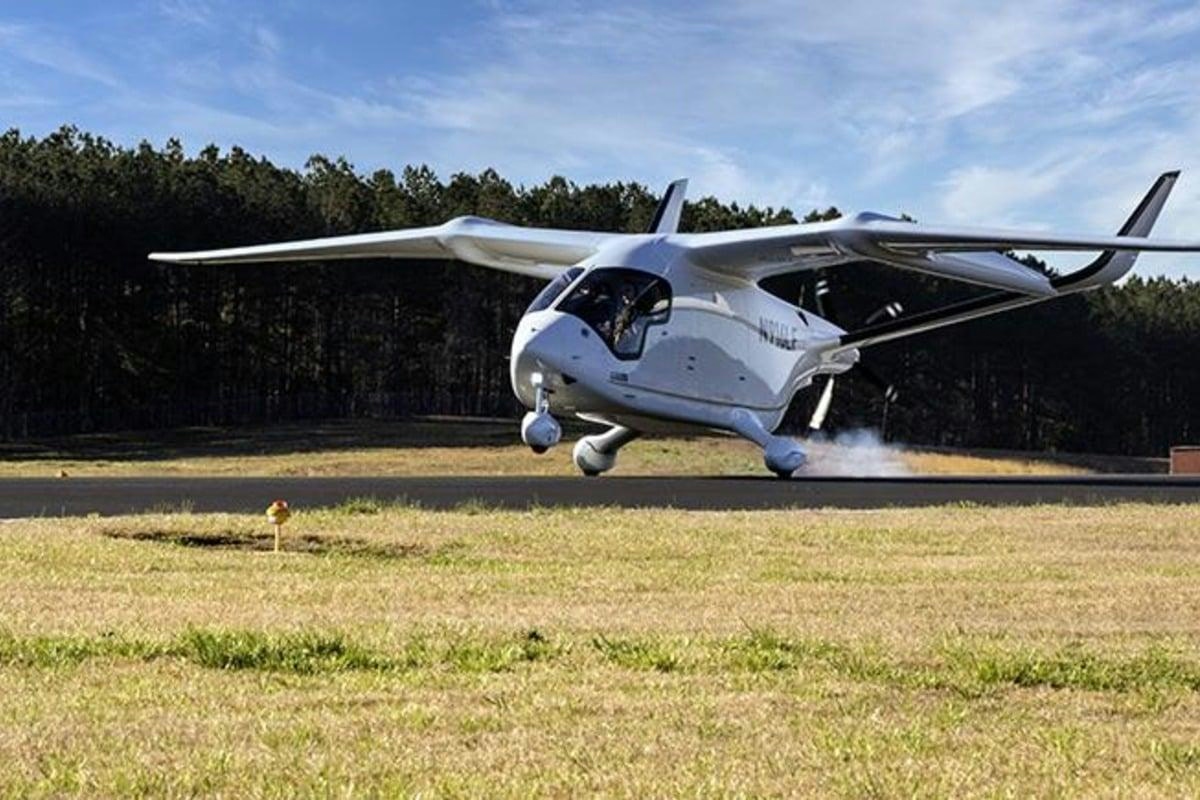
FAA Selects North Carolina for National Air Taxi Pilot Program
The Federal Aviation Administration (FAA) has designated North Carolina as one of 26 states to participate in its Advanced Air Mobility and Electric Vertical Takeoff and Landing (eVTOL) Integration Pilot Program. This initiative aims to test and integrate emerging electric aircraft technologies into the national airspace, potentially transforming the future of urban transportation with the introduction of air taxis.
Advancing Electric Air Mobility
eVTOL aircraft are compact vehicles capable of vertical takeoff and landing, combining the operational flexibility of helicopters with the efficiency and design of small airplanes. The FAA’s pilot program, established under a federal directive to explore innovative aviation technologies, seeks to collect data that will inform regulatory frameworks and facilitate the broader adoption of these aircraft across the United States.
FAA Deputy Administrator Chris Rocheleau emphasized the transformative potential of these technologies, stating, “These aircraft really will be game-changing. We’re looking to move beyond isolated demonstrations and work with state and local officials to build an ecosystem that supports safe, widespread use of these technologies.”
North Carolina’s Role and Collaborative Efforts
Within the program, eight projects are underway across the participating states, focusing on applications such as urban air taxi services and cargo logistics. North Carolina’s Department of Transportation will partner with electric aircraft manufacturer BETA and air taxi operator Joby Aviation to conduct tests involving eVTOLs in medical scenarios. These tests will include the transportation of emergency equipment and supplies, leveraging the state’s extensive medical network—a key factor in its selection for the program.
Rocheleau noted the state’s prior experience with drone deliveries, which has been transformative, and expressed optimism that advanced air mobility will similarly enhance the movement of passengers and critical medical resources. The program will also explore autonomous flights between North Carolina and Virginia, with testing scheduled to commence this year and continue for at least three years. Further details on North Carolina’s involvement are expected to be released by the Department of Transportation in the near future.
Challenges and Market Response
Despite the promising outlook, the pilot program faces significant challenges, including regulatory hurdles, safety concerns, and the need for new infrastructure to support these novel aircraft. The FAA and its partners must address these issues to ensure the safe and effective integration of air taxis into the national airspace.
Market reactions to the announcement have been positive, with shares of air taxi companies such as Joby Aviation experiencing notable gains. Other competitors, including Archer Aviation and Wisk, are also actively engaged in the pilot program, developing their own air taxi services and contributing to the rapidly evolving electric aviation sector.
The FAA views this initiative not only as a test of new technology but also as a critical step toward establishing a national framework for advanced air mobility that balances innovation with safety and regulatory oversight.
Federal Approval Advances New York City Air Taxi Test Program
Cryogenic Hydrogen Fuel System Tested for Aircraft Turbines at -423°F

Electric air taxis could transform travel in growing cities like Atlanta

Community Responds to Proposed Jet Hangar at Farmingdale Republic Airport

Cirrus SR22 Crashes Due to Fuel Contamination
US Airlines Introducing Updated Widebody Cabins in 2026
SkySelect Raises $9 Million to Modernize Aircraft Parts Procurement Using AI

FAA Approves Turbocharger Clamp After Widespread Demand

Key Considerations for Aviation Deals in Italy
Why the Boeing 777X Has Unique Wingtips Compared to Other Widebodies
