
KI-Erkenntnisse in konkrete Maßnahmen überführen

Trends
Categories
Turnaround Time Consistency to Shape MRO Competitiveness in 2026

Turnaround Time Consistency to Shape MRO Competitiveness in 2026
Suresh Iyer, Founder and CEO of Impresa Corp, brings over thirty years of leadership experience across aerospace, defence, logistics, and digital manufacturing. As a pioneer in maintenance, repair, and overhaul (MRO) and digital twin technologies, Iyer has played a pivotal role in helping MRO providers reduce turnaround time (TAT), enhance regulatory compliance, and improve profit margins. However, as the aviation industry looks toward 2026, the emphasis on speed is giving way to a more critical priority: consistency.
The Growing Importance of Predictability in MRO Operations
For airline operations leaders, the primary concern is no longer a single extended maintenance event but the unpredictability of aircraft redelivery dates. When an aircraft expected back on a Tuesday returns only on Friday, it disrupts crew scheduling, triggers a cascade of timetable adjustments, and incurs unforeseen costs. Such disruptions are becoming increasingly common as demand for MRO services grows faster than available capacity, compounded by aging fleets that require more complex and time-intensive maintenance checks.
The structural challenges confronting the MRO sector are intensifying. Global commercial fleets continue to expand, with narrowbody aircraft operating at high utilization rates. The average age of in-service fleets now exceeds 11 years, pushing more aircraft into heavy maintenance cycles that demand intricate coordination of labour, parts, tooling, and regulatory compliance. Despite this growing workload, capacity has not kept pace. Acute workforce shortages persist, with industry estimates projecting a need for tens of thousands of additional technicians by the end of the decade. The certification process remains lengthy, training is resource-intensive, and experienced personnel are increasingly difficult to replace.
Supply Chain Constraints and Their Impact on Turnaround Times
Supply chain disruptions further complicate the MRO landscape. Although some improvements have been made, bottlenecks persist, particularly for rotable components and specialised materials. The scarcity of legacy engine parts adds another layer of complexity, making it more challenging for MRO providers to meet delivery commitments. Airlines and lessors have little tolerance for unpredictability, as delayed maintenance can lead to flight cancellations, wet-lease expenses, crew reassignments, and widespread network disruptions. For lessors, delays interfere with aircraft transitions, complicate remarketing efforts, and negatively affect asset utilisation and valuation.
Average turnaround time figures, frequently cited in reports and proposals, can be misleading. Two MRO providers may advertise identical average TATs yet deliver vastly different customer experiences. One may consistently meet committed deadlines, enabling predictable planning and stable economics, while the other may introduce volatility that forces customers to build in buffers, absorb delays, and manage ongoing uncertainty. As operational pressures intensify, this distinction is becoming a decisive factor in competitive positioning.
Strategies to Enhance Consistency and Reliability
In response to these challenges, MRO providers are increasingly investing in advanced technologies and workforce training aimed at improving consistency and reliability. Strategic partnerships and collaborations are also being formed to bolster supply chain resilience and operational efficiency. In a market where demand outstrips capacity and operational margins are under pressure, the ability to deliver not only speed but also predictable and repeatable turnaround times will be the defining characteristic of MRO competitiveness in 2026.
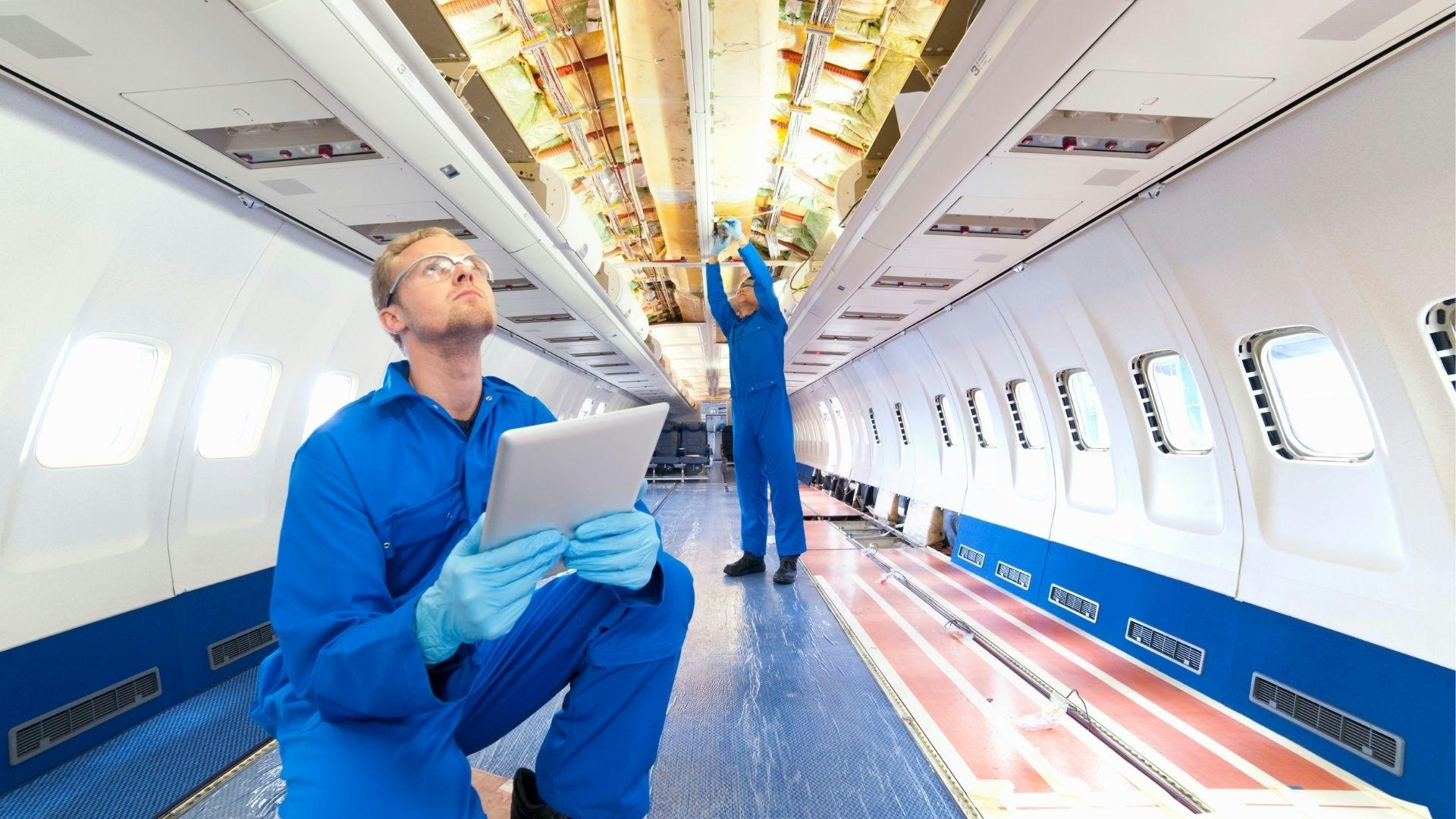
Strengthening Europe's Aviation Supply Chain Amid Uncertainty
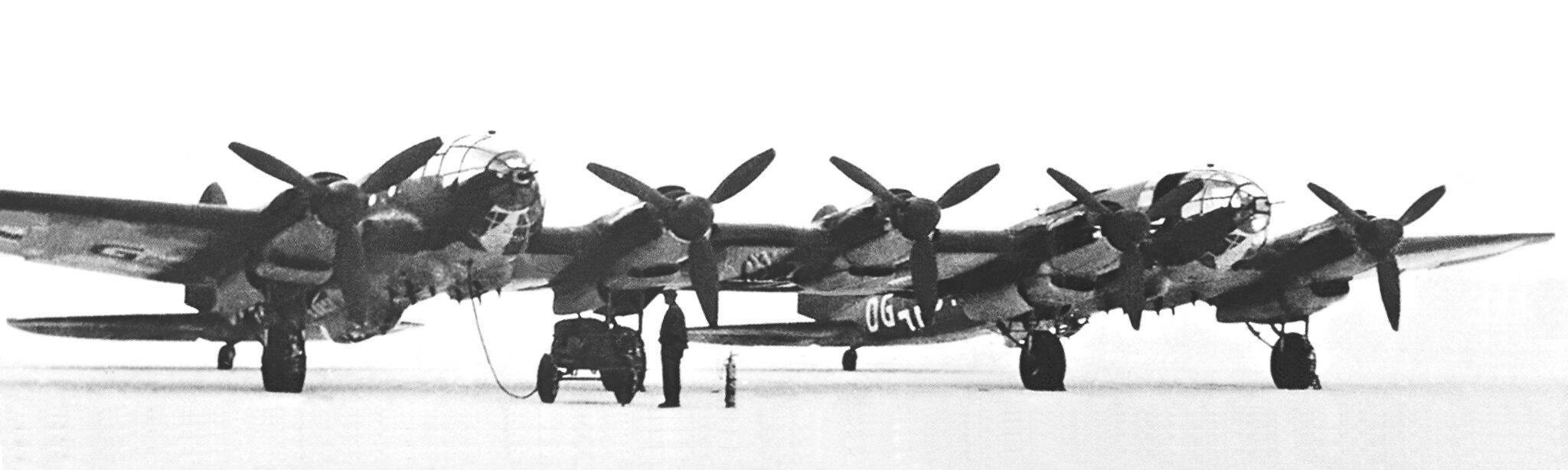
He 111Z Zwilling: Twin Fuselages, Five Engines, One Pilot

Monacair Plans Electric Air Taxi Service Between Monaco and Nice by 2029
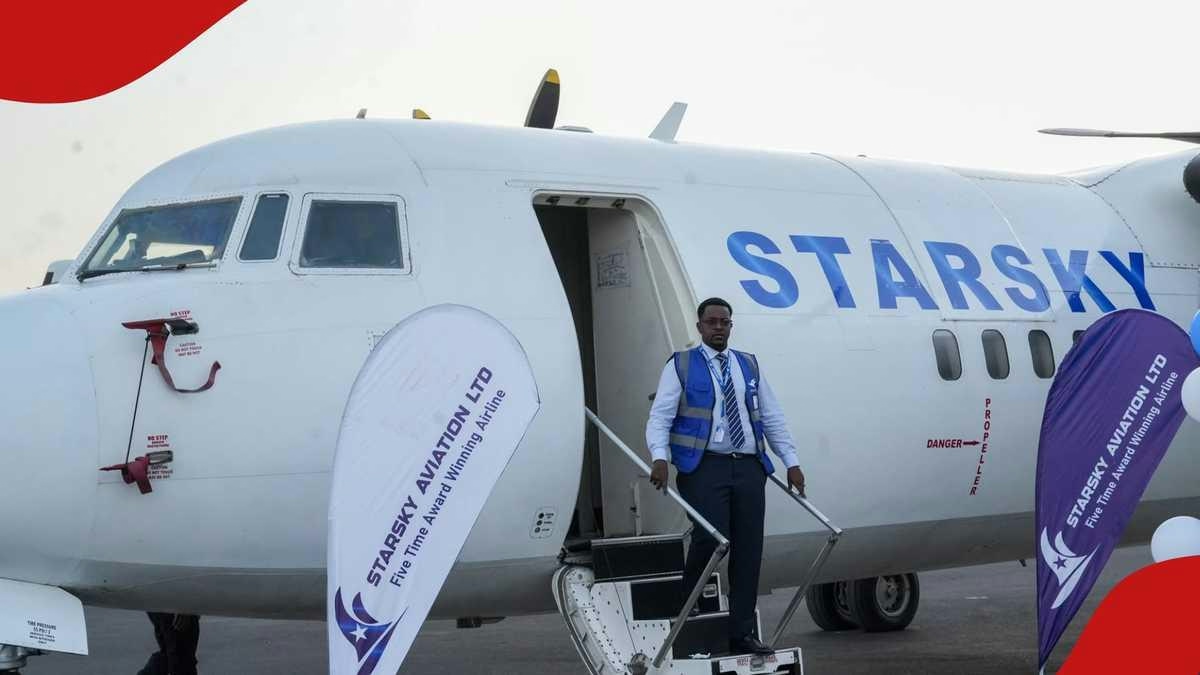
Somalia’s Starsky Aviation Plans International Expansion

Precision and Care Essential in Aerospace Coating Applications
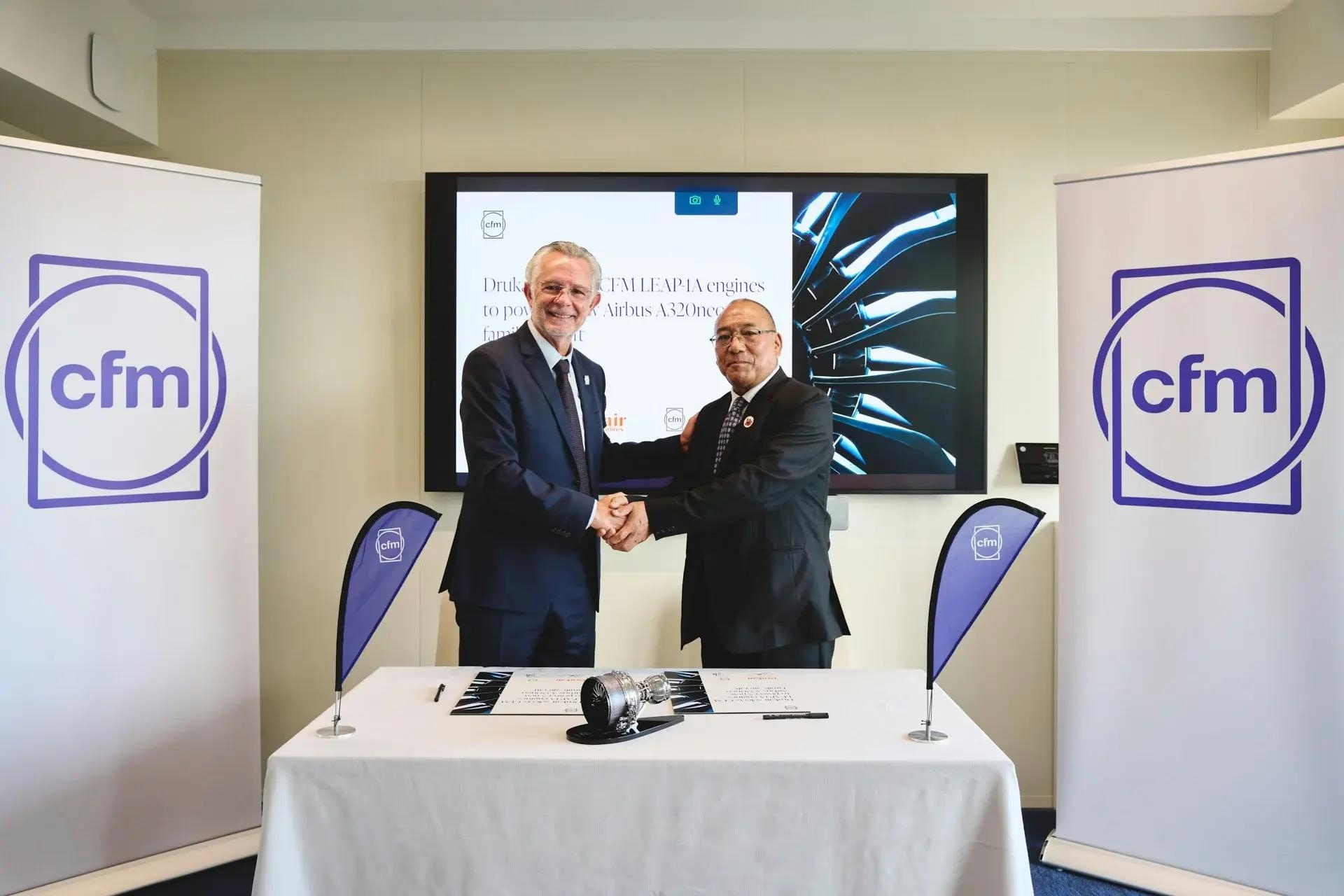
Drukair Chooses LEAP Engines for Five Airbus Aircraft

Russia Tests Air Taxis with Passenger Flights Possible in 2-3 Years
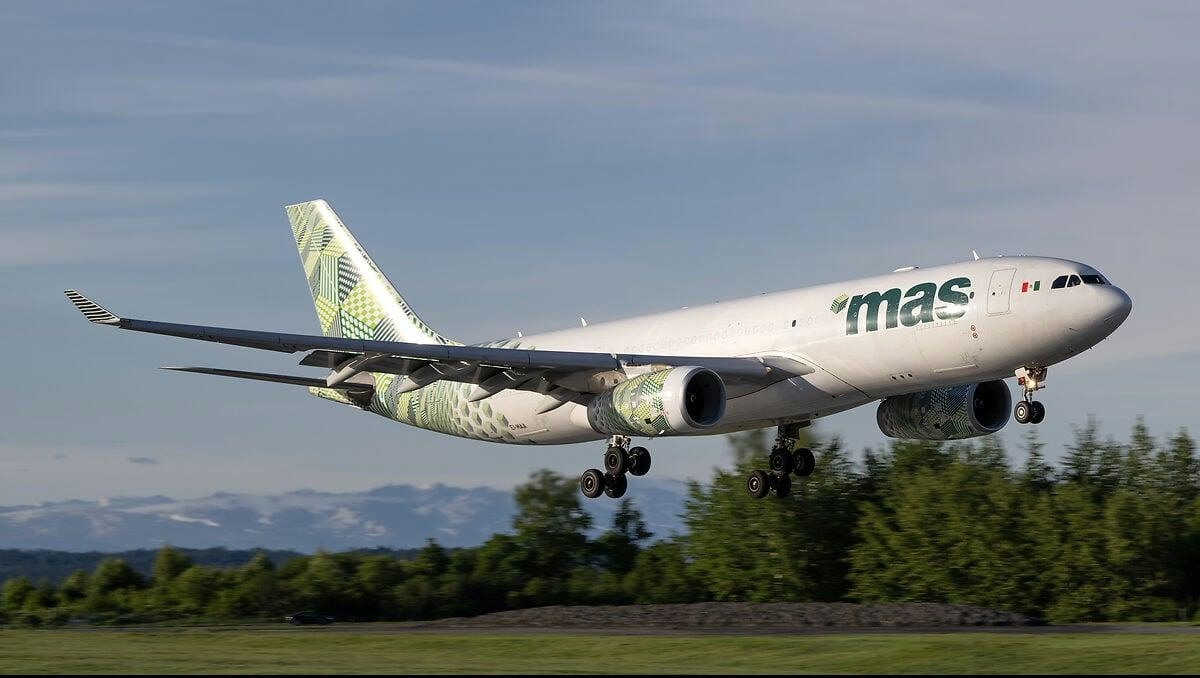
EPCOR and MAS Sign Five-Year A330 APU Support Agreement
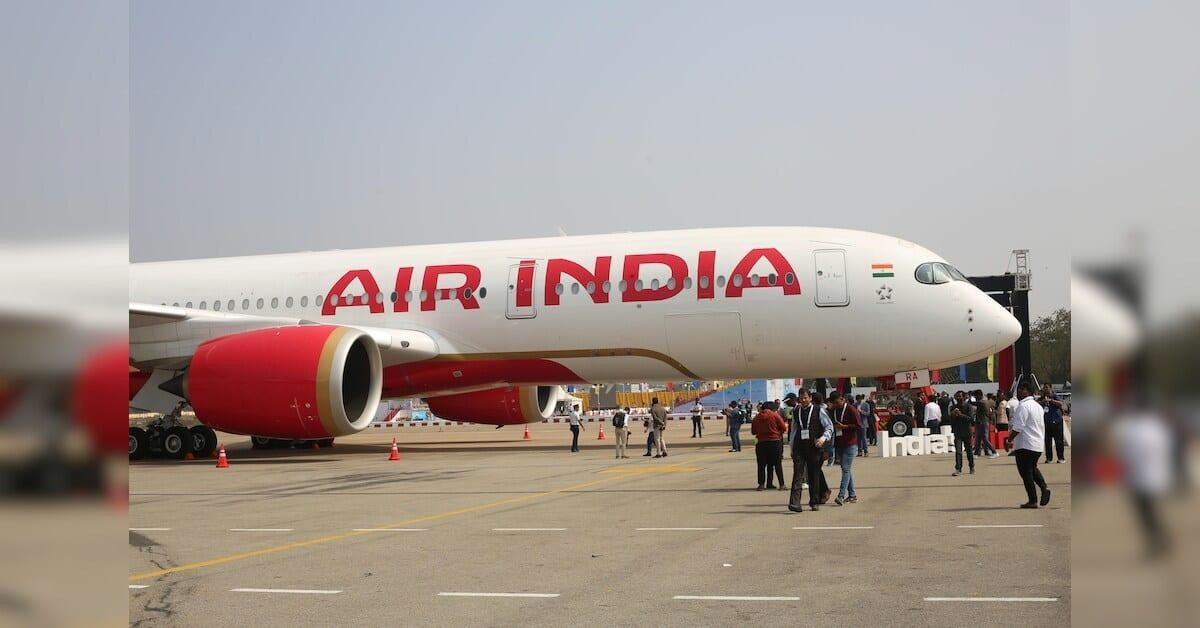
Air India Expands Use of Salesforce AI to Enhance Customer Service
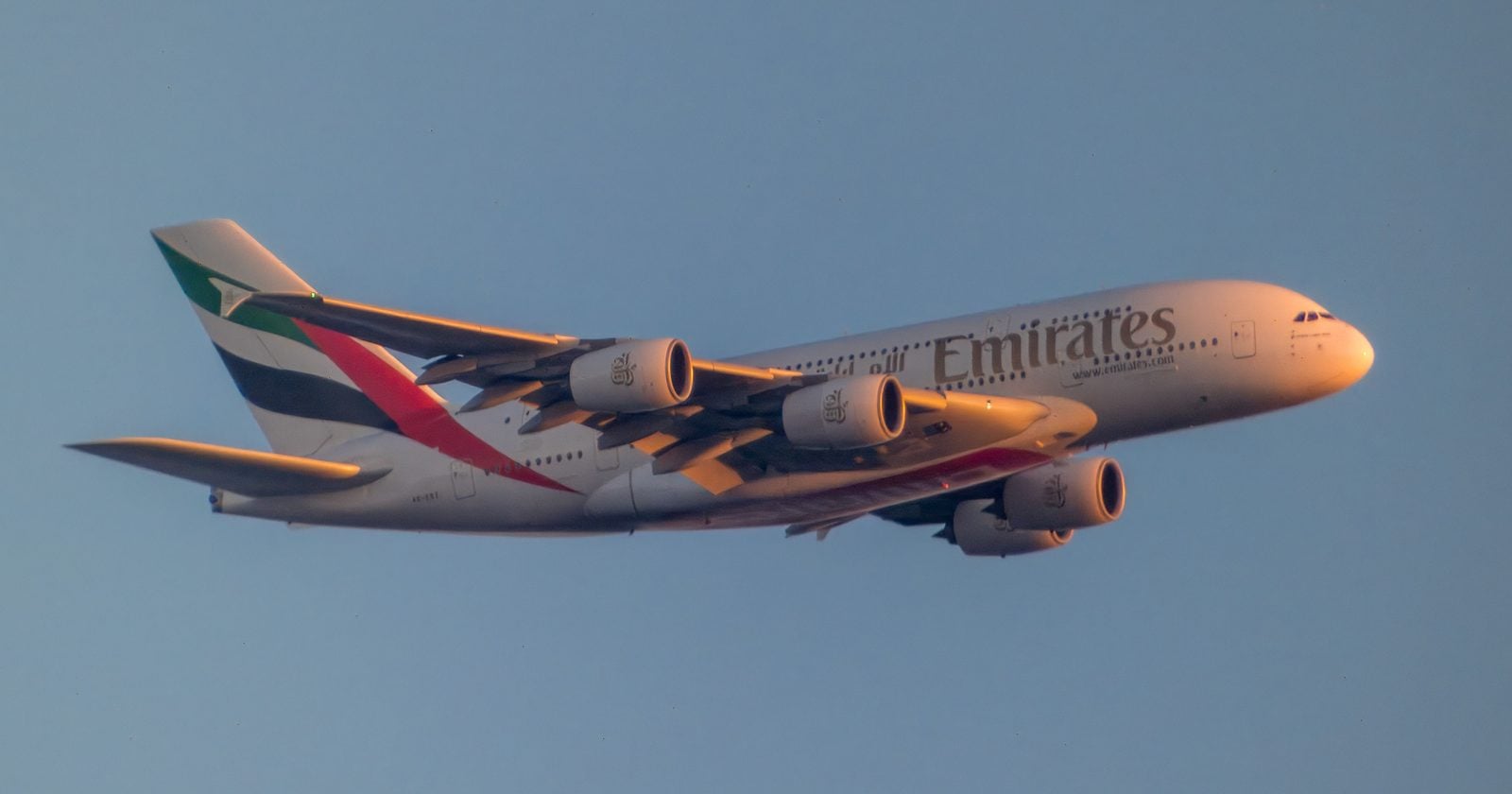
European Regulators Order Urgent Inspections After Cracks Found in Airbus A380 Wing Spars
