
Orquesta conocimientos de IA para convertirlos en acción

Tendencias
Categories
Hungary Receives Two New Gripen C Fighter Jets
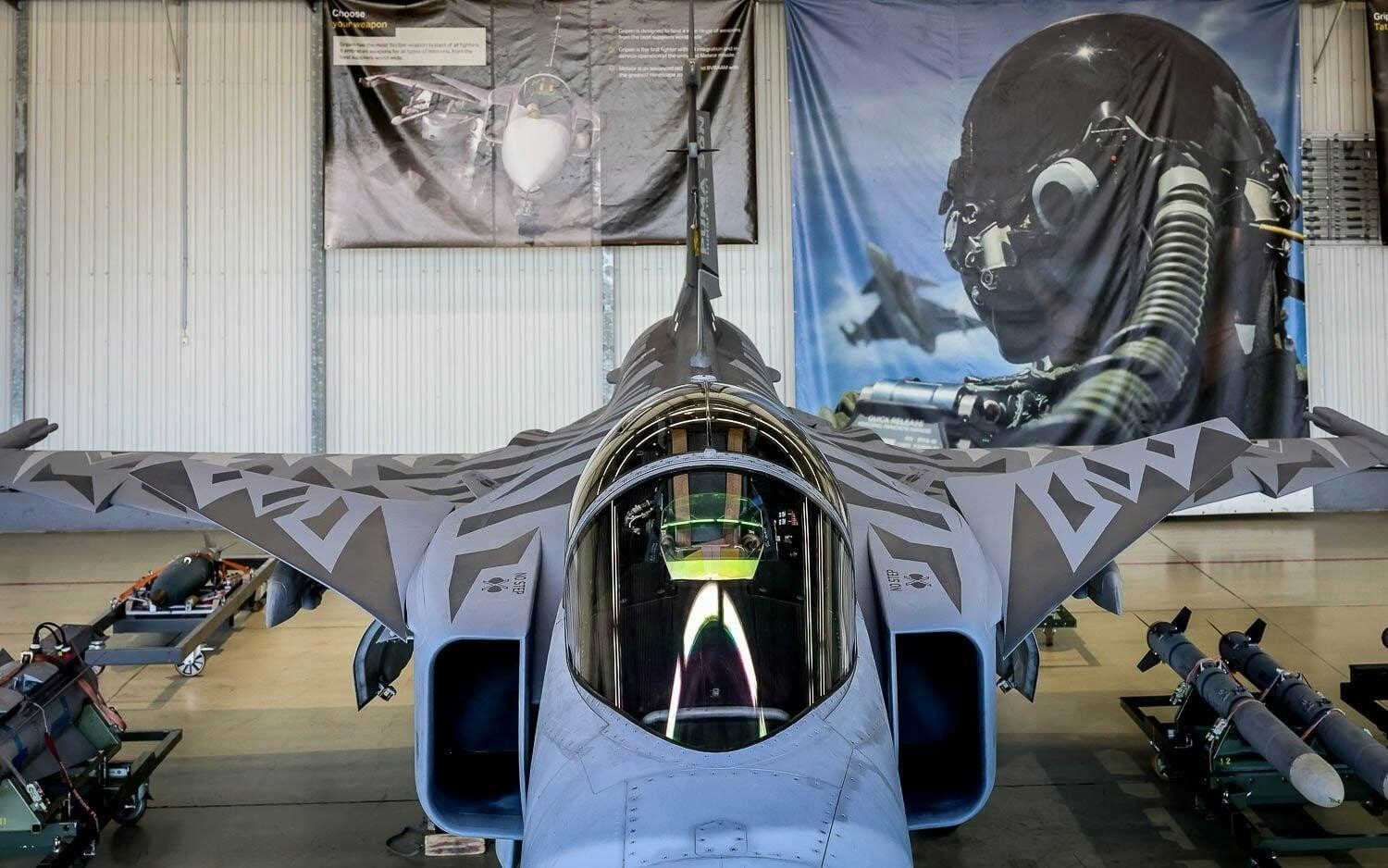
Hungary Receives Two New Gripen C Fighter Jets
Hungary’s Defence Forces (HDF) have taken delivery of two new Gripen C fighter jets at Kecskemét Air Base, marking the initial arrival from a February 2024 order for four additional aircraft. The remaining two jets are expected to be delivered later this summer, which will bring Hungary’s total Gripen fleet to 18 aircraft equipped with the latest technological upgrades.
Enhancing Hungary’s Air Capabilities
The newly acquired jets will be operated by the HDF’s 101st Aviation Wing, according to a statement released by Saab on 30 April 2026. Hungary has operated the Gripen platform since 2006, and this latest procurement is anticipated to significantly bolster the country’s air force capabilities. This acquisition forms part of Hungary’s broader strategy to modernize its military assets, a development that may prompt neighbouring countries to reconsider their own defence strategies and procurement plans in light of Hungary’s enhanced air power.
Technical Specifications and Operational Role
Manufactured by the Swedish defence company Saab, the Gripen C is a single-seat, multi-role fighter jet designed to perform air-to-air, air-to-surface, and reconnaissance missions. The C-series incorporates advanced communication systems, including the Link 16 tactical datalink, sensor-fused data sharing, and an optimized human-machine interface within the cockpit to improve pilot situational awareness. The aircraft supports integration with a diverse array of armaments and pods from both US and European manufacturers, providing flexibility across various mission profiles with different missiles and guided bombs.
Measuring 14.9 meters in length and with a maximum take-off weight of 14,000 kilograms, the Gripen C is also capable of air-to-air refuelling, which extends its operational range. Beyond Hungary, the Gripen C and its two-seater variant, the Gripen D, are currently in service with the Czech Republic—another NATO member—as well as South Africa and Thailand.
Strategic Implications and Future Prospects
Hungary’s current fleet includes leased Gripens from Sweden, which are expected to remain operational until at least 2035. The integration of the new jets may stimulate discussions regarding future procurement and maintenance strategies as the existing fleet ages. Regional competitors could respond by increasing military expenditure or shifting focus to alternative aircraft platforms to maintain strategic balance.
The delivery of these advanced fighter jets underscores Hungary’s commitment to modernizing its air force and sustaining a robust defence posture within the region.
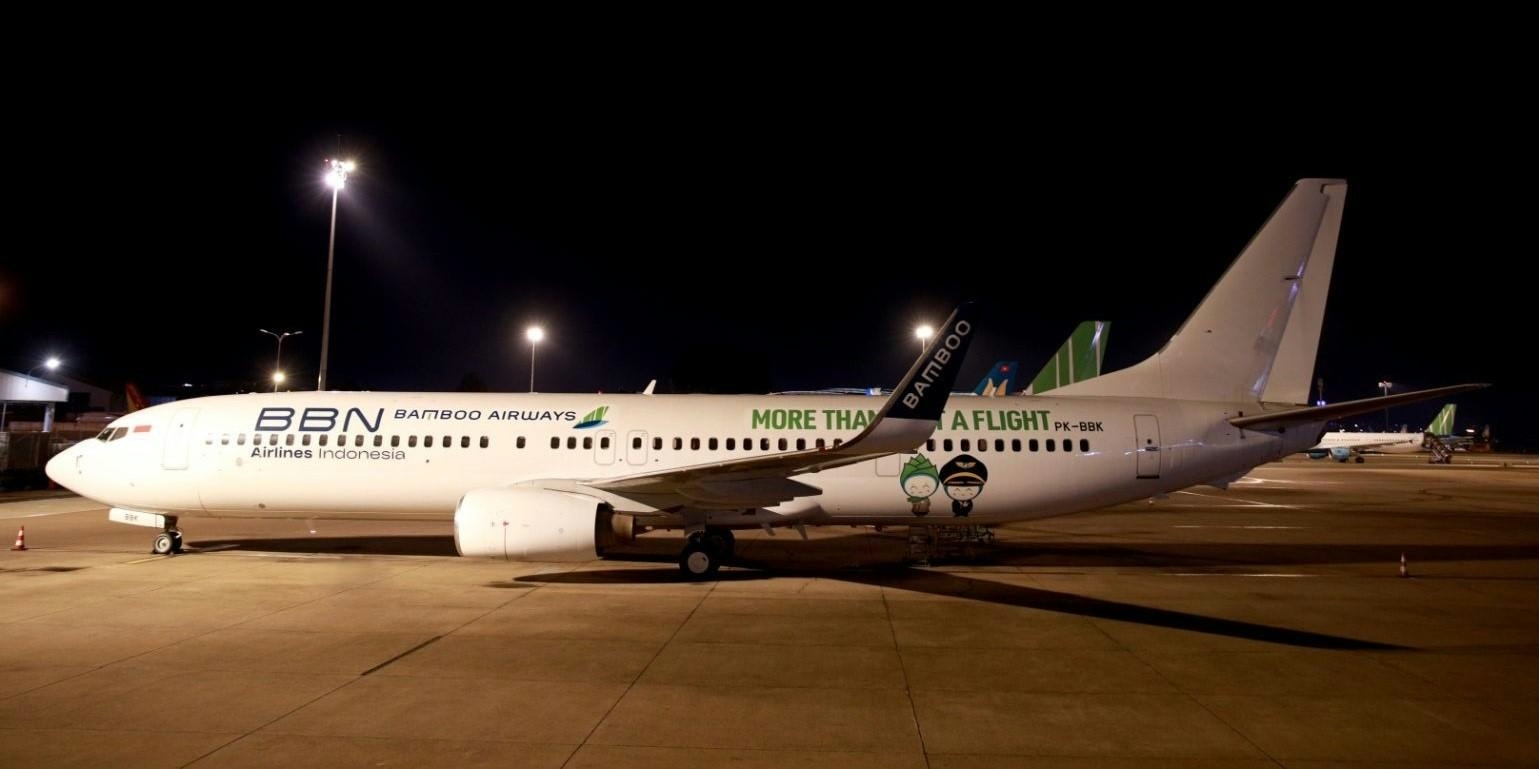
BBN Airlines Becomes IATA Member
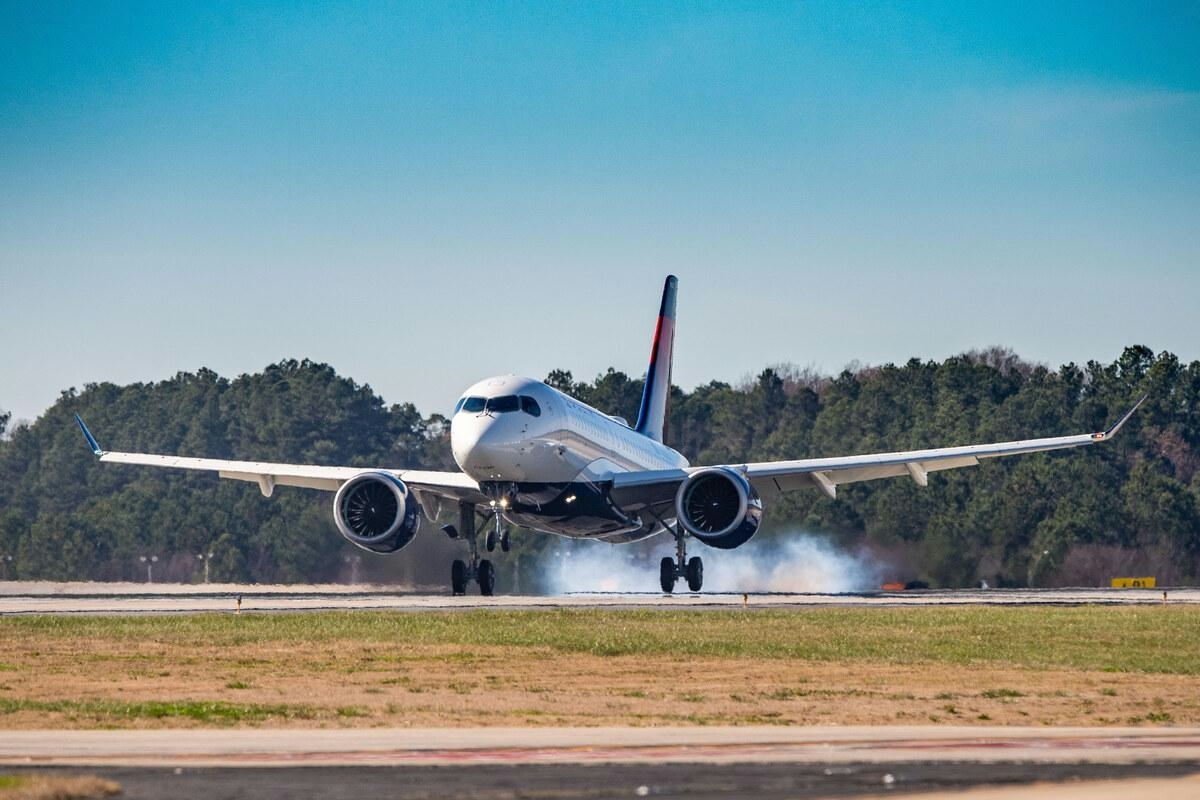
FAA Orders Breeze Airways and Delta to Inspect Airbus A220 Fuel Hoses

Philippine Aviation Navigates Expansion and Costs Amid Fuel Price Volatility
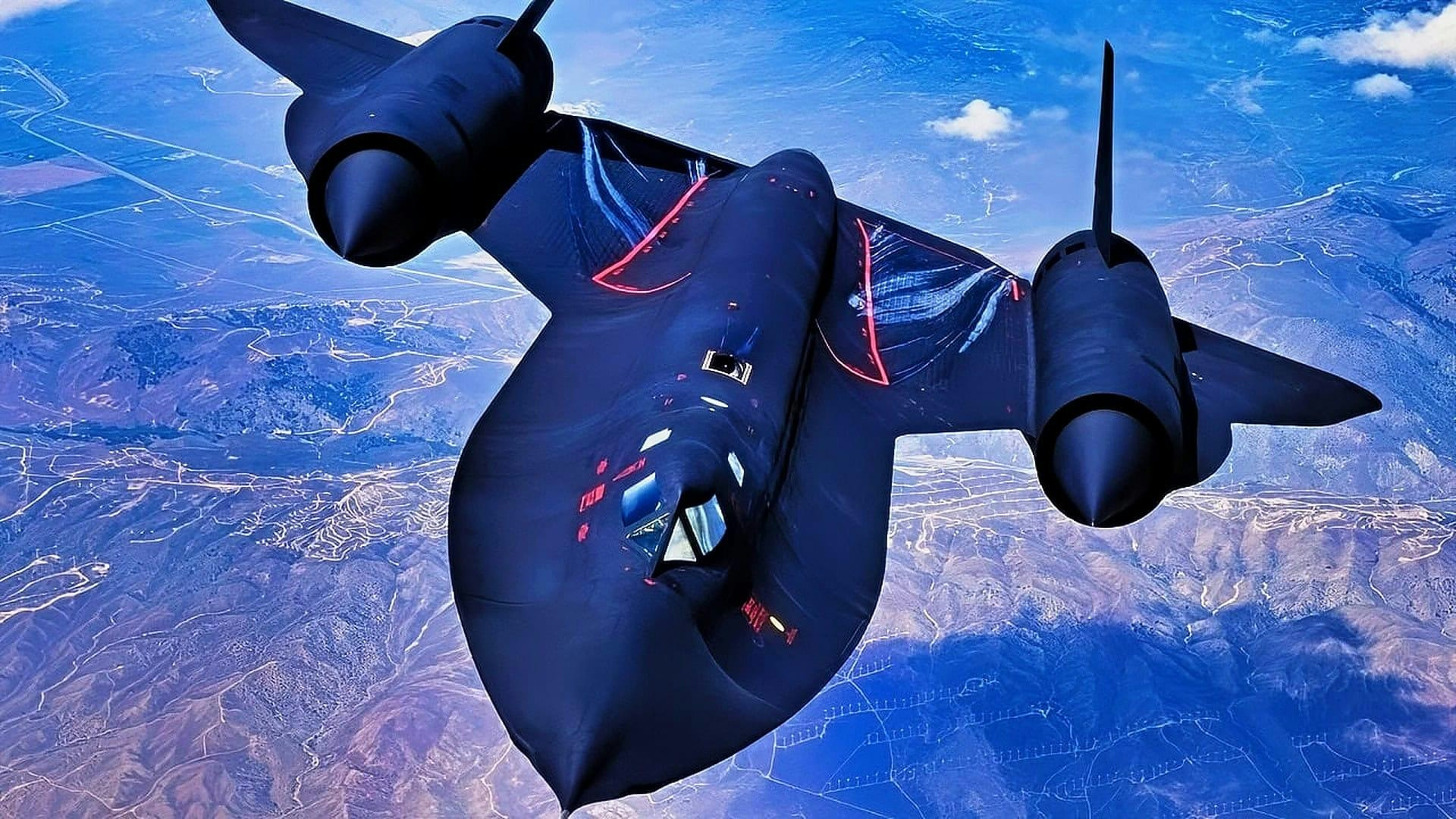
On April 26, 1971, an SR-71 Blackbird Flew Over 15,000 Miles in 10.5 Hours, Limited by Liquid Nitrogen Supply
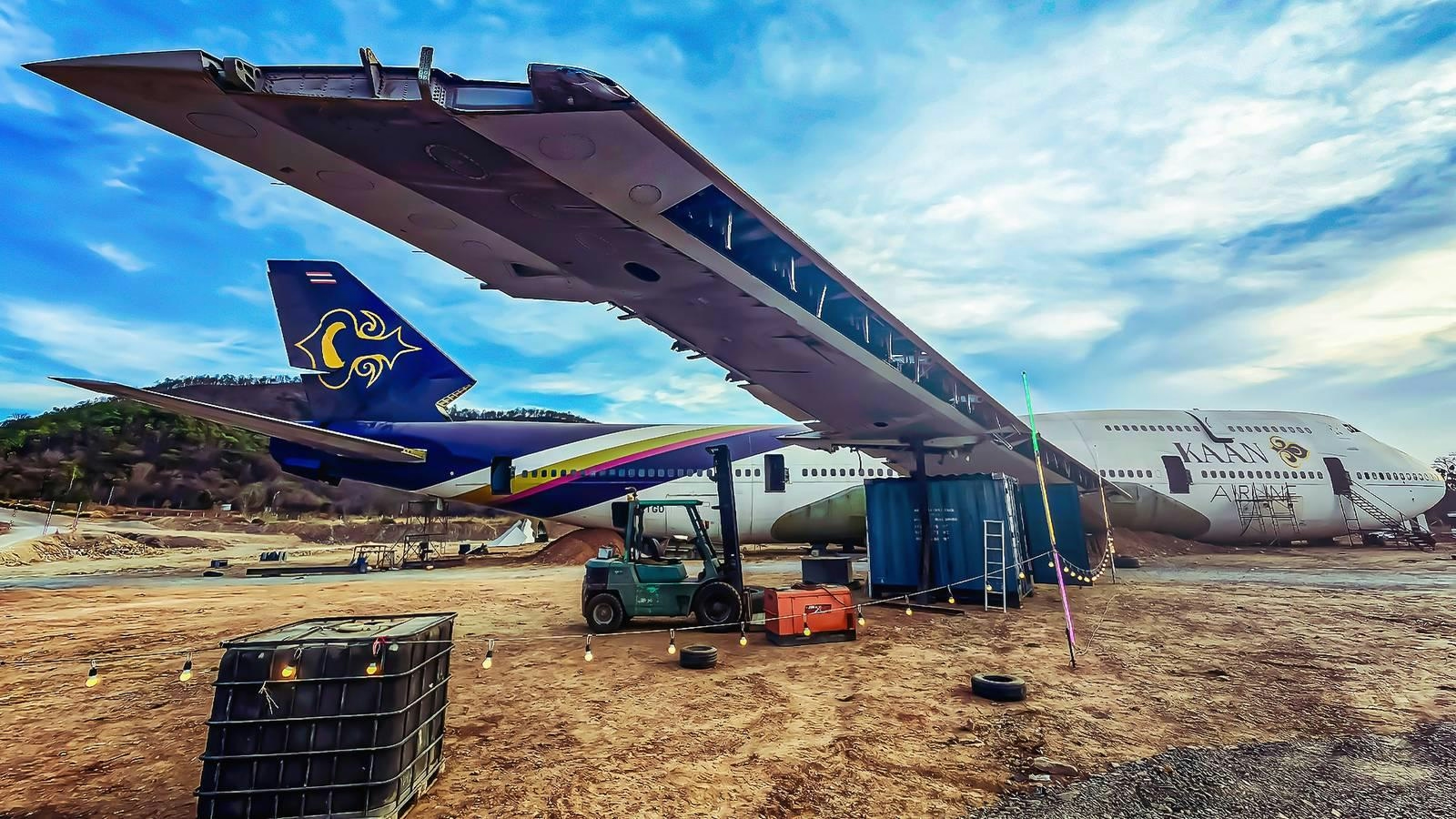
Boeing 747 Airframe Valued Less Than One Landing Gear Component

The Rear-Fan Engine Behind the Crash of the World's Fastest Airliner

Morphing Aircraft Skin Improves Safety and Fuel Efficiency

BRICS Nations Commit to Enhanced Cooperation on Sustainable Transport and Green Aviation

CFM Turbine Upgrade Doubles LEAP Engine Service Life in Harsh Conditions

CFM Upgrade Doubles LEAP Engine Lifespan in Harsh Climates
