
Orchestrer les insights d’IA pour les transformer en actions

Tendances
Categories
Boeing Airlines Extend Service Life of Older Aircraft into 2026
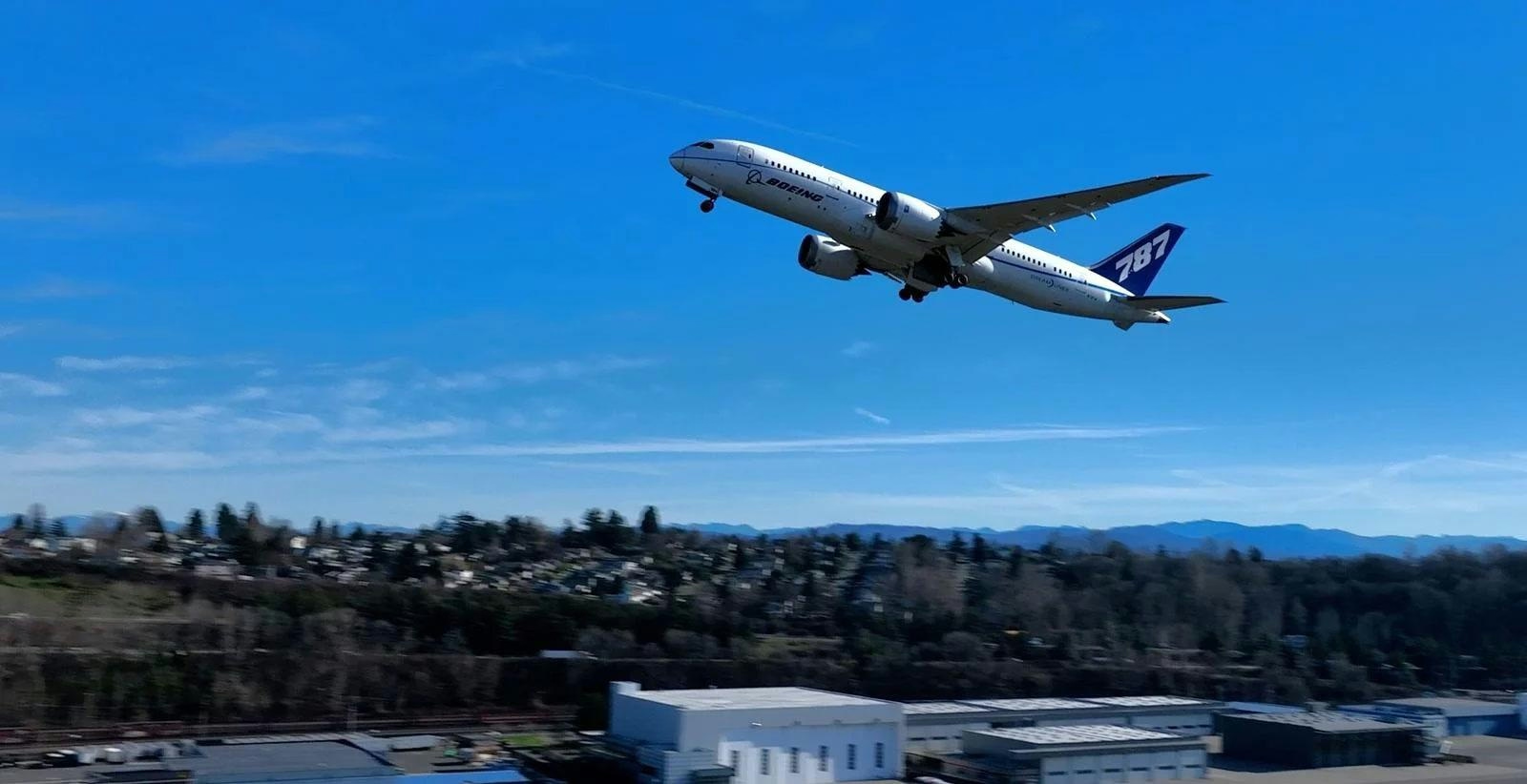
Boeing Airlines Extend Service Life of Older Aircraft into 2026
Operational Challenges and Production Delays
Airlines worldwide are increasingly extending the operational lifespan of older jets, defying earlier expectations of rapid fleet modernization. Legacy aircraft from manufacturers such as Boeing and Airbus continue to serve major carriers, fulfilling specialized roles that newer models cannot efficiently accommodate. This trend is largely driven by a combination of economic pressures, supply chain disruptions, and specific operational demands—factors anticipated to persist through at least 2026.
A primary factor behind the prolonged use of older aircraft is the ongoing shortage of new jets. Boeing, in particular, is grappling with significant manufacturing delays, including a recently disclosed wiring issue that has postponed deliveries of the 737 Max series. These setbacks have created a production backlog extending several years into the future, compelling airlines to rely on their existing fleets longer than initially planned. The delays have also raised concerns about Boeing’s capacity to meet delivery targets and sustain profitability, especially as competitors like United Airlines continue to invest heavily in fleet upgrades featuring newer, more fuel-efficient aircraft.
Financial and Operational Advantages of Legacy Aircraft
Despite the challenges posed by aging fleets, operating older jets offers considerable financial benefits. The acquisition costs for legacy models are minimal compared to the $100 million-plus price tags of new aircraft. Airlines also benefit from the availability of abundant and affordable spare parts for well-established platforms such as the Boeing 737 and Airbus A320. Depreciation expenses are low, insurance costs are reduced, and crew training requirements are less demanding since pilots are already familiar with these systems. Maintenance teams retain expertise in older technologies, which helps alleviate technician shortages.
Fuel efficiency disparities between older and newer aircraft are less pronounced on shorter routes, where legacy narrowbodies like the 737-700 and A320-200 remain competitive. Airlines strategically deploy these aging jets on regional segments, reserving newer, more fuel-efficient widebodies for long-haul operations.
Extended Service Life in Cargo Operations
Cargo carriers have been particularly proactive in extending the service life of older aircraft. Freighter operators, less concerned with passenger comfort, can overlook cabin and avionics limitations that would be unacceptable in passenger service. Widebody freighters such as the Boeing 747-400, Airbus A330-200, and 767-300 remain in high demand due to limited availability of new freighter models. Conversion programs that transform passenger jets into cargo planes can extend the economic viability of older airframes by 10 to 15 years. The Boeing 747, once deemed obsolete for passenger travel, continues to operate regular cargo missions for major logistics companies including FedEx, UPS, and DHL, owing to its unparalleled payload capacity.
Market Implications and Future Outlook
While the broader aerospace market is projected to grow, Boeing’s approach of extending the service life of older aircraft will be closely monitored. Market responses reflect both the ongoing demand for reliable, cost-effective jets and concerns about Boeing’s ability to resolve production challenges and compete with rivals investing in fleet renewal.
As airlines navigate persistent supply chain constraints and evolving market dynamics, the continued use of legacy aircraft remains a pragmatic, albeit temporary, solution. For the foreseeable future, older jets will continue to bridge the gap until new deliveries can adequately meet the industry’s changing requirements.

Etihad Airways Suspends Airbus A380 Flights on Key Route

Aditya Birla Group Seeks Approval for Aircraft Leasing in GIFT City

Qatar Airways Highlights Innovation and Connectivity at Arabian Travel Market 2026

Hong Kong's Five-Year Plan Includes Andrew Fan's Aircraft Parts Processing Hub Proposal

ACIA Aero Leasing Delivers ATR72-600 to Air Nostrum

RTX Appoints Jill Albertelli as Head of Pratt & Whitney

TAT Technologies Joins Beyond Aero Hydrogen Aircraft Program

AURAK Study Highlights Barriers to Air Taxi Adoption in Emerging Economies

Xiamen Air Selects Altitude for 787 Maintenance at Heathrow

Etihad and Swissport Extend Global Partnership
