
Orchestrer les insights d’IA pour les transformer en actions

Tendances
Categories
Cirrus Introduces TRAC10 Trainer Featuring Rotax Engine and Three-Seat Cockpit
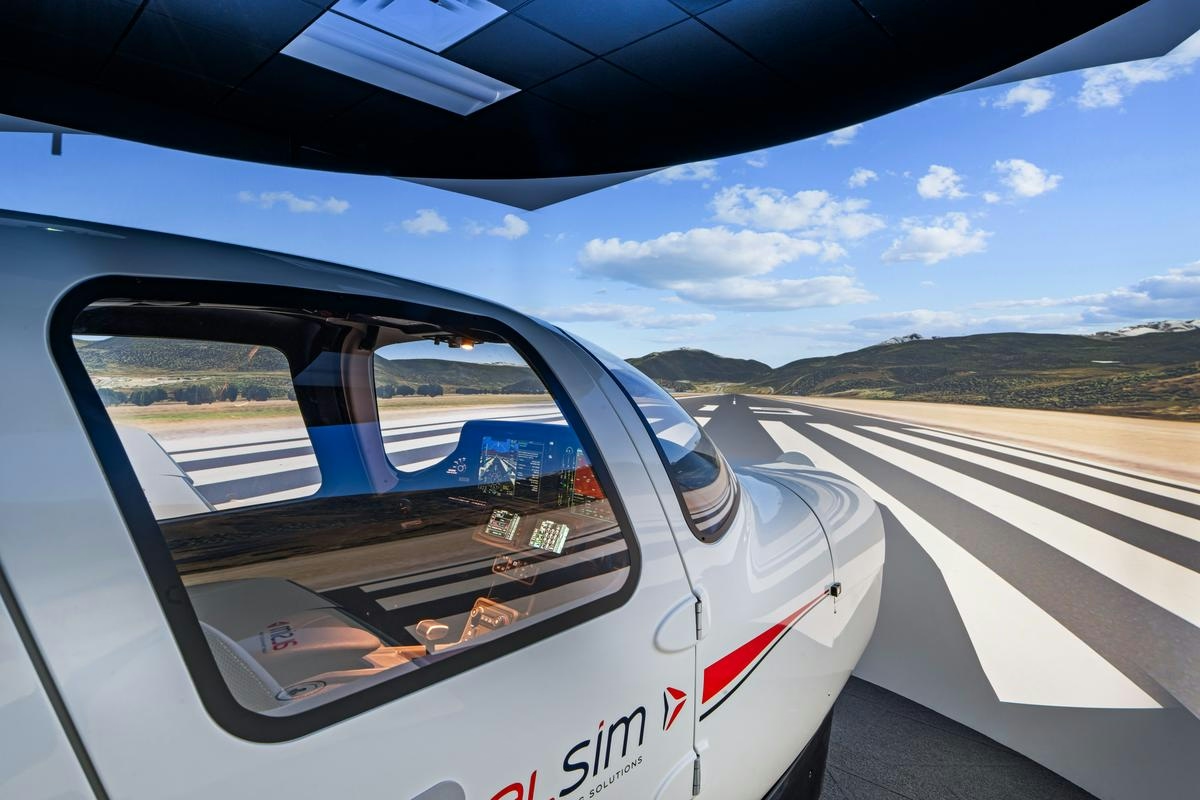
Cirrus Introduces TRAC10 Trainer Featuring Rotax Engine and Three-Seat Cockpit
Cirrus Aircraft has unveiled the TRAC10, a new piston-powered trainer specifically designed for professional flight training organizations. Aimed at flight schools, universities, and pilot academies, the TRAC10 is scheduled to begin deliveries in the United States in 2027, with international shipments expected to follow in 2028.
Innovative Design and Performance Features
The TRAC10 expands Cirrus’ TRAC training lineup by introducing a new airframe and powerplant, diverging from the company’s established SR Series. It is powered by a 160-horsepower Rotax 916 iSc turbocharged engine equipped with full-authority digital engine control (FADEC). This represents a departure from the larger Continental engines used in the SR20 and SR22 models. Cirrus highlights the Rotax engine’s fuel efficiency, noting consumption as low as 5.9 gallons per hour at 65% cruise power. The engine’s compatibility with multiple fuel types—including 100LL avgas, unleaded 91/94, and approved automotive gasoline blends—offers potential cost savings for training operators.
A significant design innovation is the TRAC10’s three-seat cockpit, replacing the conventional two-seat layout common in primary trainers. The centrally positioned and elevated rear seat provides an observer with an unobstructed view of the cockpit. This seat can be optionally fitted with a display, enabling instructors or students to monitor flight data during training sessions.
The aircraft is equipped with a Garmin flight deck, adjustable seats and rudder pedals, USB-C charging ports, storage compartments, and optional air conditioning. These features are tailored to support the intensive usage typical of training fleets.
Safety and Digital Integration
Safety remains a central focus for the TRAC10. The aircraft incorporates the Cirrus Airframe Parachute System (CAPS), which can deploy a parachute to safely lower the entire aircraft in emergency situations. Additional safety technologies include Garmin’s Electronic Stability and Protection (ESP) system, a level (LVL) recovery button, a stick shaker for stall warnings, and a modified wing design aimed at enhancing spin resistance.
Cirrus also plans to integrate its Cirrus IQ digital fleet management platform into the TRAC10. This system wirelessly transmits aircraft data, allowing operators to monitor maintenance schedules, fuel levels, engine parameters, and navigation database status through cloud-based software compatible with third-party fleet management tools.
Market Reception and Regulatory Considerations
The TRAC10 has received a strong market response, with Cirrus reporting over 100 orders from 13 flight training organizations worldwide. Specific customers and detailed delivery timelines have not been disclosed. Production will be based at Cirrus’ headquarters in Duluth, Minnesota, with a starting price set at $499,900.
Despite the positive reception, the TRAC10 faces potential regulatory challenges. Cirrus is owned by AVIC, a Chinese state-owned enterprise, and has been designated by the Pentagon as a Chinese military company operating in the United States. This classification may subject the TRAC10 and its manufacturer to increased regulatory scrutiny as deliveries approach. Meanwhile, competitor responses to the TRAC10’s launch remain unclear, with no direct announcements reported to date.

Etihad and Swissport Extend Global Partnership

Sepehran Airlines B737 Returns to Mashhad After Tyre and Engine Issues

Etihad Deploys Widebody Fleet to Meet Strong Demand

Korean Air Finalizes $36.2 Billion Deal with Boeing
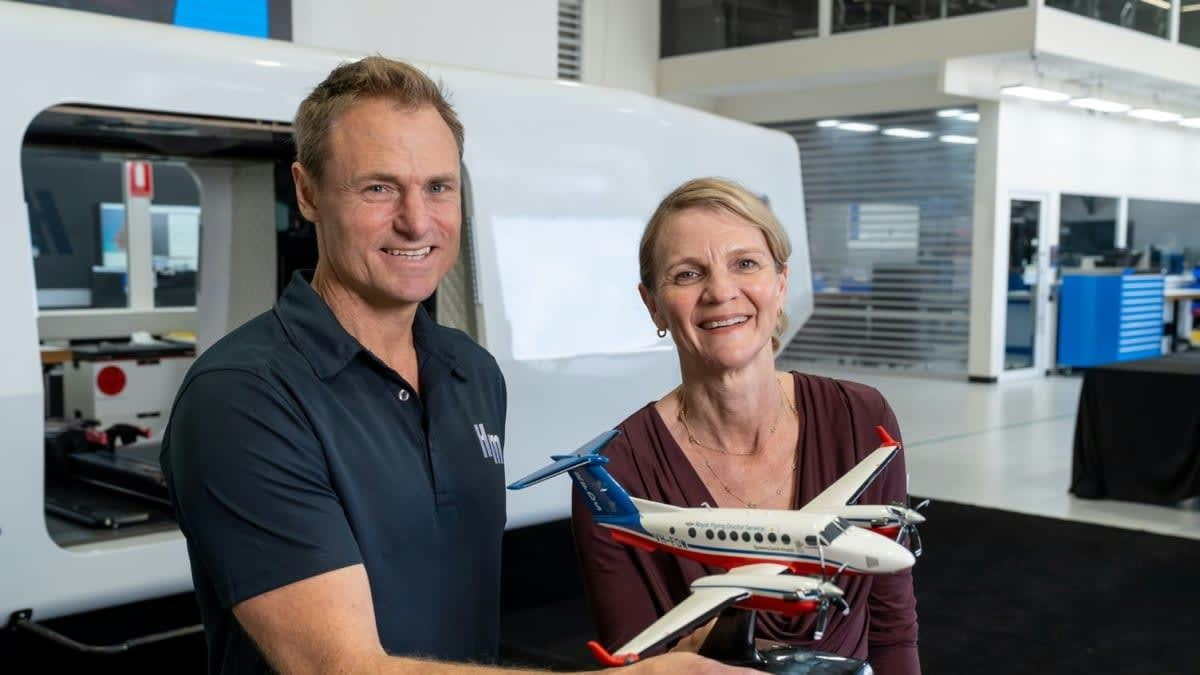
Australia’s RFDS Queensland Section Orders Six King Air 260Cs

Korean Air Finalizes Order for 103 Boeing Jets and Engines
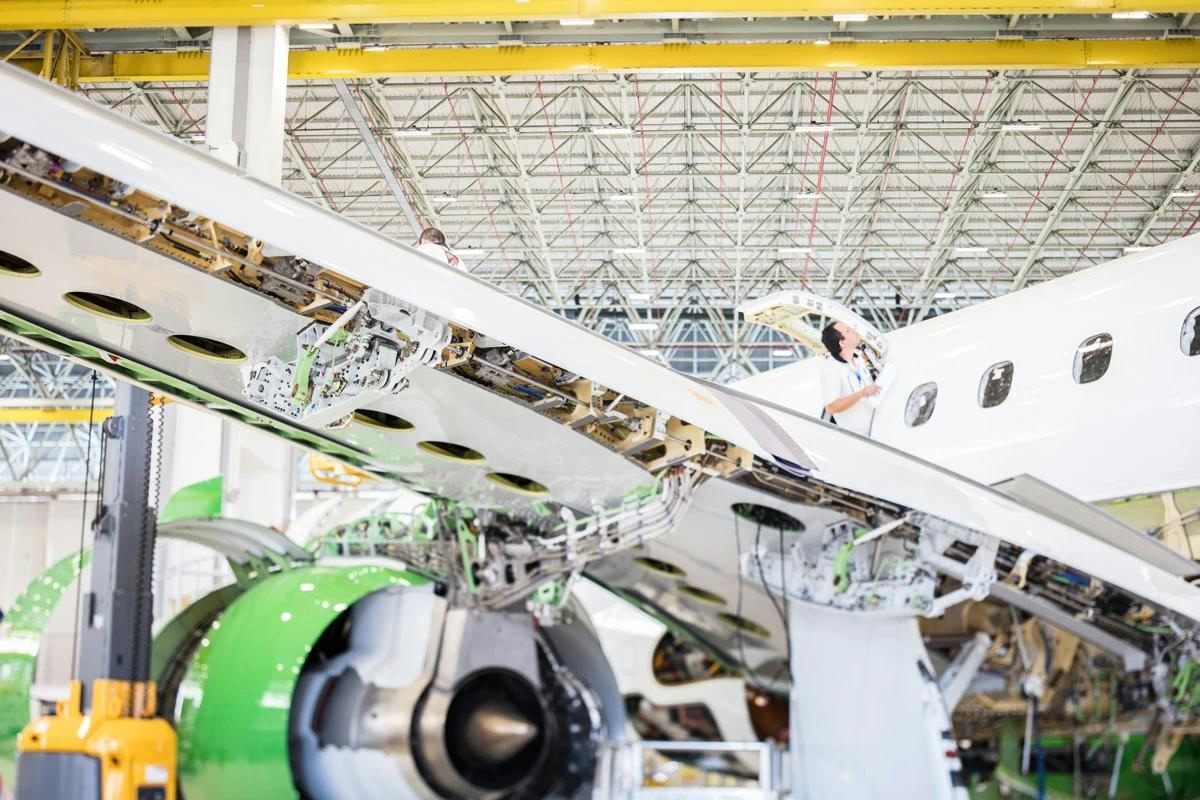
Embraer E195-E2 Features Distinctive Engine Placement Among Regional Jets
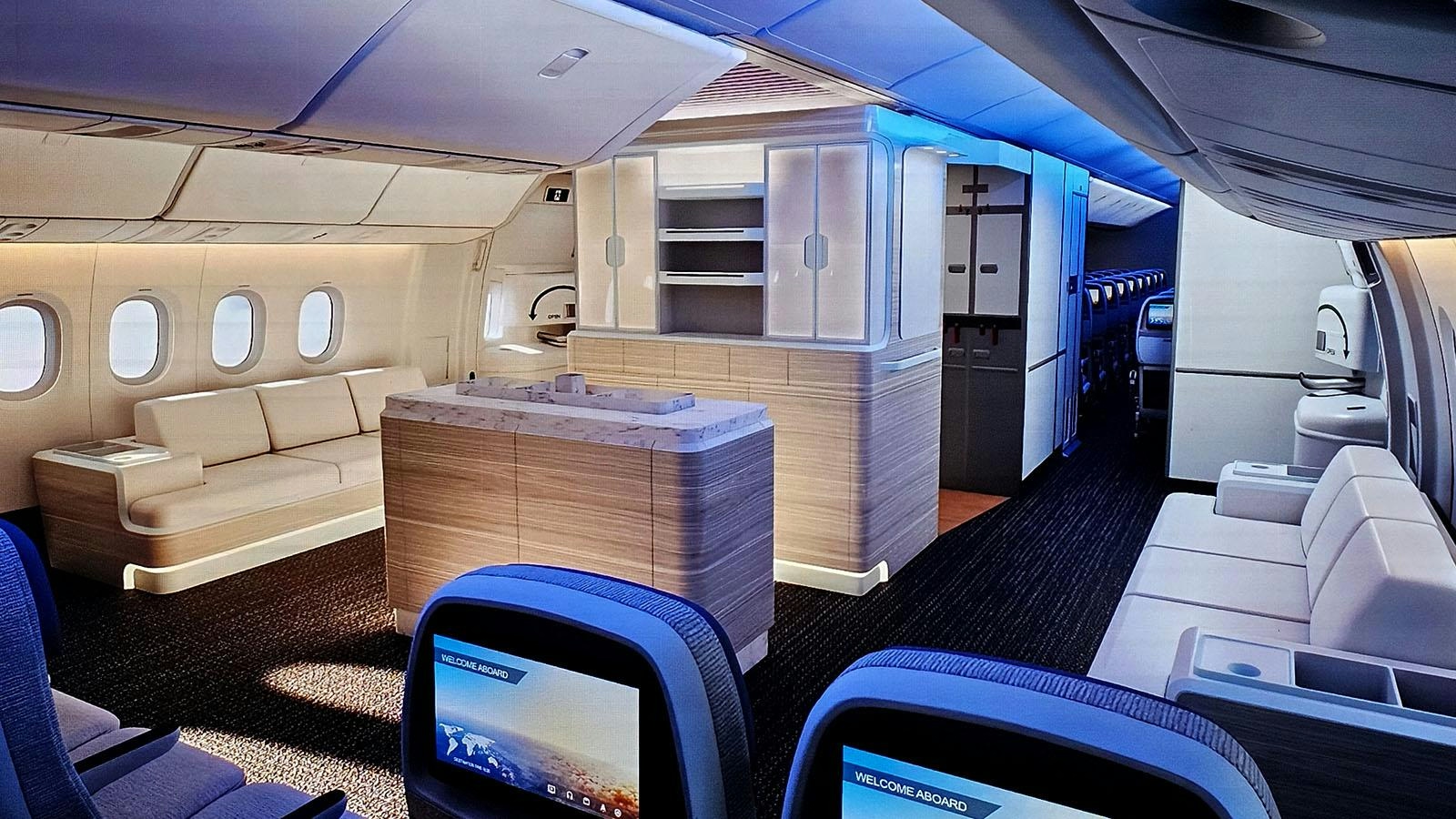
What Passengers Can Expect on Boeing’s New 777X Jet

How Ethiopian Airlines Became Africa’s Leading Carrier Amid Gulf Competition
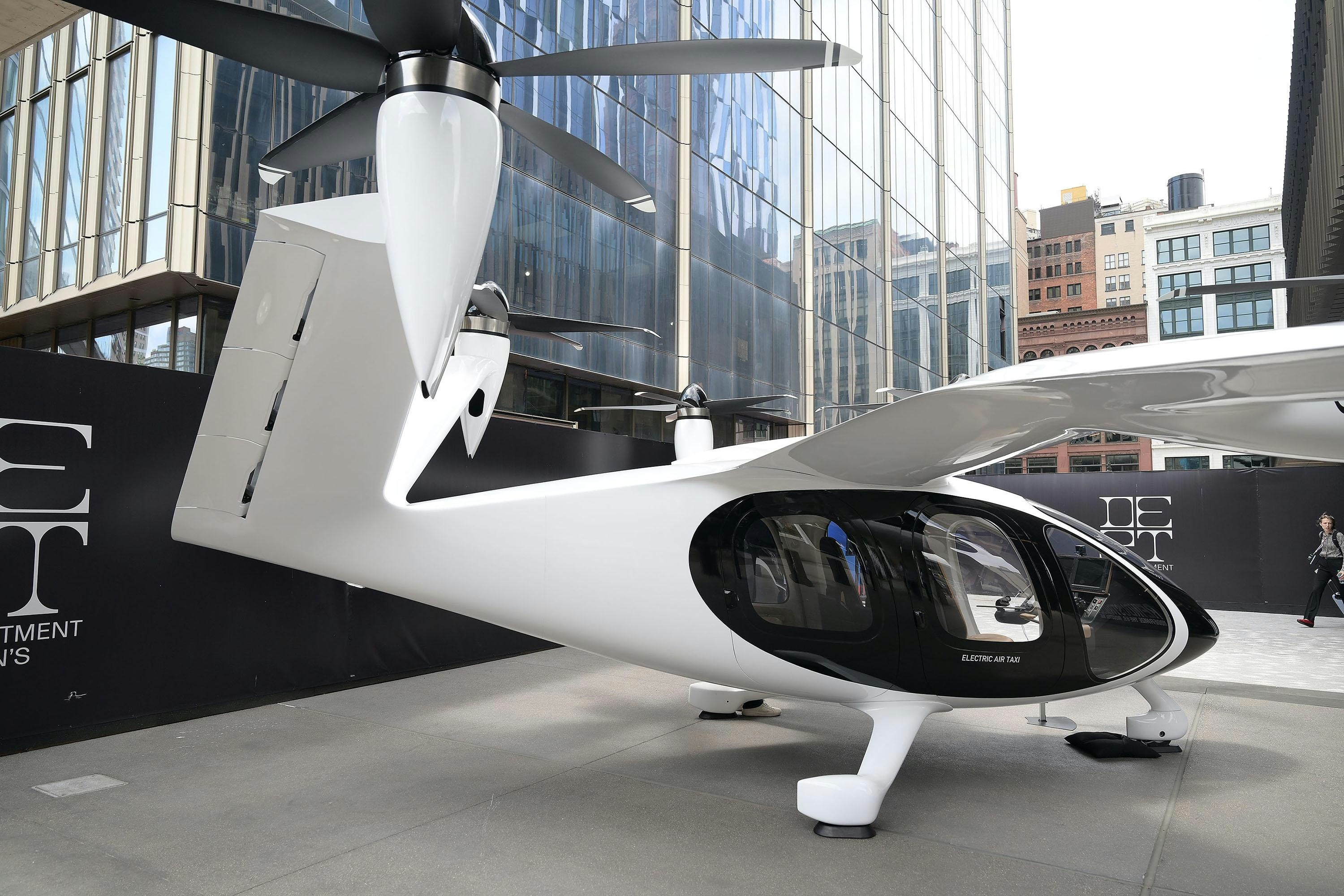
Joby Aviation Extends Autonomous Flight Capabilities with Cross-Country Tour
