
Orchestrer les insights d’IA pour les transformer en actions

Tendances
Categories
FAA Collaborates with AI Companies to Improve Air Traffic Control Safety
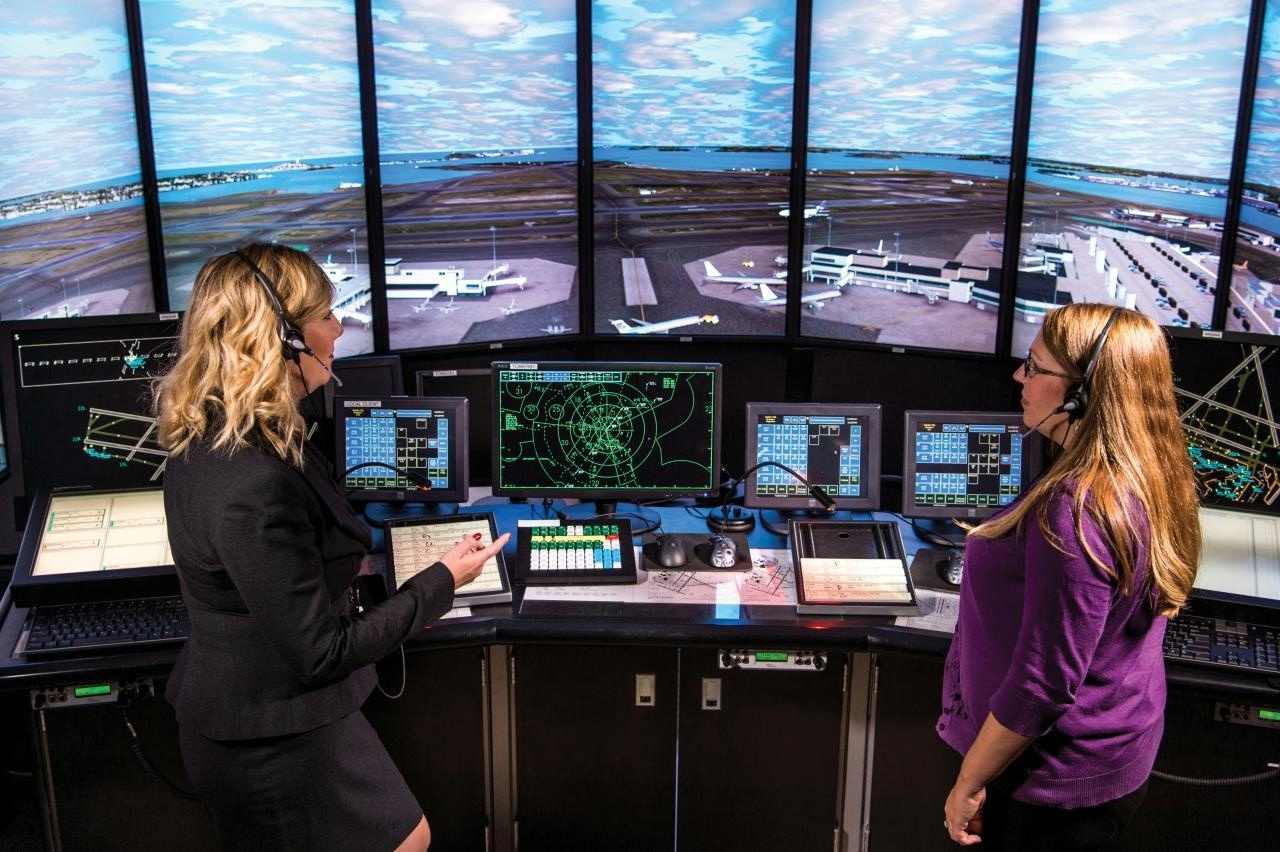
FAA Collaborates with AI Companies to Improve Air Traffic Control Safety
The Federal Aviation Administration (FAA) is intensifying its efforts to enhance air traffic control safety through strategic partnerships with leading artificial intelligence (AI) firms. This initiative comes in response to a recent increase in runway incidents and reflects the agency’s broader commitment to modernizing aviation safety protocols by leveraging advanced technology.
Partnership with Palantir Technologies
Since 2021, the FAA has been working closely with Palantir Technologies, whose AI-driven platform, Foundry, is designed to assist aerospace engineers and analysts in monitoring, analyzing, and visualizing aviation safety data more effectively. The platform facilitates the rapid identification of issues related to aircraft takeoffs and landings, thereby supporting the FAA’s ongoing work in aircraft certification and operational safety. Palantir emphasized that Foundry enables FAA personnel to more efficiently assess whether incidents pose past or future safety risks, enhancing the agency’s ability to respond proactively.
Expanding AI Integration and Challenges Ahead
Beyond Palantir, the FAA is reportedly exploring collaboration with Air Space Intelligence, a competitor specializing in AI-powered air traffic control systems. These partnerships are part of a wider strategy to deploy AI tools aimed at optimizing airspace management and reducing runway close calls. The agency’s adoption of such technologies underscores a growing recognition of AI’s potential to improve aviation safety.
However, integrating AI into existing air traffic control infrastructure presents significant challenges. Ensuring robust data security, managing the transition for air traffic controllers, and harmonizing new AI systems with legacy technologies remain complex tasks. Industry experts caution that while AI holds considerable promise, human oversight will continue to be indispensable in the foreseeable future. Robert Sumwalt, former chair of the National Transportation Safety Board, noted that although AI can enhance the FAA’s awareness of safety risks, over-reliance on automated systems must be avoided. He stressed the importance of maintaining human involvement in data analysis during this intermediate phase of AI adoption.
Industry Implications and Future Outlook
The aviation sector is closely monitoring the FAA’s AI initiatives, with market responses including increased investment in AI-driven safety solutions. Competitors are also advancing their AI capabilities to keep pace with technological developments. As the FAA progresses with these partnerships and continues to integrate AI into air traffic control operations, artificial intelligence is set to become a critical component in the future landscape of aviation safety.

Etihad and Swissport Extend Global Partnership

Sepehran Airlines B737 Returns to Mashhad After Tyre and Engine Issues

Etihad Deploys Widebody Fleet to Meet Strong Demand

Korean Air Finalizes $36.2 Billion Deal with Boeing
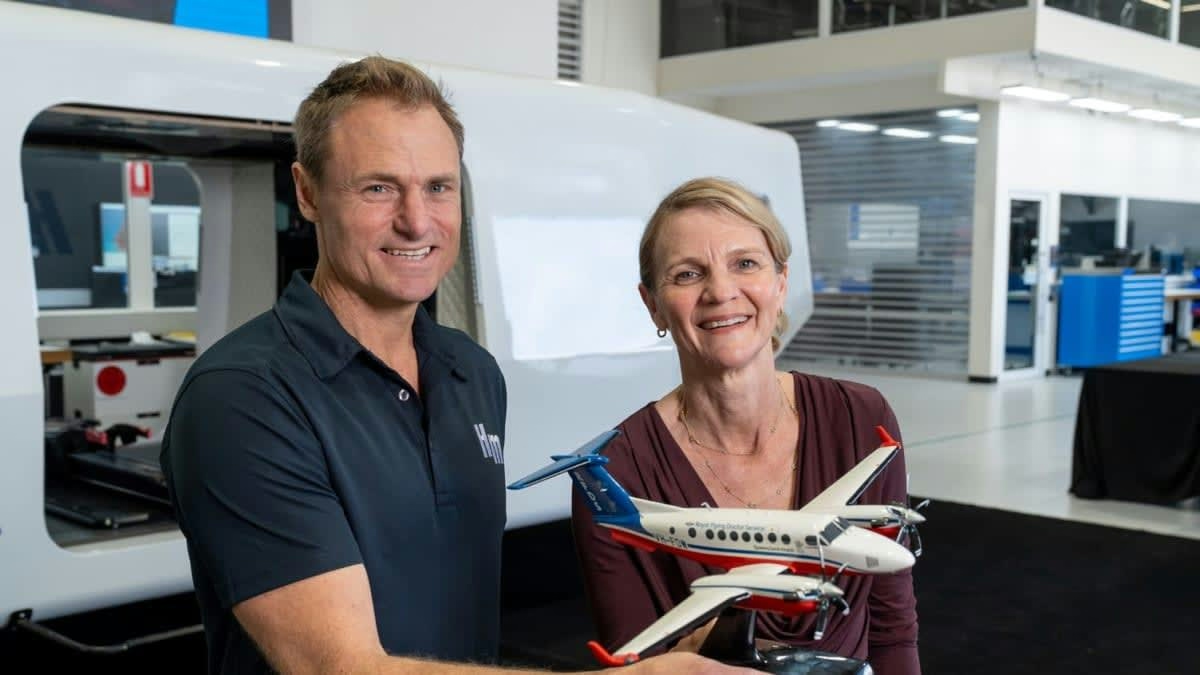
Australia’s RFDS Queensland Section Orders Six King Air 260Cs
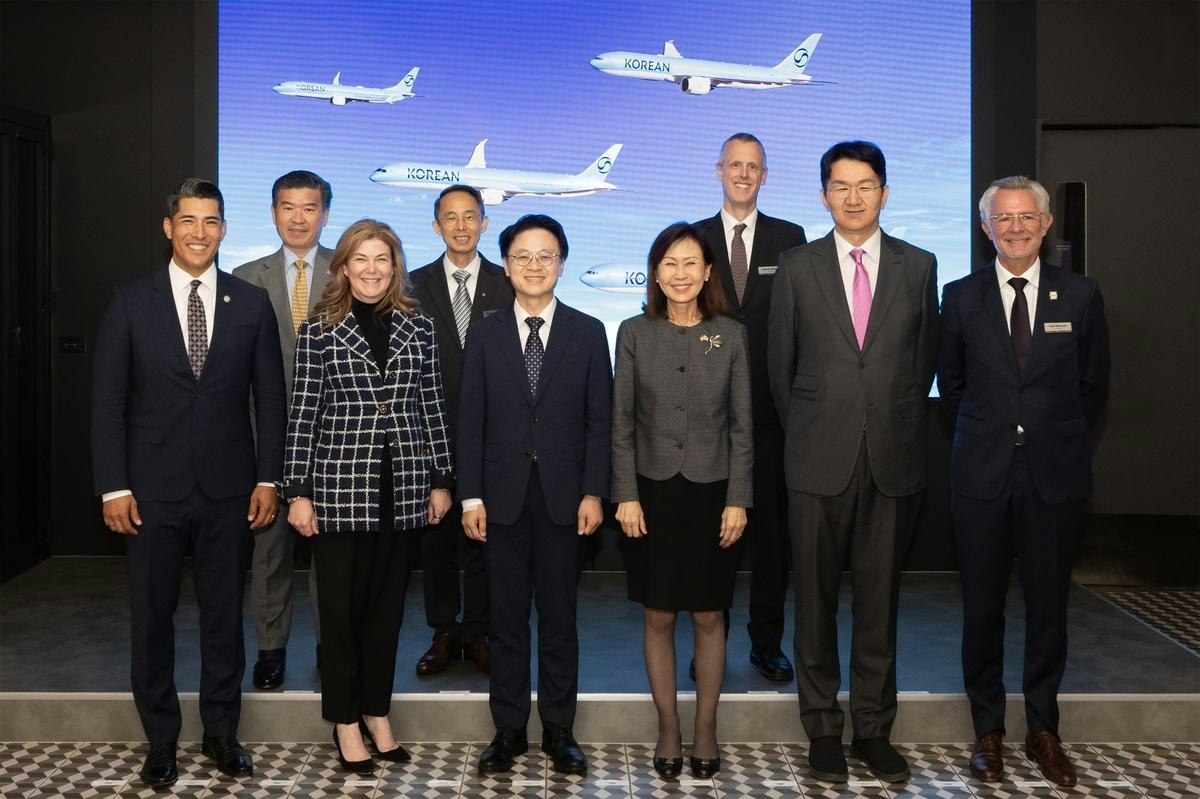
Korean Air Finalizes Order for 103 Boeing Jets and Engines
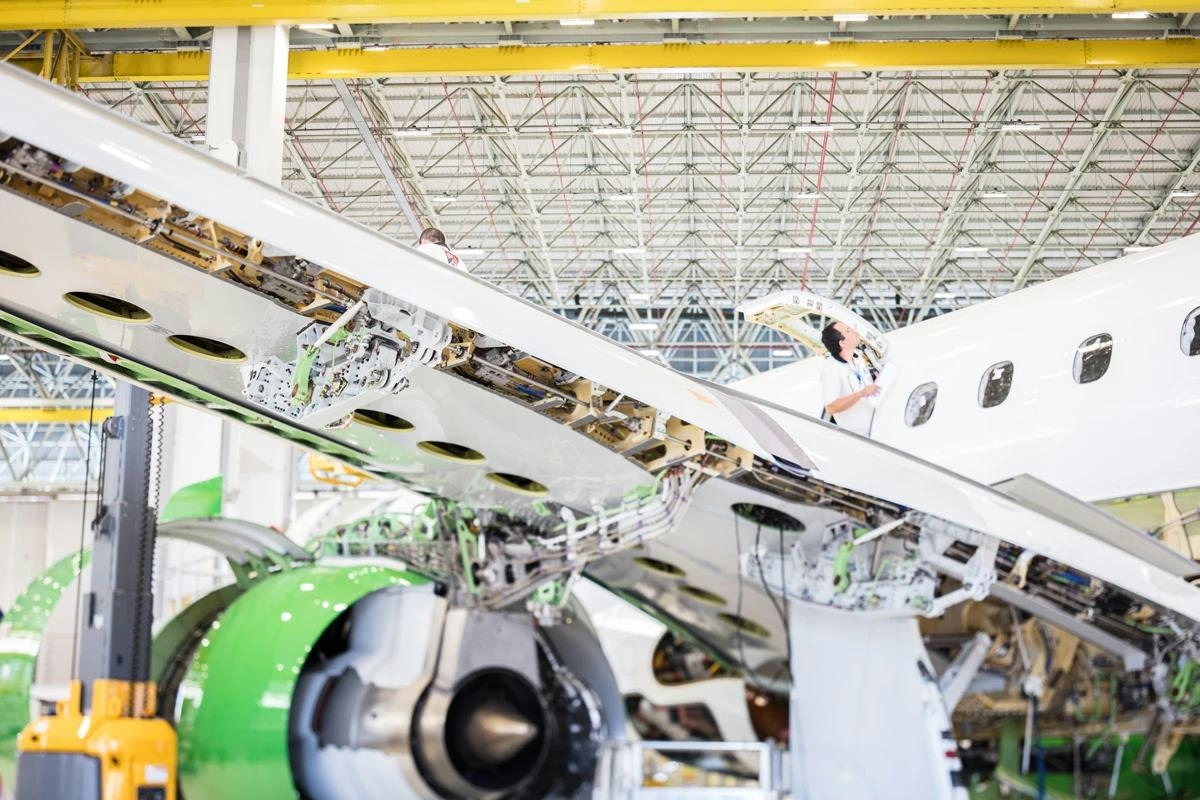
Embraer E195-E2 Features Distinctive Engine Placement Among Regional Jets

What Passengers Can Expect on Boeing’s New 777X Jet
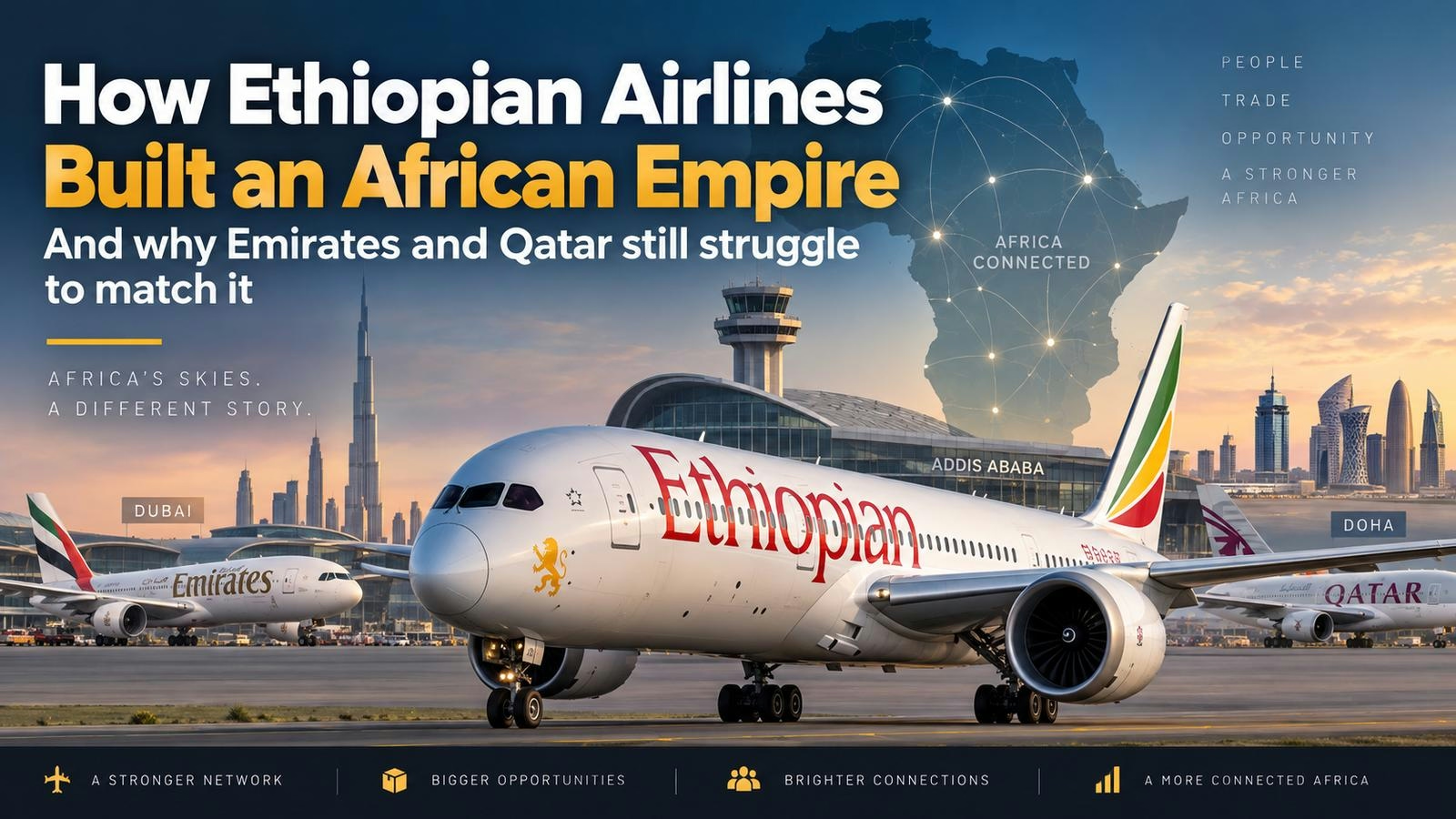
How Ethiopian Airlines Became Africa’s Leading Carrier Amid Gulf Competition
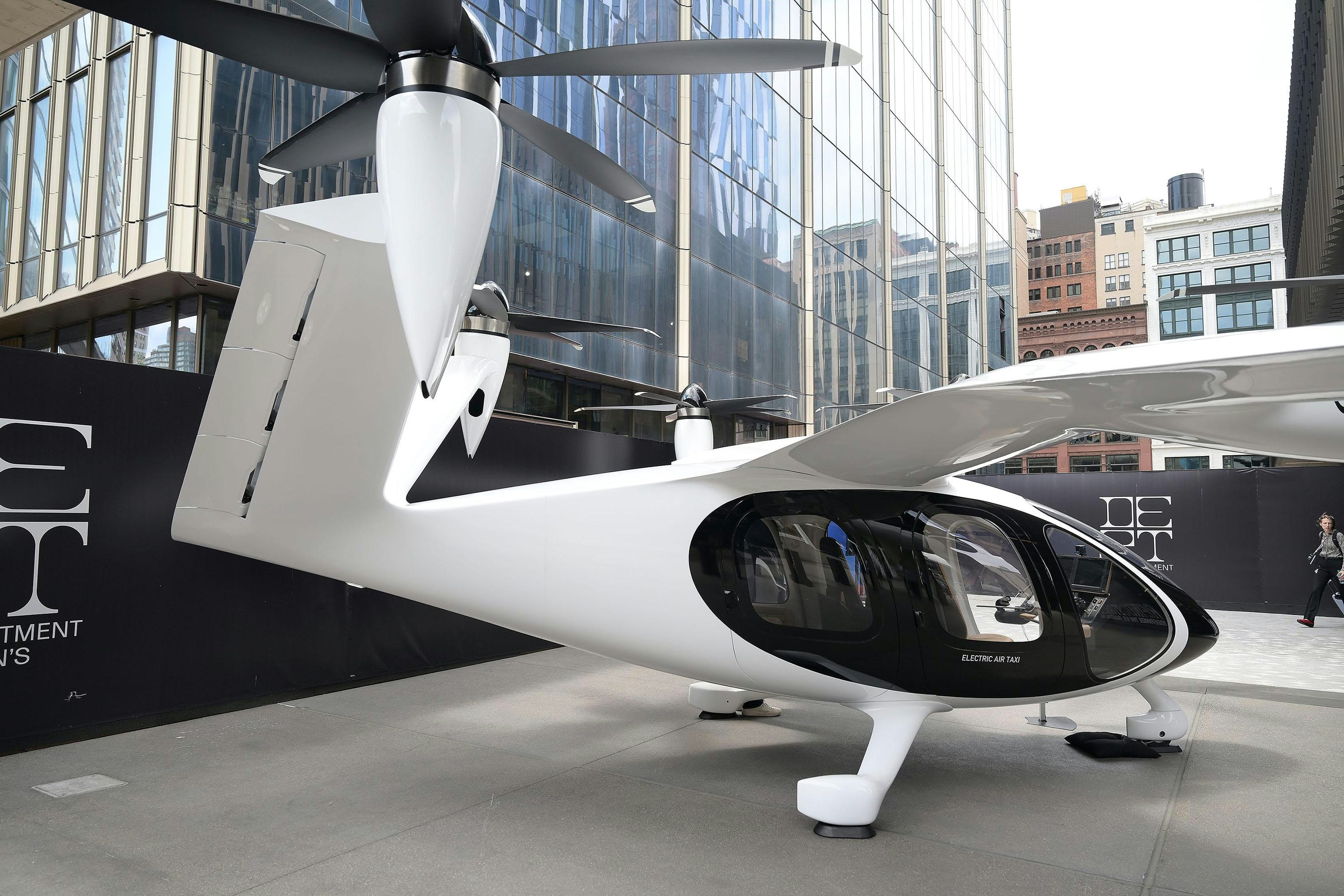
Joby Aviation Extends Autonomous Flight Capabilities with Cross-Country Tour
