
Orchestrer les insights d’IA pour les transformer en actions

Tendances
Categories
FAA Selects Air Space Intelligence for AI-Based Traffic Control Tool
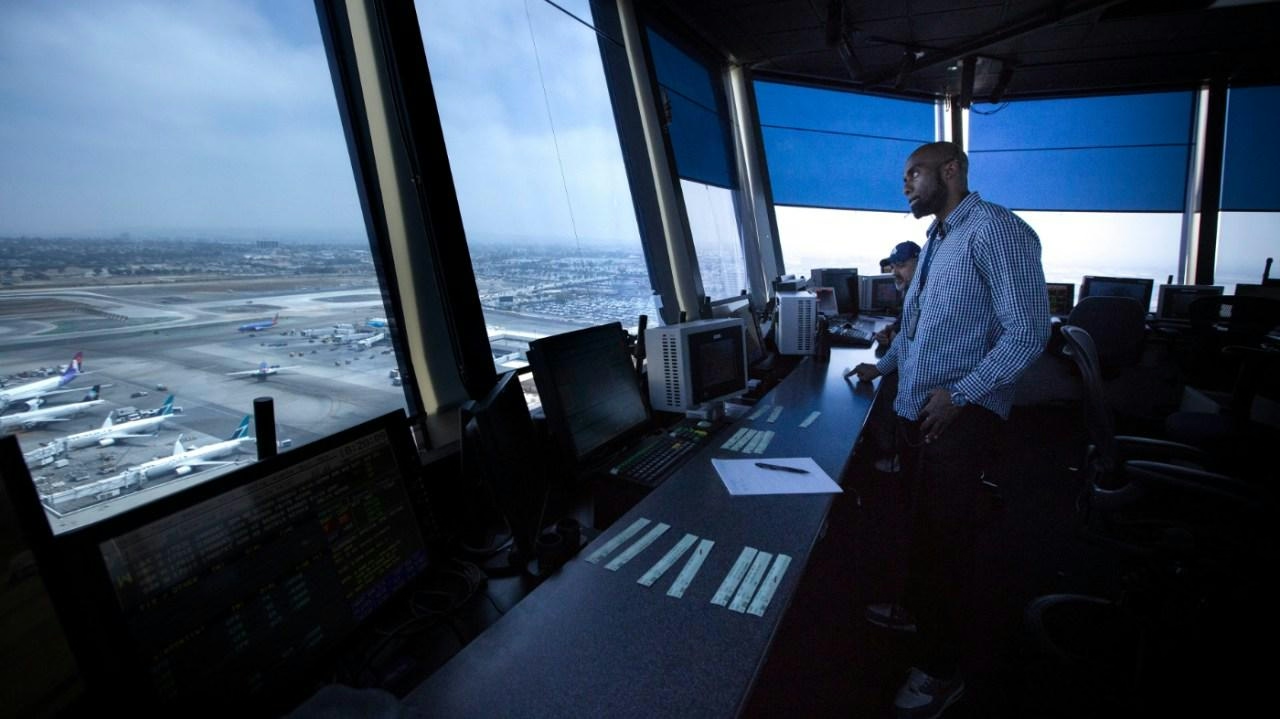
FAA Selects Air Space Intelligence for AI-Based Traffic Control Tool
The Federal Aviation Administration (FAA) has awarded a significant contract to Air Space Intelligence Inc. (ASI), a Boston-based startup, to implement artificial intelligence technologies aimed at revolutionizing flight traffic management. This contract represents a key milestone in the FAA’s multibillion-dollar initiative to modernize the United States airspace system. ASI was selected over larger competitors, including Palantir Technologies Inc. and Thales SA, in a competitive process announced jointly by the FAA and the Department of Transportation on June 22.
AI Tools to Enhance Air Traffic Management
Under the contract, ASI will deliver two integrated AI systems designed to optimize airspace operations. The first system processes a variety of data inputs—such as airline schedules, real-time aircraft positions, and weather conditions—to generate optimal flight trajectories. The second system focuses on identifying congestion and potential conflicts within the airspace, providing air traffic controllers with actionable insights. This includes predicting possible flight convergences and recommending route adjustments to mitigate delays and improve traffic flow. The U.S. government anticipates that these technologies will significantly reduce delays, enhance airspace capacity, and streamline overall traffic management.
Transportation Secretary Sean Duffy emphasized the transformative potential of the initiative, stating, “Once implemented, we will fundamentally reshape how the airspace is managed—slashing thousands of delays and cancellations in the process.” The contract is valued at $875 million, with deployment scheduled to begin this fall and full implementation targeted by the end of 2028. The FAA is collaborating closely with airlines to integrate the new system into daily operations in a phased approach.
Broader Modernization Efforts and Industry Implications
The FAA’s adoption of AI-driven traffic control tools forms part of a wider strategy to modernize airspace management and scheduling by leveraging machine learning to address persistent inefficiencies. Congress has allocated $12.5 billion to upgrade the nation’s aging air traffic control infrastructure and reduce technology outages, though officials acknowledge that further funding will be necessary to complete these efforts.
Despite the promise of AI integration, the FAA faces challenges in ensuring compatibility with existing legacy systems, maintaining regulatory compliance, and managing potential resistance from traditional air traffic control providers. Industry analysts predict that this move will intensify competition among AI solution providers. Companies such as Indra Group and Collins Aerospace may respond by enhancing their AI capabilities or expanding drone integration platforms to sustain their market positions.
ASI CEO Phillip Buckendorf highlighted the commercial readiness of the technology, noting, “The FAA is embracing commercially proven technology already helping everyone from major airlines to the broader aviation community operate more efficiently and predictably.”
ASI’s Position and Future Outlook
Air Space Intelligence’s client portfolio includes prominent organizations such as the U.S. Department of Defense and Alaska Air Group Inc. The company’s early investors comprise notable venture capital firms including Andreessen Horowitz, Renegade Partners, and Bloomberg Beta, the investment arm of Bloomberg LP.
As the FAA advances its modernization agenda, the integration of AI and machine learning is expected to drive significant changes across the aviation industry. This initiative has the potential to reshape airspace management practices and establish new benchmarks for efficiency and safety within U.S. aviation.

Etihad and Swissport Extend Global Partnership
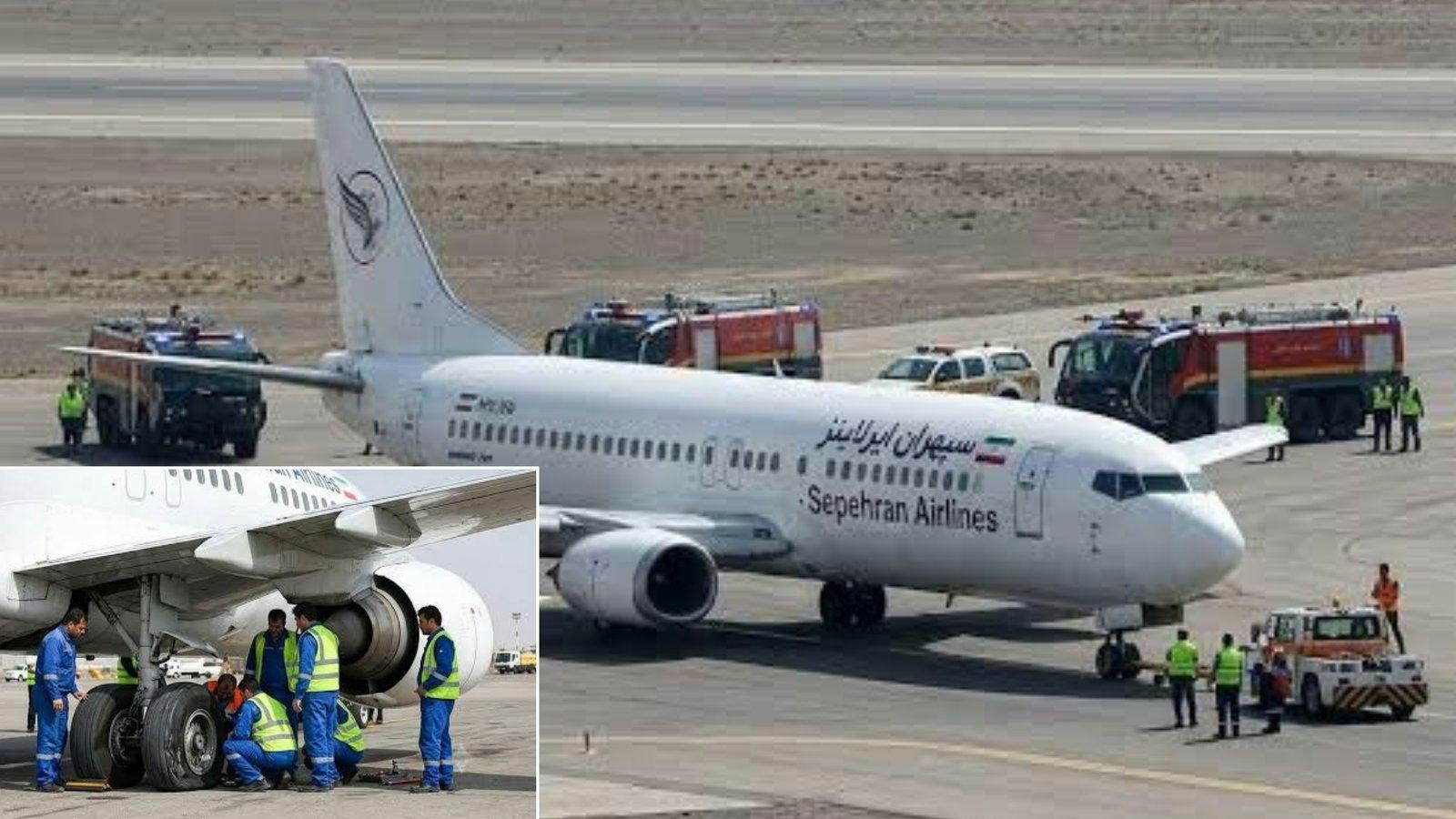
Sepehran Airlines B737 Returns to Mashhad After Tyre and Engine Issues

Etihad Deploys Widebody Fleet to Meet Strong Demand

Korean Air Finalizes $36.2 Billion Deal with Boeing

Australia’s RFDS Queensland Section Orders Six King Air 260Cs

Korean Air Finalizes Order for 103 Boeing Jets and Engines
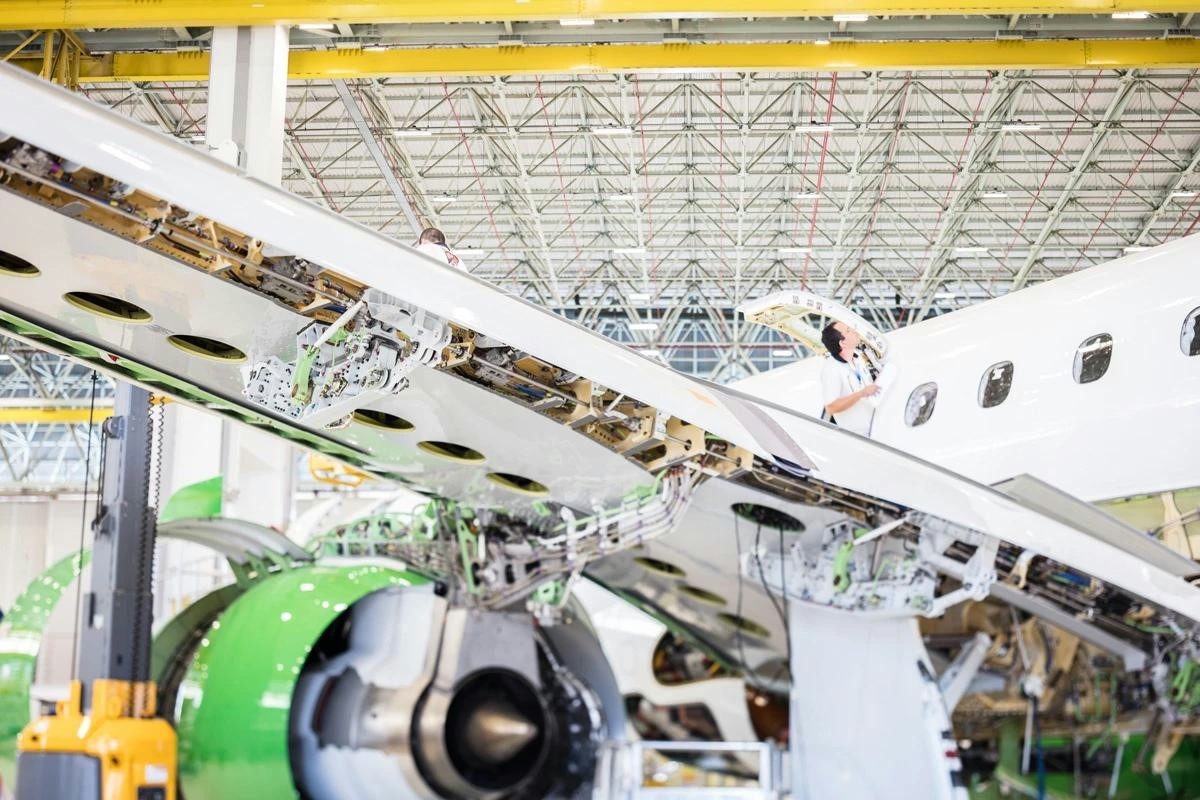
Embraer E195-E2 Features Distinctive Engine Placement Among Regional Jets
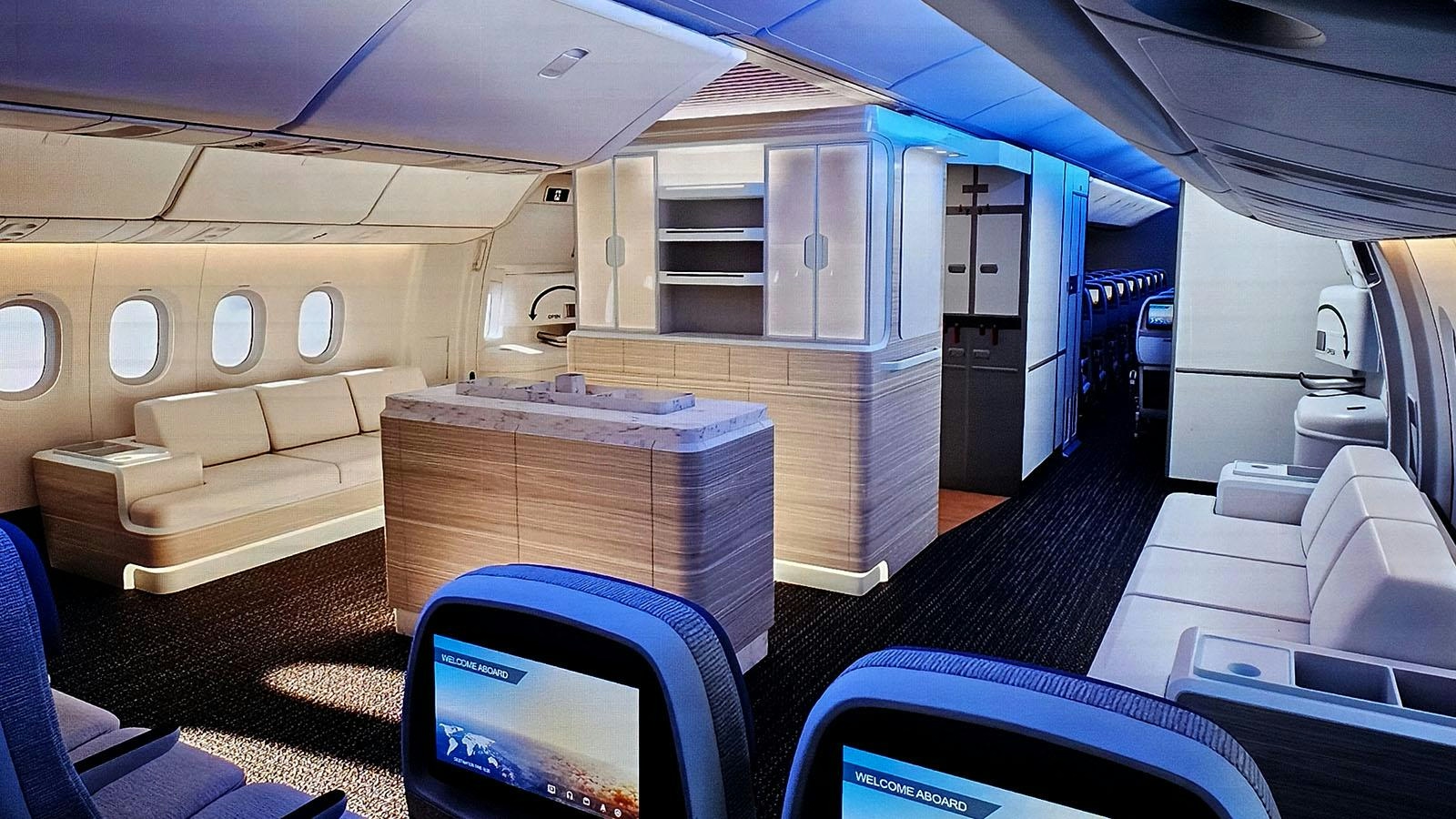
What Passengers Can Expect on Boeing’s New 777X Jet

How Ethiopian Airlines Became Africa’s Leading Carrier Amid Gulf Competition
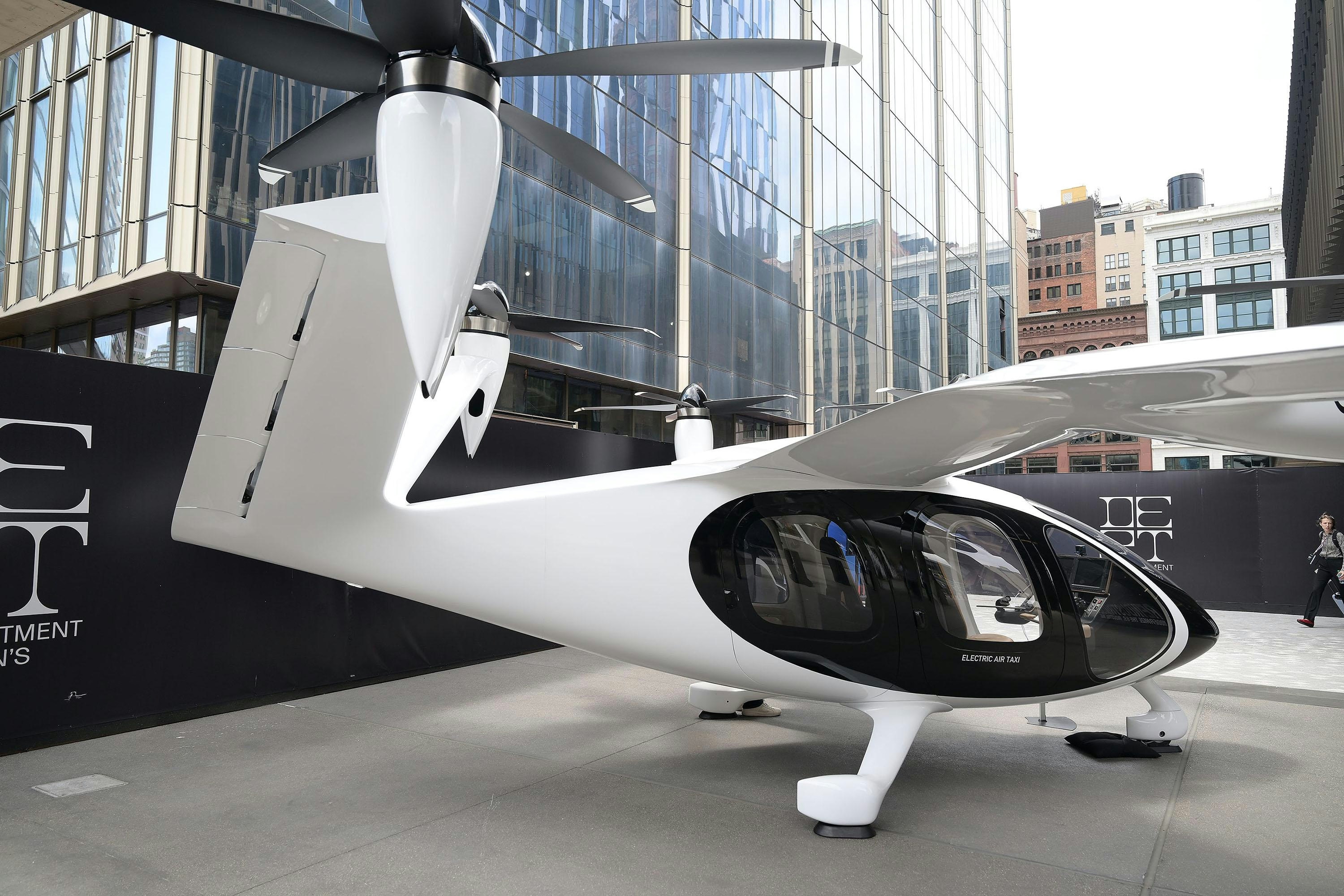
Joby Aviation Extends Autonomous Flight Capabilities with Cross-Country Tour
