
AIによるインサイトを行動へとつなげる

現在のトレンド
Categories
American Airlines Considers Reintroducing Seatback Screens on Narrowbody Aircraft
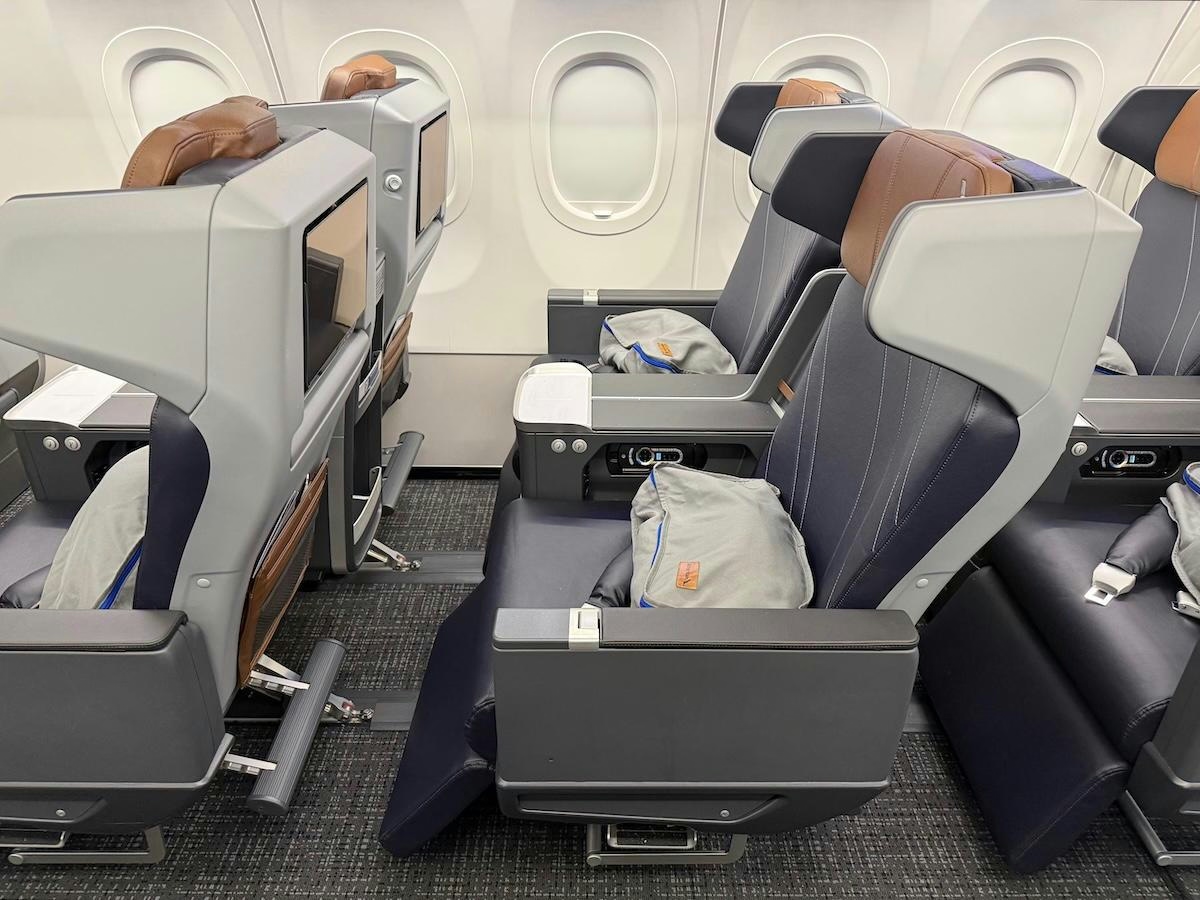
American Airlines Considers Reintroducing Seatback Screens on Narrowbody Aircraft
Revisiting In-Flight Entertainment Amid Competitive Pressures
American Airlines is reportedly evaluating the possibility of reintroducing seatback entertainment screens on its narrowbody jets, nearly eight years after their removal. The airline initially eliminated these screens in 2017 with the introduction of its Boeing 737 MAX 8 fleet, opting instead for a cabin design that prioritized smaller lavatories, reduced legroom, and encouraged passengers to use their personal devices for entertainment. This approach, further expanded through the controversial ‘Project Oasis’ retrofit, was defended by American as a means to offer lower fares and improve on-time performance. However, the move attracted widespread criticism and has since come under renewed scrutiny as competitors Delta Air Lines and United Airlines have invested heavily in onboard amenities, attracting premium travelers and commanding higher fares.
The reconsideration of seatback screens is driven by American’s desire to reposition itself as a more premium carrier and to stem profit losses to its rivals. A decision on this potential shift could be announced as early as next month, reflecting mounting pressure to meet the expectations of high-spending passengers who increasingly demand a superior in-flight experience. Despite the challenges associated with retrofitting existing aircraft—an expensive and logistically complex process—the airline is weighing the benefits of enhancing its cabin environment against the risk of mixed passenger reactions. Some travelers now prefer streaming content on their own devices, especially as airlines continue to invest in faster in-flight Wi-Fi services.
Connectivity Upgrades and Industry Competition
In parallel with the potential return of seatback screens, American Airlines is exploring significant upgrades to its in-flight connectivity. The carrier is reportedly in discussions with Amazon’s high-speed Leo satellite internet service as well as Starlink, the satellite internet provider already being rapidly deployed across United’s fleet. A partnership with Amazon could offer passengers access to Prime Video and Music, along with integration into American’s AAdvantage loyalty program, enabling frequent flyers to redeem miles for Amazon purchases. However, Amazon’s Leo service remains in development, with hundreds of satellites yet to be launched and an expected operational date no earlier than 2027. This timeline contrasts with United’s ongoing Starlink rollout, which is anticipated to be completed well before then.
The competitive landscape in the U.S. airline industry is intensifying, with Delta and United likely to respond to any enhancements made by American by further upgrading their own entertainment and connectivity offerings. Market reactions remain uncertain as passengers and industry analysts assess the value of seatback screens in an era increasingly dominated by personal devices and high-speed wireless connectivity.
Last month, American Airlines CEO Robert Isom faced internal criticism regarding the airline’s strategic direction and financial performance. While he reaffirmed the goal of restoring American’s status as a “world’s premium global airline,” he stopped short of announcing any major strategic changes, including the continuation of the unpopular Oasis retrofits. Whether the airline will ultimately reverse course and reinvest in seatback entertainment remains to be seen, but the decision could mark a significant shift in how American competes for premium travelers in a rapidly evolving industry.

Etihad Airways Suspends Airbus A380 Flights on Key Route

Aditya Birla Group Seeks Approval for Aircraft Leasing in GIFT City

Qatar Airways Highlights Innovation and Connectivity at Arabian Travel Market 2026

Hong Kong's Five-Year Plan Includes Andrew Fan's Aircraft Parts Processing Hub Proposal

ACIA Aero Leasing Delivers ATR72-600 to Air Nostrum

RTX Appoints Jill Albertelli as Head of Pratt & Whitney

TAT Technologies Joins Beyond Aero Hydrogen Aircraft Program

AURAK Study Highlights Barriers to Air Taxi Adoption in Emerging Economies

Xiamen Air Selects Altitude for 787 Maintenance at Heathrow

Etihad and Swissport Extend Global Partnership
