
AIによるインサイトを行動へとつなげる

現在のトレンド
Categories
The Striking Differences Pilots Notice Between The Airbus A330 & A350
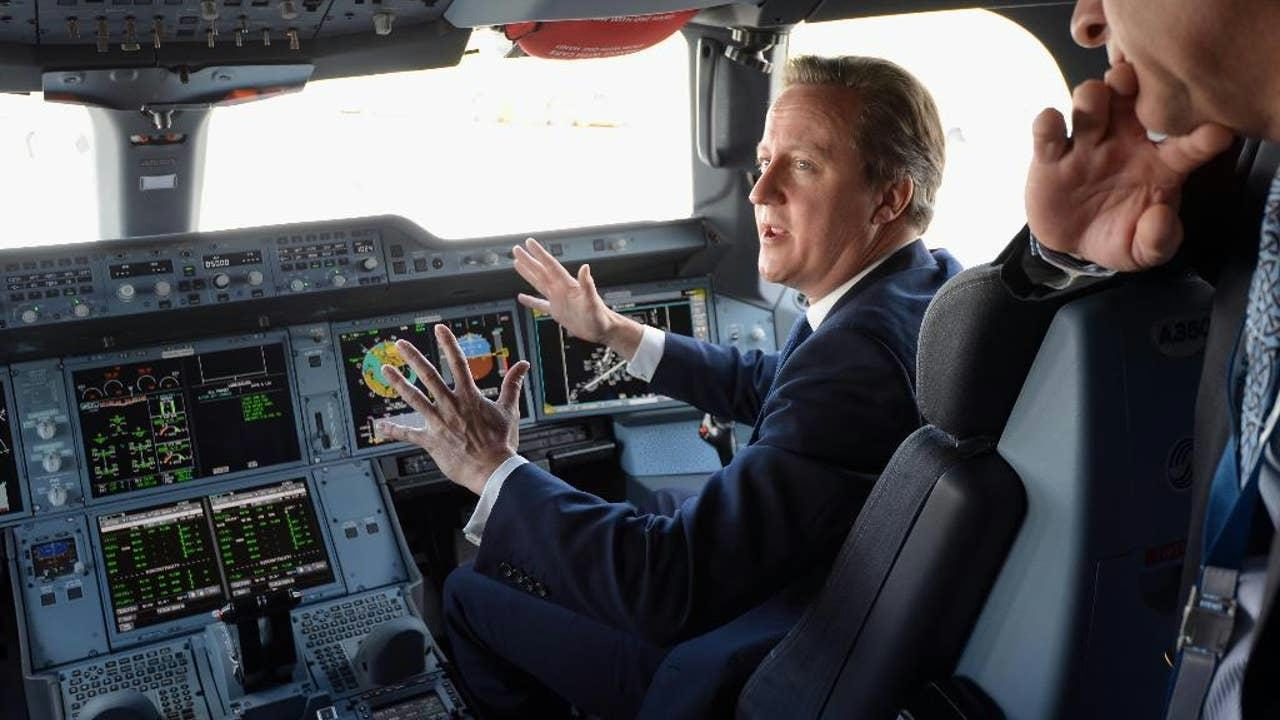
The Striking Differences Pilots Notice Between the Airbus A330 and A350
The Airbus A330 and A350, though produced by the same manufacturer and serving similar roles within airline fleets, represent two distinct generations of Airbus design philosophy. The A330, introduced in the 1990s, is grounded in the mature fly-by-wire technology of that era and has established itself as a reliable widebody workhorse. In contrast, the A350, developed in the 2010s, showcases the advancements of the digital age and composite materials. For pilots transitioning between these aircraft, the experience often feels like moving from a refined classic to a cutting-edge successor.
Shared Airbus DNA and Operational Commonality
Despite the generational divide, Airbus intentionally engineered the A330 and A350 to maintain strong operational commonality. This approach aligns with Airbus’ longstanding philosophy of creating aircraft that feel familiar to pilots, thereby reducing training demands and enhancing fleet flexibility. A notable example of this is the shared type rating between the two models. Regulatory authorities have approved a common type rating, enabling pilots certified on one aircraft to transition to the other with approximately eight days of differences training, rather than undergoing a full retraining program. This is made possible by the similarities in flight controls, cockpit procedures, and overall design philosophy.
Across the Airbus family—from the A320 series to the A380—pilots engage with aircraft through side-stick controllers, automated flight envelope protections, and consistent flight management systems. The “dark cockpit” concept, where instrument panels remain unlit during normal operations and illuminate only to signal warnings or abnormalities, further reduces pilot workload and enhances operational safety.
Distinctive Cockpit Features and Handling Characteristics
While the foundational design principles remain consistent, the differences between the A330 and A350 become evident in cockpit layout and flight handling. The A330, which entered service in 1994, reflects Airbus’ design ethos of the late 20th century. Its cockpit configuration, automation systems, and handling characteristics are familiar to many pilots, offering the classic Airbus experience marked by reliability and straightforward operation.
The A350, however, represents a significant technological advancement. Its cockpit is equipped with larger, more sophisticated displays, enhanced automation, and upgraded flight management systems. The extensive use of composite materials and refined aerodynamics contribute to improved fuel efficiency and extended range. Pilots often remark on the A350’s smoother handling, quieter cabin environment, and more intuitive systems, underscoring its status as a next-generation aircraft.
Operational and Market Implications
The differences between the two aircraft present both opportunities and challenges. Pilots must adapt to new systems and controls, which can introduce training complexities and operational adjustments during fleet transitions. Airlines are reevaluating their fleet strategies, balancing the operational efficiencies and cost-effectiveness of each model. Meanwhile, the competitive landscape is evolving as rival manufacturers seek to respond to Airbus’ technological advancements.
Recent developments highlight the A350’s expanding market presence. Atlas Air Worldwide’s substantial order for up to 40 A350 freighters underscores the aircraft’s competitive advantage in the cargo sector. Concurrently, SWISS is upgrading its A330 fleet with new first and business class cabins, aiming to enhance passenger experience and operational efficiency.
For pilots, transitioning from the A330 to the A350 signifies more than a technological upgrade; it marks a shift between two eras of commercial aviation. Airbus’ commitment to cockpit commonality facilitates this transition, yet the pronounced differences in systems, handling, and performance illustrate the remarkable progress in aircraft design over the past three decades.
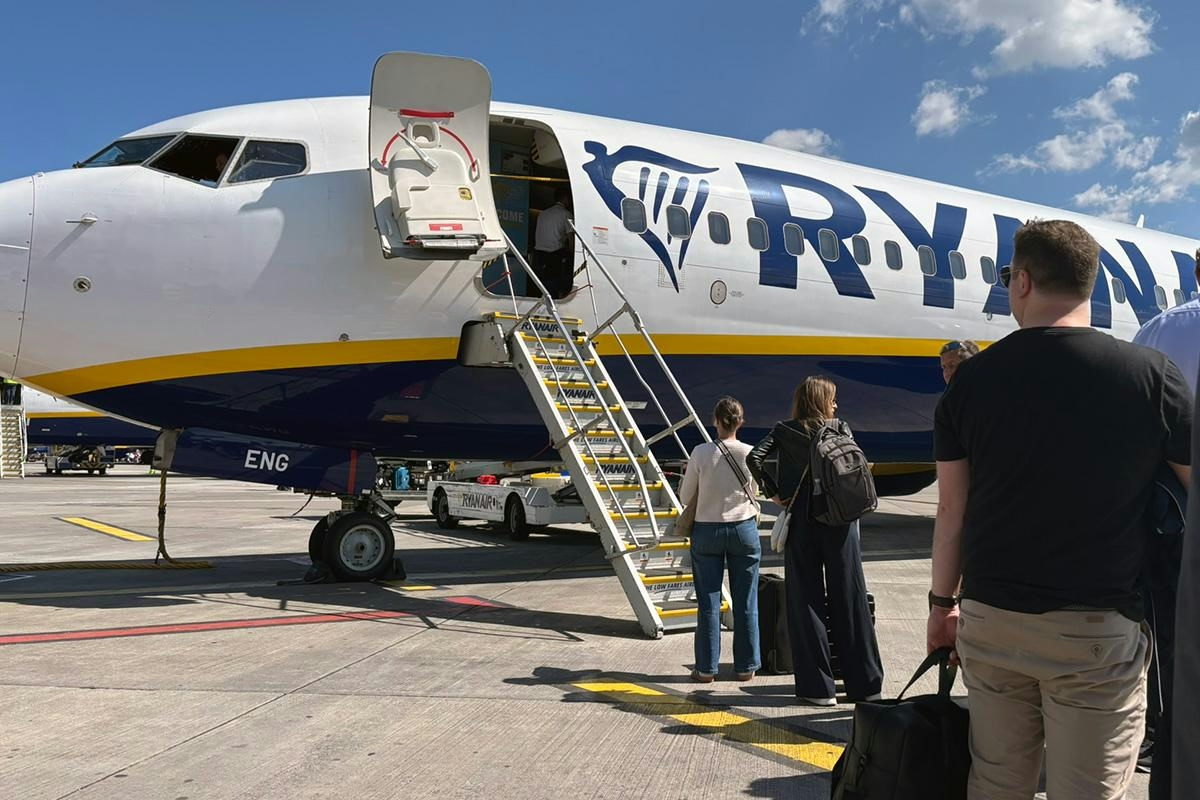
Ryanair and Alaska Airlines Apply AI to Operational Decision-Making

Digital Payments, AI, and Aviation Strengthen Philippines-India Relations
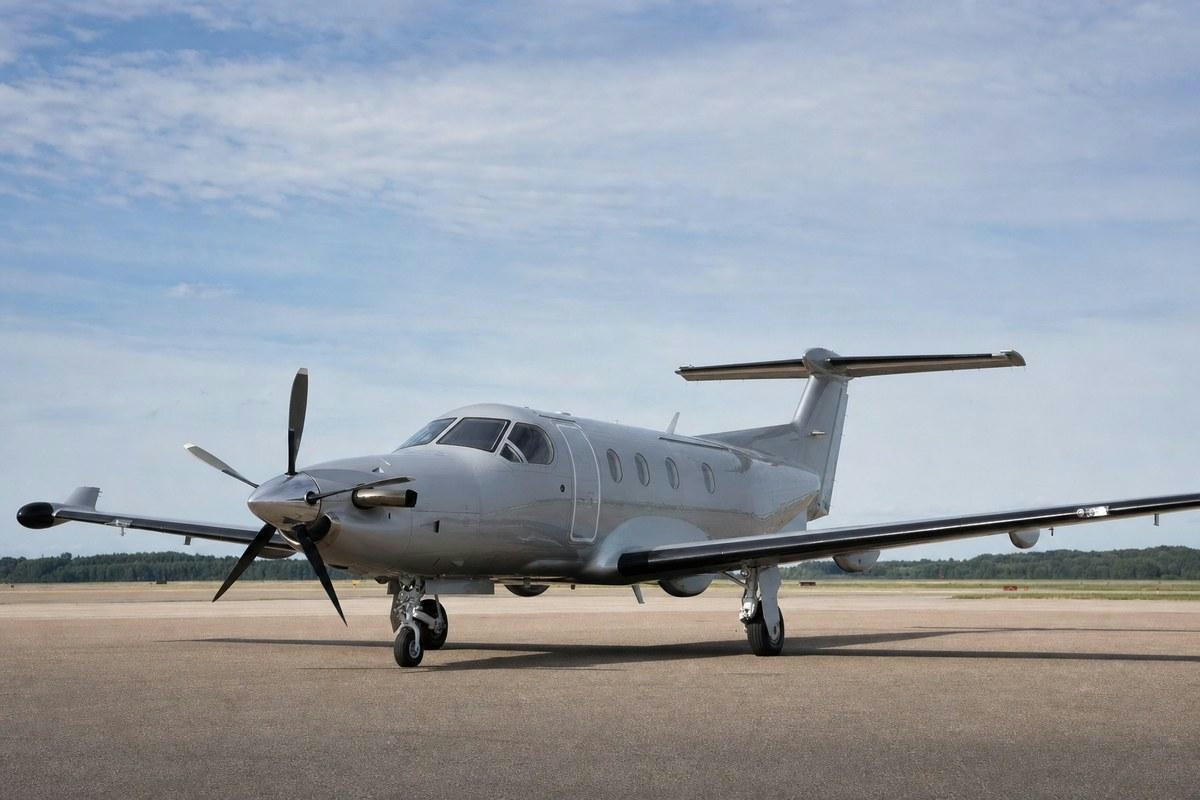
PlaneSense Suspends PC-12 Jet Card Sales
How AI Could Transform Bird-Strike Prevention for Business Aviation
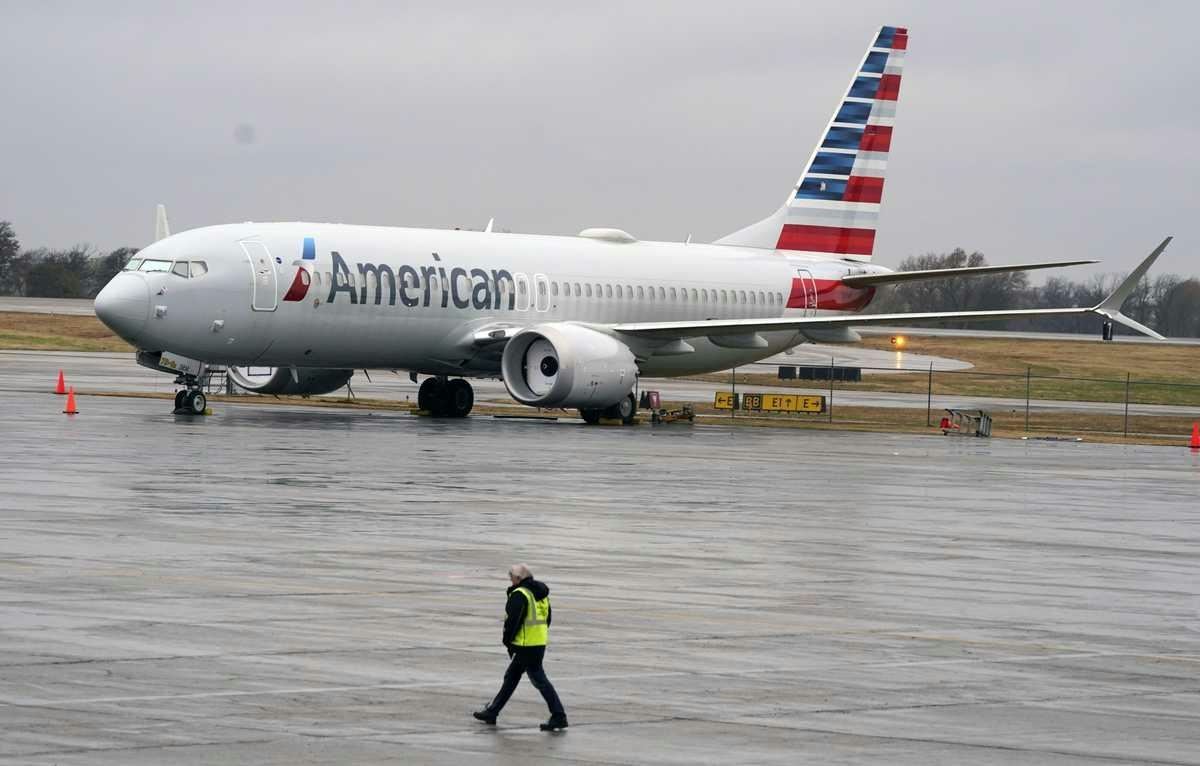
American Airlines and Boeing Complete First 737 MAX Landing Gear Swap

Vietjet and Thales sign major MRO and AI deals in Paris
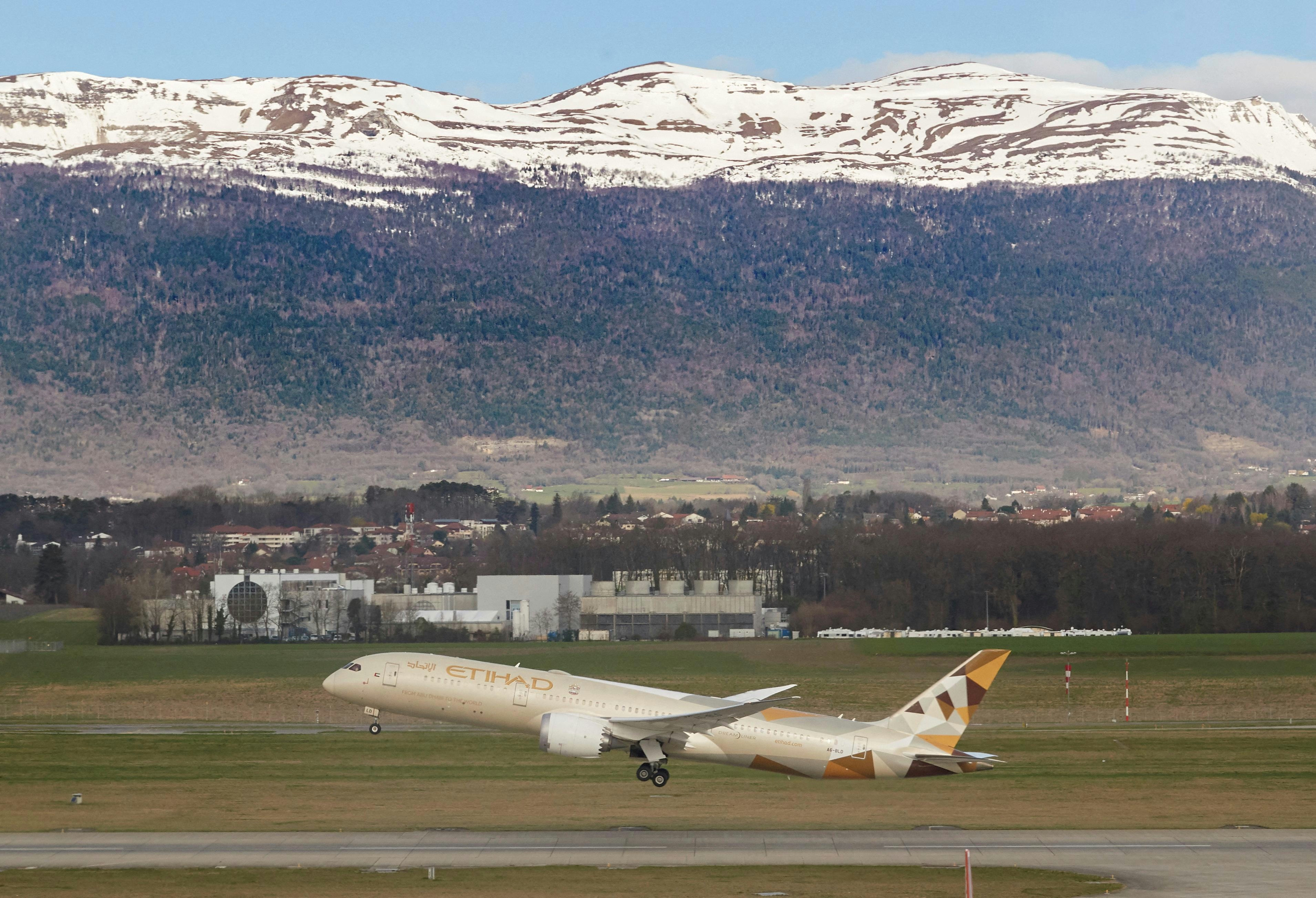
Etihad CEO Cites Aircraft Capacity as Limiting Factor Amid Growth in China and Africa
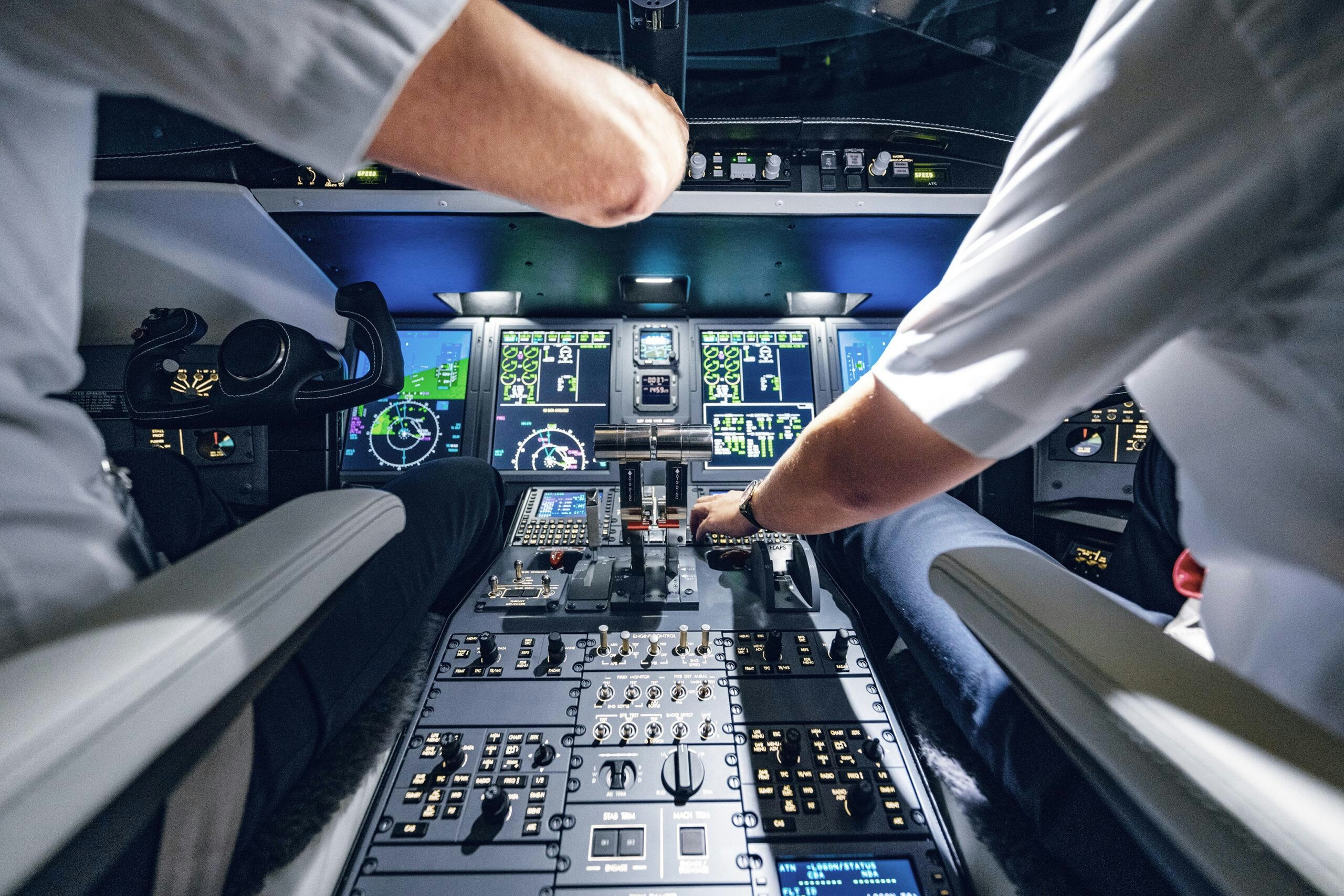
Artificial Intelligence Enters the Cockpit

How Southwest Airlines is using technology, data and AI to strengthen CX while keeping the human touch
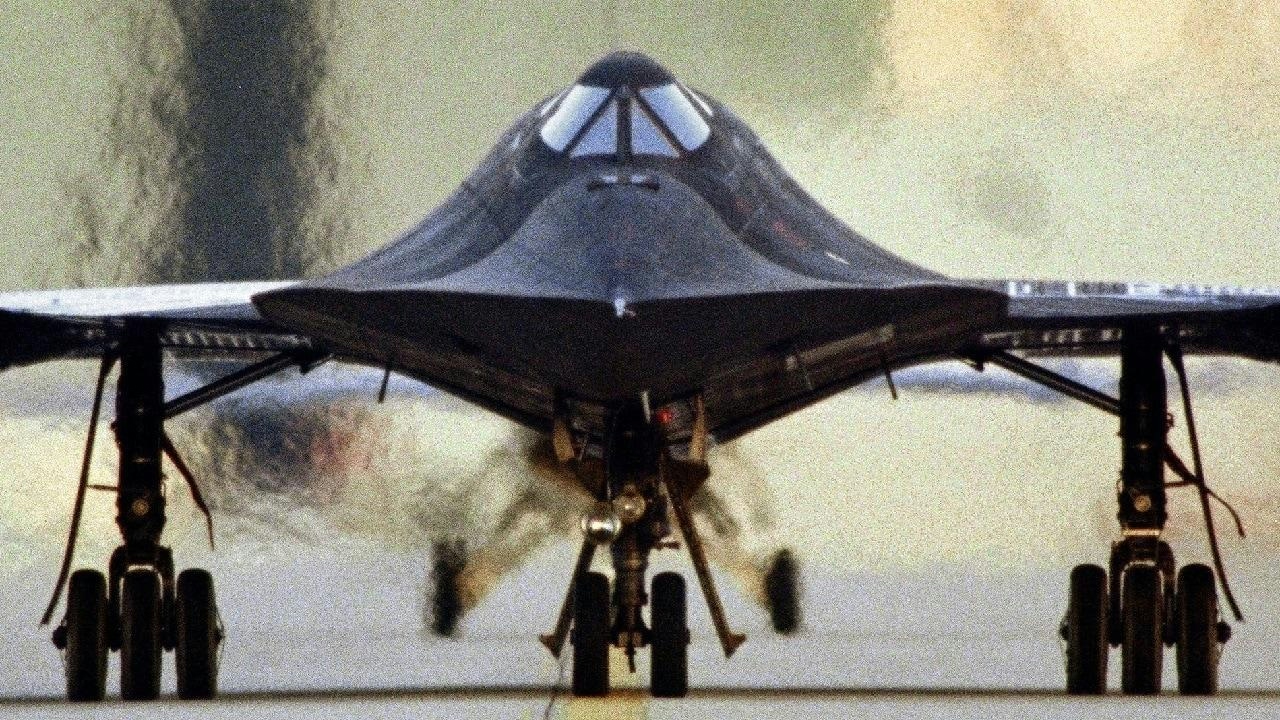
The SR-71 Blackbird Reached Mach 3.5 and 85,000 Feet Using Advanced Materials and Engines
