
Превращайте аналитические выводы ИИ в реальные действия

В тренде
Categories
FAA Addresses Fuel Pump Issue and Fire Risk in GEnx Engines
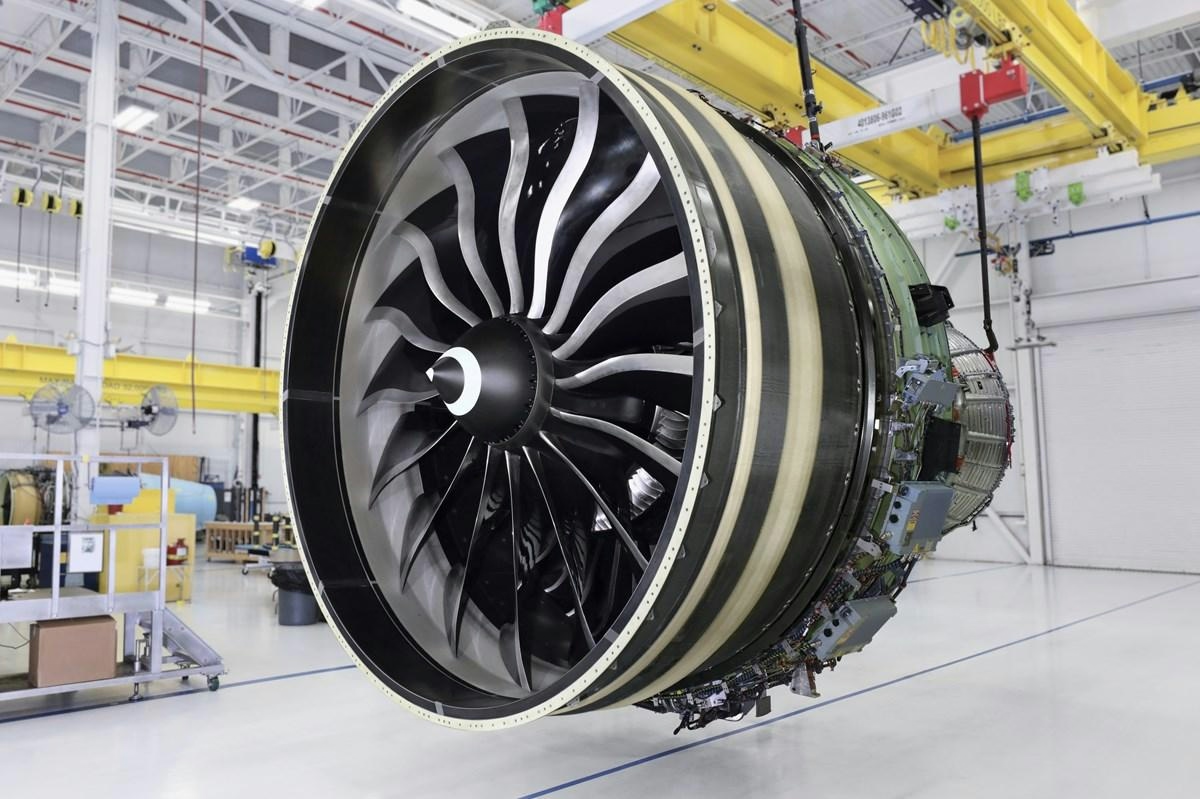
FAA Proposes Safety Measures to Mitigate Fire Risk in GEnx Engines
The Federal Aviation Administration (FAA) has introduced new safety requirements targeting U.S. airlines operating aircraft powered by GE Aerospace’s GEnx turbofan engines. This regulatory action follows concerns over a potential engine fire hazard linked to defective fuel pumps.
Background and Investigation Findings
The impetus for the FAA’s proposal arose after a Boeing 787-8, equipped with GEnx-1B engines, experienced a fuel imbalance caused by a leak in the inlet housing of the main fuel pump. A subsequent investigation by the engine manufacturer revealed that the inlet housing damage resulted from failed thrust bearing screws within the housing. The root cause was identified as inadequate torque control during engine overhaul procedures.
Fuel leaks originating from the inlet housing pose a significant fire risk if left unaddressed. In response, the FAA’s proposed rule, published on June 2, mandates the replacement of affected fuel pumps with new or overhauled units. This directive applies to 265 U.S.-registered aircraft, including Boeing 787s powered by GEnx-1B engines and 747-8s equipped with GEnx-2B engines. Operators are required to complete these replacements during the engines’ next scheduled maintenance shop visit.
Industry Response and Regulatory Implications
The FAA’s initiative aligns with existing recommendations from GE Aerospace and exemplifies a proactive stance on aviation safety management. GE Aerospace emphasized that the proposed rule is consistent with its guidance to operators and reflects a shared commitment to mitigating safety risks.
While the current focus is on GEnx engines, the incident and regulatory response may prompt other engine manufacturers to scrutinize their products for similar vulnerabilities. The broader industry reaction and any subsequent measures by competitors remain to be observed.
This proposal highlights the FAA’s dedication to addressing safety concerns swiftly and transparently, aiming to prevent future incidents related to fuel pump failures in commercial aviation.

Etihad Airways Suspends Airbus A380 Flights on Key Route

Aditya Birla Group Seeks Approval for Aircraft Leasing in GIFT City

Qatar Airways Highlights Innovation and Connectivity at Arabian Travel Market 2026

Hong Kong's Five-Year Plan Includes Andrew Fan's Aircraft Parts Processing Hub Proposal

ACIA Aero Leasing Delivers ATR72-600 to Air Nostrum

RTX Appoints Jill Albertelli as Head of Pratt & Whitney

TAT Technologies Joins Beyond Aero Hydrogen Aircraft Program

AURAK Study Highlights Barriers to Air Taxi Adoption in Emerging Economies

Xiamen Air Selects Altitude for 787 Maintenance at Heathrow

Etihad and Swissport Extend Global Partnership
