
Превращайте аналитические выводы ИИ в реальные действия

В тренде
Categories
FAA Expands Drone Program and UAS Workforce Initiatives
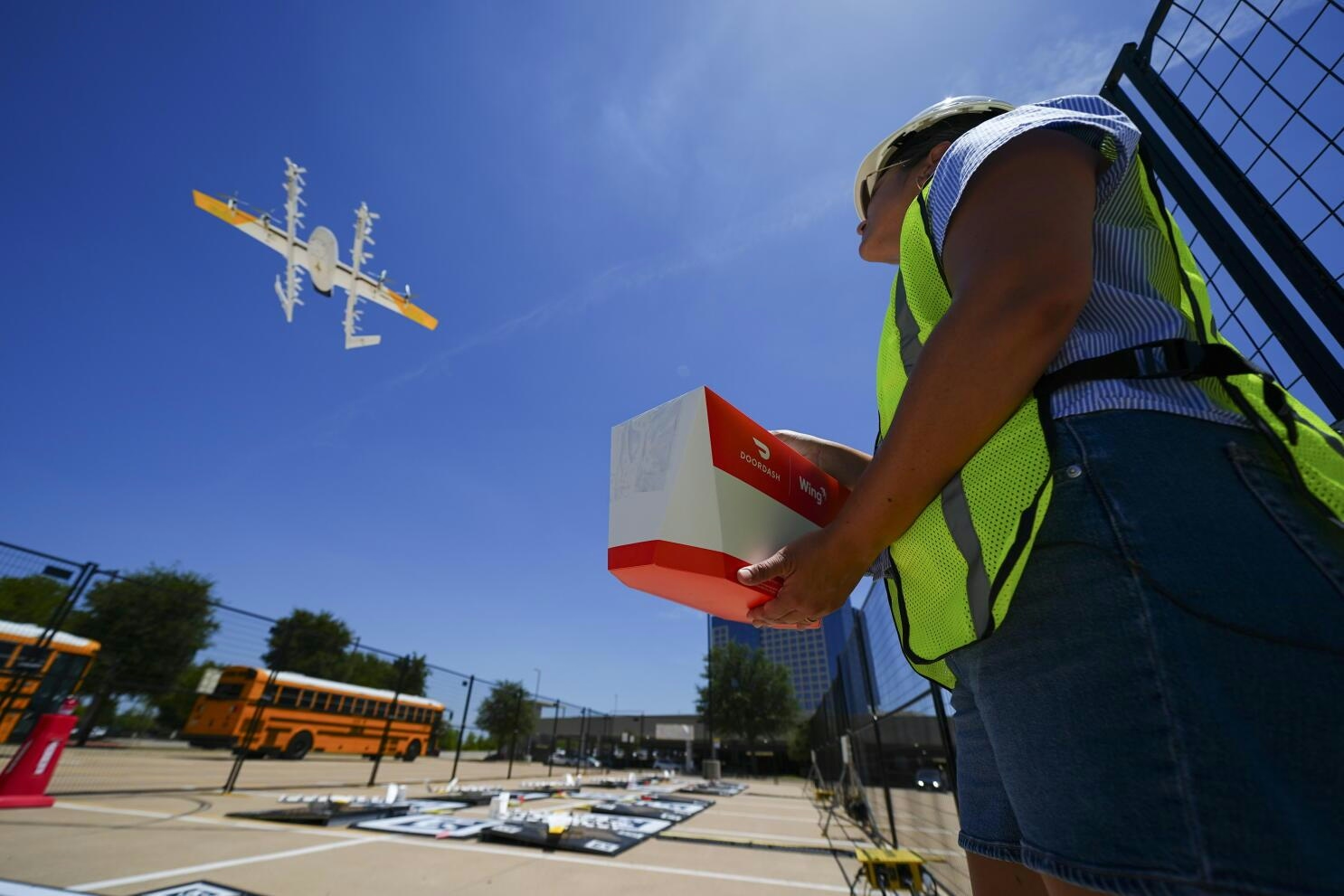
FAA Expands BEYOND Drone Program and UAS Workforce Initiatives
The Federal Aviation Administration (FAA) is set to significantly expand its BEYOND program, a pivotal effort aimed at integrating advanced drone operations into the United States airspace. The program will double in size, with up to eight additional state, local, tribal, and territorial entities joining as lead participants. This expansion is expected to broaden the program’s scope and enhance its impact on the development of routine drone operations.
Advancing Drone Integration Through BEYOND
Originally launched in 2020, the BEYOND program builds upon an earlier drone integration pilot by employing real-world operations to evaluate how drones can safely operate under standard aviation regulations, moving away from the previous reliance on case-by-case waivers. During its initial phase, participants completed over 70,000 flights, including more than 48,000 beyond visual line of sight (BVLOS) operations, where drones operate beyond the direct view of the pilot. These BVLOS flights are critical for scaling drone applications such as delivery services, infrastructure inspections, and public safety missions. However, they also present new safety and regulatory challenges that the FAA aims to address.
The second phase of BEYOND will not only increase the number of participating organizations but will also focus on more complex operational environments. These include public safety missions, airport operations, and expanded BVLOS flights. FAA Administrator Bryan Bedford highlighted the importance of this phase, stating that it will “expand the partnerships and operations needed to address remaining challenges in beyond visual line of sight operations, public safety missions, on-airport operations and other complex airspace environments.”
This expansion coincides with the FAA’s ongoing efforts to finalize new BVLOS regulations and establish performance-based standards for drone operations. These regulatory frameworks are designed to facilitate the broader integration of drones and emerging aviation technologies into the National Airspace System, which encompasses the country’s airspace, airports, navigation services, and operational infrastructure.
Industry Response and Workforce Development
The announcement has been met with positive reactions from the commercial sector. Companies such as Uber, Zipline, and Amazon Prime Air are actively expanding their drone delivery networks, anticipating that streamlined regulations will accelerate the deployment of commercial drone services. The program’s growth is also expected to stimulate competition and innovation within the industry by lowering barriers and encouraging domestic development and testing of new aviation technologies, thereby helping to maintain the United States’ leadership in this sector.
In parallel with regulatory advancements, workforce development has emerged as a critical focus. In Minnesota, the State Transportation Center of Excellence is spearheading the creation of a statewide unmanned aircraft systems (UAS) Community of Practice. This initiative seeks to connect higher education institutions, industry stakeholders, and workforce development organizations to ensure that training programs align with the evolving demands of the drone sector. Executive Director Shawn Haag emphasized the Center’s mission to advance UAS workforce development and foster collaboration across education, training, and industry.
Haag, who also leads Minnesota’s three-year, $1.5 million NASA Aerospace Skilled Technical project, underscored the necessity of preparing a skilled workforce to support the rapid expansion of drone technologies. The Center works closely with Minnesota State colleges and universities, K-12 education systems, industry partners, and government agencies to ensure that educational and training programs keep pace with technological advancements.
As the FAA expands the BEYOND program and workforce initiatives gain momentum, the United States is positioning itself to lead in the safe and routine integration of drones into national airspace, balancing innovation with safety and workforce readiness.
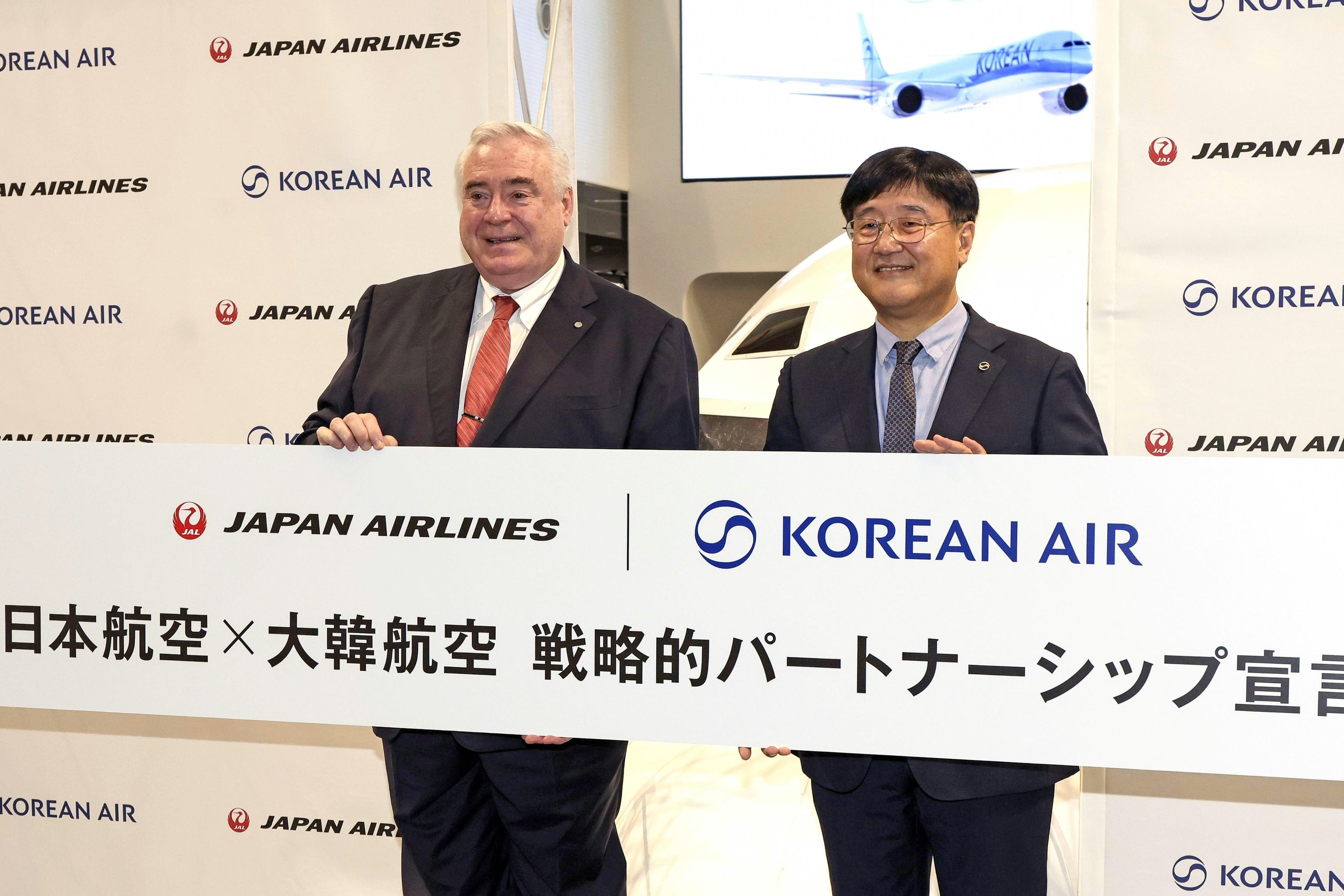
JAL Acquires Hanjin KAL Stake, Strengthening Alliance with Korean Air
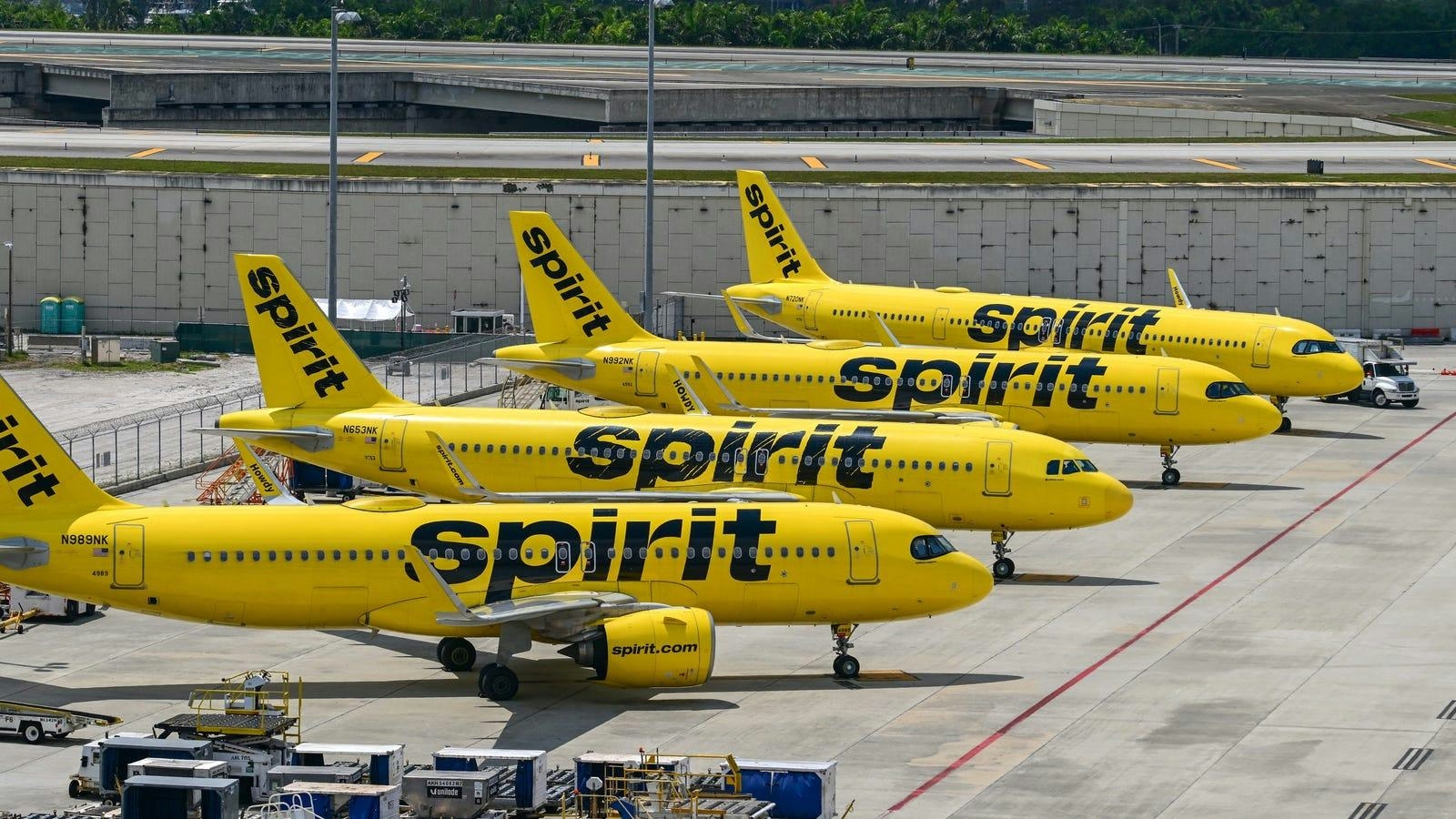
AI Startup Offers $12.5 Million for Spirit Aviation Data
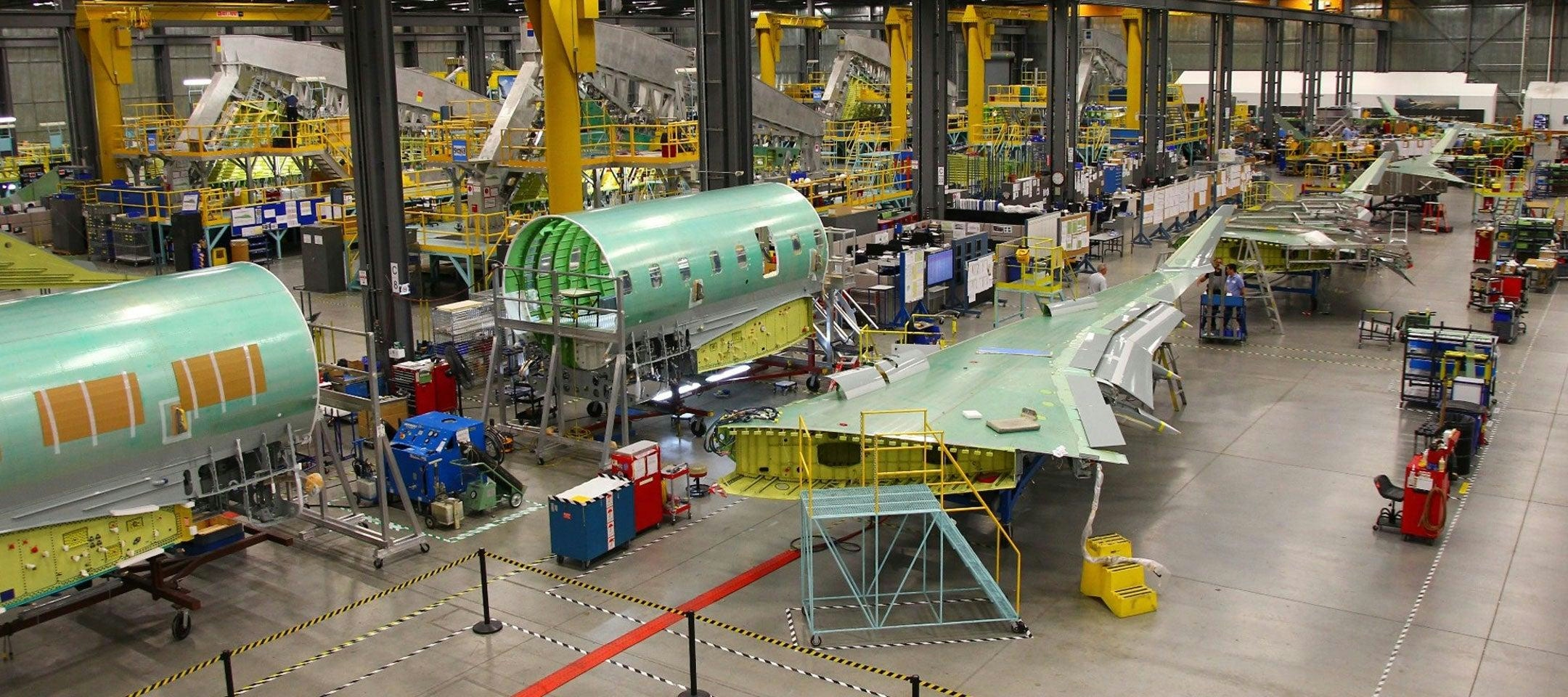
Bombardier to Acquire MHICA, Internalize Wing Production
FAI Technik Authorized as Starlink Dealer

AI Flight Between Madurai and Chennai to End After 68 Years on Oct. 25
Airbus Reaches 1,000 Orders Amid Delivery Concerns

The Cost of De-Icing a Boeing 777 for Airlines
AVAKS-GeoService Patents UAV with Four Lift Propellers and One for Acceleration

Could AI Agents Turn the Time Between Trips Into a Revenue Channel?
AL-51F1 Engine Extends Su-57's Range Beyond Air-to-Air Missiles
