
Превращайте аналитические выводы ИИ в реальные действия

В тренде
Categories
Investigation Reveals Electrical Failure Behind AI 171 Boeing 787 Crash
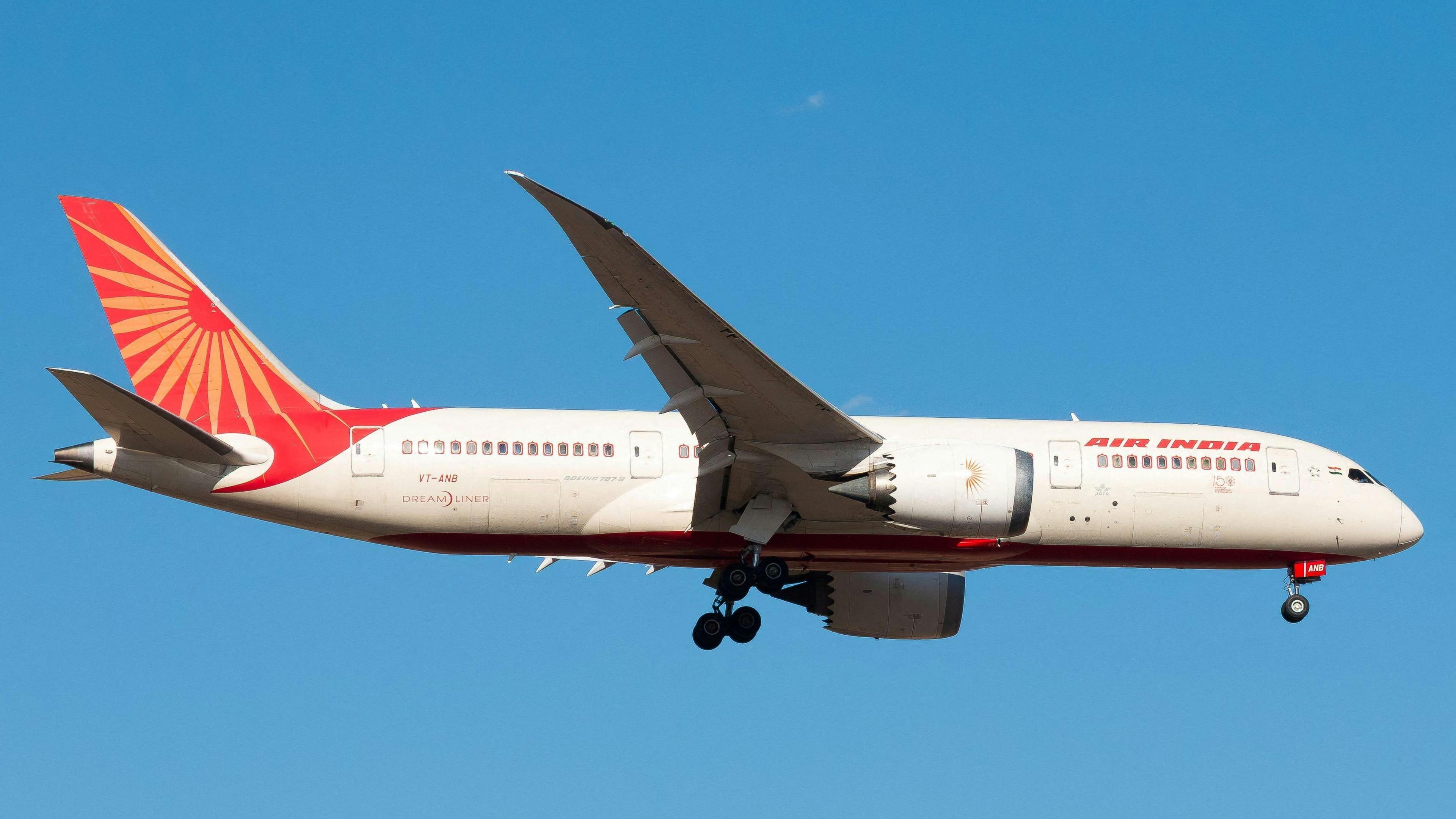
Investigation Reveals Electrical Failure Behind AI 171 Boeing 787 Crash
On June 12, 2025, Air India flight 171, a Boeing 787-8 Dreamliner registered VT-ANB, crashed in Ahmedabad minutes after takeoff, resulting in the deaths of all 260 passengers and crew on board. This tragic event stands as one of the deadliest aviation disasters in India’s history. The initial investigation by the Aircraft Accident Investigation Bureau (AAIB) of India’s Ministry of Civil Aviation attributed the crash to the unexpected activation of both engine fuel cut-off switches, which caused the engines to spool down. The ram air turbine (RAT), an emergency power source, deployed as the aircraft lost altitude before ultimately crashing. However, the pilots denied any command to cut off the fuel supply, leaving the precise cause under continued scrutiny.
Calls for Independent Investigation and Technical Concerns
The crash has drawn intense scrutiny, particularly from Pushkaraj Sabharwal, a senior DGCA official and father of the flight’s captain, Sumeet Sabharwal. Known for his exceptional skill and composure, Captain Sabharwal’s reputation among peers was one of utmost reliability and safety. In the wake of the disaster, Pushkaraj has petitioned the Supreme Court to demand an independent investigation beyond the AAIB’s scope. He contends that the preliminary report is flawed and raises concerns over the involvement of Boeing and General Electric—manufacturers of the aircraft and its engines—in the investigative process, which he argues contravenes international aviation norms.
Pushkaraj’s petition highlights the aircraft’s troubling technical history in the 48 hours preceding the crash. The 12.5-year-old Dreamliner reportedly experienced three major electrical failures and eleven minor component malfunctions during this period. Despite this, public and official focus has largely remained on the fuel cut-off switches, a point Pushkaraj believes was selectively emphasized, potentially obscuring the broader issue of electrical system reliability.
Broader Implications for Aviation Safety and Industry Response
The emerging evidence pointing to electrical failure as a probable cause has intensified global discussions about the safety standards of modern aircraft. A Boeing whistleblower has cautioned against prematurely attributing the crash to pilot error, underscoring the necessity of thoroughly investigating potential system failures in increasingly complex, software-driven airplanes. This incident has reignited debate over whether current aviation safety frameworks are adequately equipped to address the challenges posed by next-generation aircraft technologies.
In the financial markets, Boeing’s stock rose by 7% following the crash, buoyed by the company’s chief financial officer projecting increased deliveries of both 737 and 787 models in the coming year. This investor confidence contrasts with the ongoing calls from aviation experts and victims’ families for greater transparency and accountability in the investigation process.
As the official inquiry proceeds, the aviation community and affected families await comprehensive findings that may inform future safety protocols. The hope remains that lessons drawn from the AI171 tragedy will contribute to enhanced safety measures and prevent similar disasters in the future.

Adobe Warns AI-Driven Trip Planning Challenges Travel Sites
The Global Parts Shortage
GE Aerospace's Robust Capital Position Fuels Higher Shareholder Returns
AI Advances Support Sustainable Aviation and Efficient Flight Paths

Airbus Faces Freighter Deadline Amid Weak Order Growth and Stagnant Shares

Integrated CNS System for Low-Altitude Aircraft

Chinese Robots Debut in Aviation and Military Roles at WRC 2026
Kenya Airways Aims to Resume Operations of Grounded Fleet by Early 2027
Avora Aviation Completes A320 Sale-Leaseback Agreement with FTAI
StandardAero Expands Bombardier Global MRO Services at Van Nuys Facility
