
Превращайте аналитические выводы ИИ в реальные действия

В тренде
Categories
LATAM Plans 410-Aircraft Fleet by 2026, Adding Embraer Jets

LATAM Plans 410-Aircraft Fleet by 2026, Introducing Embraer Jets
LATAM Airlines Group is poised to expand its fleet to approximately 410 aircraft by 2026, solidifying its status as one of the world’s largest airline operators. The group ended 2025 with a total of 371 aircraft, having received 26 new jets throughout the year. In 2026, LATAM expects to add 41 more aircraft, marking a significant milestone with the introduction of Embraer jets for the first time. This strategic move aims to enhance operational flexibility and bolster domestic services within Brazil, where LATAM already holds a dominant market position.
Fleet Composition and Future Expansion
Currently, LATAM’s fleet consists of around 370 aircraft, including models from Airbus, Boeing, and Embraer. The narrowbody segment features 39 Airbus A319s, 135 A320ceos, 52 A320neos, 49 A321ceos, and 18 A321neos. On the widebody side, the airline operates 29 Boeing 767-300ERs, 10 Boeing 777-300ERs, and 38 Boeing 787 Dreamliners, split between 10 787-8s and 28 787-9s. The forthcoming addition of Embraer E195-E2 jets represents LATAM’s entry into a new regional aircraft category, expected to support more flexible and efficient domestic operations.
Looking beyond 2026, LATAM plans to continue its fleet growth with 27 additional aircraft scheduled for delivery in 2027. This includes the long-range Airbus A321XLR, which will enable the airline to extend its narrowbody route network. By the end of the decade, LATAM aims to introduce over 130 new aircraft, with at least half of its fleet—approximately 200 planes—comprising newer-generation models designed to improve fuel efficiency and reduce emissions.
Challenges and Industry Context
Despite these ambitious plans, LATAM faces several challenges that could affect its expansion trajectory. Regulatory uncertainties, particularly those stemming from ongoing tax reforms in Brazil, pose significant risks. LATAM’s CEO, Jerome Cadier, has identified these regulatory issues as a major concern for the airline’s future development. Additionally, the competitive environment in Latin America is intensifying, with rivals such as GOL exploring fleet diversification strategies that may increase market competition.
From the manufacturing perspective, Embraer projects a rise in deliveries and revenue, targeting an annual output of 100 E-Jets by 2027 or 2028. While this aligns with LATAM’s growth objectives, it also raises questions about Embraer’s capacity to meet escalating demand amid potential production and supply chain constraints. Any delays could impact LATAM’s schedule for integrating the new aircraft into its operations.
Nonetheless, LATAM remains committed to modernizing its fleet and reinforcing its market position. The introduction of Embraer jets is expected to enhance operational agility, particularly within Brazil’s dynamic domestic market. The broader fleet renewal strategy underscores LATAM’s focus on sustainability and efficiency as it prepares for the challenges and opportunities leading up to 2030.

Bangladesh Launches Initiative to Become Regional Aviation Hub
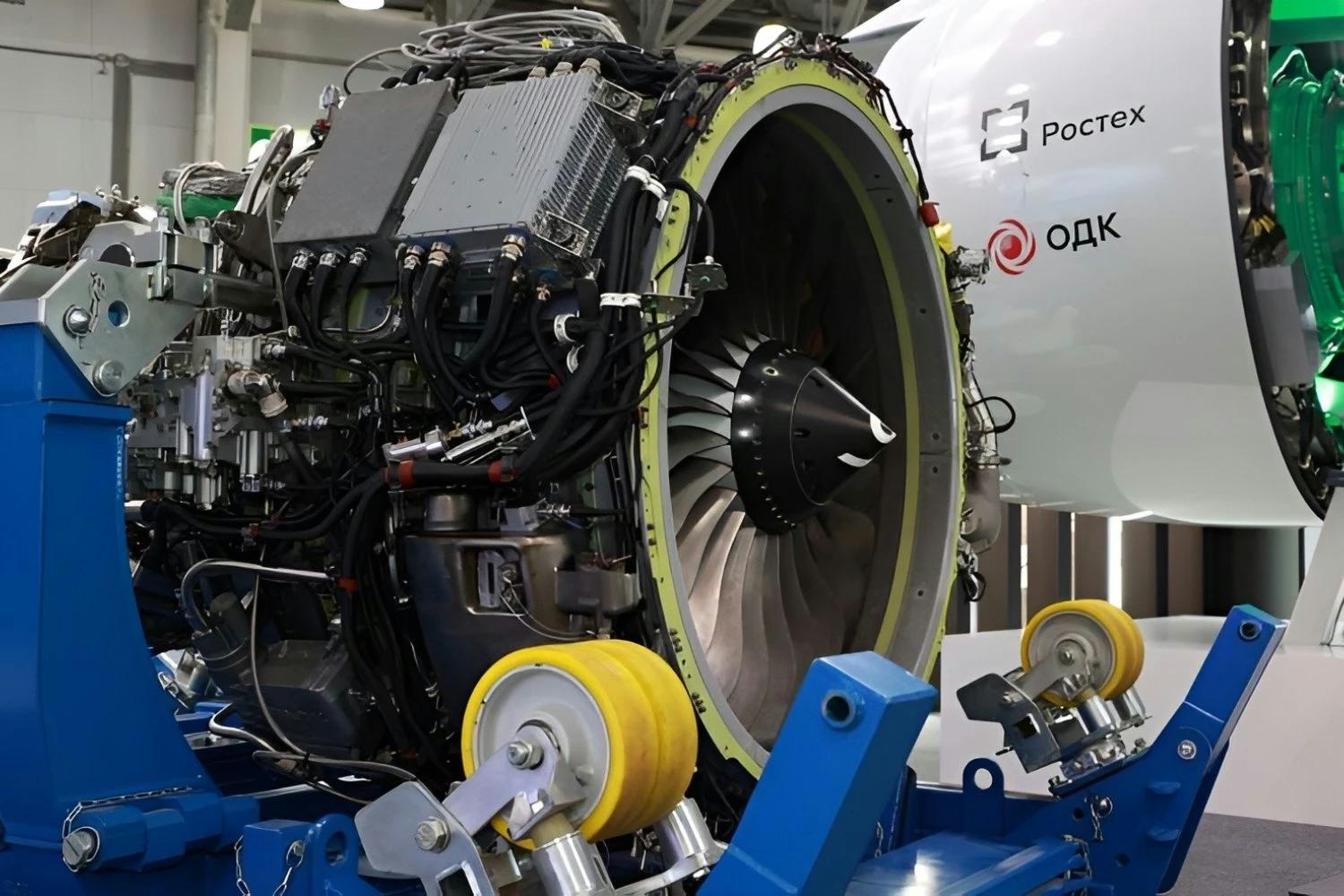
Russia Transports PD-8 Engine to India for International Certification

Kyrgyzstan to Adopt EMPIC GmbH Software for Flight Safety Oversight

Why Hawaiian Airlines Is Waiting Until 2028 To Add A Premium Economy Cabin To Its Airbus A330 Fleet

Engine Fault Causes Royal Navy Helicopter Crash Fatality

Joby Aviation Begins Texas Air Taxi Test Flights Amid Stock Decline

Iberia Receives Full Approval for Airbus A350 Heavy Maintenance

NetJets to Construct Terminal and Hangar at Dallas Love Field

Using AI in Aircraft Purchases

CIAM Unveils RPD-150T Engine to Replace Rotax 150 hp Model
