
Превращайте аналитические выводы ИИ в реальные действия

В тренде
Categories
US, UK, and China Integrate AI in Aviation Amid Flight Disruptions
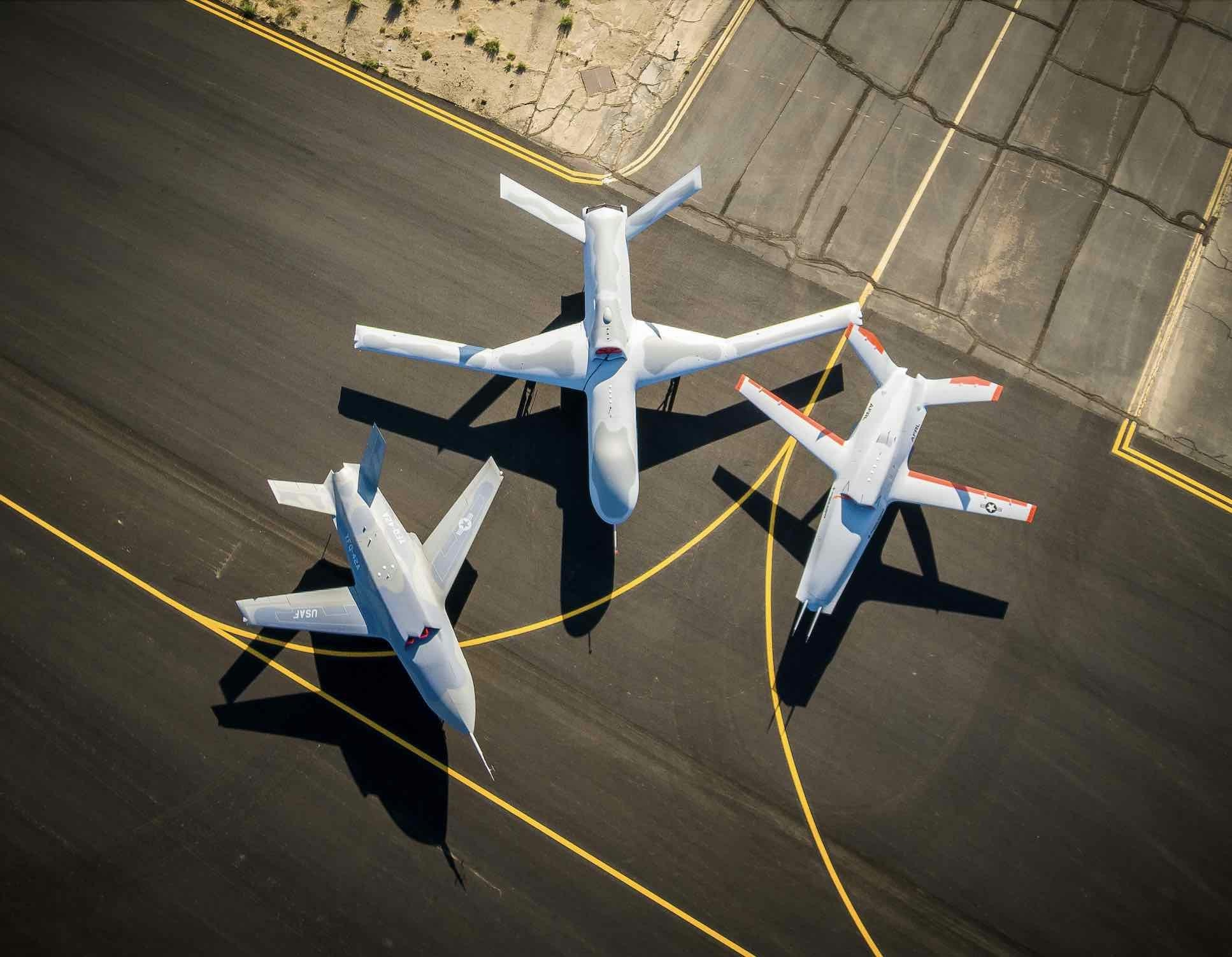
US, UK, and China Integrate AI in Aviation Amid Flight Disruptions
As major global airports grapple with severe flight disruptions and operational chaos, leading economies including the United States, the United Kingdom, and China are accelerating the adoption of artificial intelligence (AI) within their aviation and tourism sectors. This strategic shift aims to stabilize passenger flows, reduce operational failures, and reshape the future landscape of international travel.
AI as a Response to Aviation Challenges
The aviation industry is currently facing unprecedented delays and cancellations, prompting governments and aviation authorities to turn to AI as a critical tool for managing these challenges. Advanced AI systems are being deployed to enhance operational efficiency, alleviate terminal overcrowding, and improve the overall passenger experience. Cities such as New York, London, and Tokyo, where airlines are contending with significant logistical bottlenecks, exemplify the urgent need for smarter and more resilient travel infrastructure.
Leading Nations in AI-Driven Aviation Innovation
In the United States, AI adoption is at the forefront of transforming tourism infrastructure. Airports in New York, Los Angeles, Chicago, and Atlanta are utilizing predictive flight scheduling, sophisticated delay management, and AI-powered pricing models to streamline passenger movement and reduce wait times. Additionally, AI-driven security protocols and personalized travel recommendations are enhancing both operational efficiency and customer satisfaction.
China has developed a comprehensive AI travel ecosystem that integrates smart technology throughout the entire travel experience. From super-app booking platforms to AI-enabled hotel and transportation services, cities like Beijing, Shanghai, and Shenzhen showcase highly connected, data-driven tourism environments. The use of facial recognition for immigration and real-time demand forecasting further cements China’s position as a global leader in smart tourism innovation.
The United Kingdom is emphasizing sustainable AI tourism development through the deployment of intelligent transport systems and data-driven planning tools. Despite its strengths in AI research and manufacturing, the UK faces challenges in scaling beyond pilot projects, which risks slowing its pace of adoption relative to international competitors.
Opportunities and Challenges in AI Integration
While AI holds significant promise for revolutionizing aviation by reducing carbon emissions, enhancing efficiency, and personalizing services, its integration presents notable challenges. Airlines and airports must carefully balance the advantages of automation with the imperative to maintain customer trust and protect sensitive data. Market responses reveal a mixture of enthusiasm for AI’s potential and concern over the complexities of implementation, including the risk of disrupting established distribution channels.
Competitors are increasingly adopting AI to optimize operations and improve customer service, yet the substantial investments required can strain liquidity, particularly for carriers already under financial pressure. In the UK, the risk of falling behind in AI adoption highlights the critical need to transition from experimental pilots to comprehensive, large-scale deployment.
Toward a Transformed Global Aviation Industry
As AI becomes deeply embedded across aviation, hospitality, and destination management, the industry stands on the brink of fundamental transformation. The integration of intelligent systems in the US, UK, and China signals a future in which digital ecosystems supplant the unpredictability of modern air travel, offering passengers a more seamless, efficient, and sustainable journey.
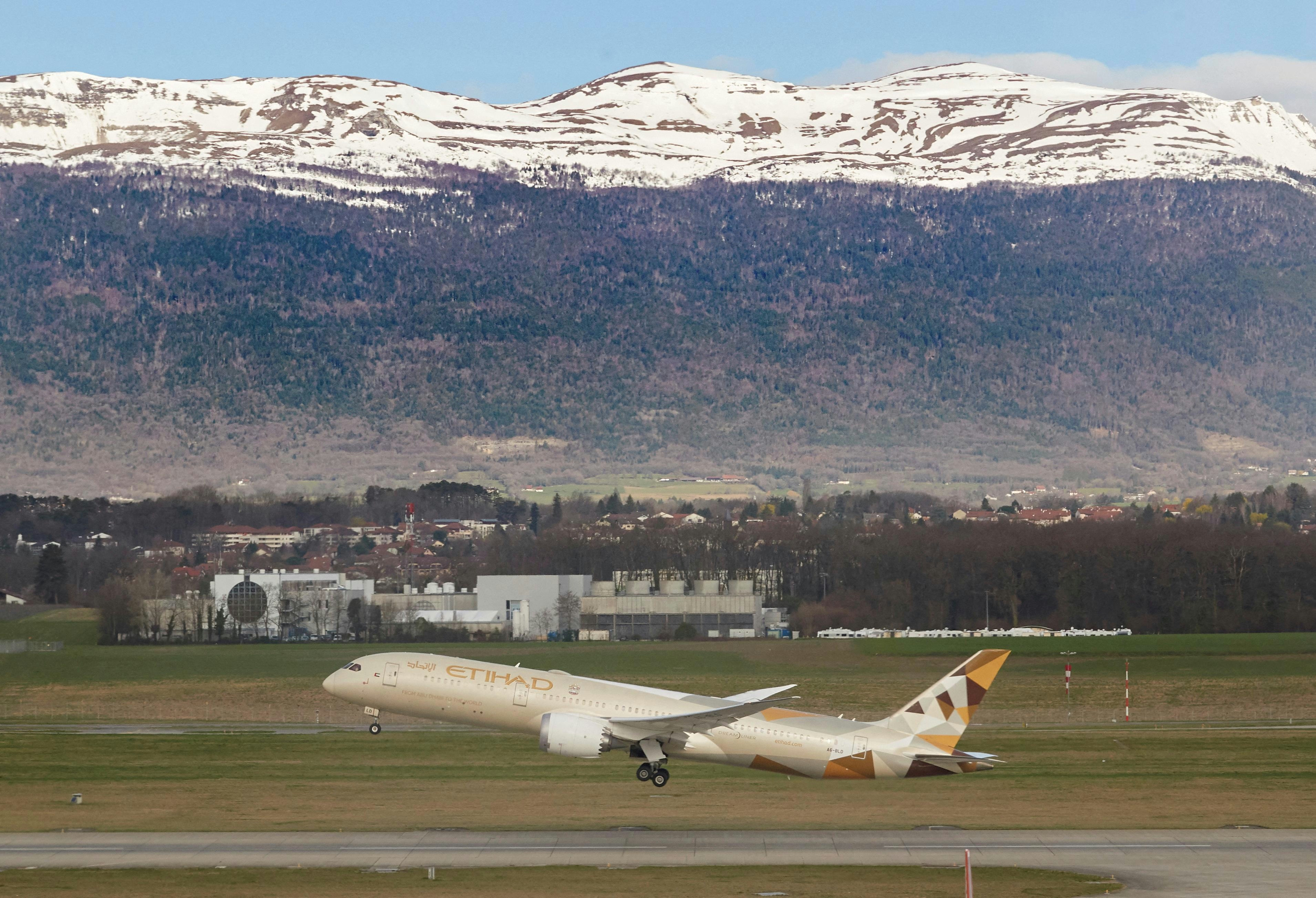
Etihad CEO Cites Aircraft Capacity as Limiting Factor Amid Growth in China and Africa

How Southwest Airlines is using technology, data and AI to strengthen CX while keeping the human touch
Red Sea Airlines to Lease Two Boeing 737 MAX 8 Aircraft
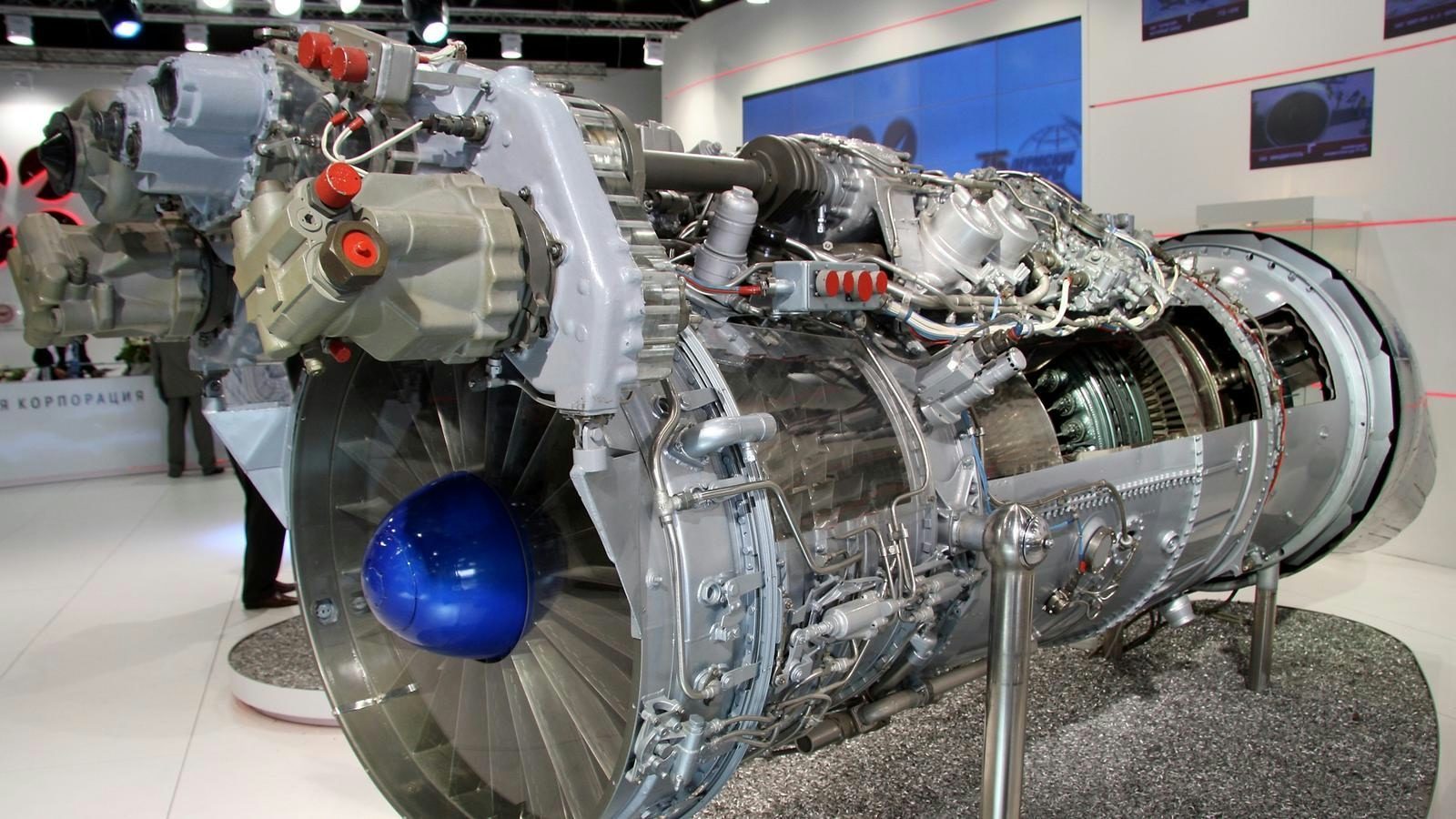
Su-30 and Su-34 Fighter Jets' Engines Contribute to Urban Heat
Airlines Urge Increased Competition in Used Jet Engine Parts Market
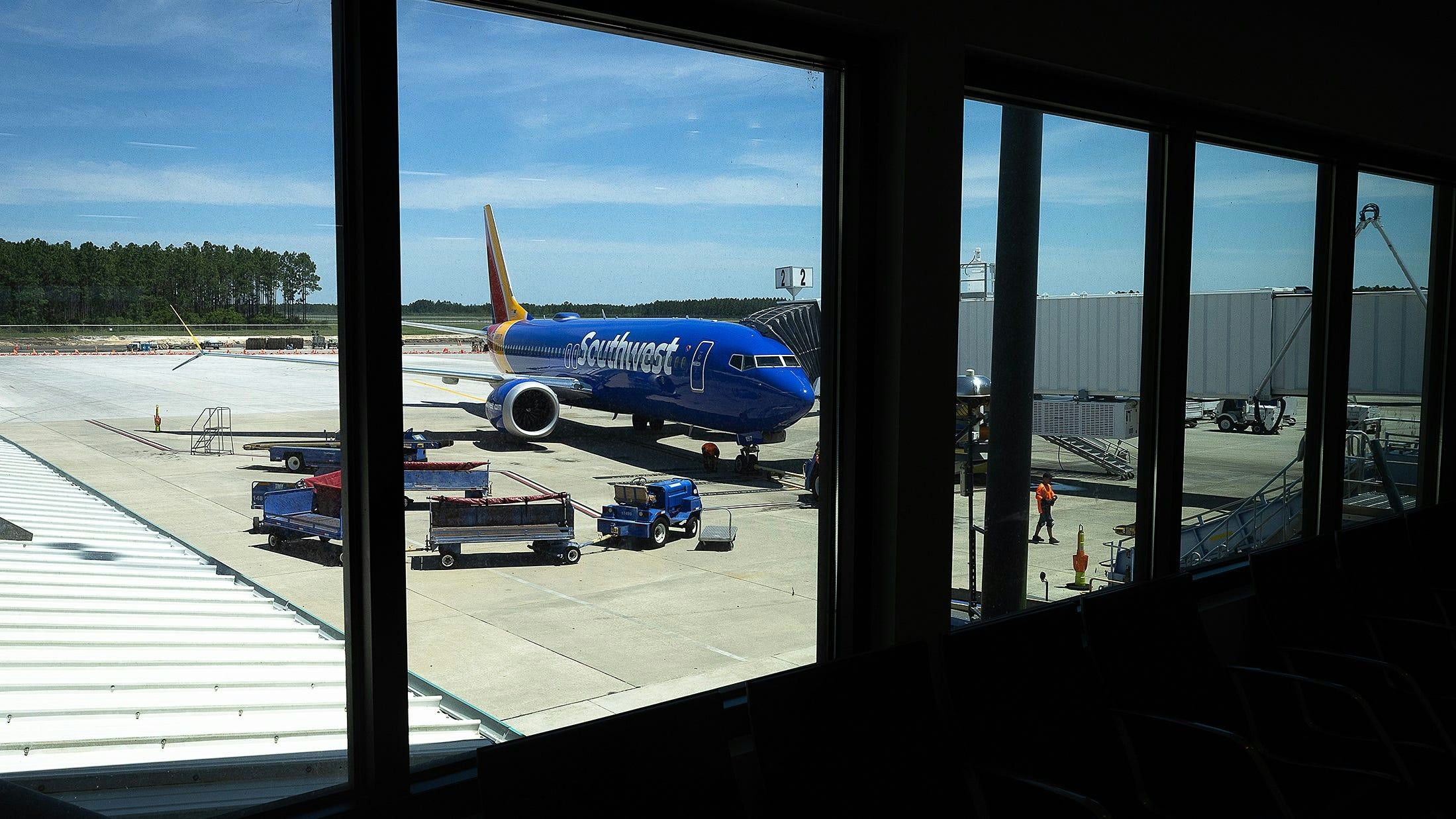
Future Developments Planned for NWF Beaches Airport
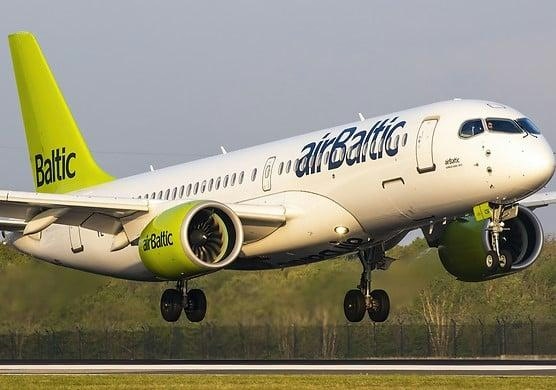
airBaltic Files for Chapter 11 Bankruptcy Protection
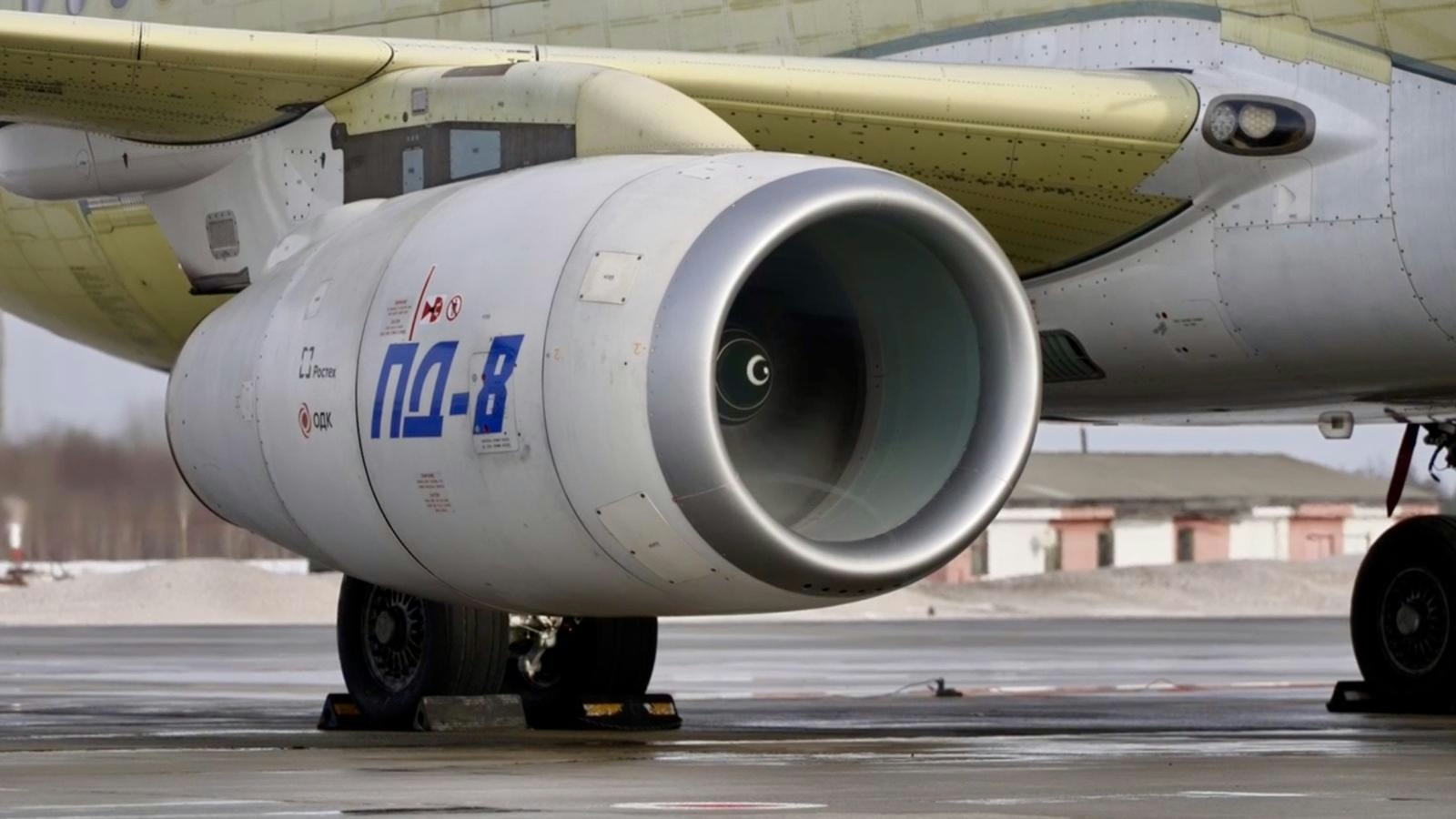
PD-8 Engine Encounters Corrosion Issues from Saltwater Exposure

Weekly Summary: August Deliveries, Year-to-Date Orders, and 4.1 Million Share Buyback
Linking Ireland’s Aircraft Leasing Industry to Elite Football
