
Превращайте аналитические выводы ИИ в реальные действия

В тренде
Categories
Volantio Introduces Vector, a New Operating Platform for Airlines
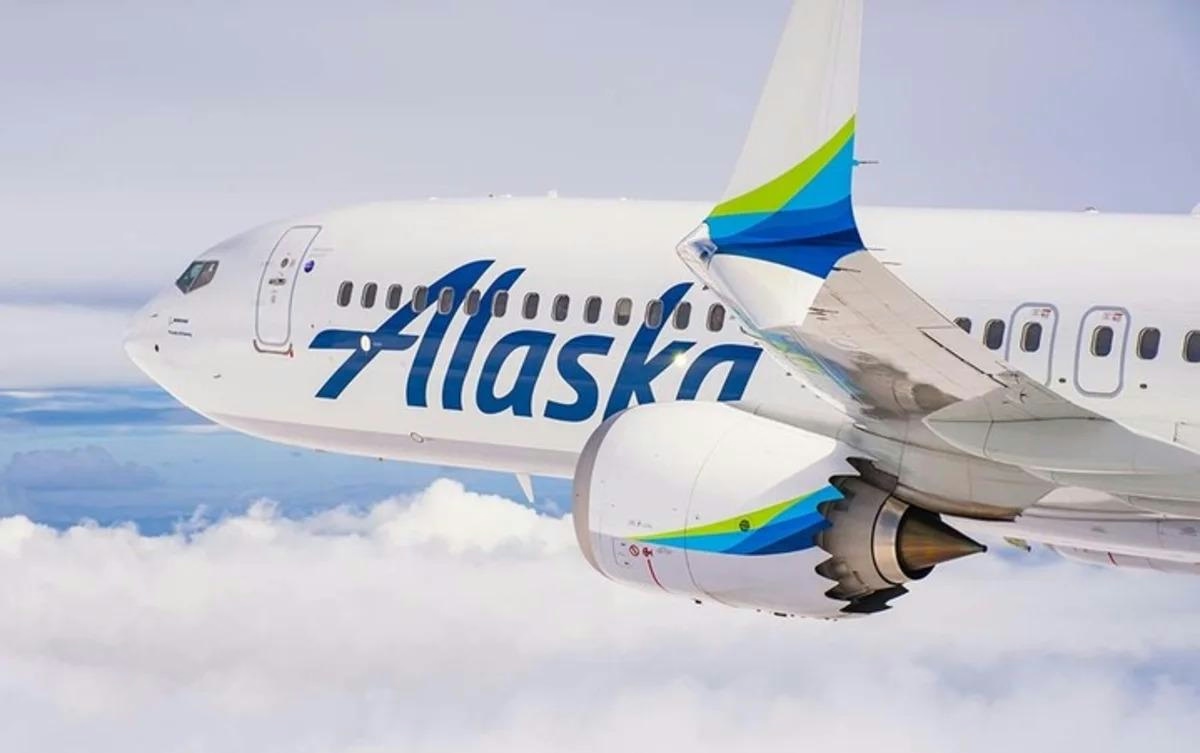
Volantio Unveils Vector, an AI-Powered Operating Platform for Airlines
Volantio, a global leader in airline demand reallocation, has introduced Vector, a new operating platform designed to enable airlines to swiftly transform demand insights into coordinated operational actions. Alaska Airlines is the first carrier to implement Vector as part of its initial rollout, marking a significant advancement in airline operational technology.
Addressing Demand and Capacity Misalignment
The airline industry has long struggled with the challenge of aligning demand and capacity. When these elements are out of sync, airlines face lost revenue, increased operational pressures, and a decline in passenger satisfaction. Vector leverages specialized artificial intelligence agents to identify and act on reallocation opportunities in real time. This includes opening additional capacity to accommodate sudden demand surges, rerouting passengers during weather disruptions, and consolidating flights to mitigate rising fuel costs.
Azim Barodawala, Co-Founder and CEO of Volantio, emphasized the transformative potential of the platform: “AI is transforming industries around the world, and travel is no exception. Vector responsibly puts the power of this technology into the hands of leading airlines, enabling them to turn intelligence into real operational action at scale.”
Shane Tackett, Incoming President and CFO of Alaska Airlines, underscored the platform’s value, noting that it unlocks opportunities previously unattainable. He highlighted the anticipated benefits across productivity, revenue generation, cost reduction, and customer experience improvements throughout Alaska Airlines’ network.
Industry Context and Future Implications
The launch of Vector comes amid a challenging period for the aviation sector. Global airline profitability is under pressure due to war-related disruptions in the Middle East and persistently high fuel prices, with net profits for 2026 now projected at $23 billion—significantly lower than earlier forecasts of $41 billion. In Europe, airline consolidation is accelerating as major groups seek to fortify their positions amid rising costs and geopolitical uncertainty.
In response to these pressures, airlines are increasingly adopting AI-driven solutions like Vector to enhance operational efficiency and customer service. However, the integration of such technologies raises important considerations regarding the maintenance of customer relationships, as carriers balance the advantages of automation against potential risks. Competitors are expected to respond by leveraging their own platforms or accelerating AI initiatives to sustain competitive advantage.
Despite these headwinds, Volantio and Alaska Airlines view Vector as a critical tool for adapting to rapidly evolving market conditions. By optimizing operations and improving passenger experiences, the platform may play a pivotal role in supporting the resilience and growth of airlines in an uncertain future.

Etihad and Swissport Extend Global Partnership

Sepehran Airlines B737 Returns to Mashhad After Tyre and Engine Issues

Etihad Deploys Widebody Fleet to Meet Strong Demand

Korean Air Finalizes $36.2 Billion Deal with Boeing
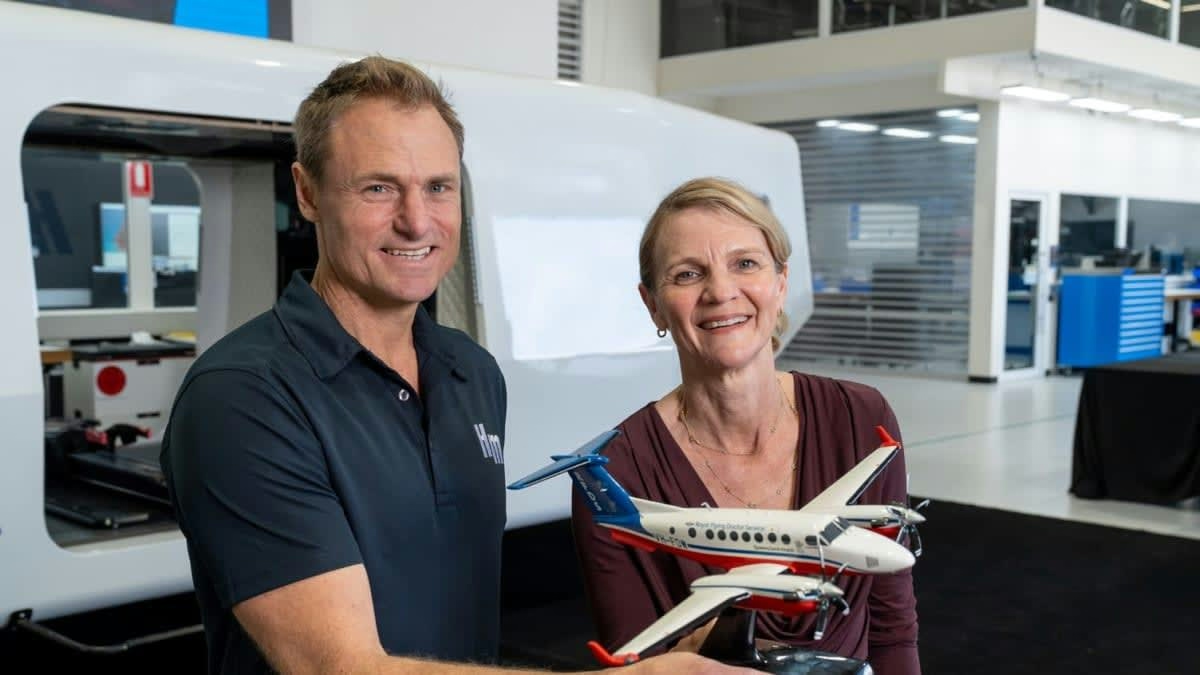
Australia’s RFDS Queensland Section Orders Six King Air 260Cs

Korean Air Finalizes Order for 103 Boeing Jets and Engines
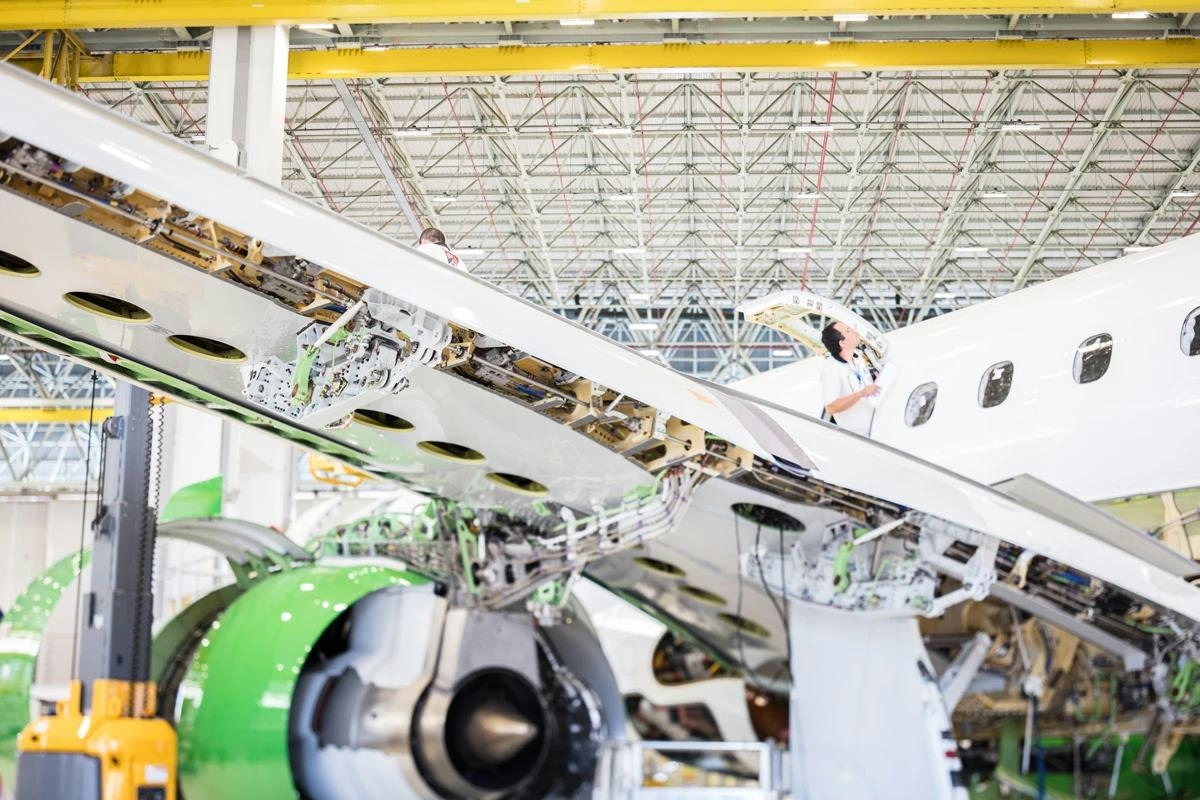
Embraer E195-E2 Features Distinctive Engine Placement Among Regional Jets
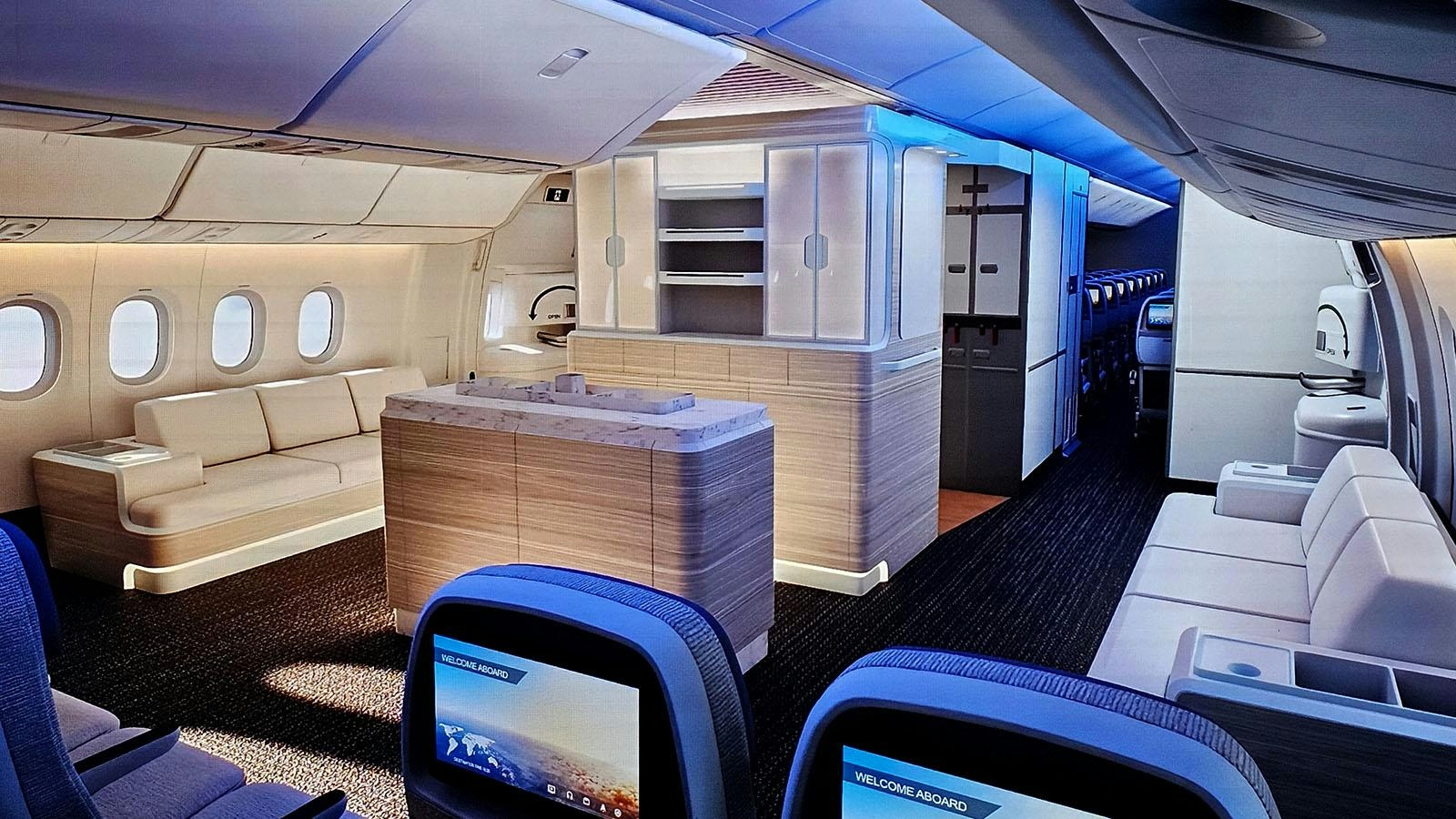
What Passengers Can Expect on Boeing’s New 777X Jet
How Ethiopian Airlines Became Africa’s Leading Carrier Amid Gulf Competition
Joby Aviation Extends Autonomous Flight Capabilities with Cross-Country Tour
