
Превращайте аналитические выводы ИИ в реальные действия

В тренде
Categories
Wizz Air Introduces Bluetooth Technology to Enhance In-Flight Experience
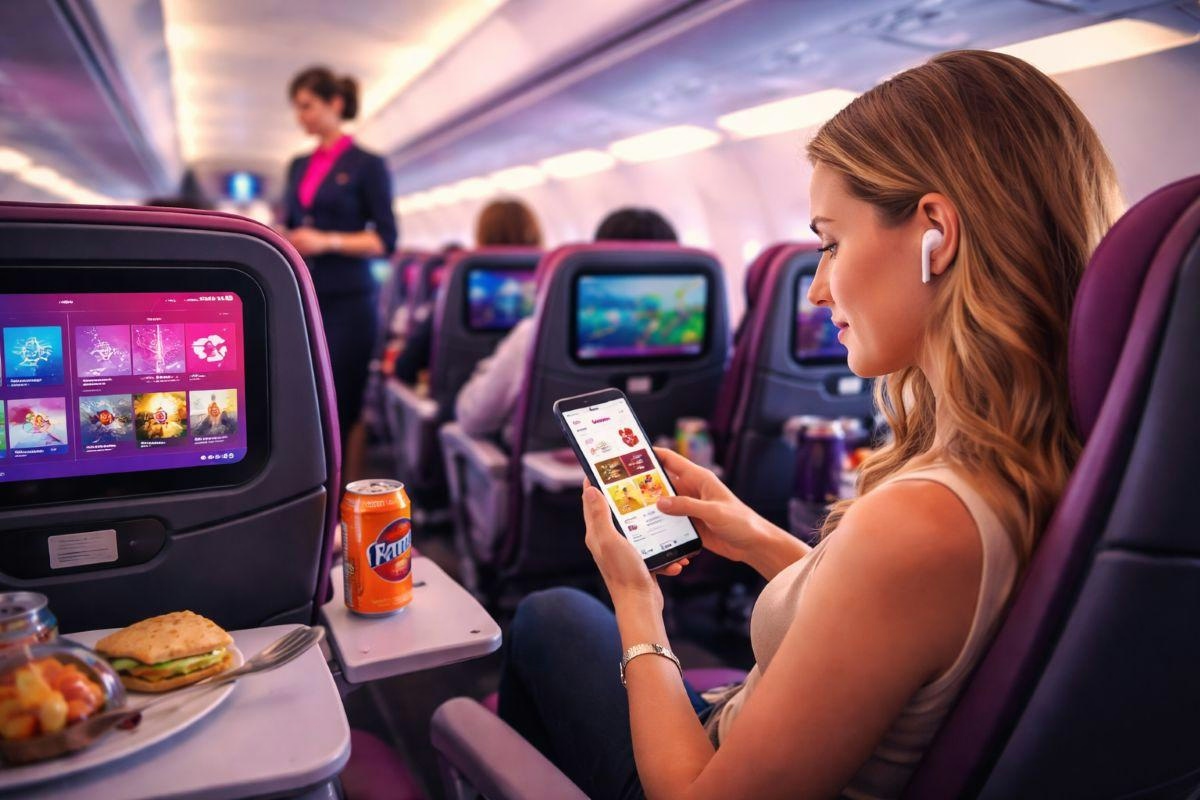
Wizz Air Introduces Bluetooth Technology to Enhance In-Flight Experience
Wizz Air has launched a Bluetooth-enabled in-seat ordering system across its fleet of more than 260 aircraft, marking a significant advancement in the airline’s digital service offerings. This new technology allows passengers to order food, beverages, and retail products directly from their smartphones without requiring internet connectivity. By leveraging onboard Bluetooth networks, the system transmits orders instantly to cabin crew, streamlining service and enhancing the overall passenger experience.
Seamless Ordering and Operational Efficiency
The introduction of this Bluetooth system enables passengers to browse menus, place orders, and complete transactions on their personal devices, eliminating the need for traditional ordering methods. This innovation promises faster service delivery, reduced waiting times, improved order accuracy, and minimized physical interaction between passengers and crew. Additionally, Wizz Air is exploring other low-bandwidth connectivity solutions, including messaging services and onboard entertainment, as part of a broader initiative to create a digitally connected cabin environment.
From an operational perspective, the system reduces aisle congestion by sending orders directly to cabin staff, which can contribute to shorter turnaround times and a more efficient service flow. These improvements reflect a growing trend in the aviation industry toward integrating digital tools that enhance both passenger convenience and airline efficiency.
Airlines as Digital Retail Platforms
Wizz Air’s adoption of Bluetooth ordering technology positions the airline not merely as a transport provider but as a digital retail platform. Passengers gain the ability to browse products in real time, make instant purchases, and receive personalized offers tailored to their preferences. This capability supports the expansion of ancillary revenue streams, a critical focus for airlines facing intense market competition.
By utilizing passenger data, airlines can customize offerings, promote destination-specific experiences, and increase onboard spending, effectively transforming the journey into an extension of the travel experience. This shift underscores the growing importance of digital innovation in driving revenue and enhancing customer engagement within the aviation sector.
Industry Trends and Competitive Challenges
The move aligns with the broader industry adoption of “Bring Your Own Device” (BYOD) models, where passengers use their smartphones for entertainment and retail services instead of seatback screens. This approach reduces hardware and maintenance costs for airlines, contributes to lighter aircraft and improved fuel efficiency, and simplifies cabin design. For travelers, BYOD offers greater control and personalization, and it is increasingly becoming standard across both low-cost and full-service carriers.
However, Wizz Air’s technological advancement comes amid significant financial pressures. The airline recently reported a €50 million profit loss attributed to geopolitical crises, including the ongoing Middle East conflict. This context raises questions about the cost-effectiveness of new technology investments, especially as competitors such as American Airlines pursue advanced in-flight connectivity through partnerships with Starlink and Amazon, while United and Delta offer free Wi-Fi services to passengers.
Market observers may express skepticism regarding the return on investment for Wizz Air’s Bluetooth system, and rival carriers are expected to accelerate their own digital upgrades to maintain competitive advantage. Nonetheless, Wizz Air’s initiative represents a notable step in the ongoing digital transformation of air travel, highlighting the critical role of innovation in enhancing passenger experience and operational performance amid evolving industry challenges.

Etihad Airways Suspends Airbus A380 Flights on Key Route

Aditya Birla Group Seeks Approval for Aircraft Leasing in GIFT City

Qatar Airways Highlights Innovation and Connectivity at Arabian Travel Market 2026

Hong Kong's Five-Year Plan Includes Andrew Fan's Aircraft Parts Processing Hub Proposal

ACIA Aero Leasing Delivers ATR72-600 to Air Nostrum

RTX Appoints Jill Albertelli as Head of Pratt & Whitney

TAT Technologies Joins Beyond Aero Hydrogen Aircraft Program

AURAK Study Highlights Barriers to Air Taxi Adoption in Emerging Economies

Xiamen Air Selects Altitude for 787 Maintenance at Heathrow

Etihad and Swissport Extend Global Partnership
