
KI-Erkenntnisse in konkrete Maßnahmen überführen

Trends
Categories
Air Canada Expands Widebody Flights to U.S., Driving Growth in Transborder Travel
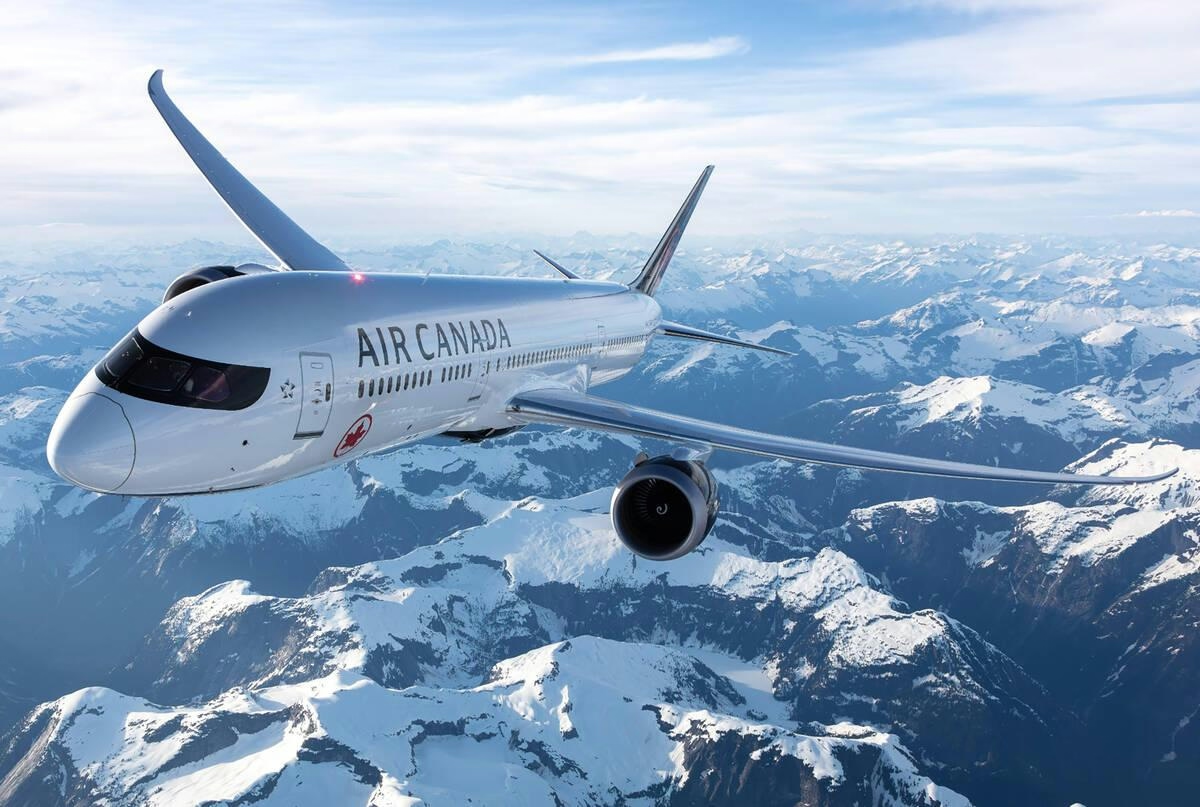
Air Canada Expands Widebody Flights to U.S., Driving Growth in Transborder Travel
Strategic Expansion of Widebody Capacity
Air Canada is significantly increasing its widebody flight operations to the United States this summer, with a record 35 percent growth in capacity. This expansion represents one of the largest surges in transborder travel in recent years, fueled by a robust recovery in demand and a rising preference among travelers for premium comfort on international routes, even those of shorter duration. The airline’s strategy involves deploying more widebody aircraft, typically reserved for long-haul flights, on key U.S.-bound routes. This approach not only increases seat availability but also enhances the onboard experience and strengthens connectivity between major Canadian hubs and prominent American cities.
By substituting some narrowbody services with widebody jets, Air Canada has effectively increased overall seating capacity without adding additional flights. This shift improves operational efficiency and helps maintain schedule integrity during the busy summer travel season. The move aligns with a broader network optimization effort designed to meet evolving passenger expectations, particularly in the leisure and business travel segments, where pent-up demand and strong booking trends are evident across major U.S. destinations. The expanded presence of premium cabins further positions Air Canada as a competitive force in the transborder market, where service quality and comfort remain critical differentiators.
Operational Challenges and Competitive Pressures
Despite the ambitious expansion, Air Canada faces notable challenges. Delays in the delivery of Airbus A321XLR jets, now more than two years behind schedule, have introduced operational complexities. These setbacks have compelled the airline to adopt more flexible business strategies to sustain its network plans, underscoring the importance of maximizing the utilization of existing widebody assets to meet rising demand.
The competitive environment is also intensifying. U.S. carriers such as American Airlines are accelerating their international growth by placing new widebody orders with Boeing and Airbus, aiming to keep pace with rivals Delta and United. Concurrently, political tensions have contributed to a decline in U.S.-Canada travel, prompting some Canadian airlines to reduce U.S. capacity and scale back marketing efforts south of the border.
Nevertheless, Air Canada and other Canadian carriers remain optimistic about the long-term potential of the U.S. market. The current expansion of widebody operations reflects a strategic commitment to capturing growth opportunities amid ongoing supply chain disruptions and shifting geopolitical dynamics.
Reinforcing Leadership in North American Aviation
Air Canada’s 35 percent increase in widebody flights to the United States signals renewed confidence in transborder travel. By leveraging its widebody fleet and adapting to operational and market challenges, the airline is reshaping seasonal travel dynamics and reinforcing its leadership position within North American aviation. This expansion underscores Air Canada’s dedication to enhancing passenger experience and connectivity while navigating a complex and evolving industry landscape.

Etihad and Swissport Extend Global Partnership

Sepehran Airlines B737 Returns to Mashhad After Tyre and Engine Issues

Etihad Deploys Widebody Fleet to Meet Strong Demand

Korean Air Finalizes $36.2 Billion Deal with Boeing

Australia’s RFDS Queensland Section Orders Six King Air 260Cs

Korean Air Finalizes Order for 103 Boeing Jets and Engines

Embraer E195-E2 Features Distinctive Engine Placement Among Regional Jets

What Passengers Can Expect on Boeing’s New 777X Jet

How Ethiopian Airlines Became Africa’s Leading Carrier Amid Gulf Competition

Joby Aviation Extends Autonomous Flight Capabilities with Cross-Country Tour
