
KI-Erkenntnisse in konkrete Maßnahmen überführen

Trends
Categories
Airlines are spending ever more to maintain their fleets
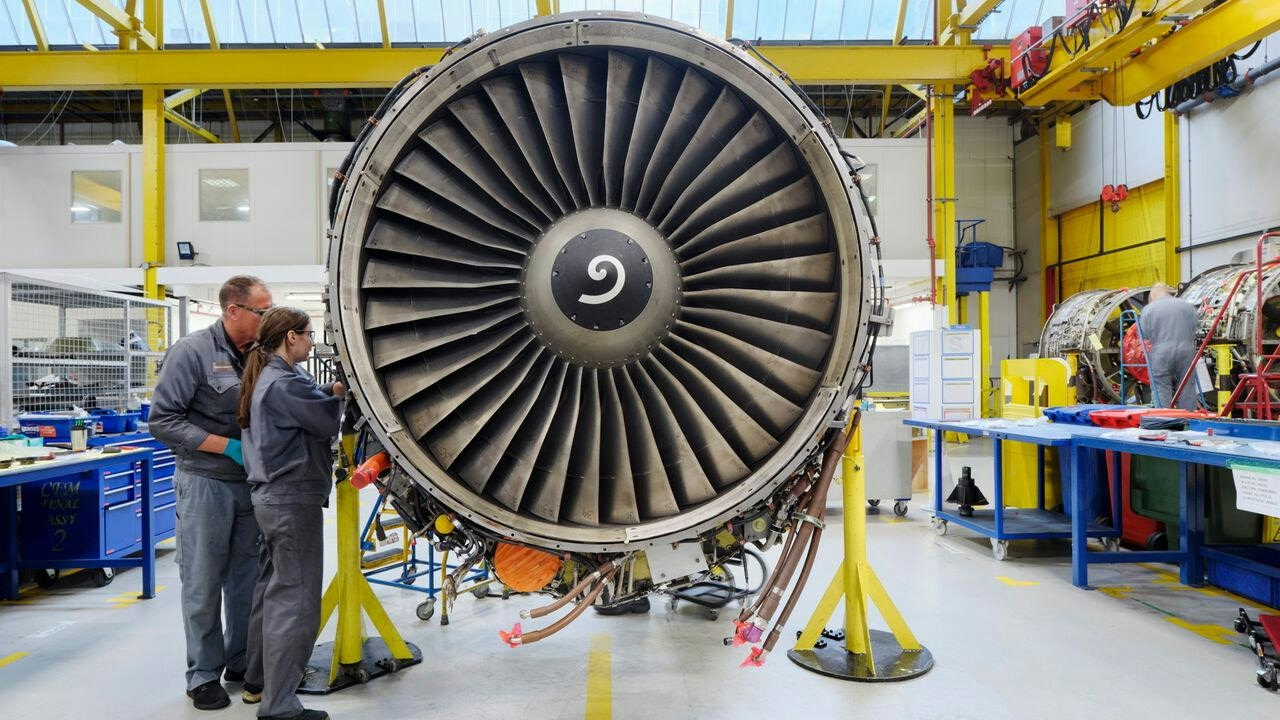
Airlines Increasing Investment in Fleet Maintenance Amid Industry Growth
At this week’s Farnborough International Airshow, a key announcement highlighted the growing emphasis airlines are placing on fleet maintenance. IndiGo, one of India’s fastest-growing carriers, revealed a significant agreement to purchase over 1,000 Leap jet engines from CFM, a joint venture between GE Aerospace of the United States and France’s Safran. These engines will power IndiGo’s expanding Airbus fleet. Importantly, the deal also includes CFM’s commitment to support the establishment of a maintenance, repair, and overhaul (MRO) facility for IndiGo, underscoring the airline’s focus on ensuring the long-term reliability and performance of its aircraft.
The Rising Importance of MRO in Aviation
While MRO contracts often receive limited public attention, they represent one of the most profitable sectors within the aviation industry. Consultancy Arthur D. Little describes the current period as an MRO “supercycle,” driven by sustained growth in the global passenger jet fleet. Boeing forecasts that the worldwide fleet will grow by more than 3% annually, surpassing 50,000 aircraft by 2045. This expansion is compounded by airlines operating their planes more intensively and for longer durations, a trend fueled by a substantial order backlog of approximately 16,000 aircraft at Airbus and Boeing. Consequently, airlines are compelled to maintain older aircraft in service for extended periods, intensifying demand for maintenance services and spare parts.
However, the complexity and cost of maintaining these fleets are escalating. Airlines must navigate high fixed costs alongside fluctuating demand, making fleet management a challenging endeavor. In response, some carriers are renegotiating leasing agreements and modifying operational strategies to adapt to changing tax regulations. The competitive environment is also evolving, with delays in aircraft certification and increased rivalry among airlines adding further pressure.
Challenges in Supply Chains and Operational Continuity
Supply-chain disruptions present a significant obstacle to effective fleet maintenance. Delays in procuring essential parts or components can result in grounded aircraft, directly affecting airline revenues and operational efficiency. Given the large number of aircraft currently in service and the influx of new planes anticipated, even minor supply interruptions can have disproportionate consequences for airline operations and profitability.
As airlines continue to allocate greater resources toward maintaining their fleets, the MRO sector is poised to benefit from this sustained demand. Nonetheless, the rising costs, regulatory complexities, and vulnerabilities in supply chains mean that successful fleet maintenance increasingly requires strategic agility in addition to technical proficiency.

Etihad and Swissport Extend Global Partnership
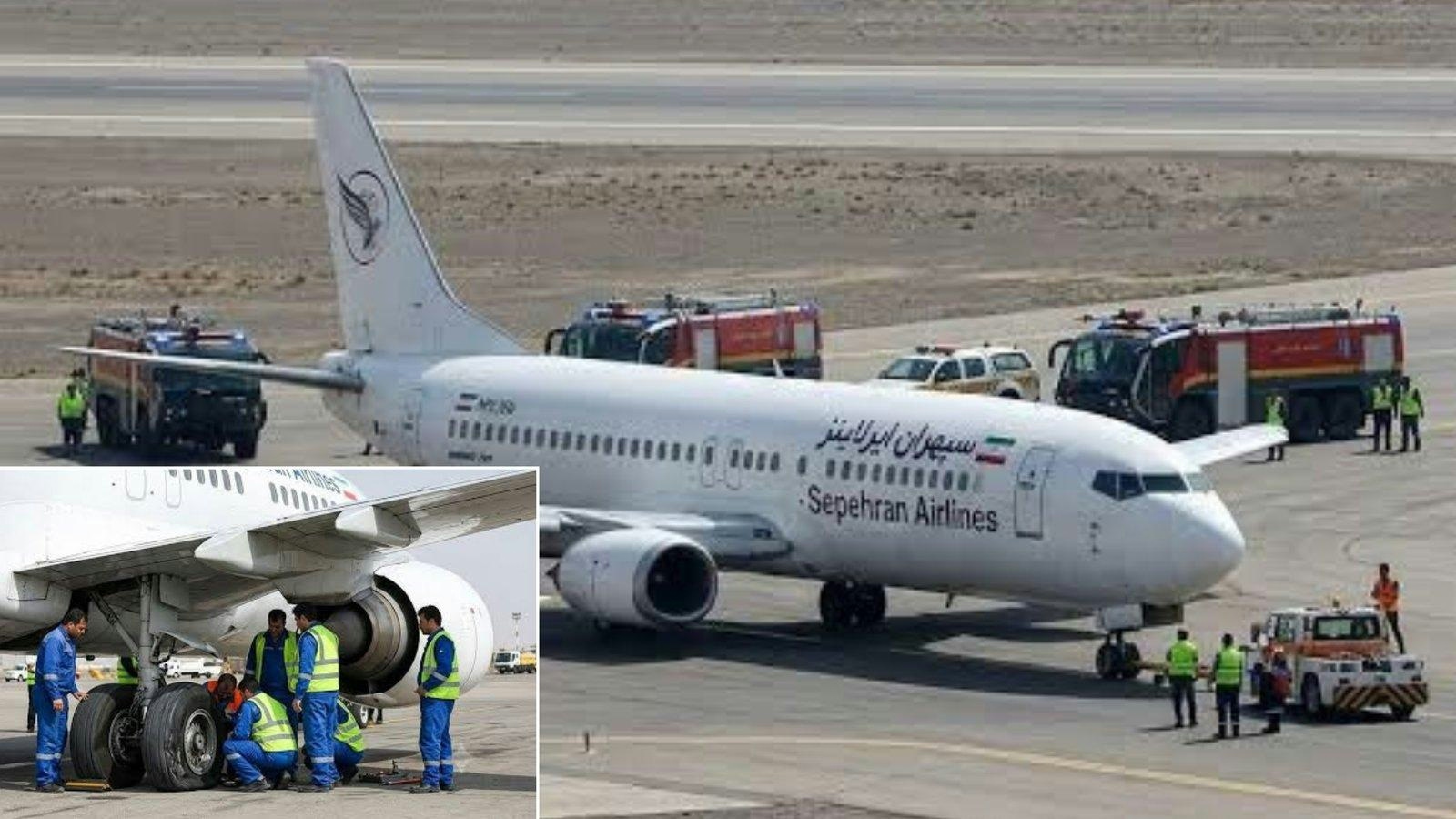
Sepehran Airlines B737 Returns to Mashhad After Tyre and Engine Issues

Etihad Deploys Widebody Fleet to Meet Strong Demand
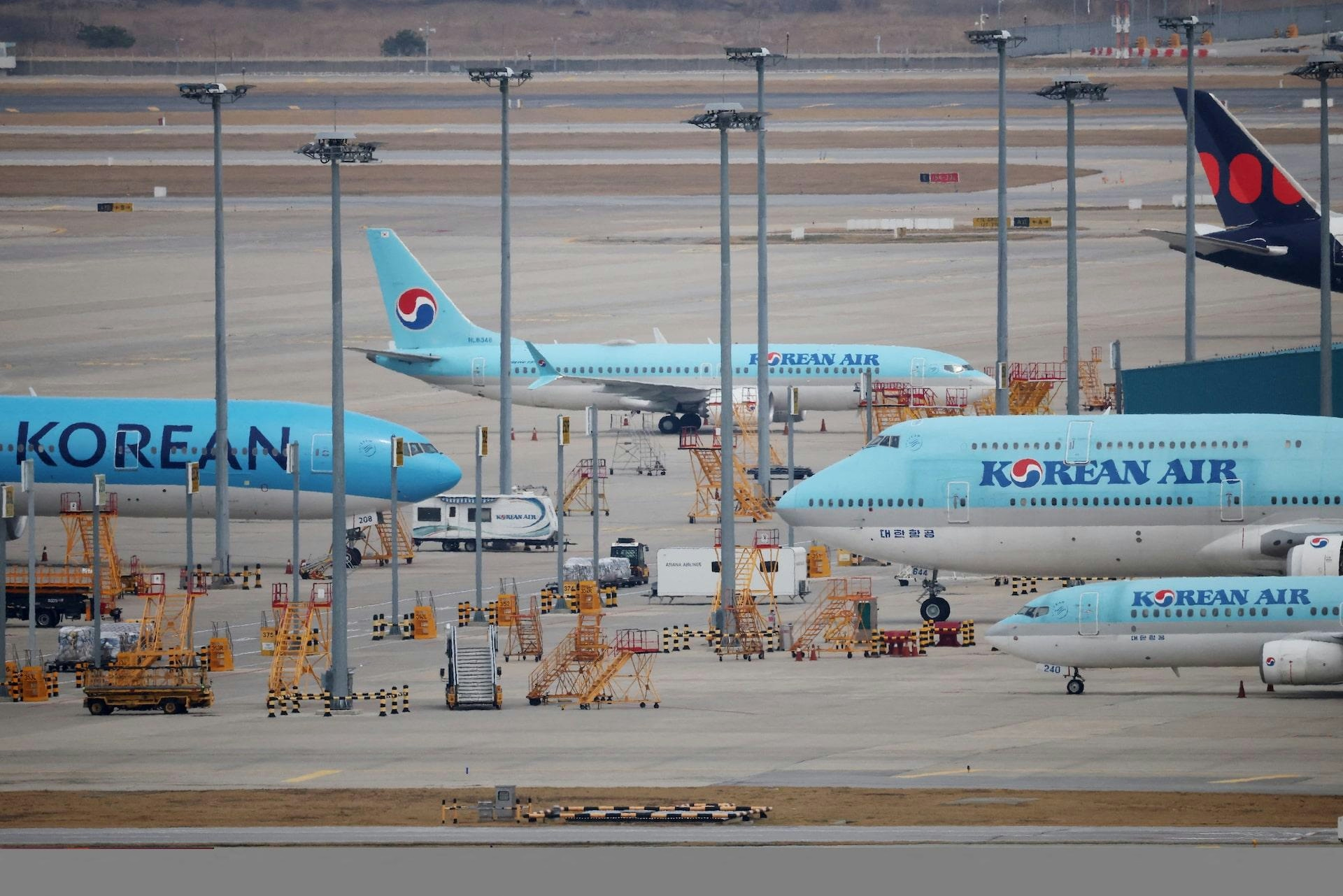
Korean Air Finalizes $36.2 Billion Deal with Boeing

Australia’s RFDS Queensland Section Orders Six King Air 260Cs

Korean Air Finalizes Order for 103 Boeing Jets and Engines
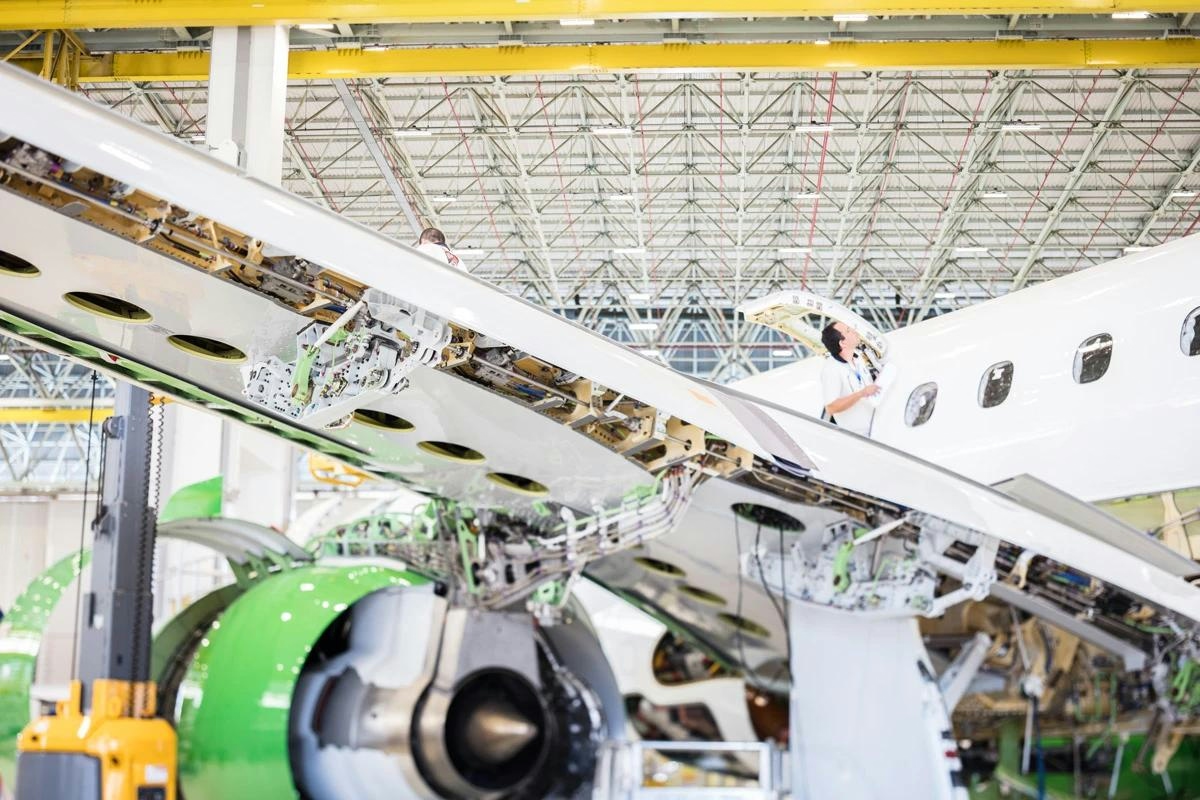
Embraer E195-E2 Features Distinctive Engine Placement Among Regional Jets

What Passengers Can Expect on Boeing’s New 777X Jet

How Ethiopian Airlines Became Africa’s Leading Carrier Amid Gulf Competition

Joby Aviation Extends Autonomous Flight Capabilities with Cross-Country Tour
