
Orquesta conocimientos de IA para convertirlos en acción

Tendencias
Categories
Airbus Addresses Delivery Delays of A320neo Aircraft
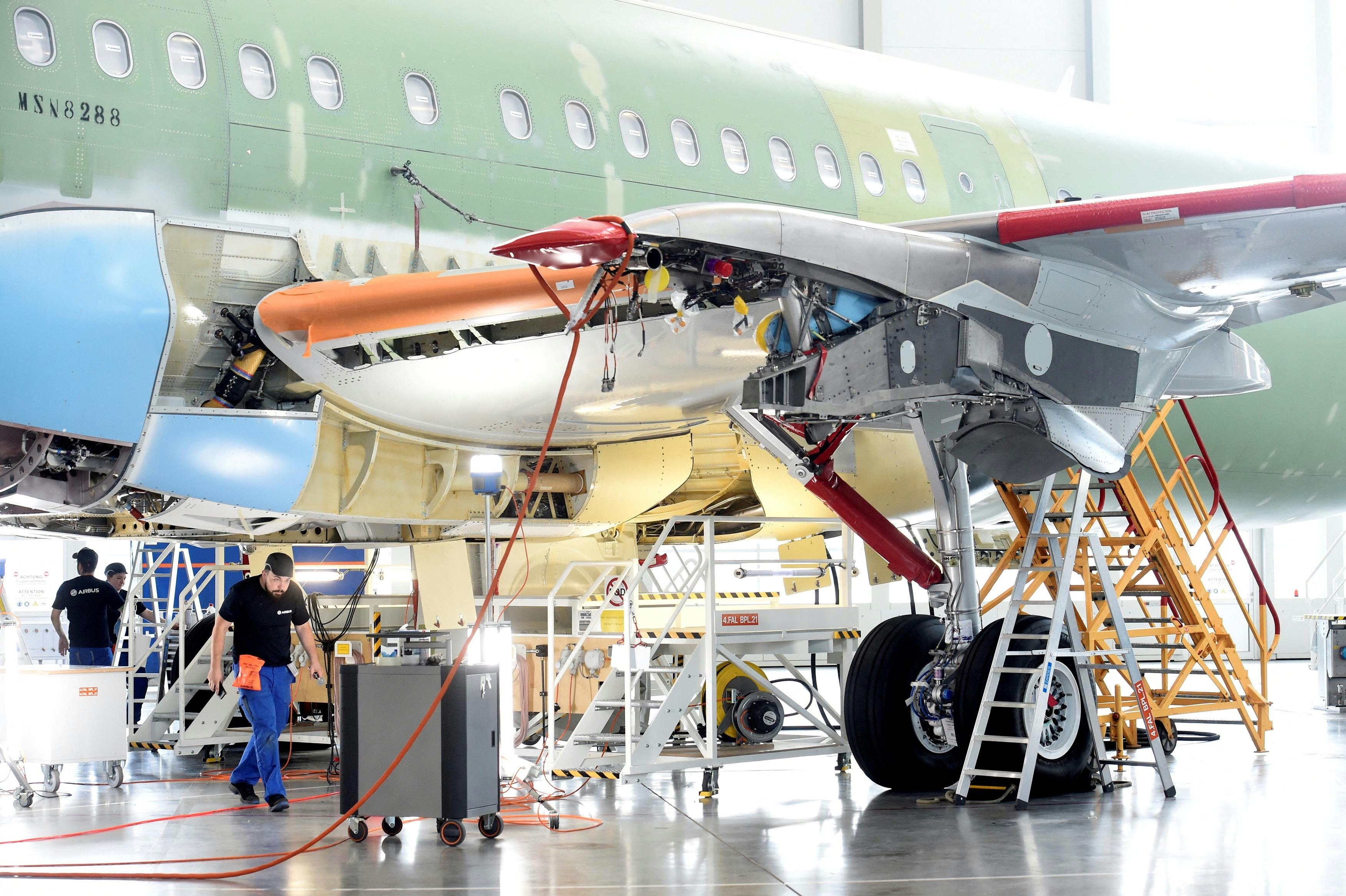
Airbus Addresses Delivery Delays of A320neo Aircraft
Production Challenges and Quality Setbacks
Airbus is intensifying efforts to realign its aircraft delivery schedule with production rates by mid-2026, following a series of disruptions affecting its flagship A320neo program. The European aerospace manufacturer has encountered a growing disparity between aircraft output and customer handovers, driven by a combination of manufacturing defects, administrative delays, and persistent engine supply constraints.
A significant factor contributing to the delivery shortfall has been a quality issue involving forward fuselage panels on A320neo-family jets. Deviations in panel thickness necessitated extensive inspections and rework, compelling Airbus to temporarily withhold several aircraft that were otherwise ready for delivery. This measure slowed the pace of handovers and created a backlog. Administrative complications further exacerbated the situation, particularly for nearly 20 aircraft destined for China. Regulatory hurdles delayed deliveries to Chinese operators through key hubs such as Shanghai Pudong International Airport. Although deliveries to China have since resumed, the earlier hold-up had a notable impact on Airbus’s quarterly performance.
Financial Impact and Inventory Buildup
The imbalance between production and deliveries has led to a sharp increase in Airbus’s finished aircraft inventory. In the first quarter of 2026, inventory levels surged by €5.2 billion, reaching €46.9 billion. This rise largely reflects undelivered aircraft awaiting rework or regulatory clearance. The inventory buildup contributed to an 11% decline in commercial aircraft revenues for the quarter, highlighting the financial repercussions of the delivery delays.
Despite these challenges, Airbus leadership interprets the inventory increase as an indication that production ramp-up efforts are advancing, even as delivery bottlenecks persist. The company is actively addressing the fuselage panel issue and working to clear the backlog, with the goal of delivering most affected aircraft in the coming months.
Market Reactions and Outlook
The delivery disruptions have had ripple effects across the aviation industry. Airlines such as Volaris have paused fleet expansion plans until Pratt & Whitney engine supplies stabilize, underscoring the broader impact of supply chain constraints. Meanwhile, competitor Boeing reported a nine-year high in deliveries this February, intensifying competitive pressure on Airbus to recover.
Looking forward, Airbus’s ability to meet its 2026 target of approximately 870 aircraft deliveries hinges on resolving technical issues and securing reliable engine supplies. The company aims to restore alignment between production and deliveries by the end of June but acknowledges that the dynamic operating environment—including potential geopolitical risks in the Middle East—could influence future handovers.
As Airbus strives to close the gap between output and deliveries, the coming quarters will be pivotal in determining whether the manufacturer can regain delivery momentum and stabilize its financial performance.
Embraer Delivers 2,000th E-Jet as Airbus A220 Seeks Market Share
iniBuilds Releases Second In-Depth A380 Video
Ryanair and Alaska Airlines Apply AI to Operational Decision-Making

Digital Payments, AI, and Aviation Strengthen Philippines-India Relations
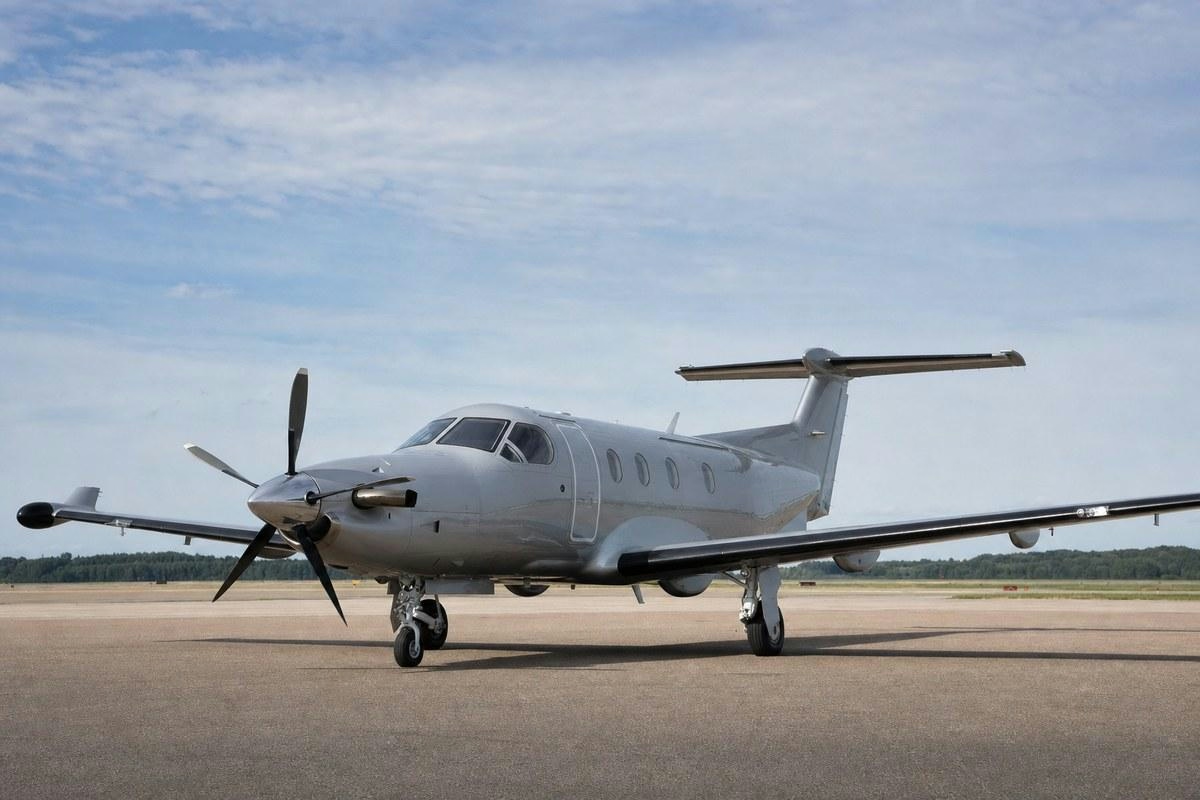
PlaneSense Suspends PC-12 Jet Card Sales
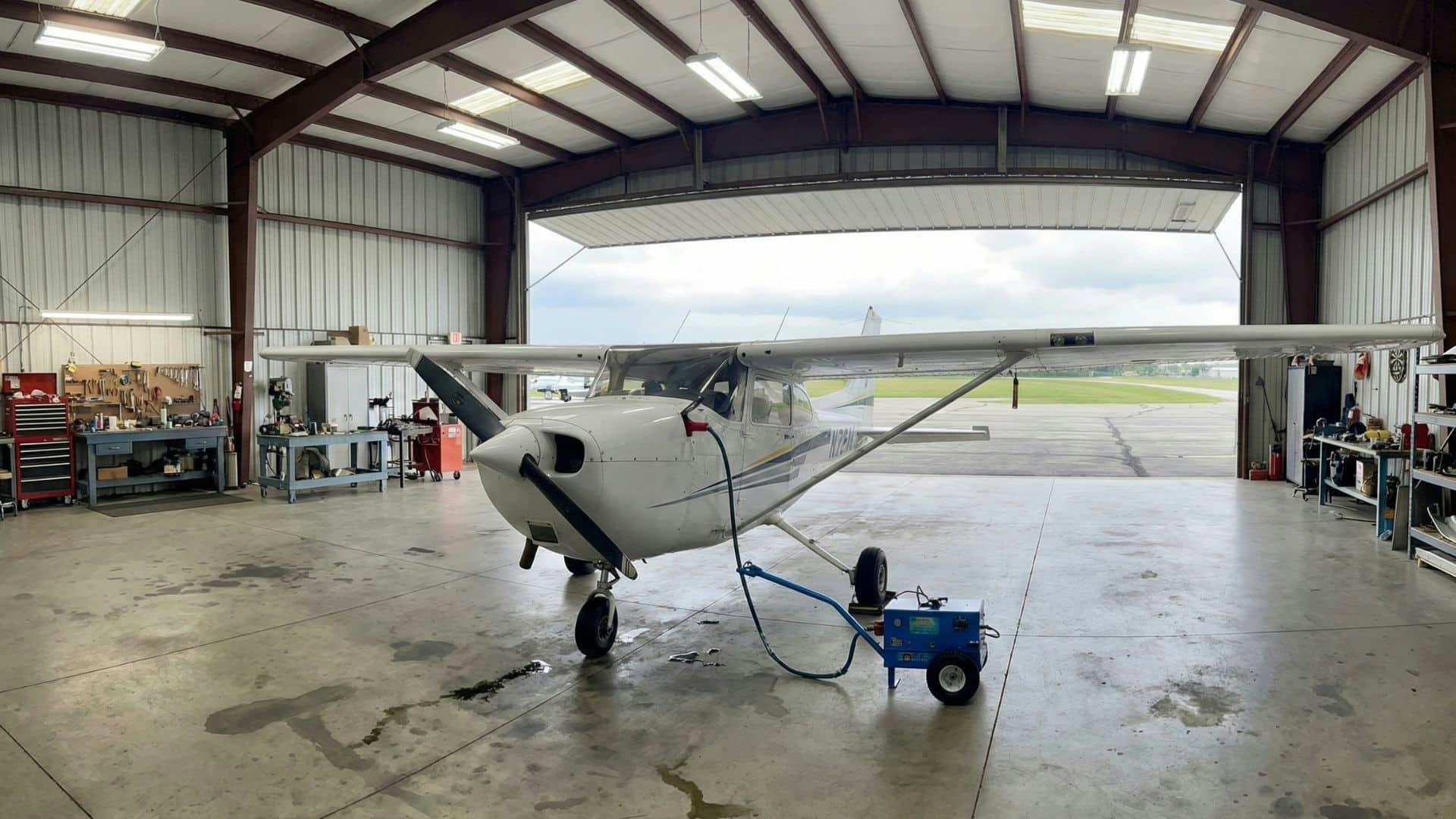
How AI Could Transform Bird-Strike Prevention for Business Aviation
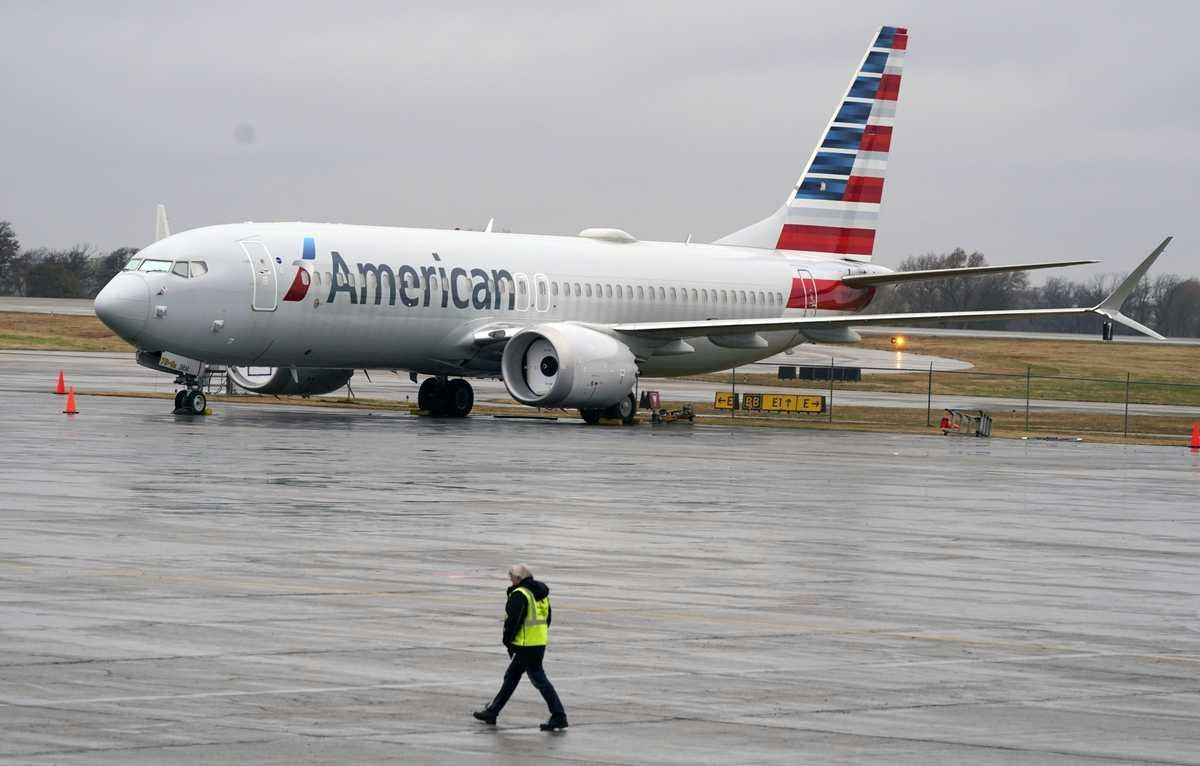
American Airlines and Boeing Complete First 737 MAX Landing Gear Swap

Vietjet and Thales sign major MRO and AI deals in Paris
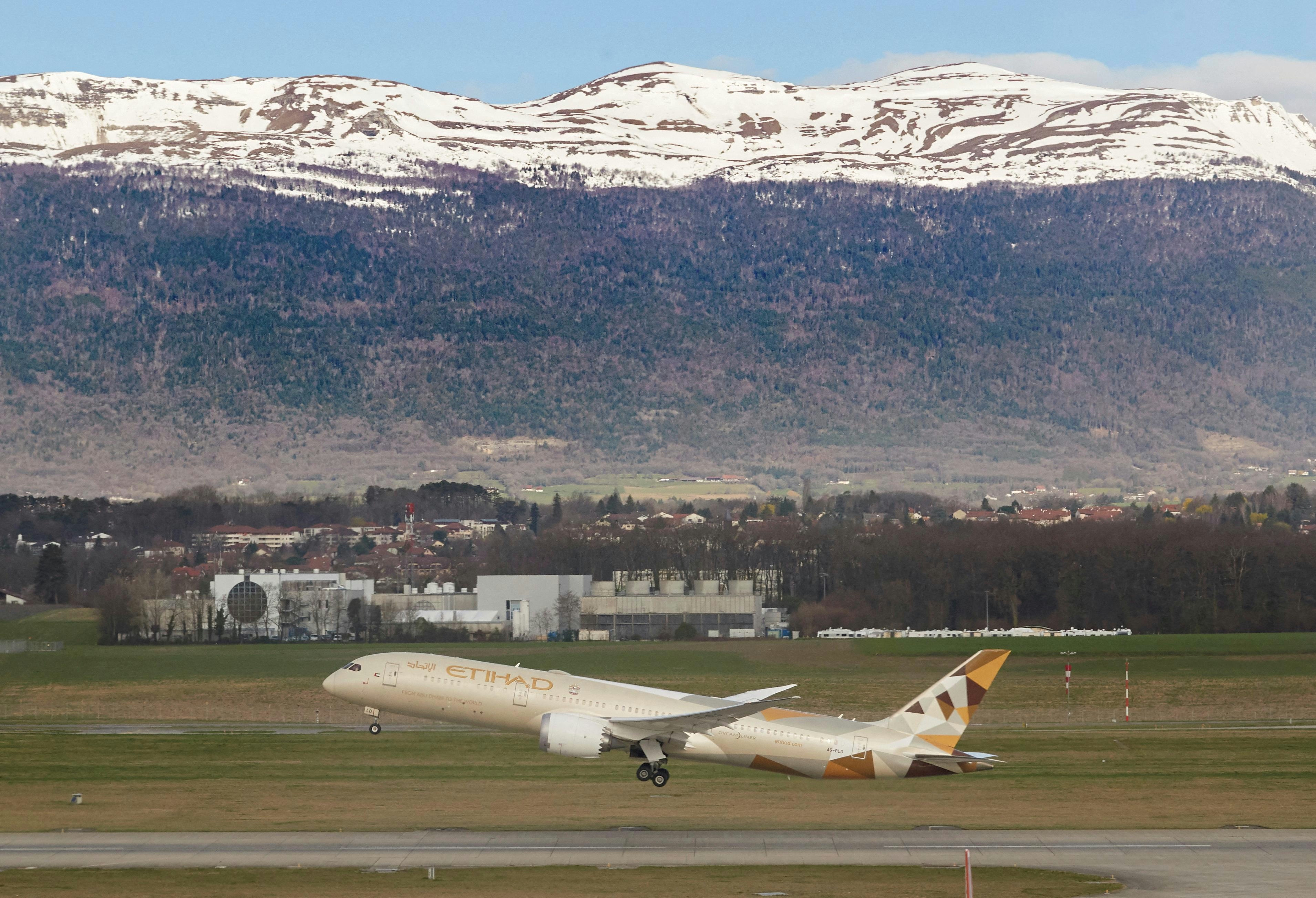
Etihad CEO Cites Aircraft Capacity as Limiting Factor Amid Growth in China and Africa

Artificial Intelligence Enters the Cockpit
