
AIによるインサイトを行動へとつなげる

現在のトレンド
Categories
Airbus Explores Artificial Intelligence to Enhance Air Travel Safety and Efficiency
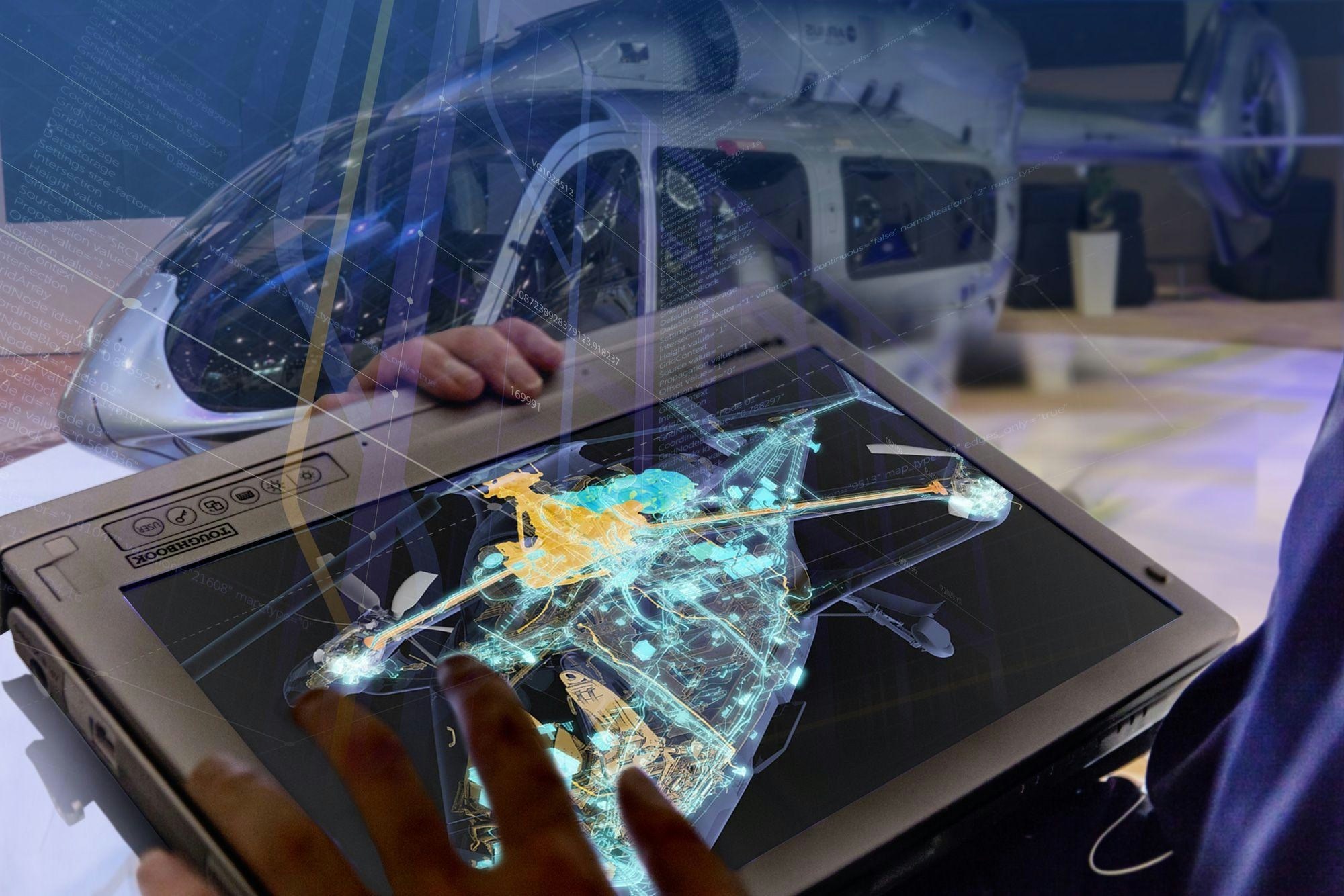
Airbus Explores Artificial Intelligence to Enhance Air Travel Safety and Efficiency
The aviation industry is undergoing a profound transformation as it increasingly adopts advanced technologies aimed at improving passenger experience, operational efficiency, and flight safety. Airbus has recently announced a strategic initiative to expand the application of artificial intelligence (AI) throughout its aviation operations, underscoring the growing significance of AI in shaping the future landscape of air travel.
As global demand for air travel continues to rise, airlines and aircraft manufacturers are investing heavily in digital solutions designed to streamline operations, enhance reliability, and elevate safety standards. AI is emerging as a pivotal force in this evolution, with the capacity to fundamentally change how aircraft are designed, operated, and maintained.
AI’s Expanding Role in Commercial Aviation
Modern airlines generate enormous volumes of operational data daily, encompassing areas such as flight planning, maintenance, passenger services, and airport logistics. The effective management of this data is becoming increasingly critical to operational success. By harnessing AI, aviation companies can analyze and process information more efficiently, facilitating faster decision-making and improved overall performance. AI-powered predictive maintenance systems, for example, can identify potential technical issues before they occur, thereby reducing unexpected delays and maximizing aircraft availability.
For passengers, these technological advancements promise more reliable flight schedules, fewer disruptions, and smoother travel experiences. As the industry pursues greater operational efficiency, AI-driven solutions are expected to become integral components of future aviation systems.
Smarter Aircraft Design and Sustainability
AI is also revolutionizing aircraft development and engineering processes. Through advanced simulations and digital modeling, engineers can rapidly evaluate thousands of design alternatives, optimizing components to enhance fuel efficiency and accelerate product development cycles. These innovations contribute to the creation of more sustainable aircraft, incorporating lighter materials, improved aerodynamics, and reduced environmental footprints—elements that are essential to meeting the aviation sector’s long-term sustainability objectives.
Enhancing Flight Safety with Advanced Technologies
Safety remains the paramount concern in aviation, and AI is positioned to play an increasingly critical role in this domain. AI systems are capable of analyzing vast quantities of operational data in real time, identifying potential hazards and enabling more rapid responses to dynamic conditions. Intelligent onboard systems are being developed to assist pilots by detecting obstacles, monitoring environmental factors, and supporting crucial decision-making throughout flights. These technologies are intended to augment human expertise, thereby further enhancing the safety and efficiency of air travel.
Navigating Challenges and Industry Competition
Despite the promising potential of AI integration, Airbus faces several challenges, including securing regulatory approval, ensuring seamless compatibility with existing systems, and contending with competition from other aviation companies also investing heavily in AI technologies. Regulatory authorities such as the Federal Aviation Administration (FAA) are actively exploring frameworks to incorporate AI into the management of the aviation system, reflecting a broader industry trend toward digital innovation. This evolving landscape is likely to stimulate increased investor interest in AI-driven aviation solutions, while prompting competitors to accelerate their own AI initiatives to maintain market competitiveness.
Looking Ahead
As AI adoption accelerates across the aviation sector, Airbus’s initiative highlights both the opportunities and complexities involved in embedding advanced technologies into air travel. Through continued innovation and collaborative efforts within the industry, AI is poised to become a central element in making future air travel safer, smarter, and more sustainable for airlines and passengers worldwide.

Etihad Airways Suspends Airbus A380 Flights on Key Route

Aditya Birla Group Seeks Approval for Aircraft Leasing in GIFT City

Qatar Airways Highlights Innovation and Connectivity at Arabian Travel Market 2026

Hong Kong's Five-Year Plan Includes Andrew Fan's Aircraft Parts Processing Hub Proposal

ACIA Aero Leasing Delivers ATR72-600 to Air Nostrum

RTX Appoints Jill Albertelli as Head of Pratt & Whitney

TAT Technologies Joins Beyond Aero Hydrogen Aircraft Program

AURAK Study Highlights Barriers to Air Taxi Adoption in Emerging Economies

Xiamen Air Selects Altitude for 787 Maintenance at Heathrow

Etihad and Swissport Extend Global Partnership
