
AIによるインサイトを行動へとつなげる

現在のトレンド
Categories
Airbus Reports Pilots Struggled to Regain Control After AI 2379 Hydraulic Failure
Airbus Reports Pilots Struggled to Regain Control After AI 2379 Hydraulic Failure
Incident Overview and Initial Findings
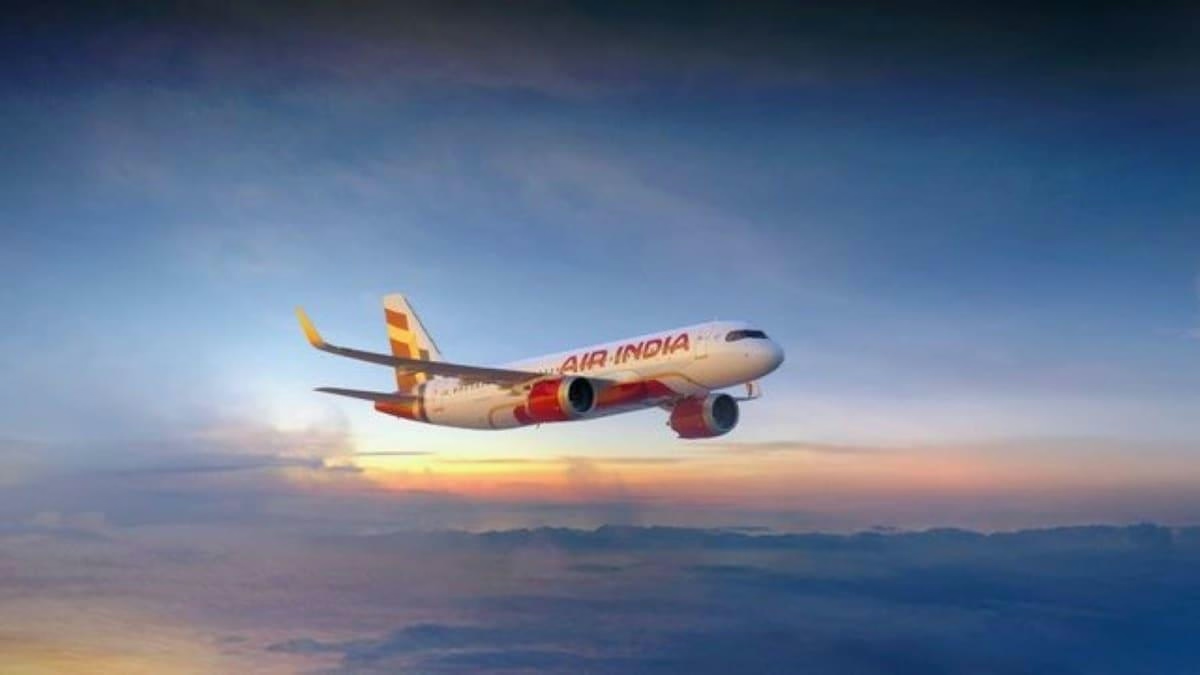
Airbus has released an initial assessment concerning a critical incident involving an Air India A320 flight from Phuket to Delhi on August 4. The report reveals that the flight crew experienced a brief but significant loss of flight-control response following a sequential failure of the aircraft’s hydraulic systems. This malfunction caused a sudden change in altitude and resulted in injuries to several passengers and crew members.
The aircraft’s three hydraulic systems—Green, Blue, and Yellow—failed in rapid succession, according to a dossier reviewed by CNBC-TV18. These systems are integral to the operation of key flight controls such as the elevators and ailerons, which govern the aircraft’s pitch and roll. The Airbus A320’s design includes these redundant systems precisely to prevent loss of control in the event of a single hydraulic failure.
Technical Analysis of the Hydraulic Failure
Data extracted from the aircraft’s Digital Flight Data Recorder (DFDR) indicates that the loss of hydraulic pressure caused an approximately four-second interruption in the normal functioning of the elevators and ailerons. During this critical interval, the First Officer applied full nose-down input after disengaging Autopilot 2, but the control surfaces failed to respond as expected. The ailerons shifted toward their “zero hinge moment” position, effectively neutralizing their control effect and causing the aircraft’s nose to pitch upward unexpectedly.
Hydraulic pressure was eventually restored, allowing the flight-control surfaces to resume normal operation. The pilots were able to regain full control of the aircraft, thereby preventing a more severe outcome. However, Airbus has yet to determine a definitive root cause for the hydraulic system failures. The manufacturer has requested that Air India conduct comprehensive operational tests on all three hydraulic systems, including detailed inspections of pressure switches, transducers, and wiring components.
Regulatory and Industry Implications
The incident has attracted scrutiny from aviation safety authorities and elicited concern from the Airline Pilots Association of India as well as independent safety experts. Some have questioned the plausibility of simultaneous failures across all three hydraulic systems, suggesting the possibility of a false alarm or other underlying factors. Regulatory bodies are expected to conduct thorough investigations to address these issues.
Airbus has confirmed it is providing technical assistance to the investigating authorities in compliance with ICAO Annex 13 protocols. The manufacturer has also instructed Air India to remove and examine specific pressure transducers and leak-measurement switches for further analysis.
Beyond the immediate technical and safety concerns, the event has broader repercussions for the aviation industry. Air India faces potential reputational damage and heightened regulatory oversight. Market analysts have noted a temporary decline in the airline’s stock price amid investor apprehension regarding safety and operational reliability. Meanwhile, competing airlines are reportedly reviewing their own safety procedures and may use the incident to bolster their marketing strategies.
As investigations proceed, both Airbus and Air India remain under considerable pressure to address safety concerns and restore confidence among regulators, passengers, and investors.

Etihad Airways Suspends Airbus A380 Flights on Key Route

Aditya Birla Group Seeks Approval for Aircraft Leasing in GIFT City

Qatar Airways Highlights Innovation and Connectivity at Arabian Travel Market 2026

Hong Kong's Five-Year Plan Includes Andrew Fan's Aircraft Parts Processing Hub Proposal

ACIA Aero Leasing Delivers ATR72-600 to Air Nostrum

RTX Appoints Jill Albertelli as Head of Pratt & Whitney

TAT Technologies Joins Beyond Aero Hydrogen Aircraft Program

AURAK Study Highlights Barriers to Air Taxi Adoption in Emerging Economies

Xiamen Air Selects Altitude for 787 Maintenance at Heathrow

Etihad and Swissport Extend Global Partnership
