
AIによるインサイトを行動へとつなげる

現在のトレンド
Categories
Aircraft Interiors Industry Update: Growth in Premium Economy, Sep–Oct 2025
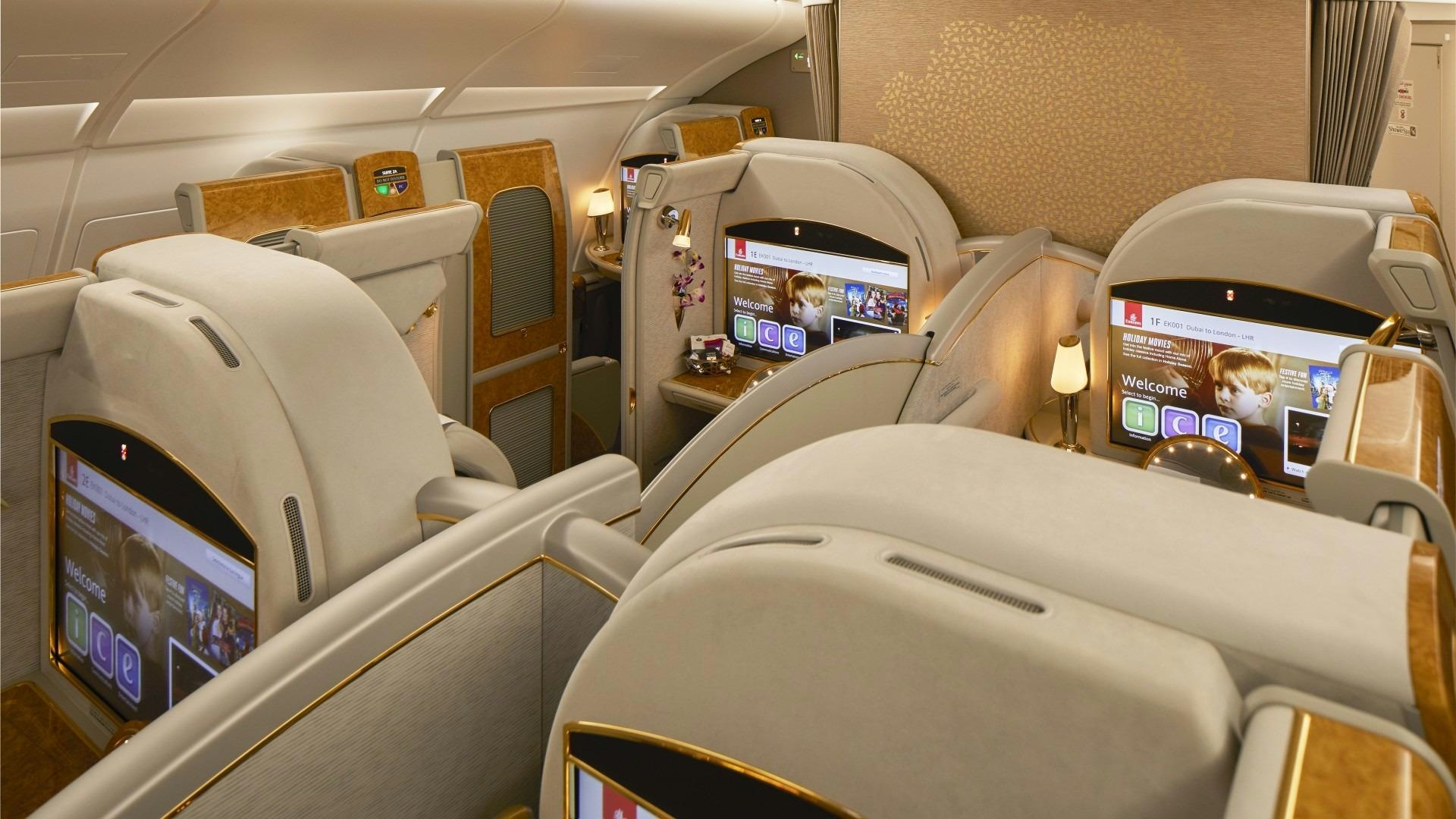
Aircraft Interiors Industry Update: Growth in Premium Economy, September–October 2025
The latest report from CAPA – Centre for Aviation provides an in-depth analysis of the aircraft interiors sector during September and October 2025, drawing on comprehensive data from the CAPA Aircraft Interiors Database and CAPA News. This period has been marked by significant momentum in the premium economy segment, with an increasing number of airlines entering the market and a heightened emphasis on enhancing the overall passenger experience.
Expansion of Premium Economy and Regional Trends
Globally, airlines are placing greater emphasis on premium economy cabins in response to shifting passenger preferences that favor enhanced comfort and value. The availability of premium economy seating has expanded notably across key regions, including North America, Europe, and Asia-Pacific. Both established carriers and new market entrants are introducing upgraded products designed to attract discerning travelers seeking differentiated seating options. This trend underscores a robust demand for intermediate cabin classes that bridge the gap between economy and business travel.
Industry Growth Amid Challenges
Despite the strong growth observed in the premium economy market, the aircraft interiors industry continues to confront several challenges. Sustaining production growth is complicated by intense competitive pressures and persistent supply chain disruptions. Additionally, companies must rapidly adapt to evolving passenger expectations, which increasingly prioritize comfort, technological integration, and sustainability.
Nevertheless, market responses to the premium economy surge have been largely positive. Leading suppliers such as Recaro, alongside major airlines including Delta, have reported strong financial performance, attributing much of their success to the rising demand for premium seating. This surge has spurred competitors to enhance their product offerings and invest in innovative technologies to maintain and grow their market share.
Global Interior Upgrades and Competitive Dynamics
The period also witnessed a wave of global cabin upgrades as airlines and manufacturers strive to differentiate their offerings. Investments in advanced materials, in-flight entertainment systems, and connectivity solutions are becoming standard features, reflecting the industry’s commitment to meeting and exceeding passenger expectations. As competition intensifies, companies are focusing on innovation and operational efficiency to navigate supply chain complexities and sustain growth in a challenging environment.
Outlook
The aircraft interiors sector appears poised for continued expansion, driven by the growing popularity of premium economy cabins and ongoing investments in cabin enhancements. However, the industry’s future success will depend on its ability to balance growth with adaptability, ensuring that evolving passenger needs and operational challenges are effectively addressed in a rapidly changing market landscape.

Etihad Airways Suspends Airbus A380 Flights on Key Route

Aditya Birla Group Seeks Approval for Aircraft Leasing in GIFT City

Qatar Airways Highlights Innovation and Connectivity at Arabian Travel Market 2026

Hong Kong's Five-Year Plan Includes Andrew Fan's Aircraft Parts Processing Hub Proposal

ACIA Aero Leasing Delivers ATR72-600 to Air Nostrum

RTX Appoints Jill Albertelli as Head of Pratt & Whitney

TAT Technologies Joins Beyond Aero Hydrogen Aircraft Program

AURAK Study Highlights Barriers to Air Taxi Adoption in Emerging Economies

Xiamen Air Selects Altitude for 787 Maintenance at Heathrow

Etihad and Swissport Extend Global Partnership
