
AIによるインサイトを行動へとつなげる

現在のトレンド
Categories
Airports Use AI to Manage Increasing Global Passenger Traffic

Airports Harness Artificial Intelligence to Manage Rising Global Passenger Traffic
Airports around the world are increasingly adopting artificial intelligence (AI) technologies to address the rapid growth in global air passenger traffic. According to Airports Council International, passenger numbers are expected to reach 10.2 billion by 2026, representing an annual increase of 3.9 percent. In response, airports are making significant investments in AI-driven solutions aimed at enhancing operational efficiency, streamlining passenger flow, and elevating the overall travel experience.
Transforming Airport Operations Through AI
AI is becoming integral to a wide range of airport functions, including passenger movement management, baggage tracking, predictive maintenance, and cybersecurity. At the recent Airport AI Exchange event, industry experts underscored how AI-powered analytics enable airports to anticipate congestion at critical points such as security checkpoints, immigration, and boarding gates. This shift from reactive crowd control to predictive, data-driven management allows airports to reduce delays and optimize resource allocation more effectively.
Biometric technologies and AI-enhanced baggage handling systems are also gaining prominence. These innovations facilitate faster immigration processing by enabling passengers to pass through checkpoints without presenting physical passports, while simultaneously reducing the incidence of lost luggage. Automated check-in and boarding processes, alongside personalized passenger services, further contribute to a smoother and more efficient travel experience.
Amad Malik, chief AI officer at Airport AI Exchange, noted the rapid evolution of AI since 2017, describing the past two years as a period of exponential growth in capability. However, he cautioned that the aviation sector’s adoption of AI remains comparatively limited due to its dependence on legacy systems and a stringent safety-first regulatory environment. “When you’re dealing with people’s lives, safety and regulation outweigh speed of innovation,” Malik explained.
Challenges and Opportunities in AI Integration
The accelerated integration of AI in airport operations presents both opportunities and challenges. The expansion of 5G networks and increased automation are driving growth in the self-organizing network AI market, offering airports new avenues to optimize their operations. At the same time, this technological advancement introduces heightened cybersecurity risks. Experts warn that as airports become more reliant on AI systems, they will face an evolving landscape of cyber threats by 2026, necessitating robust security measures to protect critical infrastructure.
Environmental concerns are also emerging as a significant consideration. The travel industry’s adoption of advanced technologies contributes to rising greenhouse gas emissions in the United States, complicating airports’ efforts to achieve net-zero targets. As airports strive to deliver more efficient and personalized services through intelligent, connected systems, they must also navigate complex regulatory, environmental, and security challenges.
Despite these obstacles, industry leaders remain optimistic about AI’s transformative potential. Mahmood AlSeddiqi, former vice president of IT for Bahrain Airport Company, highlighted that AI-powered analytics can enable airports to customize services according to individual passenger preferences, fostering a more seamless and efficient journey from check-in to boarding.
As global passenger volumes continue to climb, airports are increasingly relying on AI to usher in a new era of safe, efficient, and customer-focused air travel.
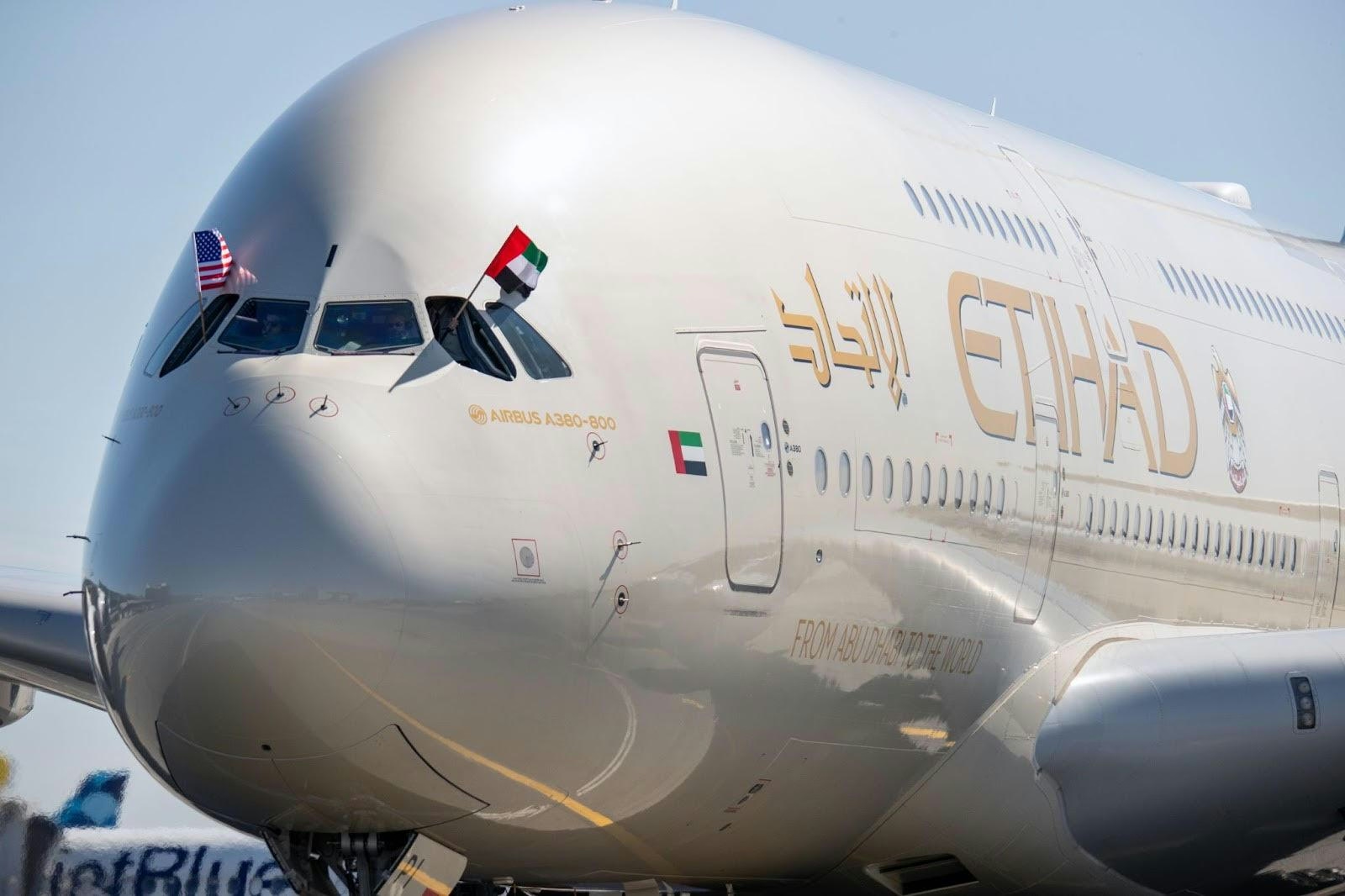
Etihad Airways Suspends Airbus A380 Flights on Key Route

Aditya Birla Group Seeks Approval for Aircraft Leasing in GIFT City

Qatar Airways Highlights Innovation and Connectivity at Arabian Travel Market 2026
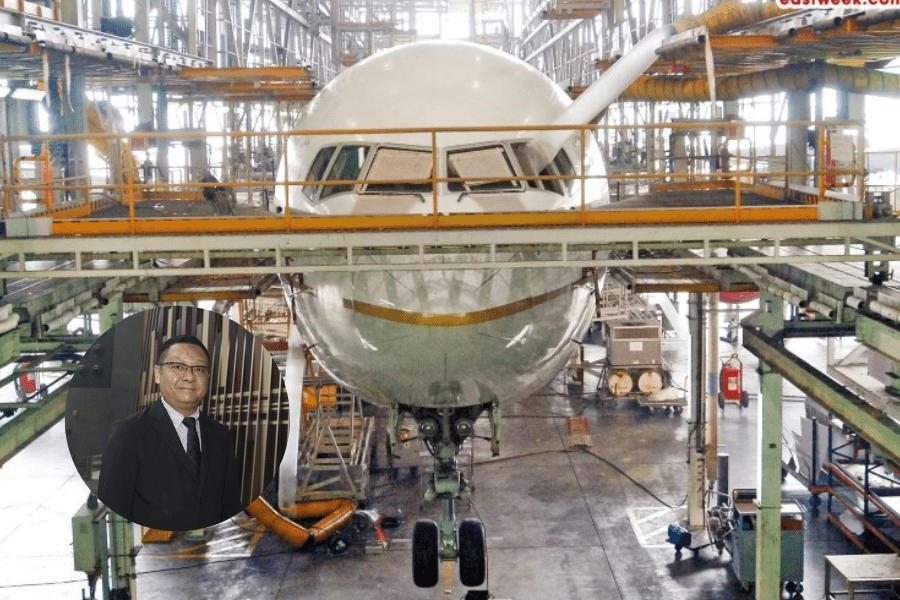
Hong Kong's Five-Year Plan Includes Andrew Fan's Aircraft Parts Processing Hub Proposal

ACIA Aero Leasing Delivers ATR72-600 to Air Nostrum
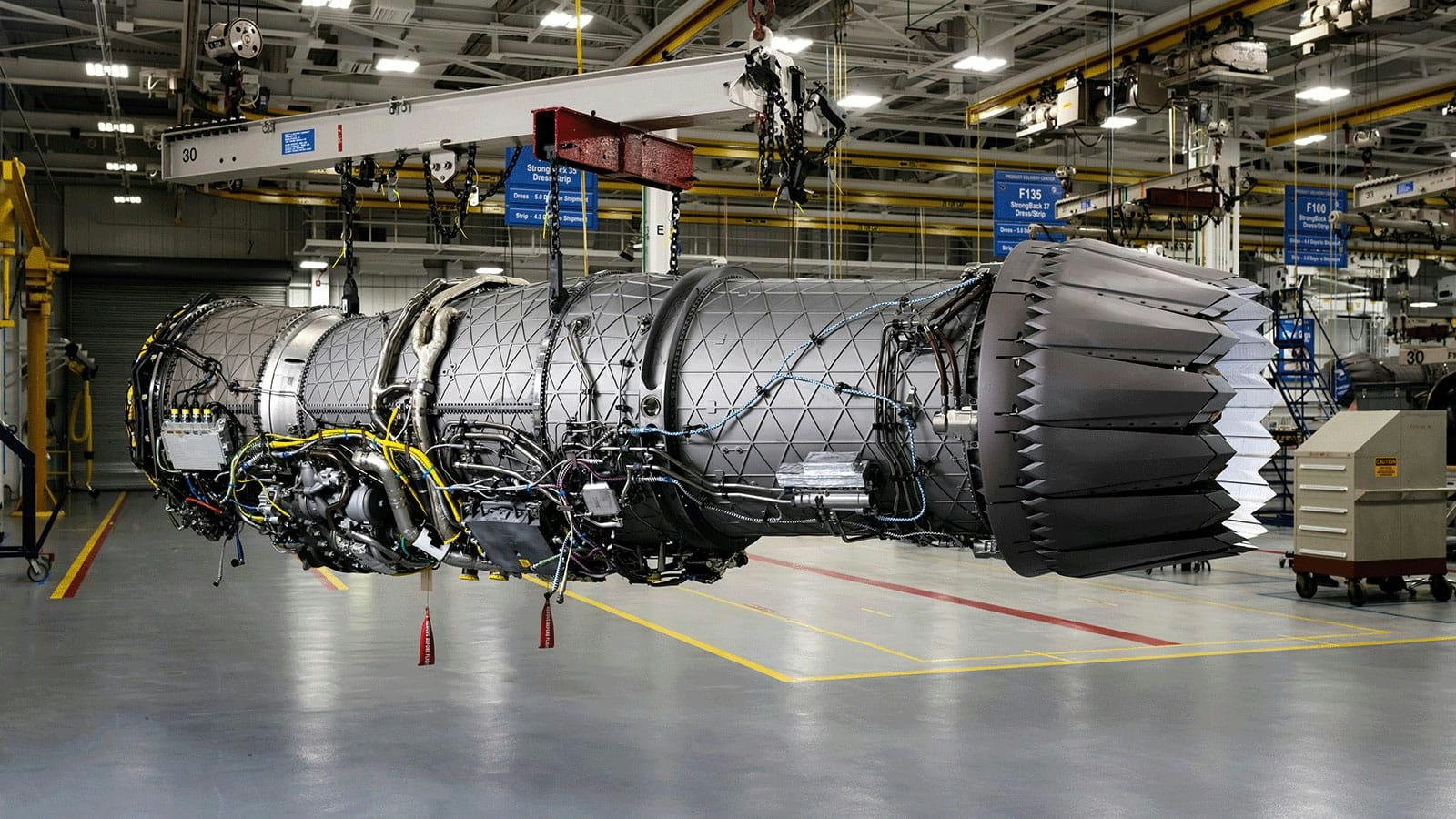
RTX Appoints Jill Albertelli as Head of Pratt & Whitney
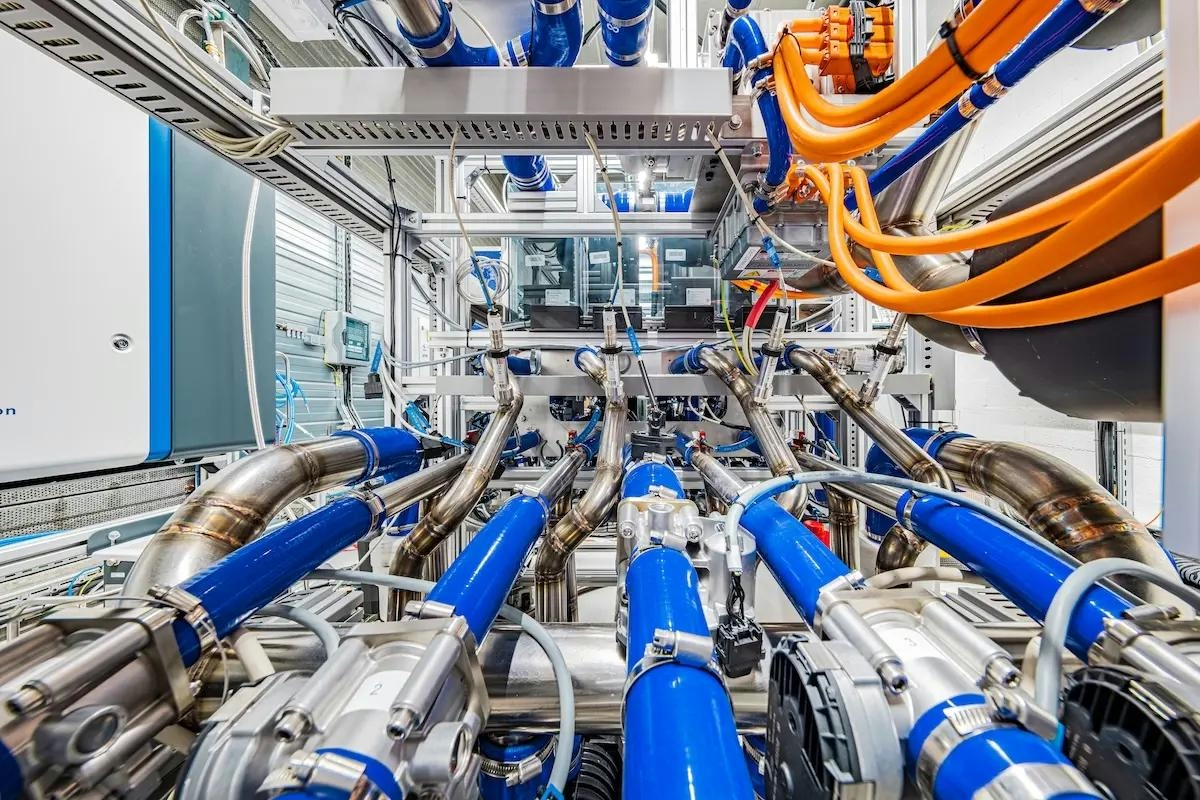
TAT Technologies Joins Beyond Aero Hydrogen Aircraft Program

AURAK Study Highlights Barriers to Air Taxi Adoption in Emerging Economies
Xiamen Air Selects Altitude for 787 Maintenance at Heathrow
Etihad and Swissport Extend Global Partnership
