
AIによるインサイトを行動へとつなげる

現在のトレンド
Categories
Aviation Insurance Experts Identify Geopolitics as Key Industry Challenge

Geopolitical Instability Emerges as Primary Challenge in Aviation Insurance
A recent survey conducted by the International Union of Aerospace Insurers (IUAI), in partnership with the International Underwriting Association and Swiss Re, has identified geopolitical instability as the foremost challenge confronting the aviation insurance sector. The study, titled “IUAI Cyber and Emerging Risks Study Group Survey 2026: From Isolated Perils to Systemic Stress,” collected insights from 106 aviation insurance and reinsurance professionals worldwide, revealing a significant shift in risk priorities driven by global geopolitical dynamics.
The survey results underscore that systemic risks originating beyond traditional aviation concerns are increasingly shaping underwriting strategies and market perspectives. Geopolitical instability and conflict received 79 first-place votes, marking the highest level of concern since the survey’s inception in 2024. Heightened tensions in regions such as the Middle East have notably contributed to rising insurance premiums and reduced policy availability, particularly affecting cargo and marine insurance. These developments have compelled risk managers to reassess their approaches, prompting insurers to recalibrate their offerings to better address exposures linked to geopolitical volatility.
Emerging Risks and Operational Challenges
In addition to geopolitical factors, US claims inflation has surfaced as a critical issue, overtaking worries about market conditions and rate adequacy. For the first time, supply chain and manufacturing challenges have entered the top three industry threats, reflecting growing unease over aircraft production, maintenance, and repair capabilities. The aviation maintenance sector is especially impacted by labor shortages, escalating material costs, and the added complexities introduced by geopolitical instability.
Operational resilience remains a key concern for airlines and airports, with respondents highlighting air traffic control disruptions, infrastructure limitations, and workforce deficits as urgent risks requiring focused attention in 2026. Despite these pressures, the survey reveals a sustained optimism within the industry. For the third consecutive year, advancements in artificial intelligence, the development of new aircraft technologies, and rising demand for aviation services were identified as the sector’s most promising opportunities.
Interconnected Risks and Industry Outlook
The report emphasizes a broader trend in which aviation risks are increasingly influenced by geopolitical, economic, and technological factors external to the sector rather than by traditional aviation-specific exposures. Tom Hughes, co-chair of the IUAI Cyber and Emerging Risks Study Group and director of underwriting at the International Underwriting Association, noted that the survey’s third edition highlights meaningful shifts in how the aerospace insurance market perceives emerging risks and future prospects. While concerns about instability, inflation, and supply chain disruptions are intensifying, there remains a consistent message of optimism regarding technological innovation and market expansion.
Florian Zierer, co-chair of the IUAI Cyber and Emerging Risks Study Group and aviation underwriter at Swiss Re, stressed the growing interconnectedness of risks. He explained that geopolitical instability, claims inflation, cyber threats, and supply chain disruptions have the potential to trigger cascading effects across airlines, manufacturers, airports, and insurers simultaneously. Zierer emphasized that understanding these complex interrelations is essential for insurers, reinsurers, and aviation operators as they navigate an increasingly intricate risk environment.
With IUAI’s membership now representing over 90% of the global aerospace insurance market, the survey provides a comprehensive and authoritative snapshot of industry sentiment as it adapts to a rapidly evolving geopolitical and economic landscape.
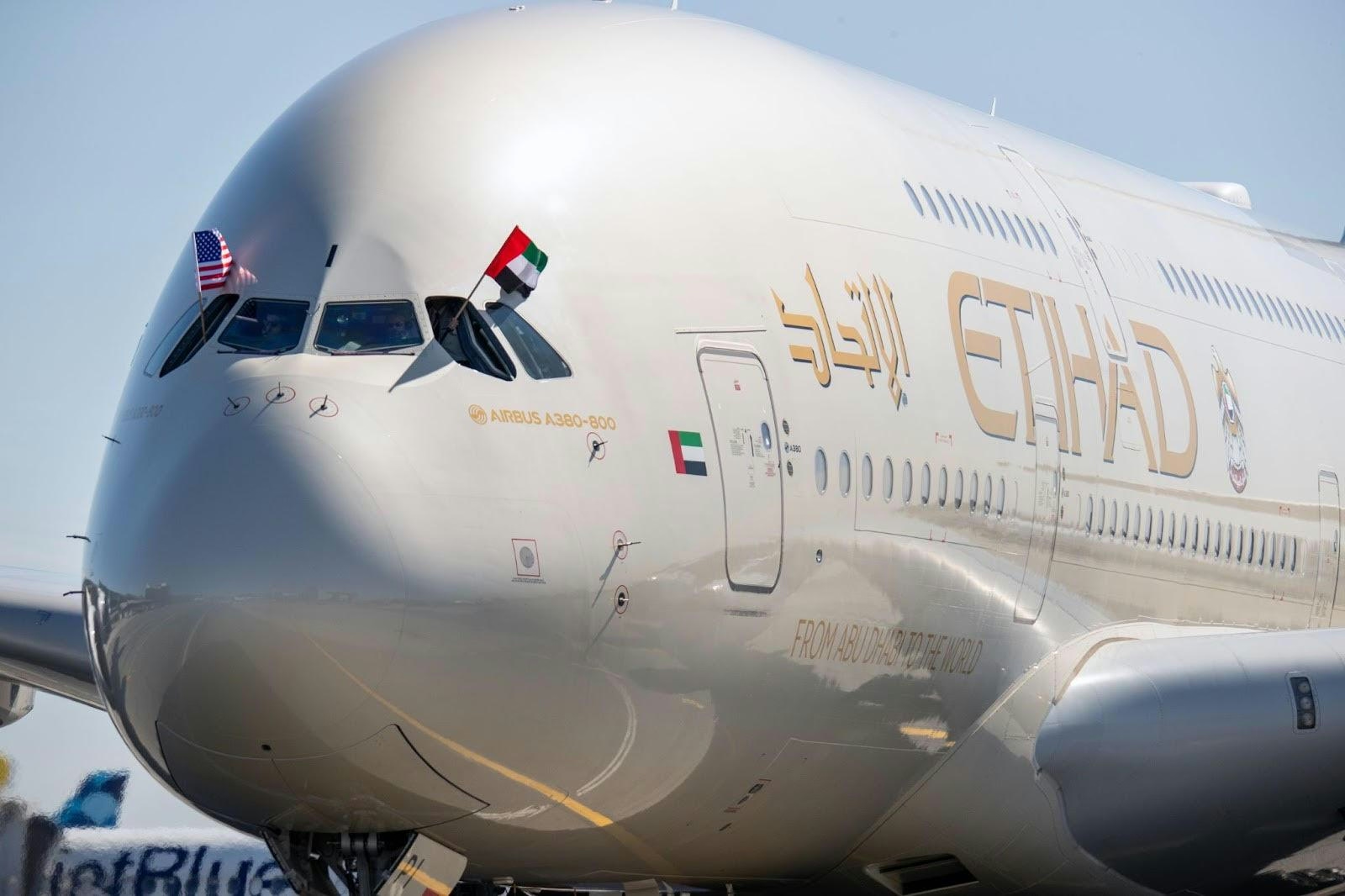
Etihad Airways Suspends Airbus A380 Flights on Key Route

Aditya Birla Group Seeks Approval for Aircraft Leasing in GIFT City

Qatar Airways Highlights Innovation and Connectivity at Arabian Travel Market 2026
Hong Kong's Five-Year Plan Includes Andrew Fan's Aircraft Parts Processing Hub Proposal
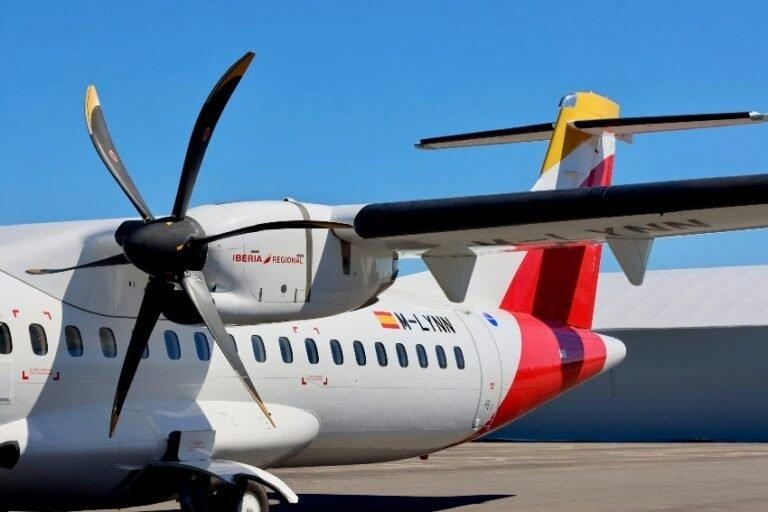
ACIA Aero Leasing Delivers ATR72-600 to Air Nostrum
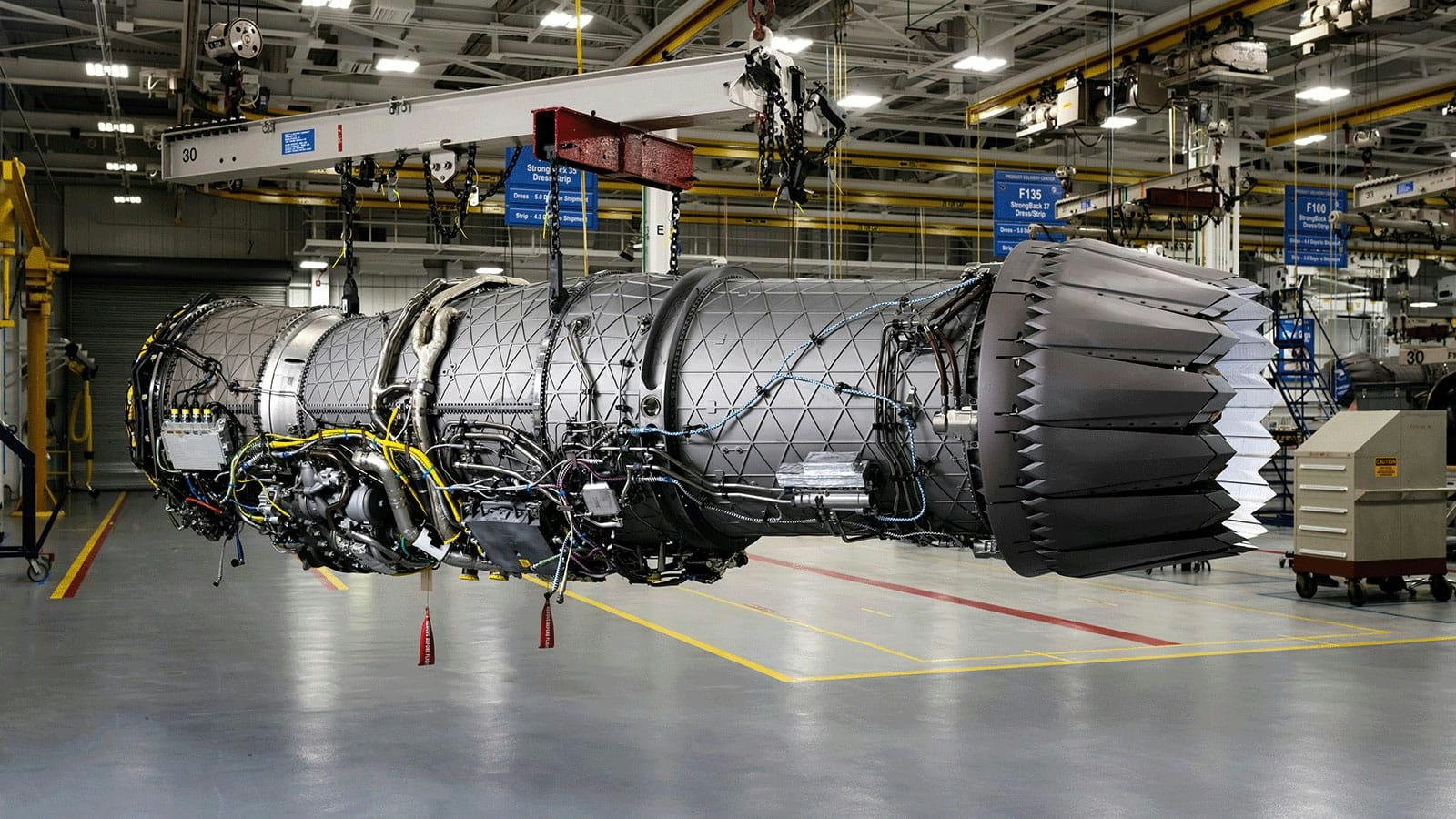
RTX Appoints Jill Albertelli as Head of Pratt & Whitney

TAT Technologies Joins Beyond Aero Hydrogen Aircraft Program

AURAK Study Highlights Barriers to Air Taxi Adoption in Emerging Economies
Xiamen Air Selects Altitude for 787 Maintenance at Heathrow
Etihad and Swissport Extend Global Partnership
