
AIによるインサイトを行動へとつなげる

現在のトレンド
Categories
British Airways Crew May Soon Rest in First Class Cabins
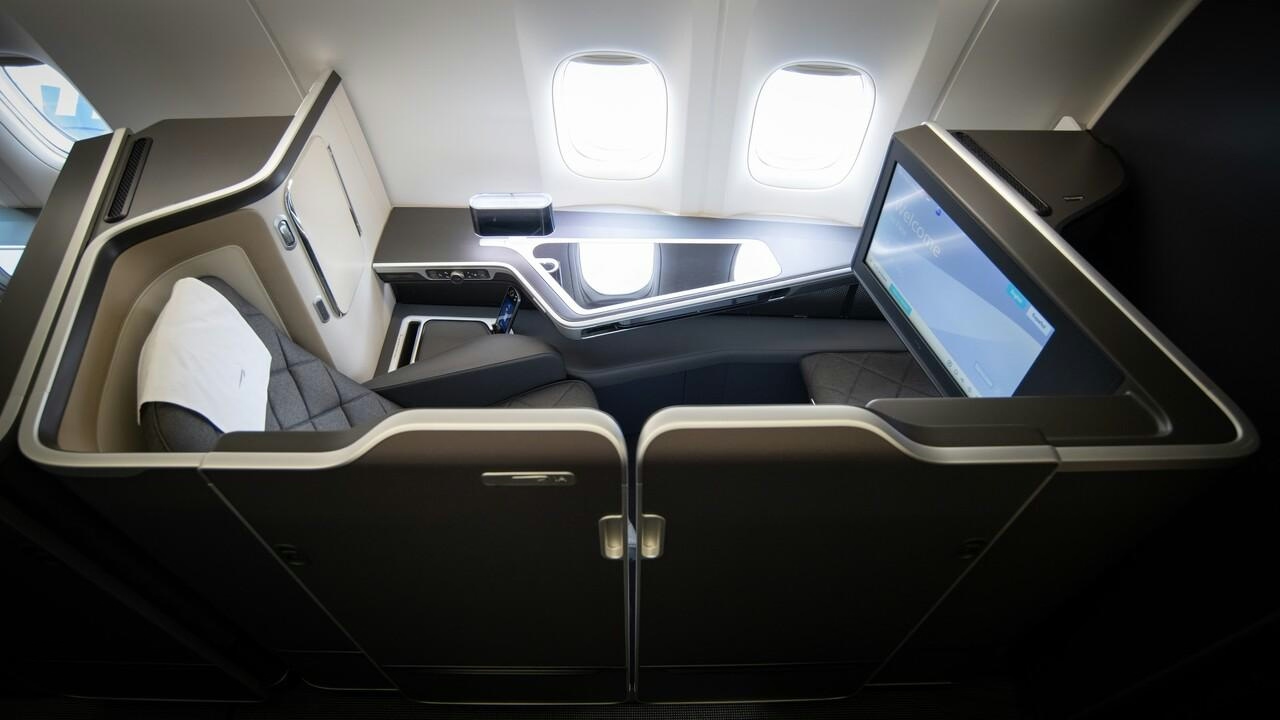
British Airways Considers Allowing Crew to Rest in First Class Cabins
Cabin crew on long-haul flights endure demanding schedules, often working overnight shifts and spending extended periods away from home. While their foremost responsibility remains passenger safety, ensuring that crew members are adequately rested is critical to maintaining operational standards. Many international airlines equip their widebody aircraft with dedicated crew rest areas; however, British Airways has historically diverged from this practice. Due to considerations related to cost and aircraft weight, the UK flag carrier’s Boeing 787-10s and certain 777-200ERs lack dedicated crew bunks, compelling flight attendants to take breaks in curtained-off jumpseats located in the galley.
Proposed Changes to Crew Rest Policy
This longstanding arrangement may soon be revised. According to a recent discussion on the Flyer Talk forum, highlighted by One Mile At A Time, British Airways is reportedly preparing to update its crew rest policy for long-haul flights on aircraft without dedicated rest facilities. The anticipated change would permit cabin crew to use vacant seats in first and business class cabins during their rest periods. This adjustment would represent a significant departure from current practices and could provide much-needed comfort and relief for crew members operating on these routes.
The use of premium cabin seats for crew rest will be subject to specific protocols. Forum sources indicate that crew members will be required to remove or cover uniform items and utilize the bedding provided for premium cabins. Additionally, British Airways may implement ‘soft blocking’ of certain seats in the World Traveller (economy) cabin—typically the center section of the rearmost row—to reserve these for crew rest on affected aircraft.
Industry Context and Implications
This potential policy shift emerges amid heightened competition and escalating operational costs within the airline industry. British Airways’ move to enhance crew rest options can be interpreted as an effort to improve crew morale and uphold service quality under challenging conditions. Competitors may respond by adopting similar measures to retain staff satisfaction or by exploring alternative cost-saving strategies. Market reactions are expected to be mixed; while some stakeholders may view the initiative as a positive advancement for crew welfare, others might question the allocation of first-class amenities for non-revenue purposes.
The broader industry landscape, characterized by consolidation and an increasing focus on sustainability, may also influence perceptions of this decision. As airlines strive to balance cost efficiency with employee well-being and customer experience, British Airways’ approach could set a precedent or ignite debate regarding optimal strategies for crew rest and resource allocation.
British Airways has yet to issue an official statement regarding these rumored changes. The airline has been contacted for comment, and further updates will be provided as more information becomes available.

Etihad and Swissport Extend Global Partnership
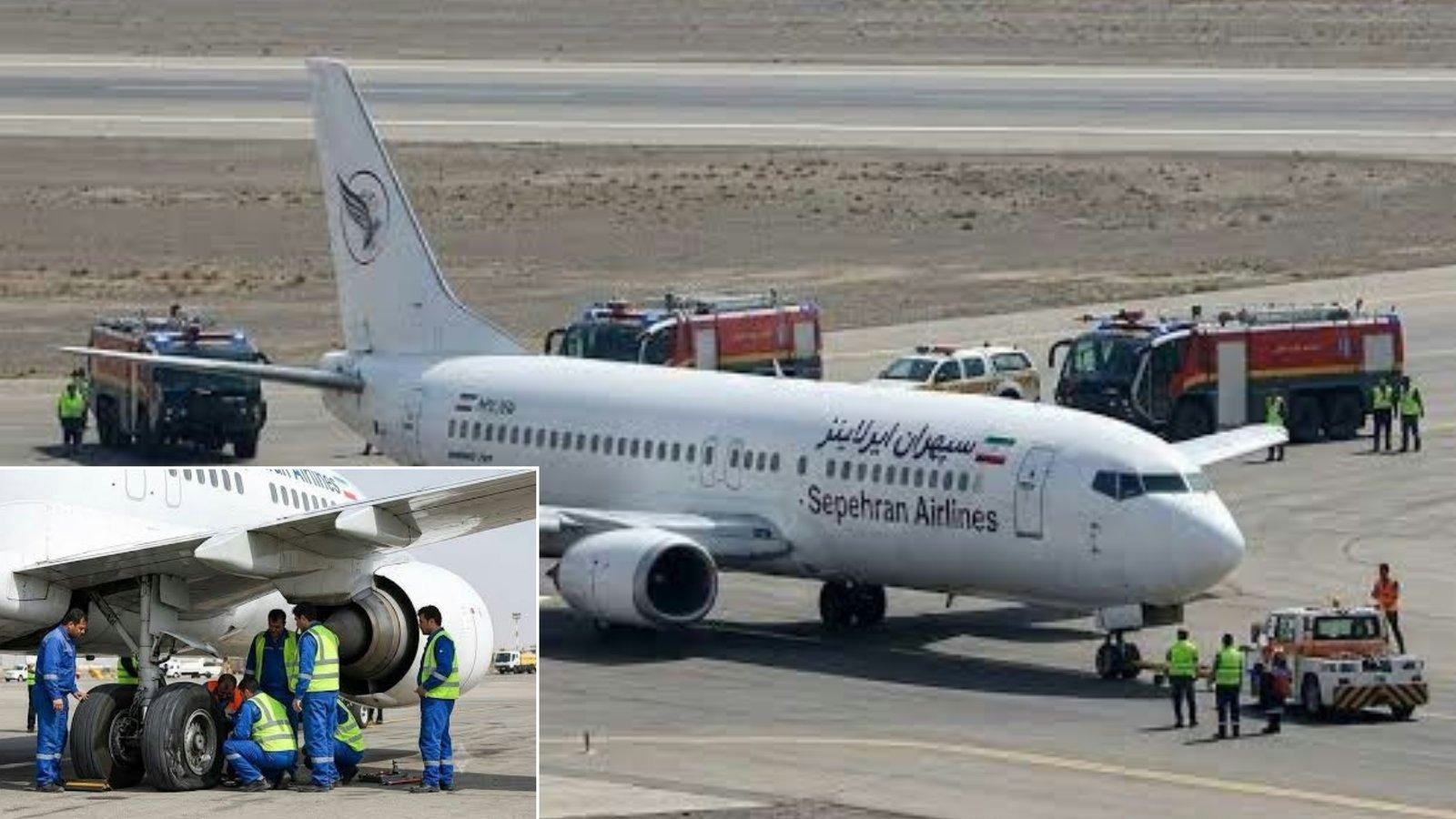
Sepehran Airlines B737 Returns to Mashhad After Tyre and Engine Issues

Etihad Deploys Widebody Fleet to Meet Strong Demand
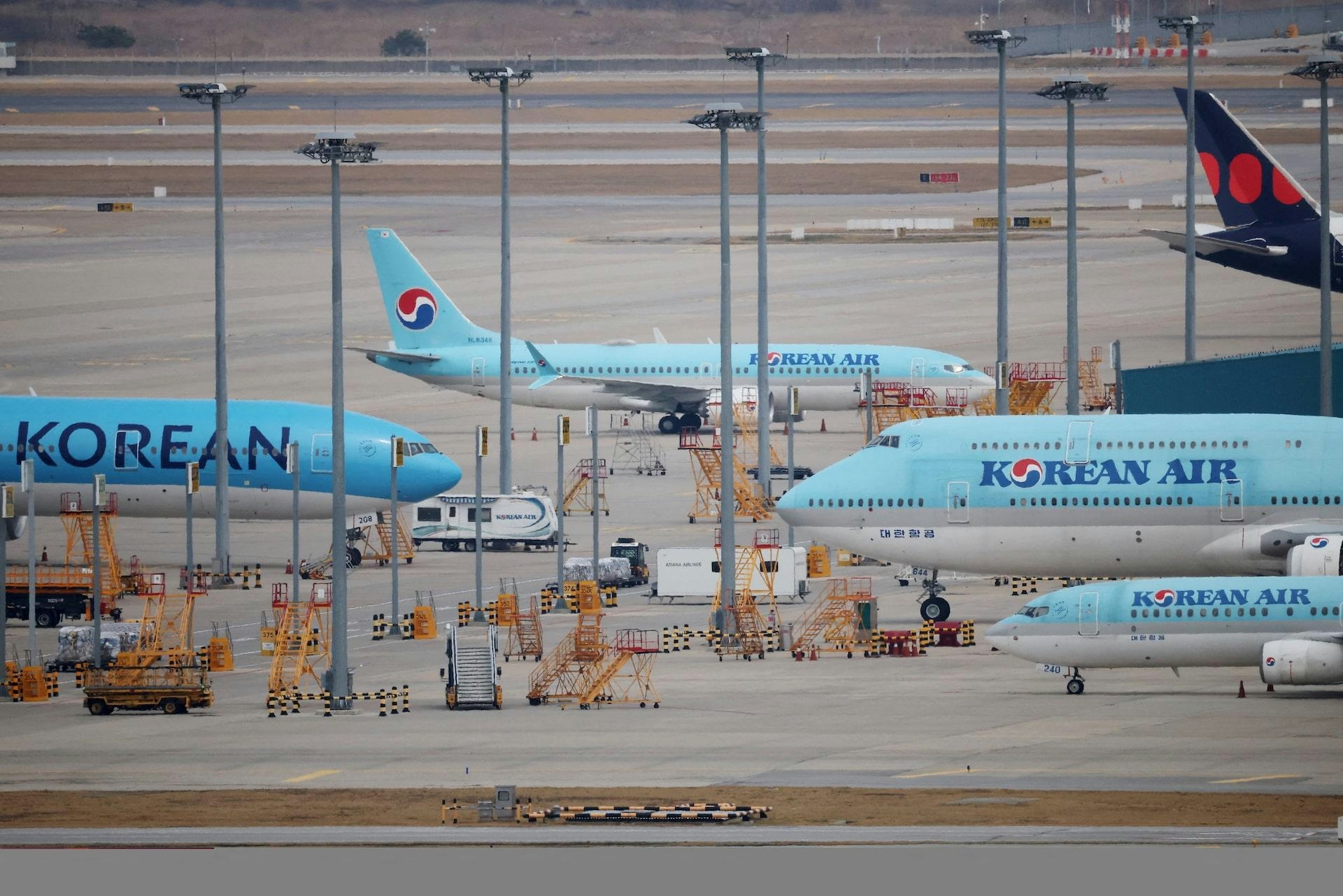
Korean Air Finalizes $36.2 Billion Deal with Boeing

Australia’s RFDS Queensland Section Orders Six King Air 260Cs

Korean Air Finalizes Order for 103 Boeing Jets and Engines
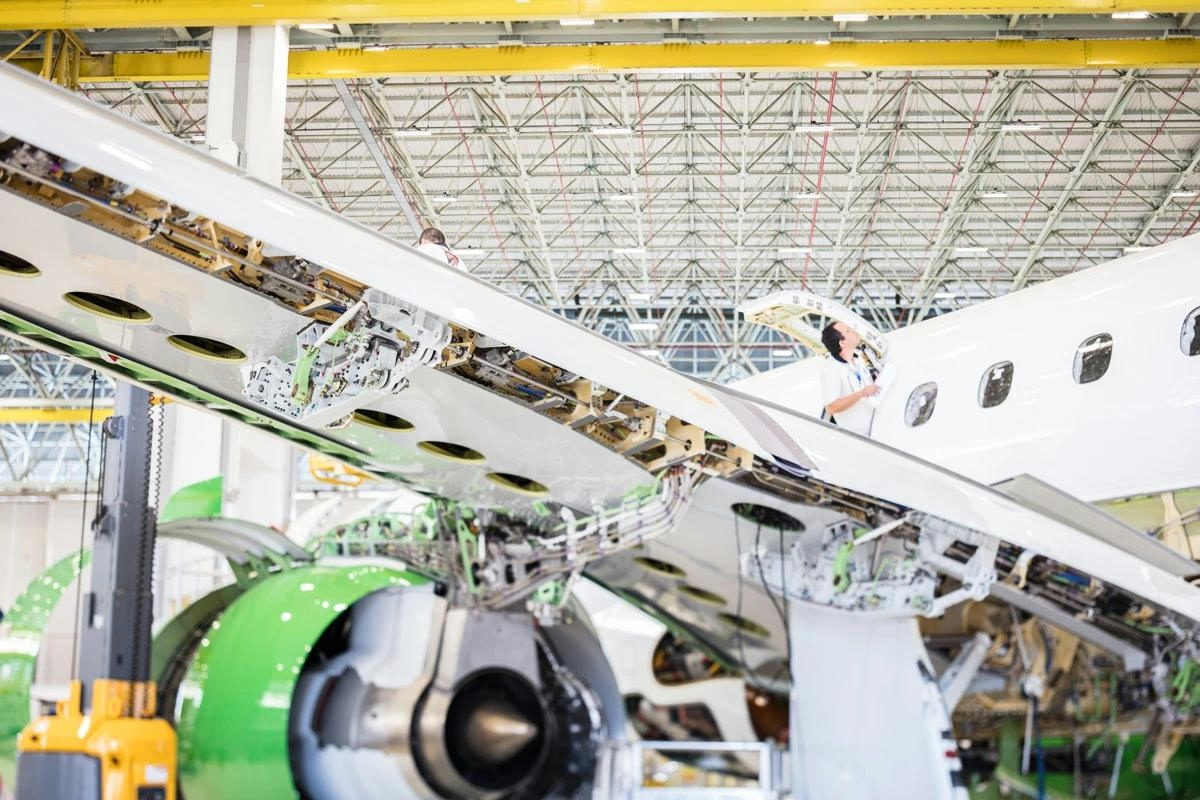
Embraer E195-E2 Features Distinctive Engine Placement Among Regional Jets
What Passengers Can Expect on Boeing’s New 777X Jet

How Ethiopian Airlines Became Africa’s Leading Carrier Amid Gulf Competition

Joby Aviation Extends Autonomous Flight Capabilities with Cross-Country Tour
