
AIによるインサイトを行動へとつなげる

現在のトレンド
Categories
Dassault Aviation and Harmattan AI Test Namib Anti-Radar Drone with Rafale F4
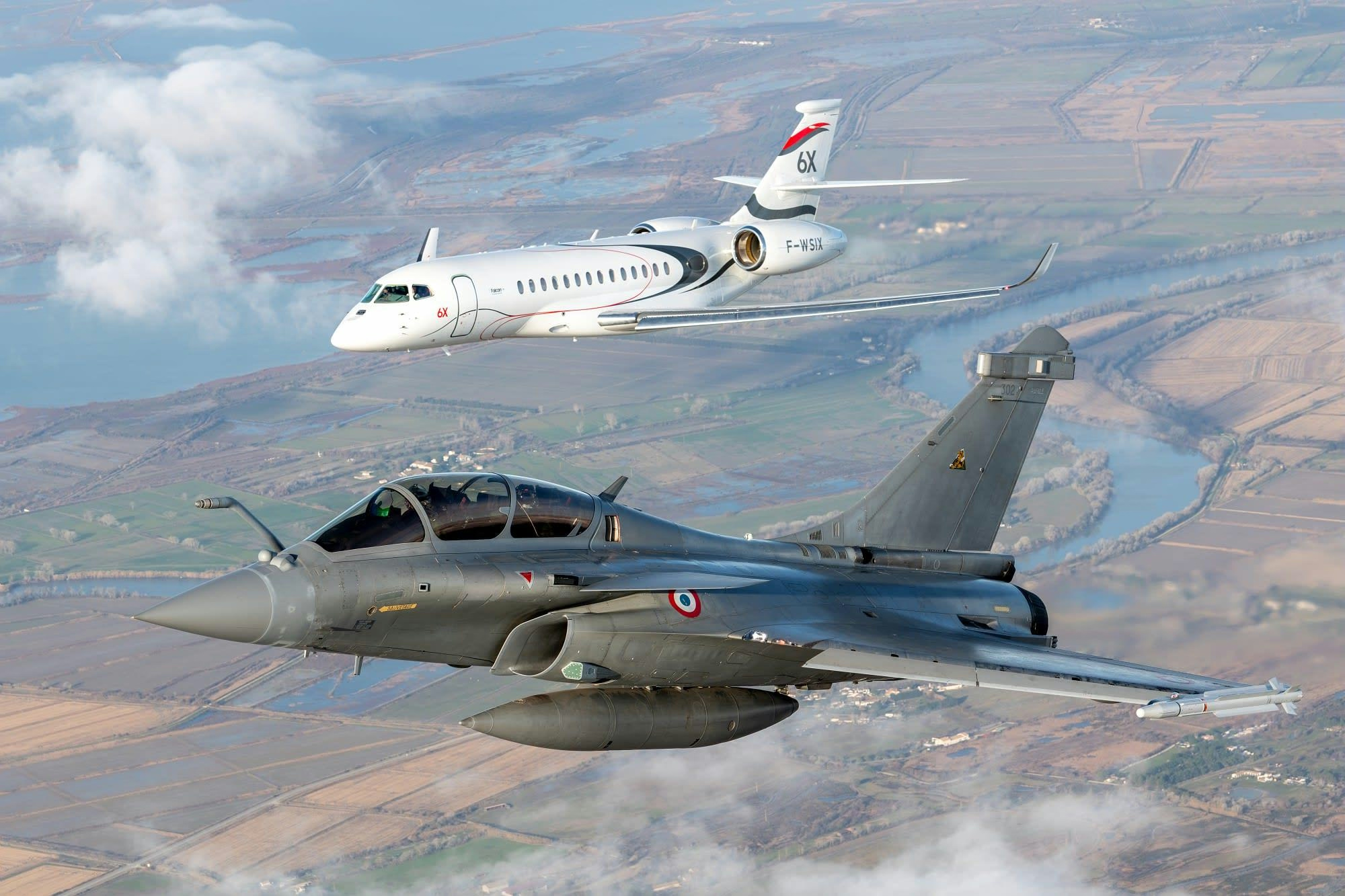
Dassault Aviation and Harmattan AI Test Namib Anti-Radar Drone with Rafale F4
Integration of Autonomous Systems in Modern Combat
Dassault Aviation and Harmattan AI have successfully demonstrated the integration of the NAMIB electronic warfare drone with the Rafale F4 fighter jet, marking a pivotal advancement in autonomous combat technology. In a recent test flight, a drone equipped with the NAMIB payload operated in tandem with the Rafale F4, detecting and accurately geolocating enemy radar emissions from several tens of kilometers away. The drone transmitted this targeting information to the Rafale, which then simulated an attack on the identified threat. This exercise underscores the Rafale F4’s expanding capability to collaborate with autonomous systems and harness emerging electronic warfare technologies.
Capabilities and Development of the NAMIB System
NAMIB is engineered to detect, identify, and geolocate electromagnetic emissions, with a particular focus on air defense radar signals. Its lightweight and adaptable design enables deployment on a variety of tactical drones, including both quadcopters and fixed-wing platforms with extended endurance. The system’s discreet operational profile and real-time data transmission are intended to enhance the survivability and operational effectiveness of manned aircraft in contested environments.
The development of NAMIB commenced in January 2026 as part of a strategic partnership between Dassault Aviation and Harmattan AI. This collaboration seeks to integrate advanced autonomous and artificial intelligence-driven technologies into the next generation of aerial combat systems. The initiative coincides with France’s substantial order of 5,000 Harmattan AI drones, reflecting a broader strategic shift within the French defense sector toward increased autonomy and AI integration in military operations.
Industry Implications and Competitive Landscape
Despite this progress, Dassault Aviation faces challenges in adapting to the rapidly evolving defense landscape. The integration of the NAMIB anti-radar drone with the Rafale F4 raises questions about the operational relevance of existing platforms such as the Eurodrone, which may find it difficult to keep pace with the latest advancements in AI and autonomy. This shift toward more autonomous systems could impact Dassault’s traditional market position, compelling the company to accelerate innovation in manned-unmanned teaming.
Competitors are also responding to these trends. At the recent Berlin Airshow, aerospace giants Airbus and Boeing unveiled their own AI-powered “wingman” drone concepts designed to operate alongside fighter jets. These developments highlight the increasing importance of autonomous systems in future air combat and the intensifying competition among defense manufacturers to deliver cutting-edge solutions.
The successful demonstration of the NAMIB payload with the Rafale F4 not only validates the technical feasibility of integrating drones with manned aircraft but also signals a broader industry transition toward networked, AI-enabled combat operations. As Dassault Aviation and Harmattan AI continue to advance these capabilities, the nature of aerial warfare is set for profound transformation.

Etihad and Swissport Extend Global Partnership

Sepehran Airlines B737 Returns to Mashhad After Tyre and Engine Issues

Etihad Deploys Widebody Fleet to Meet Strong Demand

Korean Air Finalizes $36.2 Billion Deal with Boeing
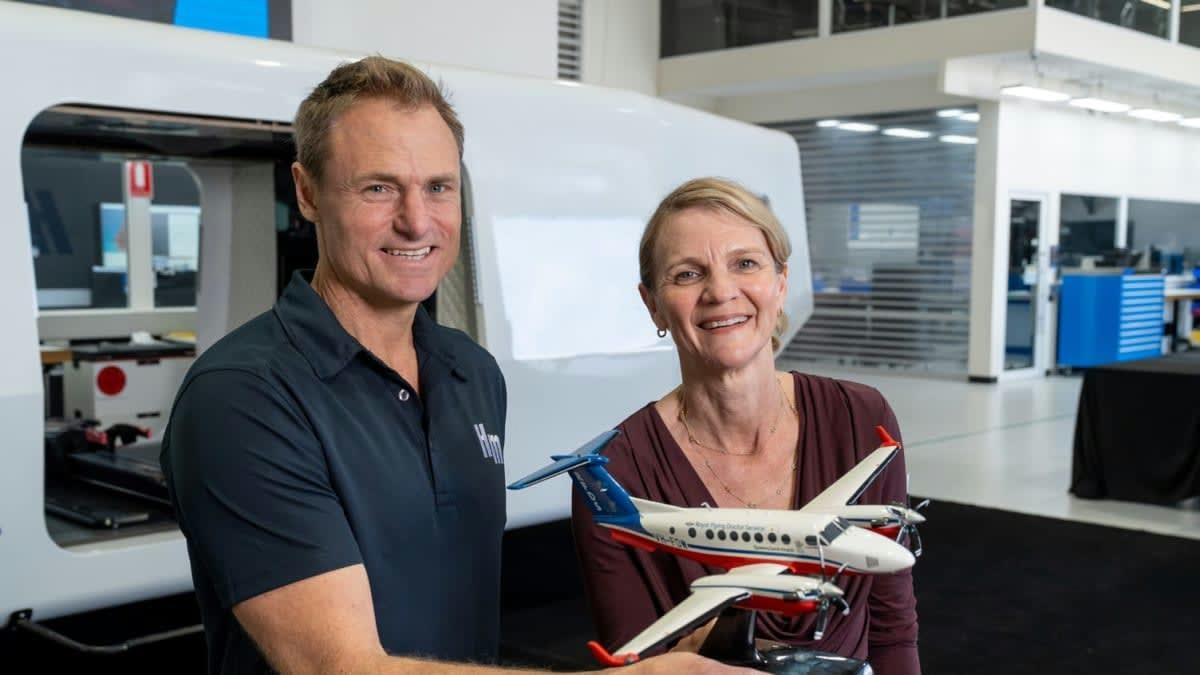
Australia’s RFDS Queensland Section Orders Six King Air 260Cs

Korean Air Finalizes Order for 103 Boeing Jets and Engines
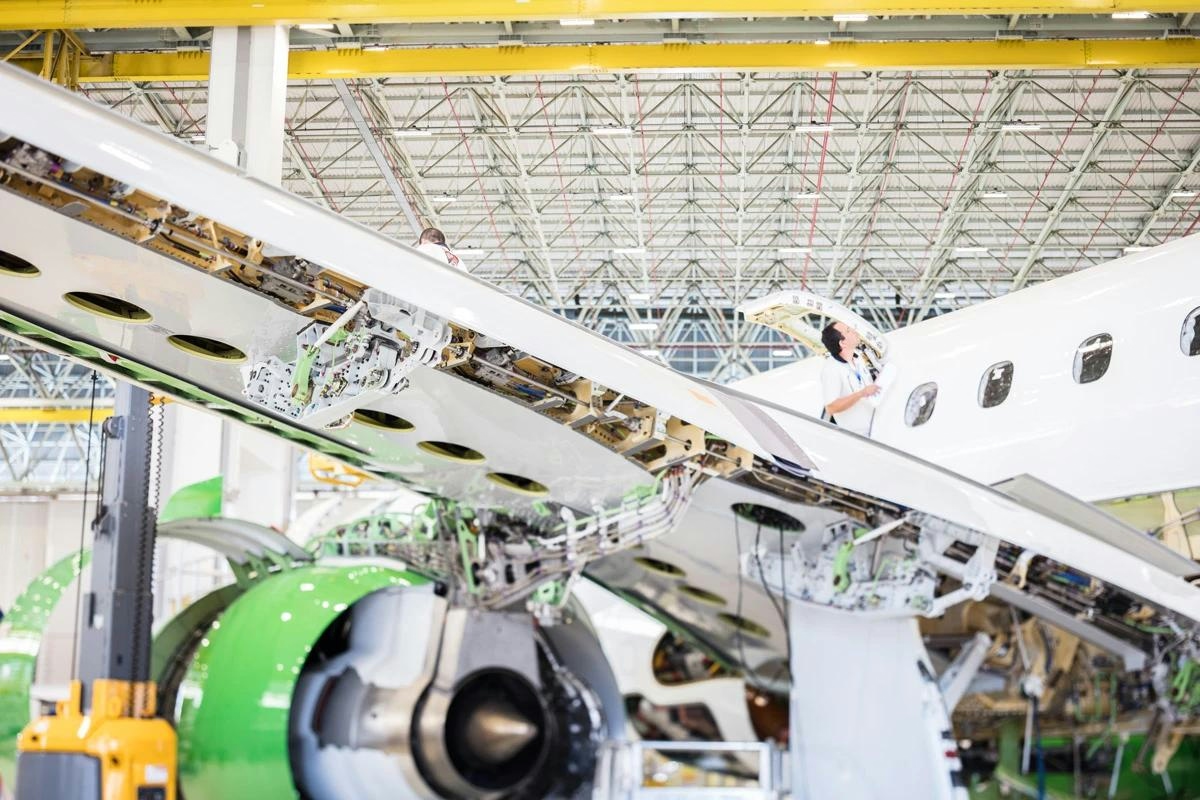
Embraer E195-E2 Features Distinctive Engine Placement Among Regional Jets
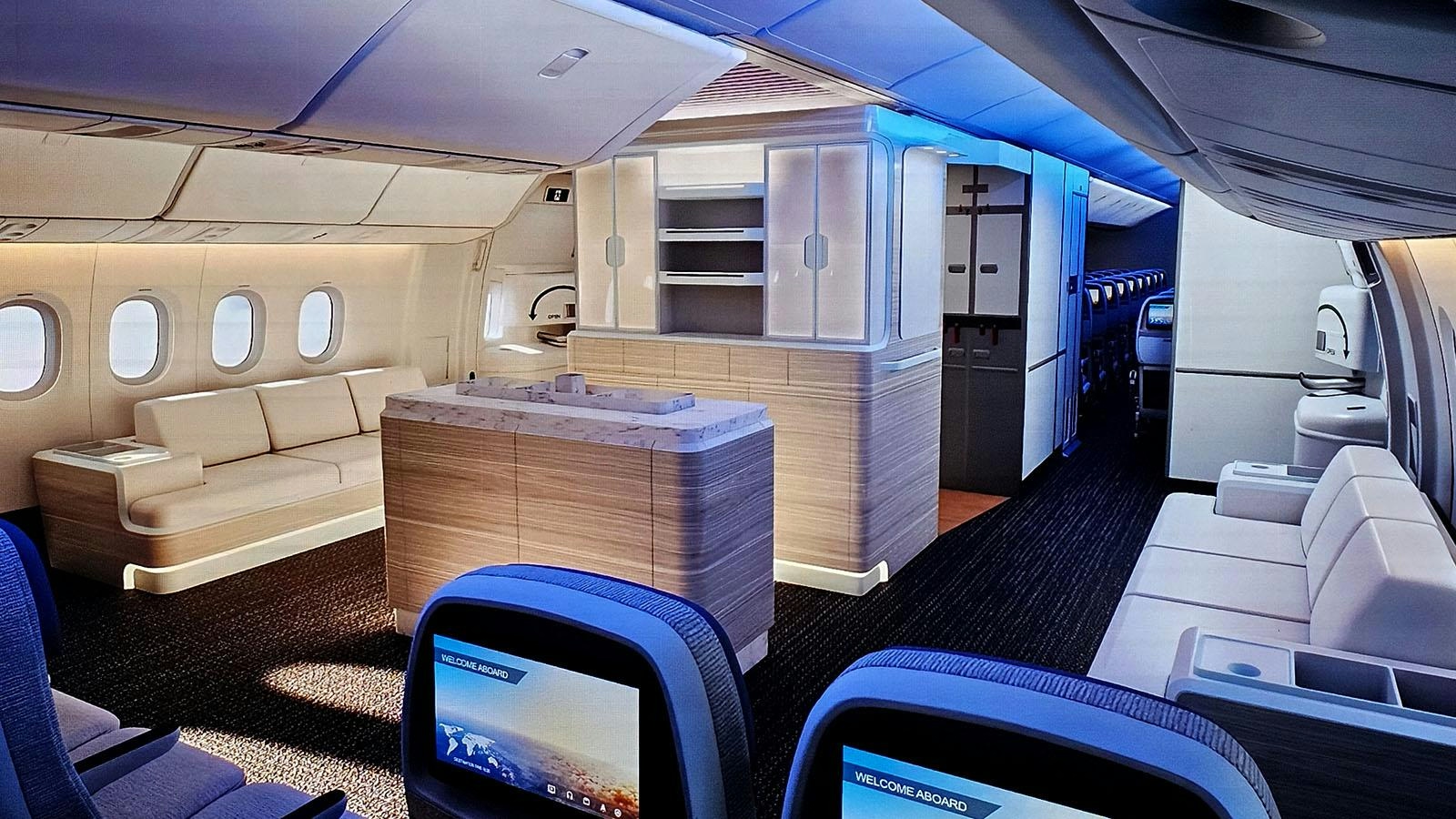
What Passengers Can Expect on Boeing’s New 777X Jet

How Ethiopian Airlines Became Africa’s Leading Carrier Amid Gulf Competition

Joby Aviation Extends Autonomous Flight Capabilities with Cross-Country Tour
