
AIによるインサイトを行動へとつなげる

現在のトレンド
Categories
Delta Uses Airbus A330-900neo Widebodies on Regional Routes to Ease US Travel Disruptions
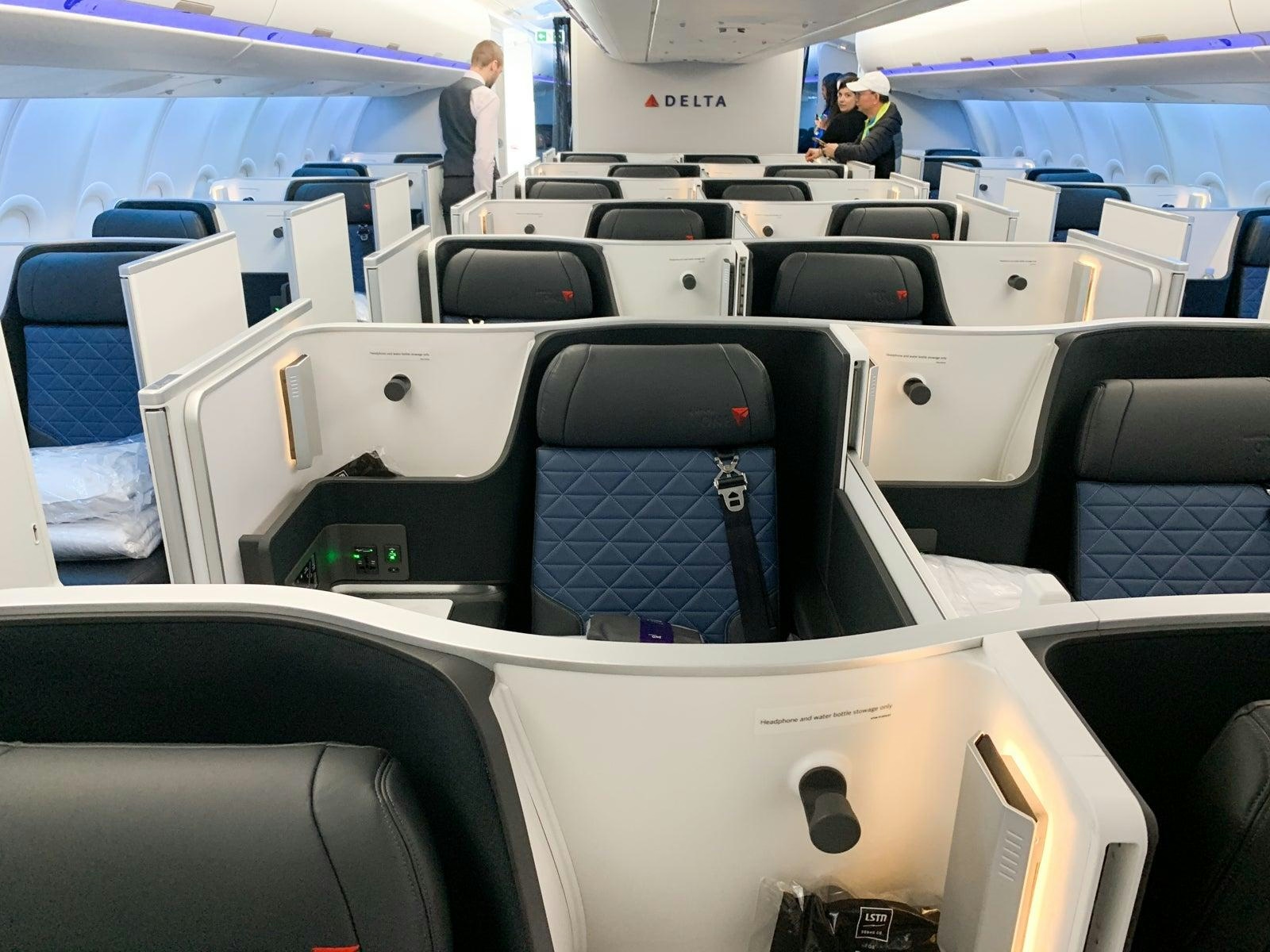
Delta Deploys Airbus A330-900neo Widebodies on Domestic Routes to Mitigate Travel Disruptions
Delta Air Lines is redefining domestic air travel by introducing its Airbus A330-900neo widebody aircraft on high-demand U.S. routes. This strategic deployment aims to offer passengers a premium and more reliable travel experience amid persistent disruptions caused by unpredictable weather and operational challenges. By moving away from the industry’s traditional reliance on narrowbody jets for transcontinental flights, Delta seeks to enhance capacity and comfort on key domestic corridors.
A New Approach to Domestic Aviation
U.S. domestic air travel has long been dominated by single-aisle aircraft, which often leave passengers exposed to discomfort and delays during peak periods and adverse weather conditions. Delta’s integration of the A330-900neo—a modern, fuel-efficient widebody with an average fleet age of just 3.6 years—represents a significant departure from this norm. On routes such as New York’s JFK to Los Angeles International Airport (LAX), Delta is increasing seat availability and reducing the likelihood of cascading delays without the need for additional runway slots.
For June 2026, the airline has scheduled 30 round-trip flights using the A330-900neo between JFK and LAX. Notably, flagship service DL713 departs JFK at 8:00 AM, arriving in Los Angeles shortly after 11:00 AM. Passengers on these flights benefit from lie-flat business class seats and expanded premium economy options, amenities typically reserved for international travel, thereby elevating the domestic flying experience.
Industry Context and Competitive Dynamics
Delta’s domestic widebody strategy contrasts sharply with that of its legacy competitors, American Airlines and United Airlines, which continue to confine their widebody fleets—such as Boeing 777s and 787s—to international routes. This bold move positions Delta as a leader in operational flexibility and passenger comfort within the U.S. market.
Nevertheless, the airline faces potential challenges amid ongoing global supply chain disruptions. The aviation industry has witnessed delays in aircraft deliveries, exemplified by Qantas’s postponed Airbus A350-1000 arrivals. Such issues could hinder Delta’s plans to further expand its widebody fleet if Airbus encounters production setbacks.
Meanwhile, competitors are adapting their own fleet and route strategies. Ethiopian Airlines is reportedly negotiating new Airbus orders to support its growth ambitions, while Israir’s recent introduction of New York service using A330 aircraft adds competitive pressure on transatlantic and regional routes.
Innovation and Emerging Partnerships
Delta’s innovation extends beyond fleet deployment. Its partnership with Joby Aviation aims to pioneer air taxi services, potentially revolutionizing airport access for travelers. However, this initiative faces uncertainty as the U.S. Trade Commission investigates Joby’s trade practices, which may delay or complicate the rollout of these services.
By leveraging the Airbus A330-900neo on domestic routes, Delta is enhancing passenger comfort and operational resilience, setting a new benchmark for U.S. air travel amid ongoing industry disruptions. As supply chain challenges and competitive pressures intensify, Delta’s approach will be closely observed as a potential model for the future of domestic aviation.

Etihad Airways Suspends Airbus A380 Flights on Key Route

Aditya Birla Group Seeks Approval for Aircraft Leasing in GIFT City

Qatar Airways Highlights Innovation and Connectivity at Arabian Travel Market 2026

Hong Kong's Five-Year Plan Includes Andrew Fan's Aircraft Parts Processing Hub Proposal

ACIA Aero Leasing Delivers ATR72-600 to Air Nostrum

RTX Appoints Jill Albertelli as Head of Pratt & Whitney

TAT Technologies Joins Beyond Aero Hydrogen Aircraft Program

AURAK Study Highlights Barriers to Air Taxi Adoption in Emerging Economies

Xiamen Air Selects Altitude for 787 Maintenance at Heathrow

Etihad and Swissport Extend Global Partnership
