
AIによるインサイトを行動へとつなげる

現在のトレンド
Categories
DoorDash Launches New Drone Delivery Division
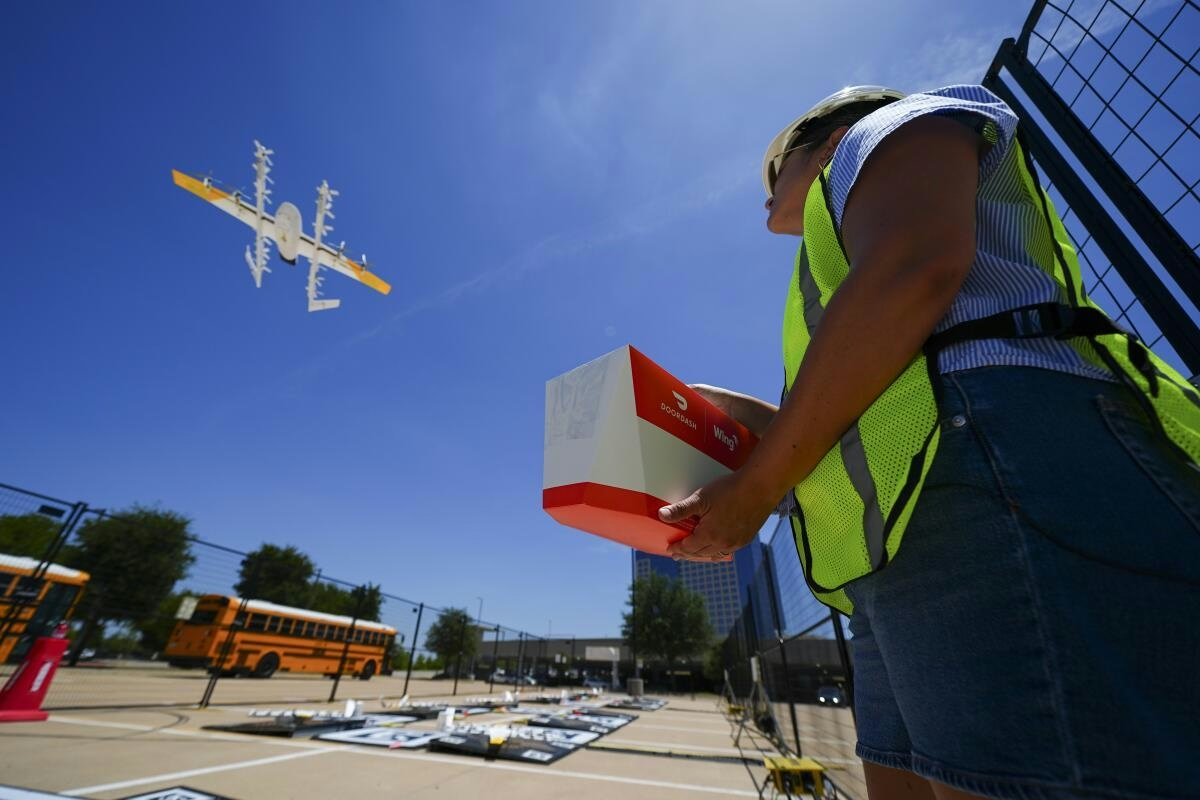
DoorDash Launches New Drone Delivery Division
DoorDash, the leading food delivery platform in the United States, has unveiled DoorDash Air, a dedicated division focused on drone-based deliveries. This strategic move follows the company’s recent acquisition of Part 135 air carrier certification from the Federal Aviation Administration (FAA), a critical regulatory milestone that authorizes DoorDash to operate small-package drone deliveries. This certification positions DoorDash alongside established drone delivery operators such as Alphabet’s Wing, Zipline, and Amazon.
Advancing Drone Delivery Capabilities
Previously, DoorDash collaborated with Wing on pilot drone delivery initiatives in regions including Dallas-Fort Worth, Virginia, and Australia. With the new certification, DoorDash will now independently deploy drones designed and assembled by its in-house DoorDash Labs division. This team, which also develops the company’s Dot sidewalk delivery robots, is tasked with engineering aircraft specifically optimized for food delivery. According to DoorDash, the drones are “proudly American-designed and built,” with the majority of components sourced domestically, although it is noted that most commercial drones globally continue to be manufactured in China.
In addition to aircraft development, DoorDash is investing heavily in the ground infrastructure necessary to support drone operations. This encompasses systems enabling restaurants to transfer orders to drones, as well as the complex logistics involved in flight planning, airspace management, and delivery execution. The company highlighted that while the drones themselves are the visible element, the more challenging aspect lies in the integration and infrastructure on the ground. DoorDash is focused on creating a comprehensive end-to-end system that addresses real-time inventory management and universal handoff protocols for various delivery environments, including drive-throughs, rooftops, and merchant back doors.
Addressing Delivery Efficiency and Market Challenges
DoorDash anticipates that drone delivery will particularly improve the efficiency of midrange orders—those spanning three to five miles—which currently experience approximately 25 percent longer fulfillment times due to courier availability constraints. By reallocating these deliveries to drones, the company aims to enable its human couriers, known as Dashers, to concentrate on shorter, more profitable routes.
Nonetheless, the expansion of drone delivery faces several challenges. Community concerns regarding noise pollution and privacy, alongside ongoing regulatory scrutiny, may influence the speed and scale of deployment. Market responses remain mixed; some industry observers view drone delivery as a promising innovation with potential for significant cost savings, while others raise questions about its environmental and social implications. Competitors such as Walmart and Amazon are actively expanding their drone delivery networks, whereas other companies adopt a more cautious approach.
Although the current drone delivery market remains relatively small, industry forecasts predict substantial growth and cost efficiencies in the coming years. DoorDash’s entry into this sector underscores the intensifying competition and innovation shaping the future of last-mile delivery.

Etihad and Swissport Extend Global Partnership

Sepehran Airlines B737 Returns to Mashhad After Tyre and Engine Issues

Etihad Deploys Widebody Fleet to Meet Strong Demand

Korean Air Finalizes $36.2 Billion Deal with Boeing
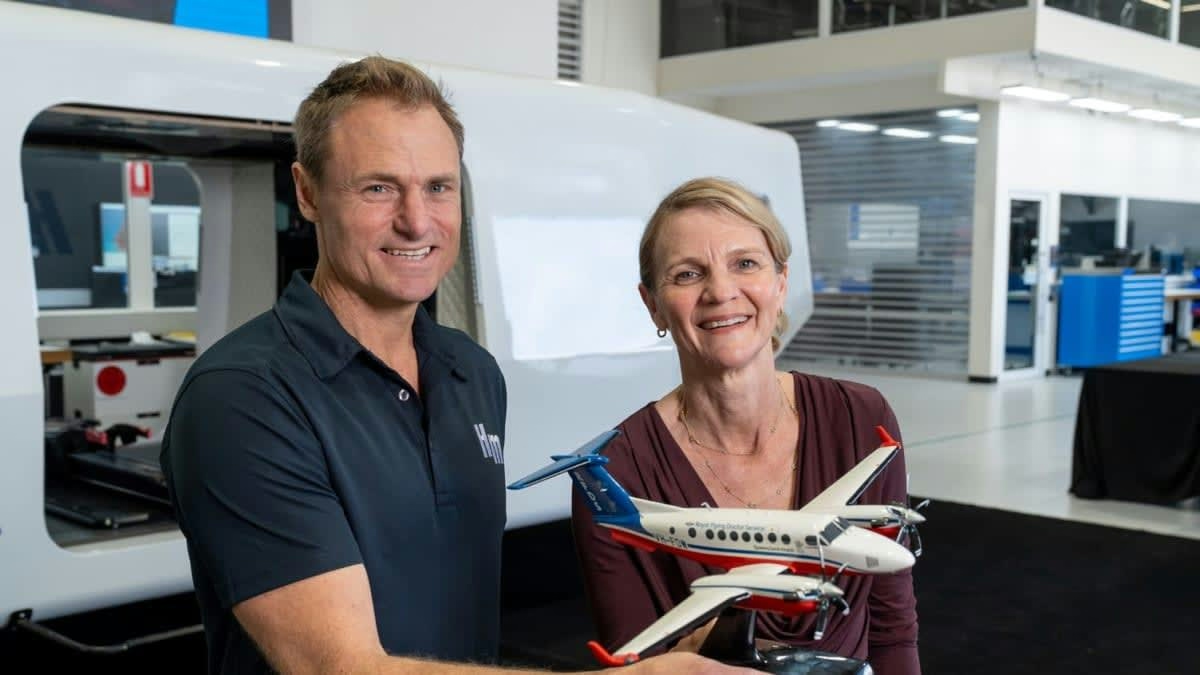
Australia’s RFDS Queensland Section Orders Six King Air 260Cs

Korean Air Finalizes Order for 103 Boeing Jets and Engines
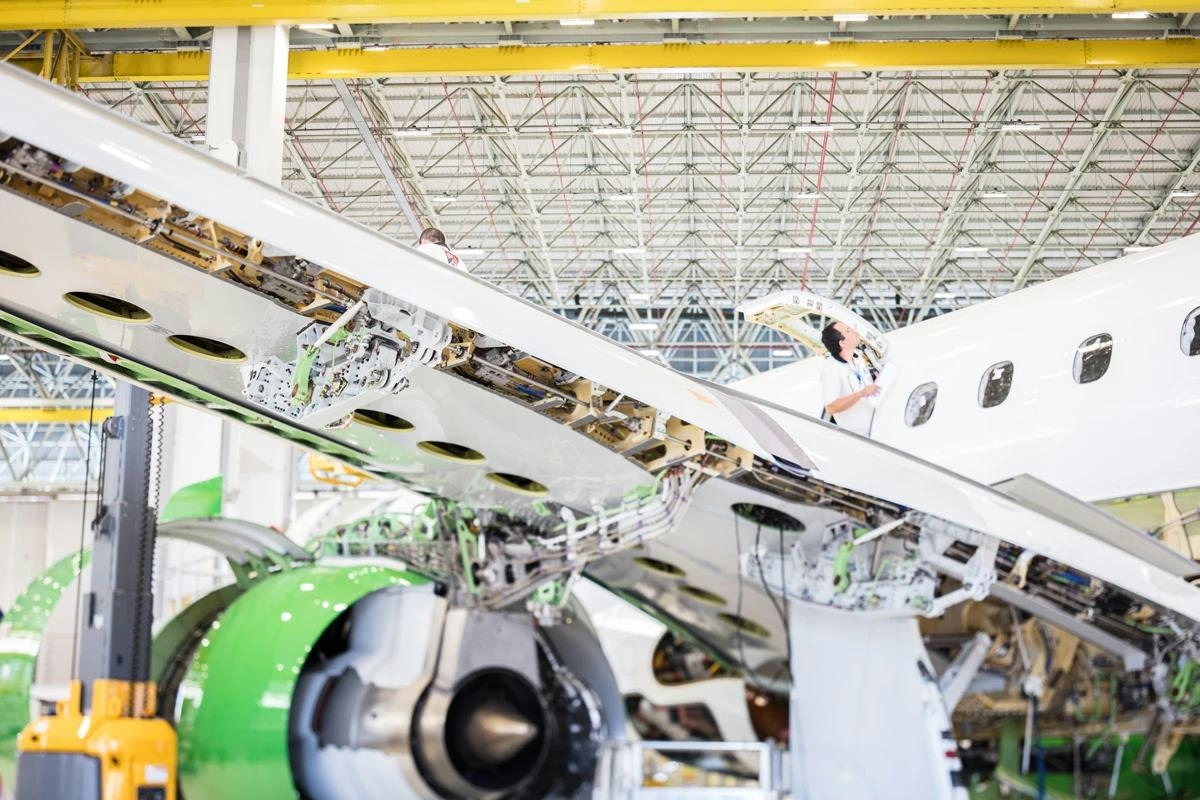
Embraer E195-E2 Features Distinctive Engine Placement Among Regional Jets
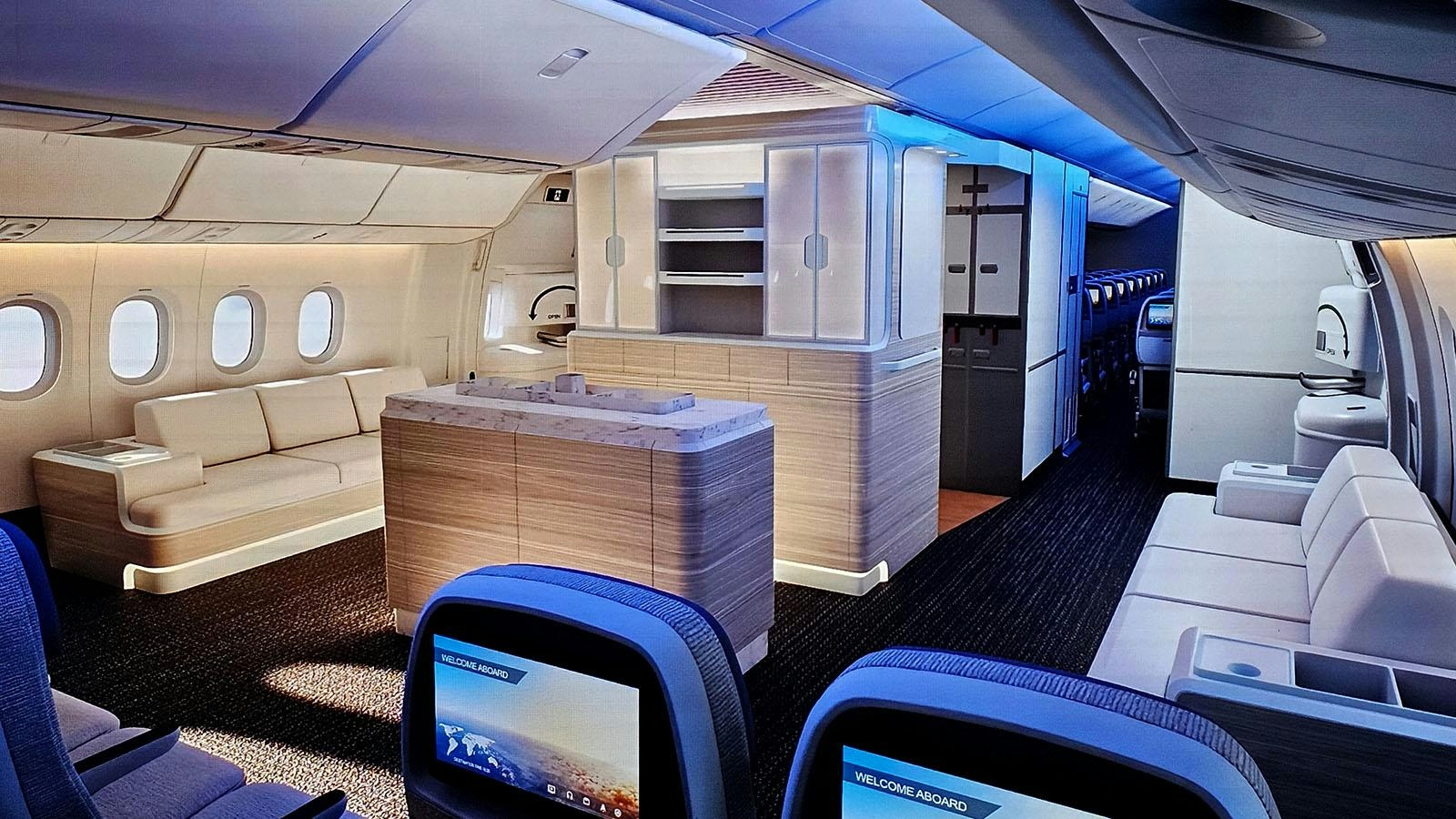
What Passengers Can Expect on Boeing’s New 777X Jet

How Ethiopian Airlines Became Africa’s Leading Carrier Amid Gulf Competition
Joby Aviation Extends Autonomous Flight Capabilities with Cross-Country Tour
