
AIによるインサイトを行動へとつなげる

現在のトレンド
Categories
Engines from Fatal Flight Sent to U.S. Investigators

Engines from Fatal Andros Plane Crash Sent to U.S. for Investigation
Wreckage from the Independence Day plane crash off Andros, which resulted in the deaths of ten individuals, has been transported to the United States for comprehensive analysis. Authorities are intensifying efforts to determine the cause of one of the Bahamas’ most tragic recent aviation disasters.
Transfer and Examination of Key Components
The Air Accident Investigation Authority (AAIA) confirmed that critical parts of the aircraft, including both engines, have been sent to a secure facility in Jacksonville, Florida. Further detailed inspections will take place at the engine manufacturer’s site in Mobile, Alabama. These examinations form a crucial part of the ongoing safety investigation, aimed at clarifying the sequence of events and identifying factors that contributed to the crash.
The AAIA stressed that the investigation’s primary objective is to enhance future aviation safety by uncovering any deficiencies and recommending corrective measures. The authority explicitly stated that the inquiry is not intended to assign blame or determine civil or criminal liability, and it operates independently from judicial or regulatory proceedings.
Details of the Crash and Investigation Process
The wreckage of the Flamingo Air Cessna 402C was recovered between July 22 and July 24 with assistance from Florida-based SouthEast Air Recovery. The aircraft was en route from New Providence to North Andros with ten people on board when it crashed near San Andros Airport. The plane struck trees before coming to rest in a wooded area, where it was subsequently destroyed by fire. Although one passenger initially survived the impact, they later succumbed to their injuries.
The investigation remains in its early stages, focusing on the collection and preservation of evidence. The AAIA outlined a structured three-phase process: first, the gathering and documentation of all relevant information; second, a thorough analysis of factual data, including wreckage examination, operational and maintenance records, meteorological data, and witness accounts; and finally, the preparation and publication of a comprehensive report containing safety recommendations.
A preliminary report is expected by August 10, with a final report anticipated approximately one year after the crash. However, this timeline may be adjusted if additional investigative work is required.
Challenges and Broader Implications
U.S. investigators face significant challenges in determining the precise cause of the engine failure. Maintaining the objectivity of the investigation is paramount, particularly in light of external commentary, such as statements from Ryanair, which could potentially influence public perception. The incident has raised questions about maintenance practices and aircraft reliability, drawing attention from market observers who are monitoring potential impacts on airline reputations and competitive dynamics.
The crash has also revived concerns about the rare but serious risks associated with engine malfunctions, reminiscent of previous incidents like the 2018 Southwest Airlines engine failure. Such events underscore the critical importance of rigorous safety standards and continuous oversight.
The AAIA reaffirmed its commitment to conducting a thorough and independent investigation, with the ultimate goal of improving aviation safety and preventing future tragedies.

Etihad and Swissport Extend Global Partnership
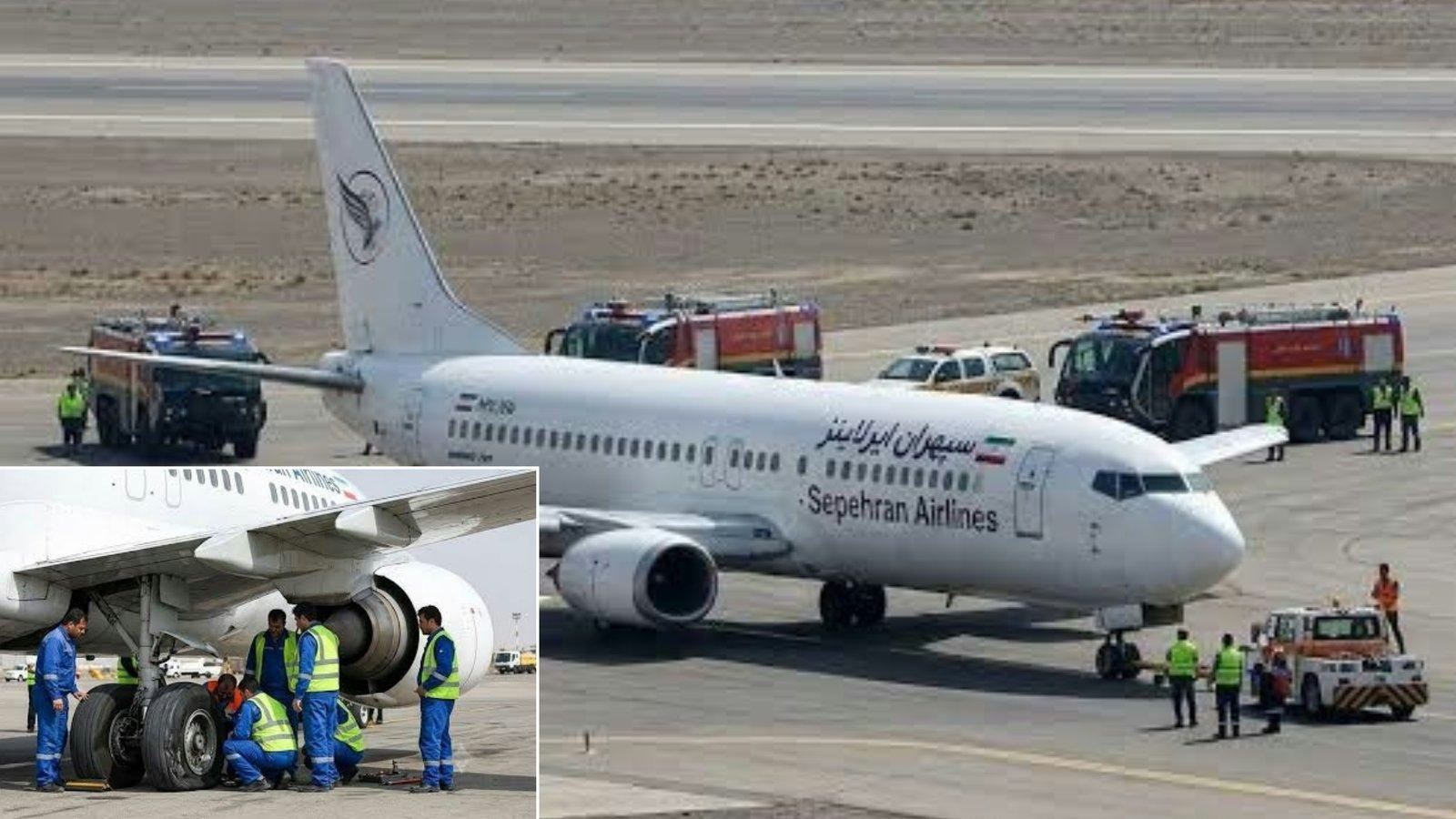
Sepehran Airlines B737 Returns to Mashhad After Tyre and Engine Issues

Etihad Deploys Widebody Fleet to Meet Strong Demand
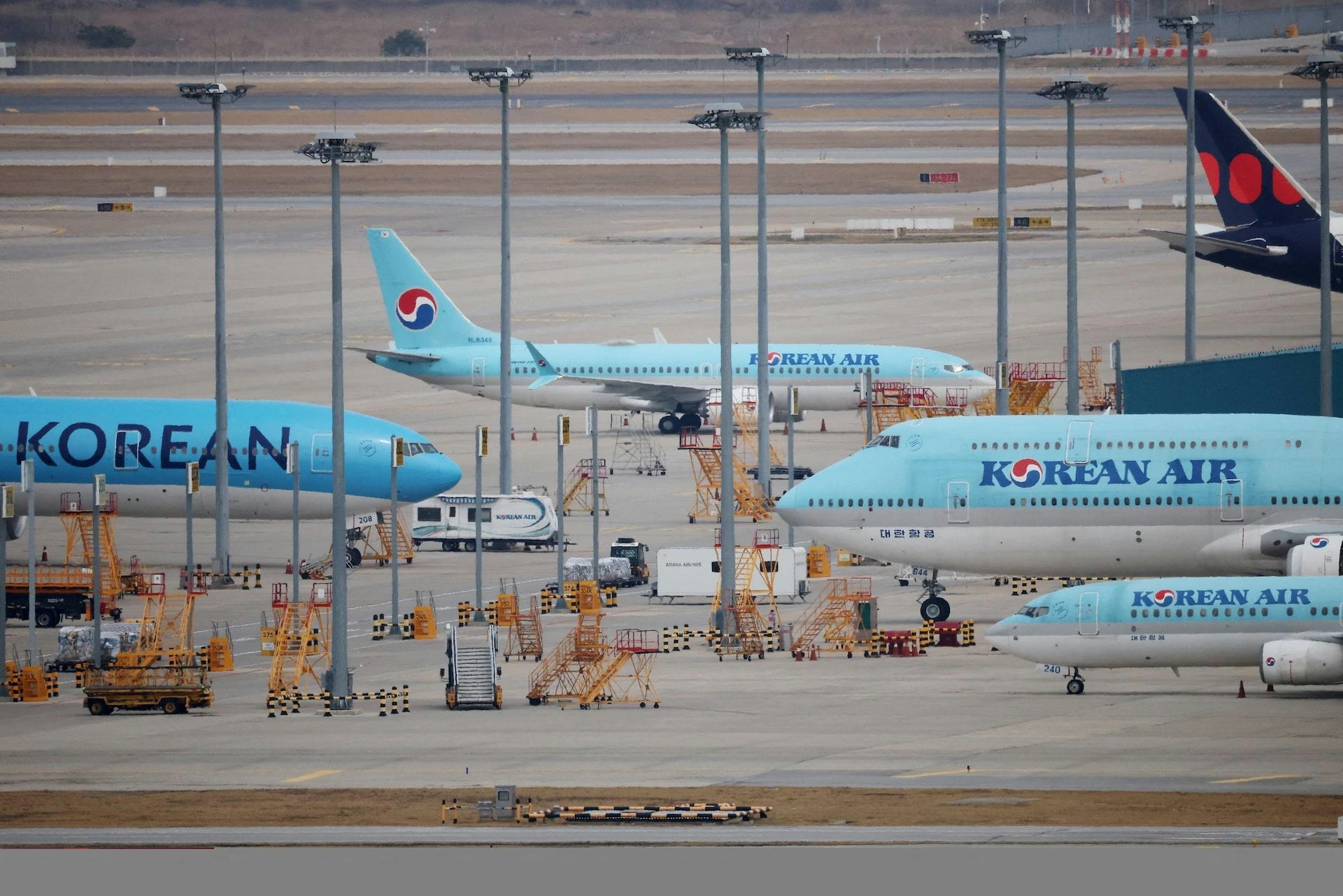
Korean Air Finalizes $36.2 Billion Deal with Boeing
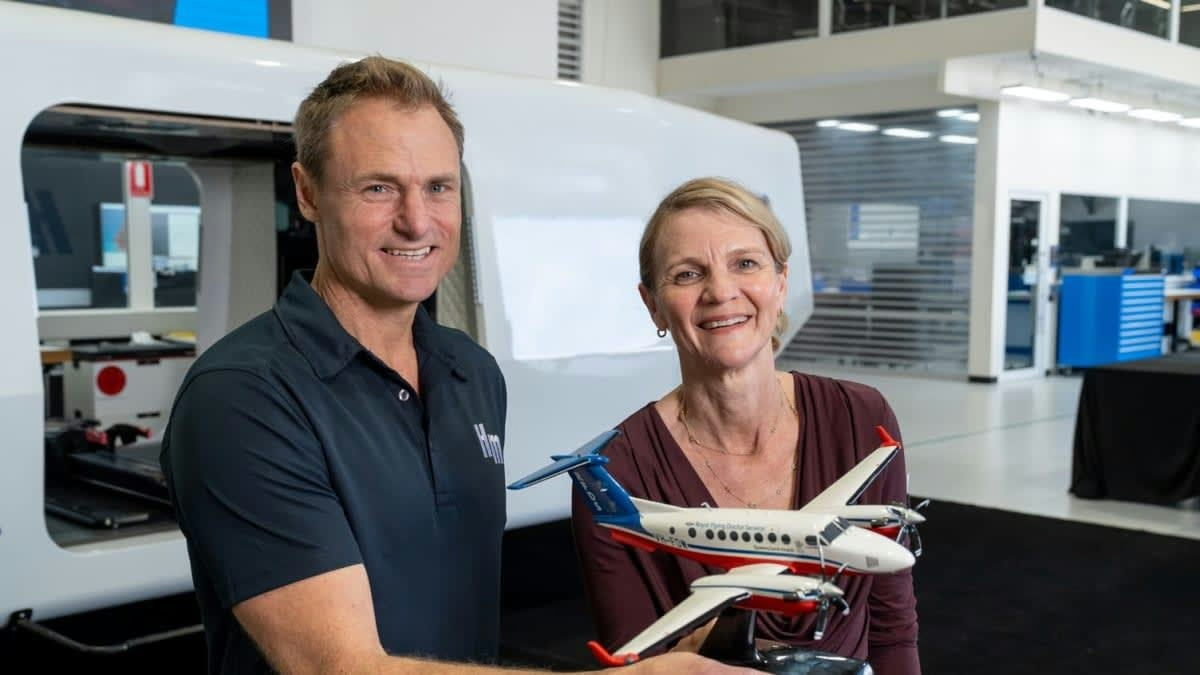
Australia’s RFDS Queensland Section Orders Six King Air 260Cs

Korean Air Finalizes Order for 103 Boeing Jets and Engines
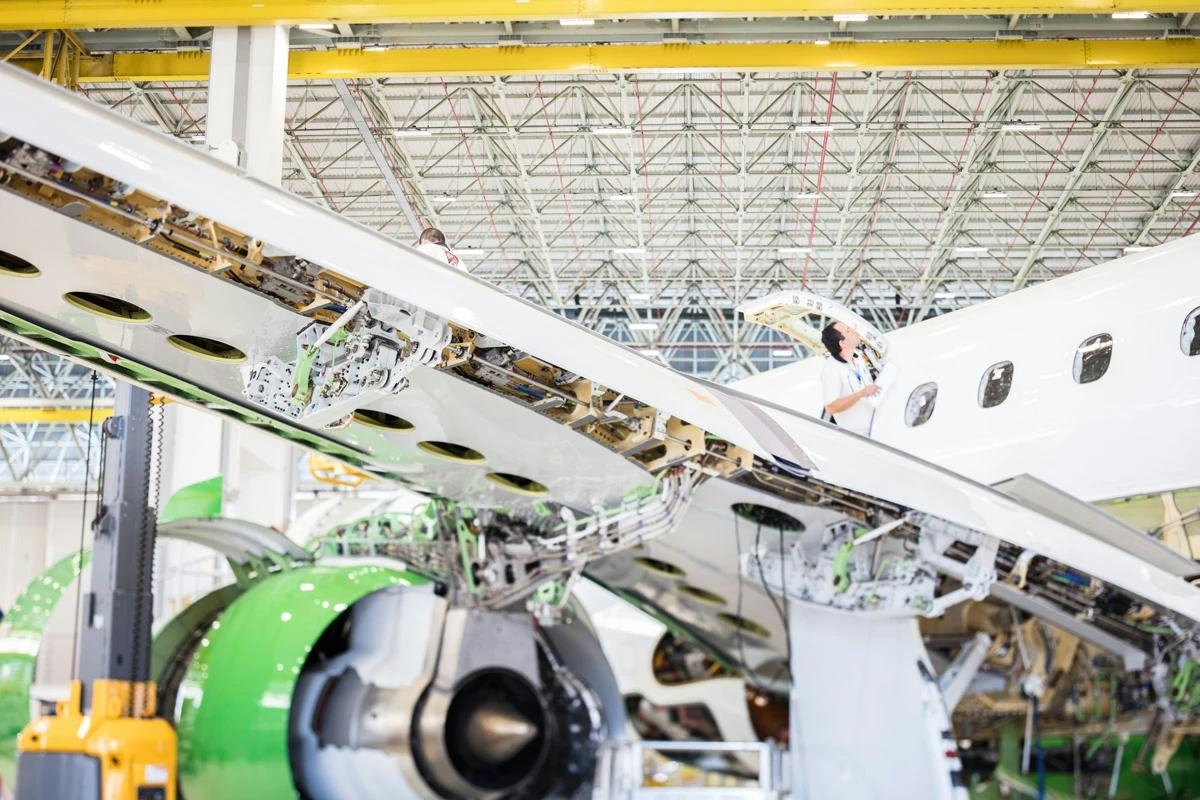
Embraer E195-E2 Features Distinctive Engine Placement Among Regional Jets

What Passengers Can Expect on Boeing’s New 777X Jet

How Ethiopian Airlines Became Africa’s Leading Carrier Amid Gulf Competition

Joby Aviation Extends Autonomous Flight Capabilities with Cross-Country Tour
