
AIによるインサイトを行動へとつなげる

現在のトレンド
Categories
Experimental Aircraft Makes Emergency Landing After Ignition Failure
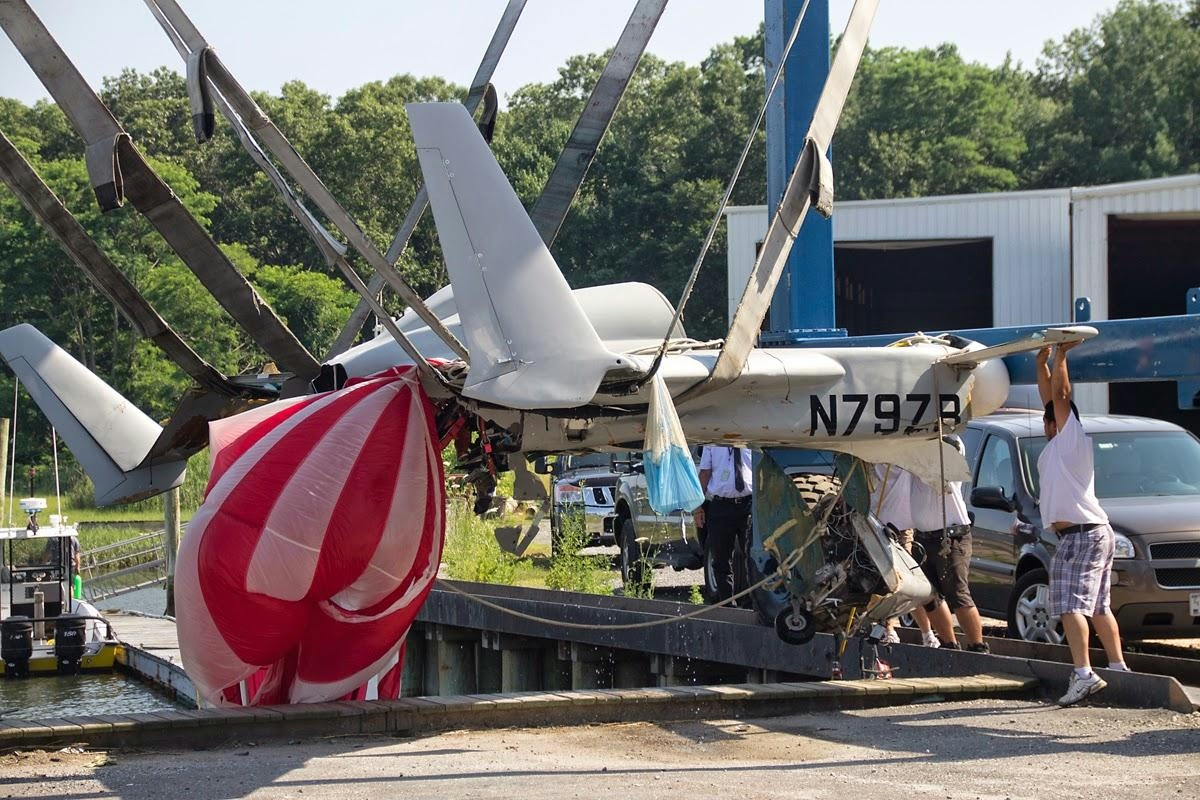
Experimental Aircraft Forced to Land After Ignition Failure
In March 2024, a student pilot operating an experimental X-Air H aircraft was compelled to execute an emergency landing near Twin Airpark (8NC2) in Caroleen, North Carolina, following a complete loss of engine power caused by an ignition system failure. The incident is comprehensively documented in a recent National Transportation Safety Board (NTSB) accident report.
Sequence of Events and Emergency Response
The pilot had initially departed from Twin Airpark en route to Rutherford County Airport (KFQD) to refuel, taking on approximately 18 gallons of fuel before returning to 8NC2. After completing a routine landing, the pilot commenced a series of touch-and-go maneuvers from Runway 14. While flying the downwind leg of the traffic pattern and reducing engine power, the engine suddenly lost all thrust. Despite immediate attempts to restart the engine—utilizing the electric fuel pump and engaging the choke—the engine remained unresponsive. The pilot then executed a forced landing in a nearby field, during which the nose landing gear collapsed. The aircraft sustained substantial damage, particularly to the fuselage at the main landing gear mounting points.
Investigation Findings
A thorough post-accident examination revealed that the spark plugs exhibited normal coloration, and all cylinders demonstrated proper compression and valvetrain movement. Continuity of the crankshaft and camshaft was confirmed, and inspection of the oil filter showed no abnormalities. However, when the engine was manually rotated with the battery and ignition switch activated, the ignition coil failed to generate a spark, conclusively indicating a failure within the ignition system. The NTSB determined the probable cause of the accident to be a total loss of engine power resulting from this ignition system failure.
Broader Implications for Experimental Aviation
This incident underscores the persistent challenges associated with experimental aircraft, particularly in terms of reliability and safety. While the report does not detail immediate market reactions or responses from competitors, such events typically attract heightened scrutiny from aviation regulatory bodies and can adversely affect the reputations of aircraft manufacturers. They may also contribute to delays in development schedules as safety protocols are reassessed and technical systems are refined.
The emergency landing of the X-Air H coincides with a recent high-profile event involving a JetBlue flight that made an emergency landing at Newark Airport due to an engine malfunction. Both cases highlight the critical importance of rigorous safety measures and the operational disruptions that can arise from mechanical failures.
The NTSB continues to publish detailed accident reports like this one to serve as educational resources, enabling pilots and manufacturers to learn from incidents and advance aviation safety standards.
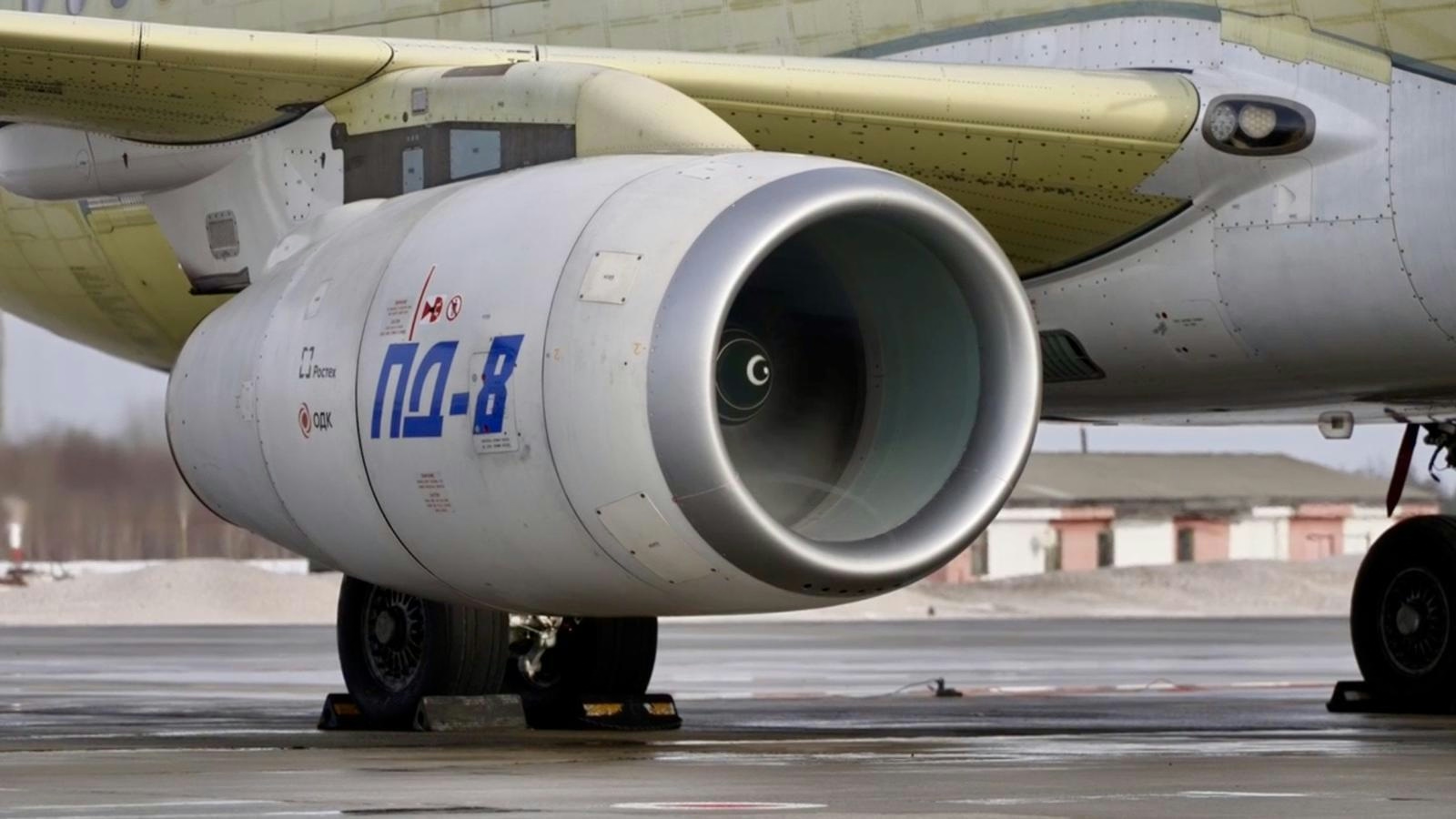
PD-8 Engine Encounters Corrosion Issues from Saltwater Exposure

Weekly Summary: August Deliveries, Year-to-Date Orders, and 4.1 Million Share Buyback
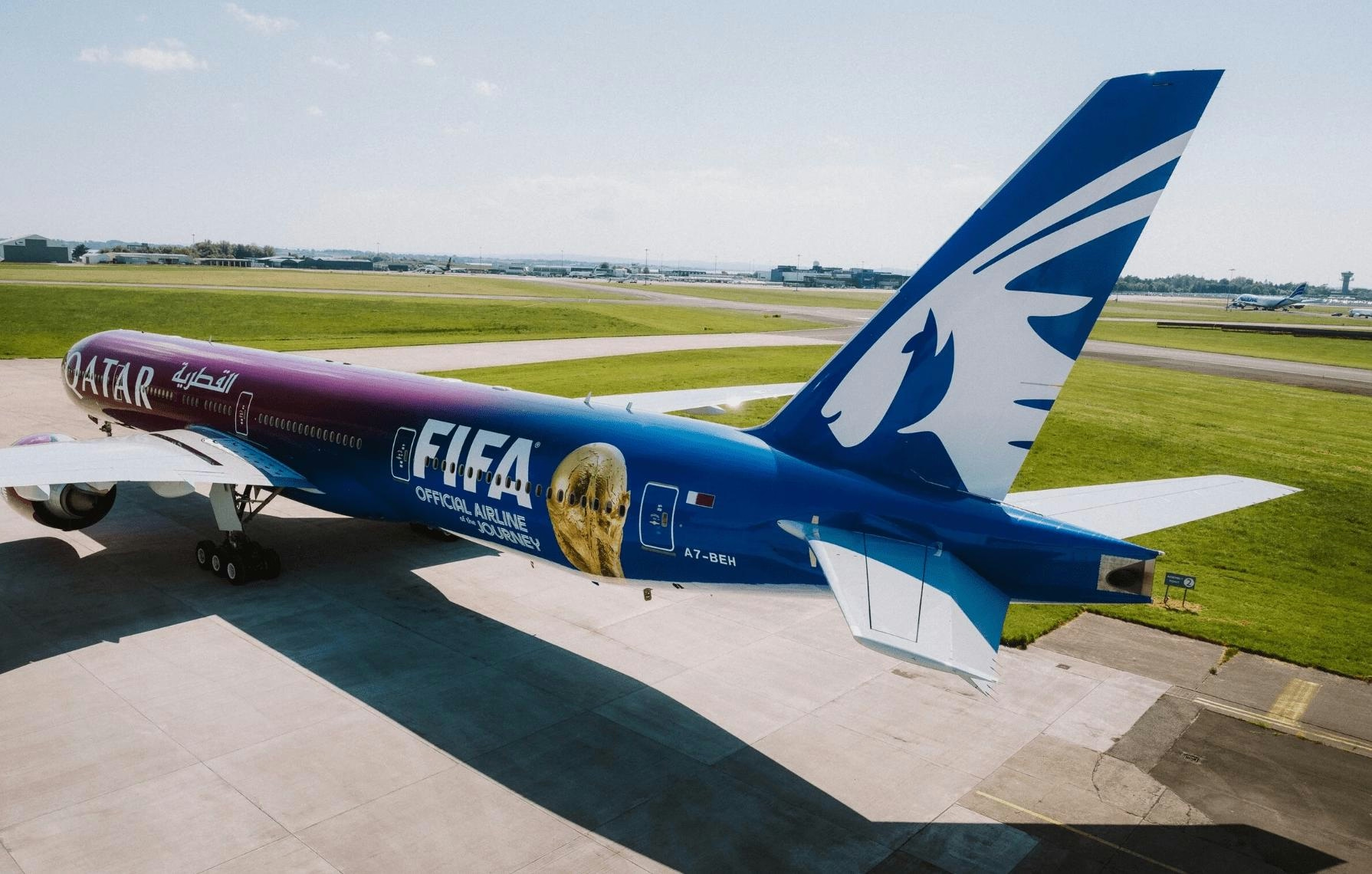
Linking Ireland’s Aircraft Leasing Industry to Elite Football
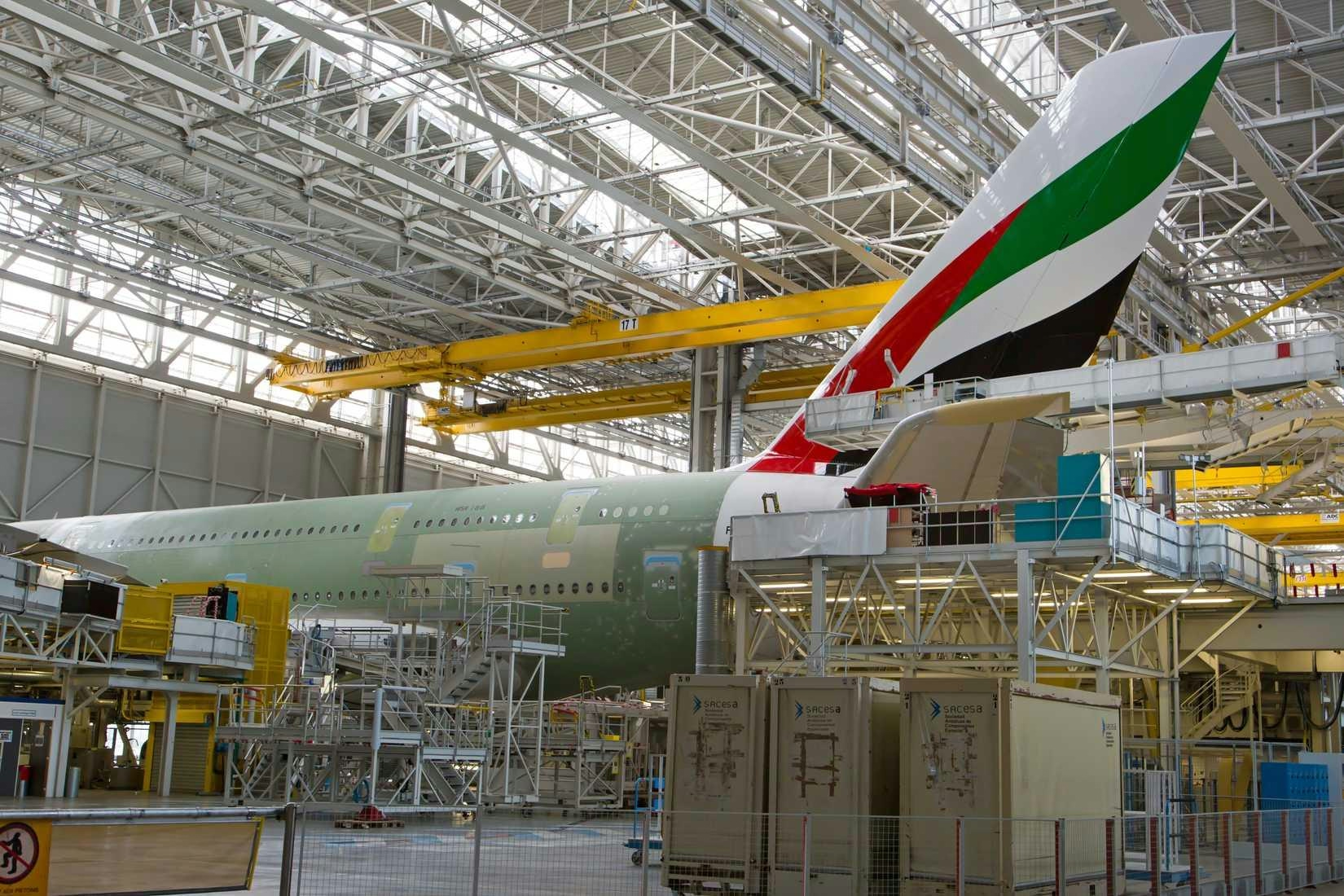
Airbus A380 at Tarbes Yields Over 90% of Parts for Active Fleets Through Careful Dismantling
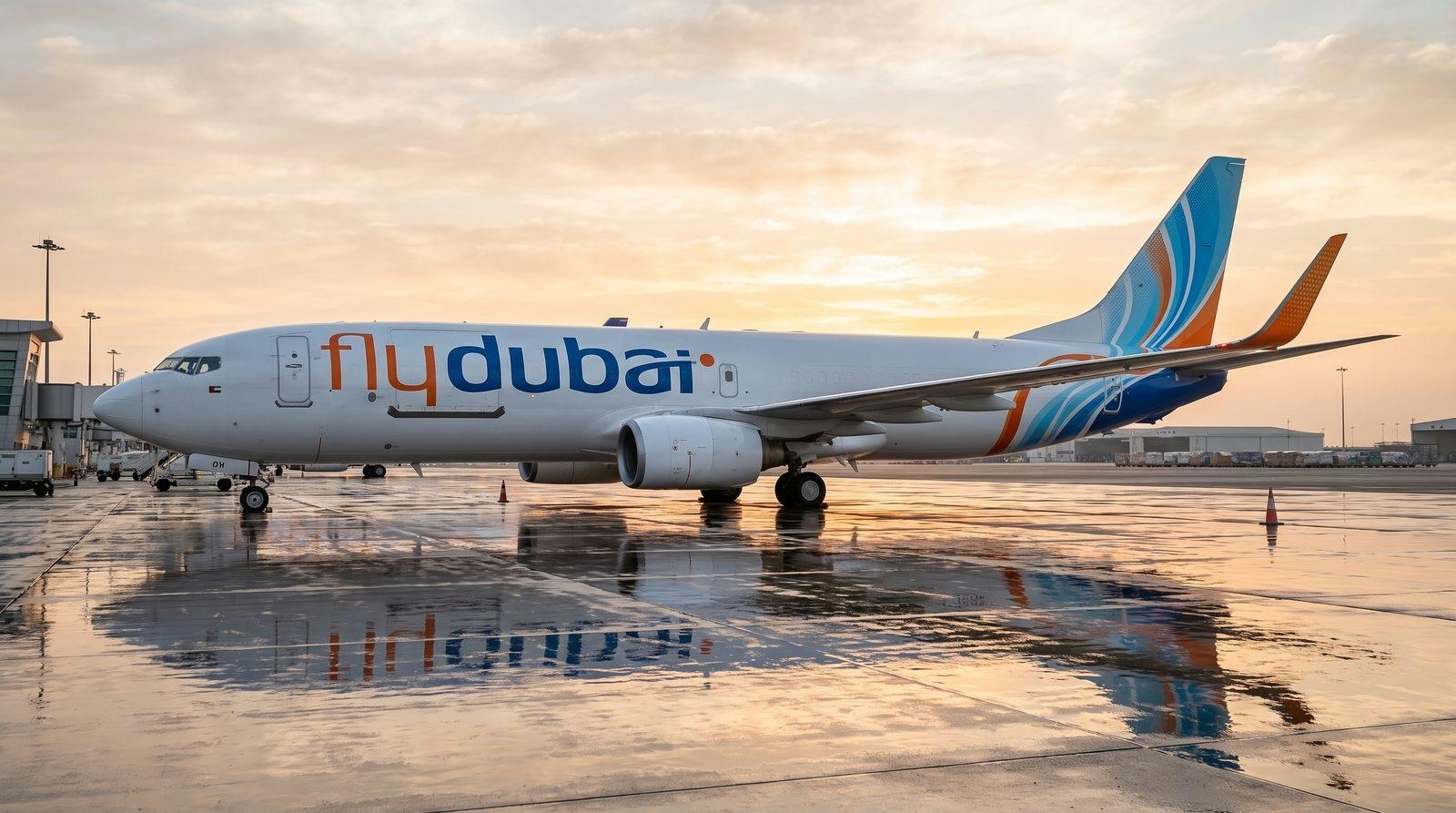
flydubai Begins Dedicated Freighter Operations with Three Leased 737-800s
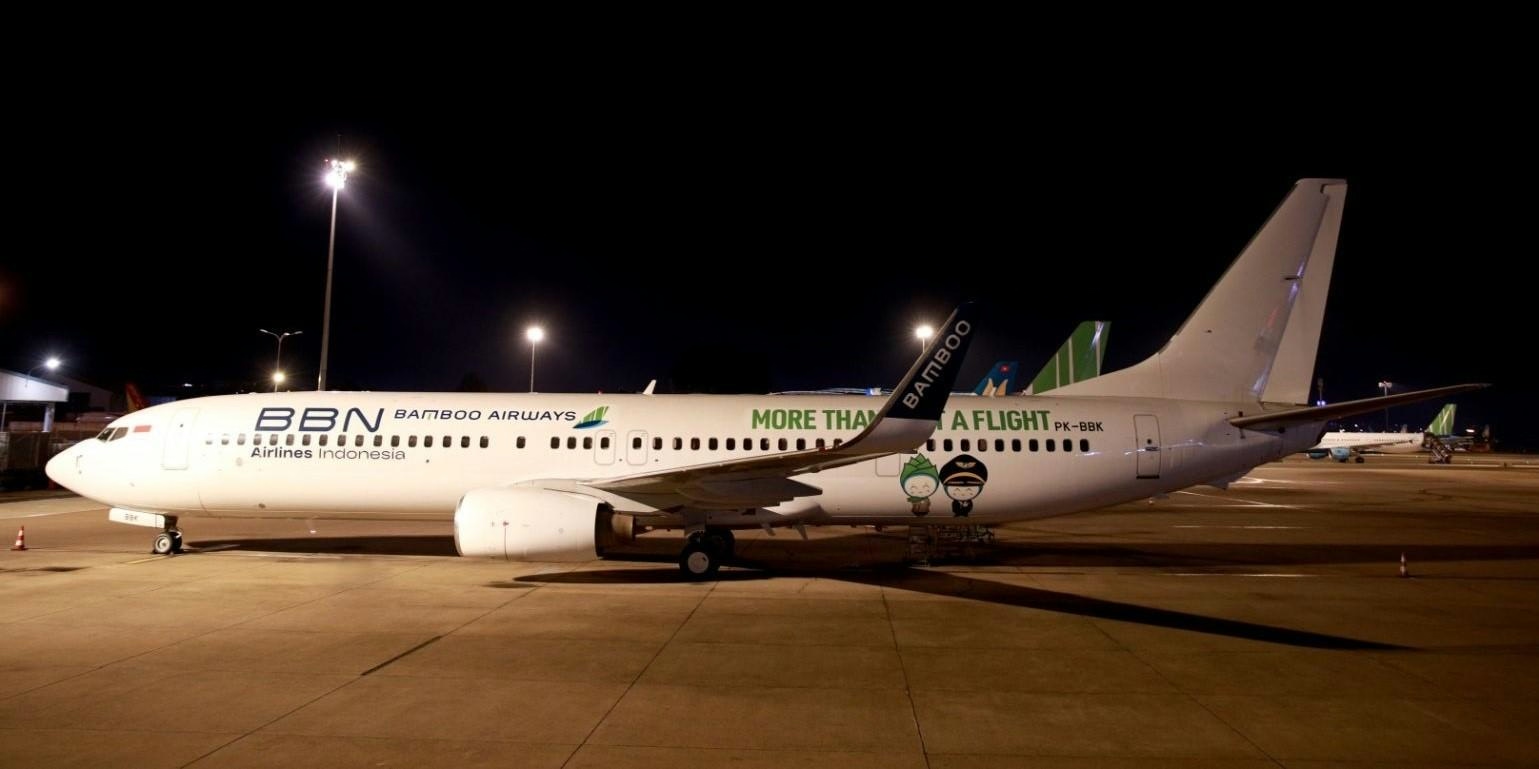
BBN Airlines Becomes IATA Member

FAA Orders Breeze Airways and Delta to Inspect Airbus A220 Fuel Hoses

Philippine Aviation Navigates Expansion and Costs Amid Fuel Price Volatility
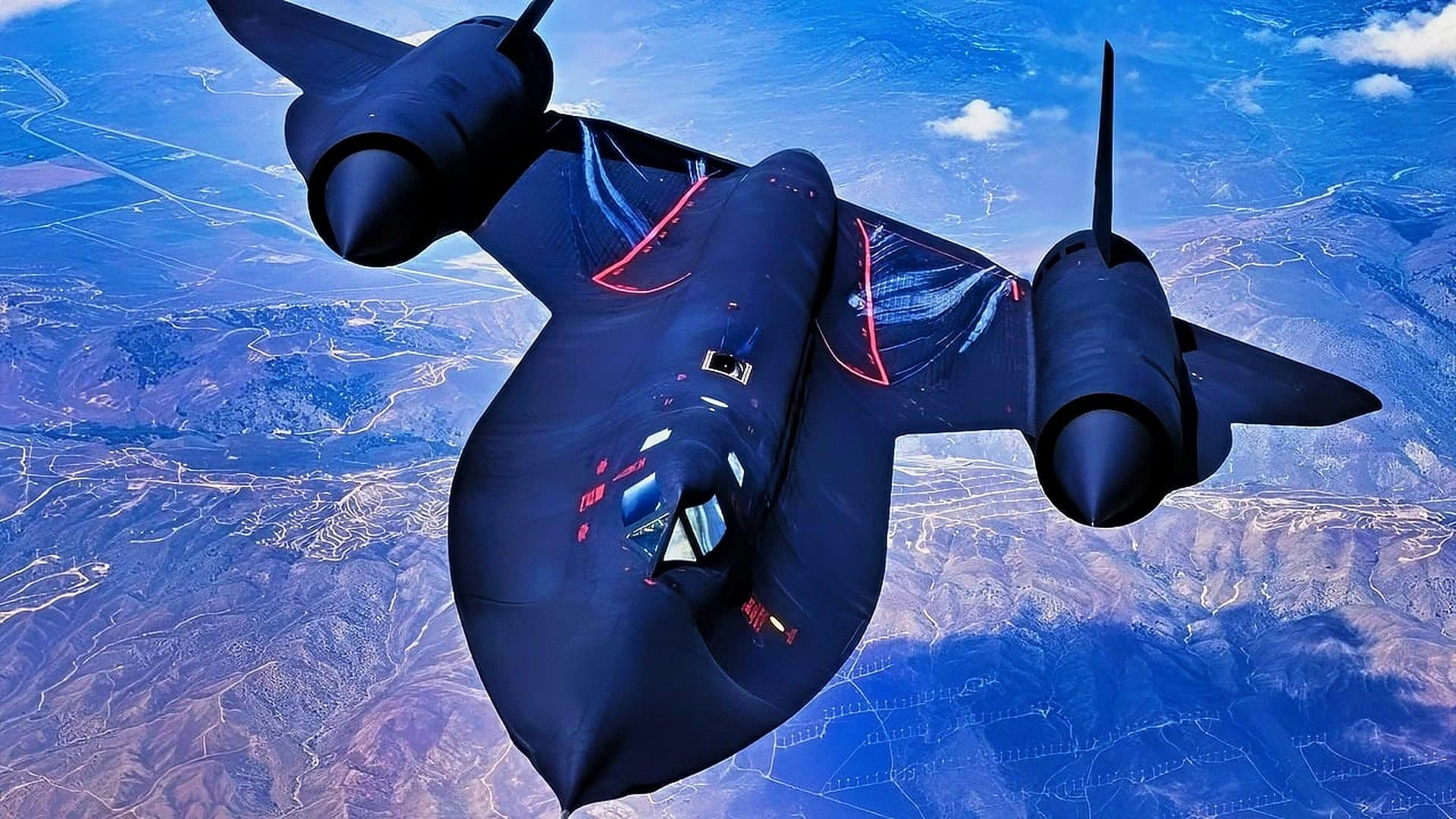
On April 26, 1971, an SR-71 Blackbird Flew Over 15,000 Miles in 10.5 Hours, Limited by Liquid Nitrogen Supply
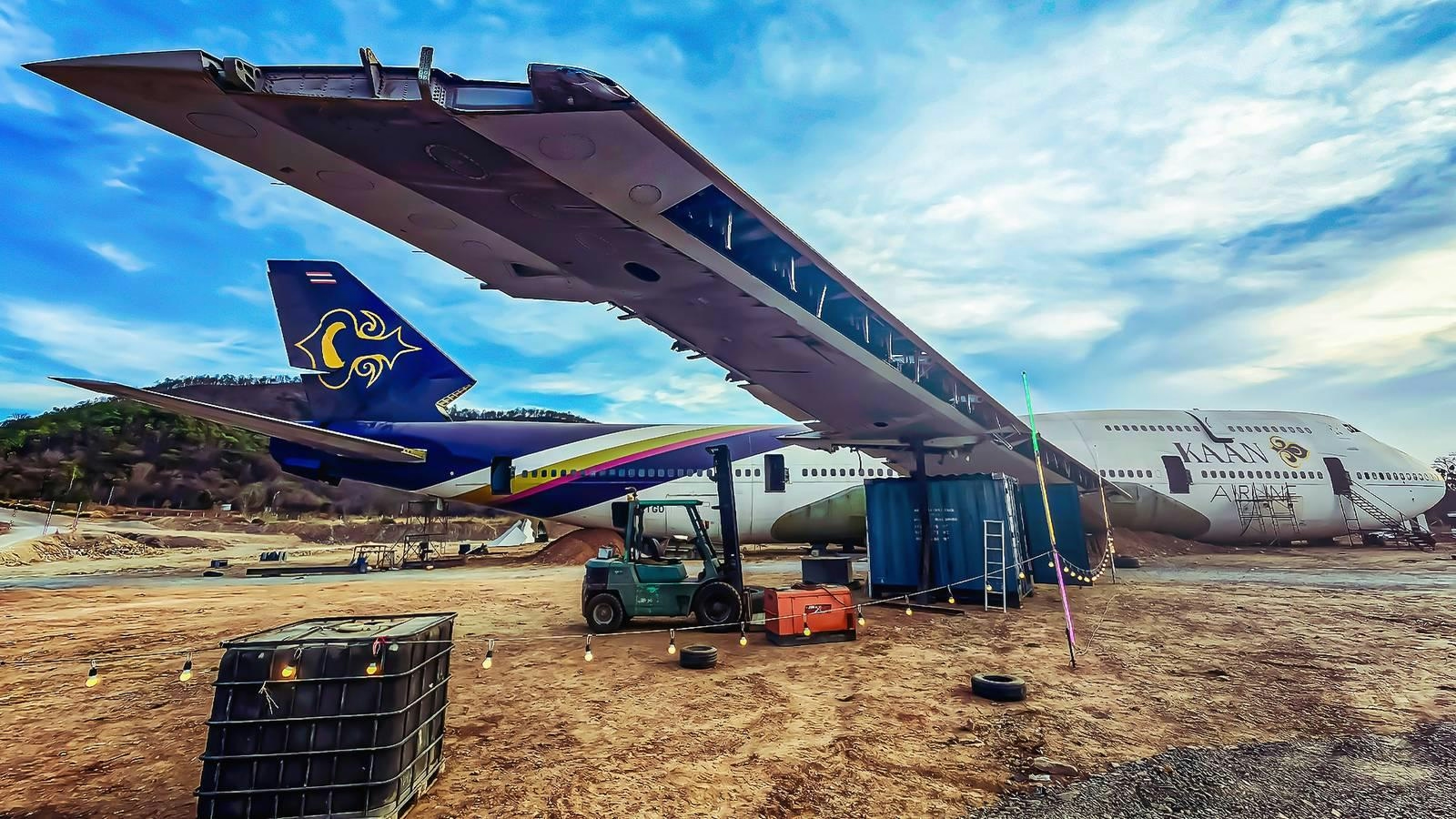
Boeing 747 Airframe Valued Less Than One Landing Gear Component
