
AIによるインサイトを行動へとつなげる

現在のトレンド
Categories
FAA Updates Directive on Early Cracking in PW210 Helicopter Engine Frames
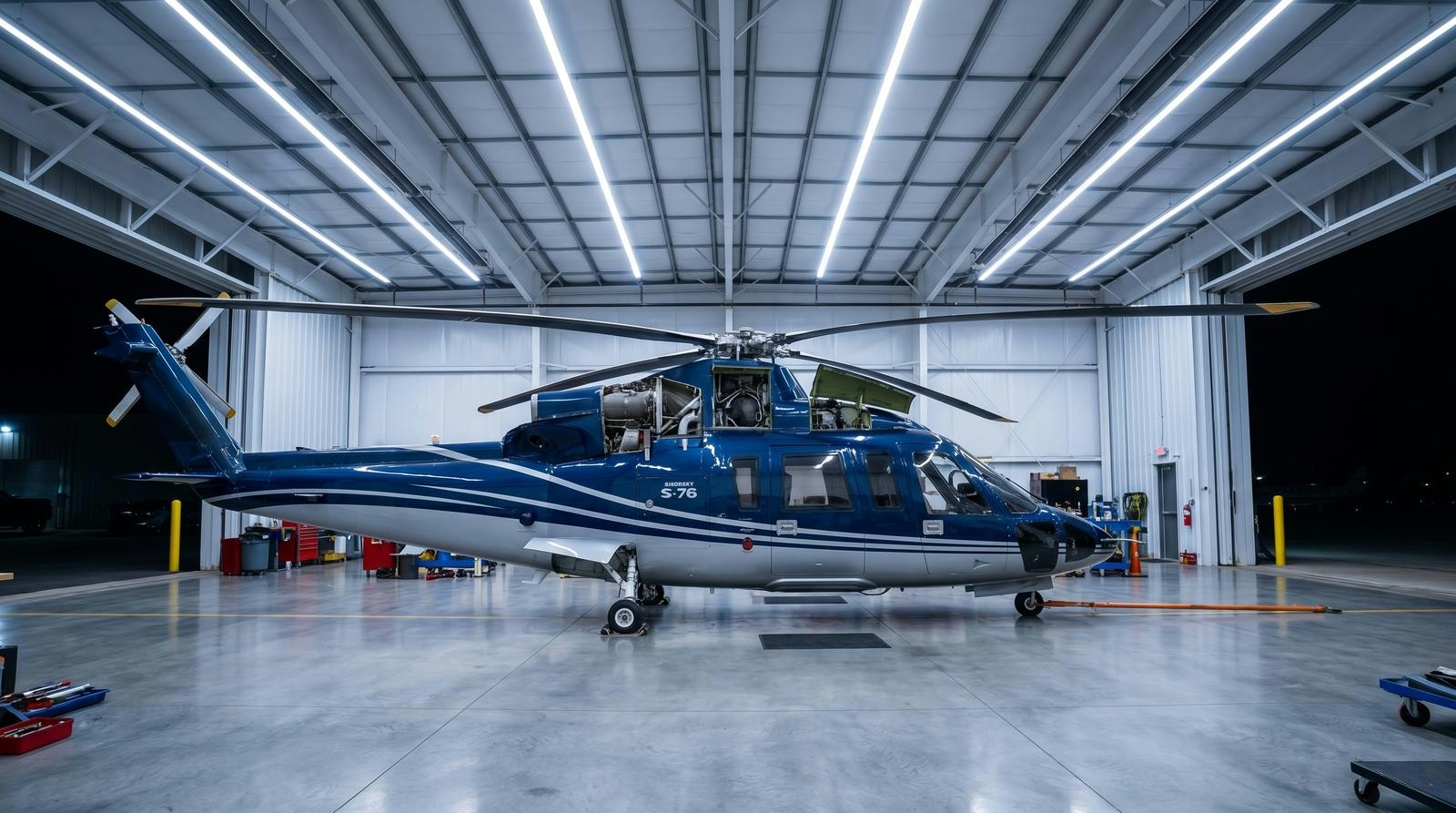
FAA Updates Directive on Early Cracking in PW210 Helicopter Engine Frames
Stricter Inspection Mandates for PW210 Engines
The Federal Aviation Administration (FAA) has issued a revised airworthiness directive imposing more stringent, material-specific inspection requirements for all Pratt & Whitney Canada PW210-series turboshaft engines. Published in the Federal Register (91 FR 52487, Docket No. FAA-2026-7238), the new directive—AD 2026-16-13—will take effect on August 31, 2026, replacing the previous directive AD 2026-13-09, which has been in place since July 14.
While the fundamental inspection obligations remain intact, the updated directive accelerates compliance deadlines for engines fitted with turbine exhaust frames (TEFs) constructed from a newer material introduced under Pratt & Whitney Canada Service Bulletin PW210-72-57123. For these engines, inspections must commence from the first engine start after August 31, regardless of whether the start occurs during flight or ground operations.
Material-Specific Risks and Cracking Mechanism
This regulatory adjustment follows an analysis by the manufacturer indicating that the newer TEF material is more susceptible to early onset thermal stress cracking compared to Waspaloy, the nickel-based superalloy traditionally used in earlier PW210 frames. Waspaloy is recognized industry-wide for its superior resistance to low-cycle thermal fatigue, a critical factor in the longevity of turbine exhaust frames.
The TEF, positioned at the rear of the engine, serves the dual purpose of channeling hot exhaust gases and providing essential structural support between the engine core and the aircraft. Its integrity is vital to safe engine operation. The FAA has identified low-cycle thermal fatigue as the primary hazard: each engine start subjects the TEF’s outer casing to rapid heating, while the inner hub warms more gradually. This temperature differential induces circumferential tensile stress, which accumulates over hundreds of cycles, leading to micro-cracks that can propagate and jeopardize the frame’s structural soundness.
The FAA has confirmed that these circumferential cracks, resulting from repeated engine starts, constitute an unsafe condition. Moreover, the rate at which cracks develop in frames made from the newer material remains uncertain. Due to this ambiguity, the FAA invoked the “good cause” exception under the Administrative Procedure Act to expedite the directive’s implementation, foregoing the standard 60-day public comment period.
Implications for Operators and the Industry
The directive encompasses all Pratt & Whitney Canada Model PW210A, PW210A1, and PW210S turboshaft engines, including those installed on Sikorsky S-76D helicopters. Operators will be required to conduct more frequent visual inspections and may face the necessity of replacing affected TEFs, potentially increasing maintenance expenditures and aircraft downtime.
These enhanced inspection and maintenance demands could prompt heightened scrutiny of Pratt & Whitney Canada’s engine reliability, potentially affecting the company’s competitive position in the market. Rival manufacturers might leverage this development to promote alternative engine technologies or superior maintenance solutions. Additionally, ongoing trade policy challenges, such as tariffs on engine components, could further complicate supply chains and maintenance scheduling, adding complexity for operators.
As the aviation sector adjusts to these updated requirements, the FAA’s directive highlights the critical role of material selection and proactive maintenance strategies in safeguarding the safety and reliability of contemporary helicopter engines.

Etihad Airways Suspends Airbus A380 Flights on Key Route

Aditya Birla Group Seeks Approval for Aircraft Leasing in GIFT City

Qatar Airways Highlights Innovation and Connectivity at Arabian Travel Market 2026

Hong Kong's Five-Year Plan Includes Andrew Fan's Aircraft Parts Processing Hub Proposal

ACIA Aero Leasing Delivers ATR72-600 to Air Nostrum

RTX Appoints Jill Albertelli as Head of Pratt & Whitney

TAT Technologies Joins Beyond Aero Hydrogen Aircraft Program

AURAK Study Highlights Barriers to Air Taxi Adoption in Emerging Economies

Xiamen Air Selects Altitude for 787 Maintenance at Heathrow

Etihad and Swissport Extend Global Partnership
