
AIによるインサイトを行動へとつなげる

現在のトレンド
Categories
GCAA Tightens Drone Regulations as Unmanned Aviation Expands
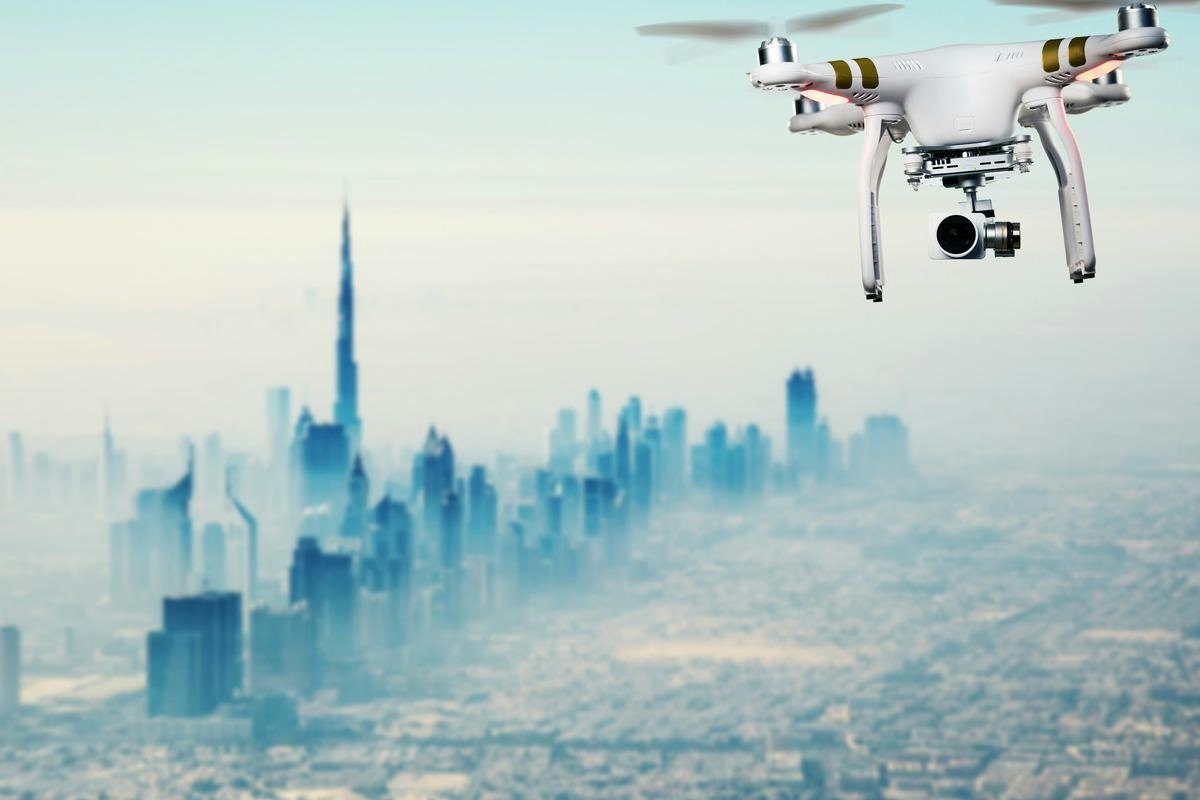
GCAA Tightens Drone Regulations as Unmanned Aviation Expands
The Ghana Civil Aviation Authority (GCAA) has introduced more stringent regulations governing drone operations in response to the rapid expansion of unmanned aviation across the country. This regulatory update arrives amid a notable increase in the number of operators, manufacturers, and service providers entering Ghana’s burgeoning drone market.
Enhanced Oversight and Compliance Measures
The new regulatory framework imposes heightened oversight on drone operators, including stricter licensing requirements, operational limitations, and mandatory safety protocols. The GCAA’s primary objective is to safeguard public safety and maintain airspace security as drones become increasingly common in both commercial and recreational activities.
Despite these intentions, the tighter controls present several challenges. Industry stakeholders have expressed concerns regarding the potential rise in compliance costs, which may disproportionately impact smaller operators and new entrants. Additionally, some manufacturers and service providers fear that the increased regulatory burden could hinder innovation and reduce operational efficiency, potentially slowing the adoption of emerging drone technologies.
Industry Response and Market Implications
The regulatory changes have elicited varied reactions within the industry. While certain companies are adjusting their business models to comply with the new requirements, others are contemplating lobbying efforts aimed at securing more flexible policies. This evolving regulatory environment is likely to reshape competitive dynamics, favoring firms that can efficiently navigate the updated rules while posing difficulties for those less equipped to adapt.
Analysts caution that although the regulations are intended to enhance safety and accountability, they may also affect the overall growth trajectory of Ghana’s drone sector. There is concern that the increased regulatory demands could deter investment and slow the influx of new operators into the market.
Striking a Balance Between Growth and Safety
The GCAA asserts that the revised regulations are essential to balancing the benefits of unmanned aviation with the imperative to protect public interests. Officials highlight that the framework is designed to be flexible, allowing for future modifications as the industry continues to evolve and new challenges arise.
As Ghana seeks to establish itself as a regional leader in drone technology, the effectiveness of these regulatory measures will be closely monitored by both domestic and international stakeholders. The coming months will be critical in determining whether the sector can sustain its growth momentum while adhering to the enhanced standards mandated by the GCAA.

Etihad Airways Suspends Airbus A380 Flights on Key Route

Aditya Birla Group Seeks Approval for Aircraft Leasing in GIFT City

Qatar Airways Highlights Innovation and Connectivity at Arabian Travel Market 2026

Hong Kong's Five-Year Plan Includes Andrew Fan's Aircraft Parts Processing Hub Proposal

ACIA Aero Leasing Delivers ATR72-600 to Air Nostrum

RTX Appoints Jill Albertelli as Head of Pratt & Whitney

TAT Technologies Joins Beyond Aero Hydrogen Aircraft Program

AURAK Study Highlights Barriers to Air Taxi Adoption in Emerging Economies

Xiamen Air Selects Altitude for 787 Maintenance at Heathrow

Etihad and Swissport Extend Global Partnership
